- President Harry Truman was forced to recognize Israel despite opposition from his key foreign policy officials.
- From Truman to Trump, most American presidents have caved to the demands of the Israel lobby.
- The lobby has used its resources and political influence to shape US Middle East policy in favor of Israel's interests.
- Israel’s Lobby tracks the growth over decades of one of America’s most powerful foreign policy lobbies.
The Truman Dilemma
In 1948, Harry Truman found himself ensnared by a daunting dilemma when asked to support the creation of a Jewish state in Palestine. On one side stood powerful Zionist lobbyists and his domestic political advisers, who were pushing for immediate recognition due to the suffering of Jewish survivors from the Nazi “Final Solution.” On the other was his top foreign policy team, which advocated against it.
Truman was subject to relentless hectoring by campaigners for recognition, including a host of Jewish delegations and politicians. These pressures were particularly intense during his 1948 election year against Governor Thomas Dewey of New York. The Zionist lobby wielded considerable influence, threatening to throw critical electoral votes to the Republicans if Truman did not comply.
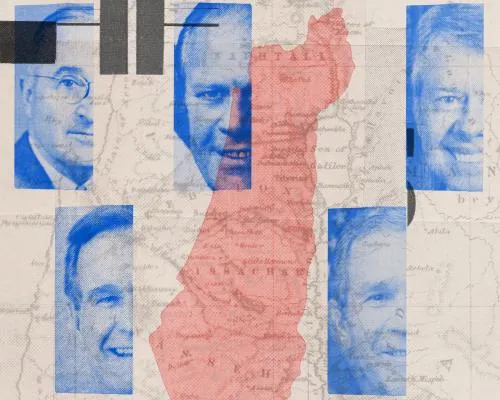
The Evolution of the Lobby
Today, the influence of organizations such as AIPAC (American-Israel Public Affairs Committee) has only grown stronger. This persistent pressure has forced presidents into excruciating positions that often compromise their sense of national interest for short-term political gains.
The Impact on Presidential Decisions
One notable example is President Gerald Ford, who launched a “reassessment” of US policy in the Middle East after two years of failure to achieve a comprehensive Arab-Israeli peace agreement. The initiative was advanced by Ford and his secretary of state, Henry Kissinger. However, leading Israel lobby organizations like the Conference of Presidents of Major Jewish Organizations and AIPAC mobilized against this reassessment.
Kissinger convened a committee of “Wise Men” to recommend pressure on Israel to withdraw from the West Bank and Gaza Strip for a comprehensive peace agreement. The unanimous recommendation was in line with US interests, but it faced strong opposition from the lobby. A letter drafted by AIPAC, signed by 76 senators, demanded that Ford explicitly state that the United States would support Israel while also advocating for peace negotiations. This put Ford in an awkward position, as he feared losing New York’s electoral votes if he opposed the lobby.
Ford ultimately caved to the demands of the lobby and returned to a step-by-step process involving the gradual transfer of Sinai Peninsula territories from Egypt to Israel, while increasing US support for Israel. This included signing a US-Israeli Memorandum of Agreement on September 1, 1975, with extensive military and diplomatic commitments.
Jimmy Carter's Dilemma
In his efforts to achieve a comprehensive peace treaty in the Middle East, President Jimmy Carter faced significant opposition from the Israel lobby. Despite initial public support and high poll numbers, Carter proposed a “Palestinian homeland” as part of his peace initiative. However, this was met with fierce resistance from leading pro-Israel organizations.
Carter’s senior adviser on domestic political affairs warned him that he would suffer serious consequences due to lobby opposition. Despite these warnings, Carter remained steadfast in his commitment to a Palestinian homeland.
Source: The Guardian

World News Today
580 posts
-
 'Nghĩa địa tàu chiến' Đức Quốc xã trồi lên giữa sông do hạn hán: Nhiều di tích lịch sử bị phơi bày
Hạn hán và nắng nóng kỷ lục đã làm mực nước sông Danube ở châu Âu xuống thấp, phơi bày nhiều di tích lịch sử dưới lòng sông. Tình trạng này không chỉ ảnh hưởng đến giao thông thủy, mà còn gây khó khăn cho ngành công nghiệ
-
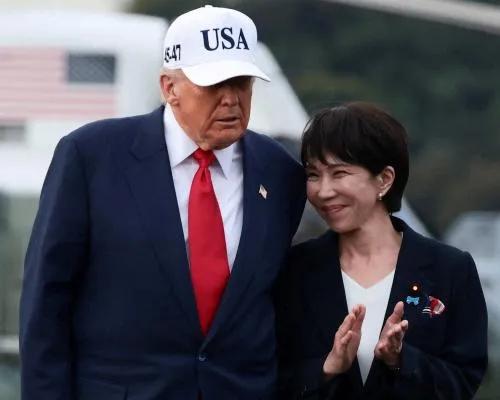 US Intervenes to Support Japanese Yen Amid Economic Concerns
The United States has intervened to support Japan's weakening yen, marking a rare cooperation that could impact global economic dynamics.
-
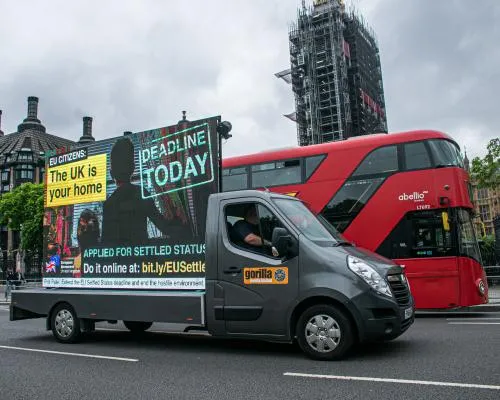 UK Kementerian Dalam Negeri Meninjau Hak Penginapan Warga Eropa
 -
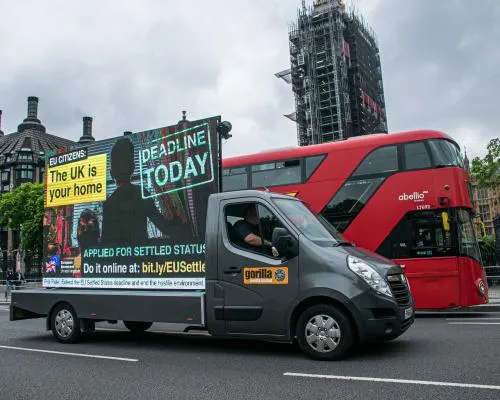 Cartas del Home Office Ponen en Juego los Derechos de Residencia de Cíos de la UE
El Home Office revisa algunos derechos de residencia post-Brexit de ciudadanos de la UE, potencialmente afectando a miles de personas que han construido sus vidas en el país.
-
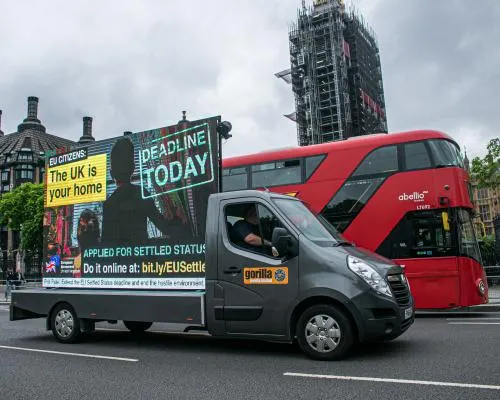 UK Home Office Letters Question EU Citizens' Residency Rights
The UK Home Office is reviewing some EU citizens' Brexit-related residency rights, potentially affecting thousands of people who have built their lives in the country.
-
 Police Failed to Arrest Suspect Before Infant’s Tragic Death
Cleveland police failed to arrest a man who had breached a non-molestation order before he sexually assaulted and killed his girlfriend's two-year-old daughter. Simpson was convicted alongside Walker for their roles in the murder, leading to life sentences.
-
 Voluntários se Mobilizam no Nordeste do Reino Unido para Limpar Descarga de Nurdles
Milhares de voluntários estão empenhados em uma gigantesca operação de limpeza na costa nordeste da Inglaterra, em resposta a uma descarga de partículas plásticas conhecidas como nurdles após um acidente de navio.
-
 Anggota Parlemen Republican Meminta Anggota Kongres Bergabung Dengan Partai Resign di Ancam SARA
 -
 Volunteers Mobilize in North-East England to Clean Up Nurdle Spillage
A massive cleanup effort has mobilized thousands of volunteers across the north-east of England to address a spillage of plastic pellets known as nurdles, which were released into water following a ship collision.
-
 Senator dari Ohio Menuntut Tergantung Parlemen untuk Mengundurkan Diri Akibat Skandal Penganiayaan
 -
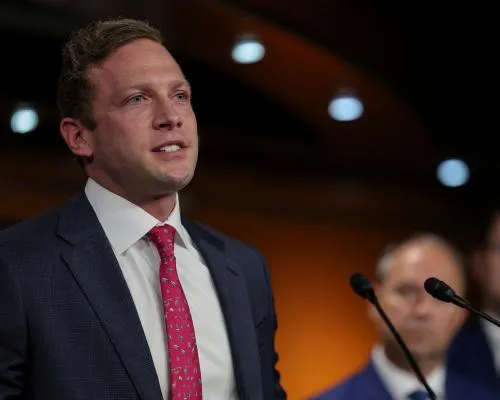
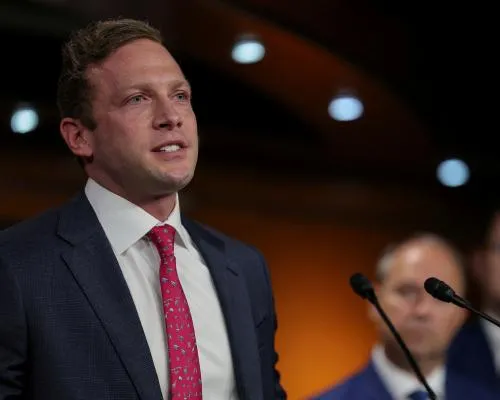
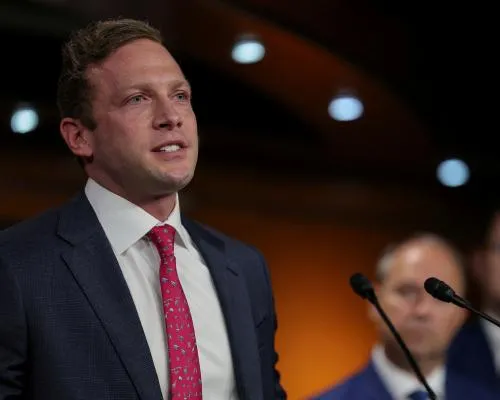 Republican Senator Calls for Congressman’s Resignation Amid Abuse Allegations
Republican Senator Bernie Moreno demands Congressman Max Miller resign amid abuse claims. Miller denies all accusations, stating no charges were filed.


