- The summer triangle is an easily identifiable pattern visible from both hemispheres.
- It includes the stars Vega, Deneb, and Altair, which form a distinctive triangular shape in the sky.
- From the northern hemisphere, these stars are best viewed at around 11pm UK time on July 27th.
The Appearance of the Summer Triangle
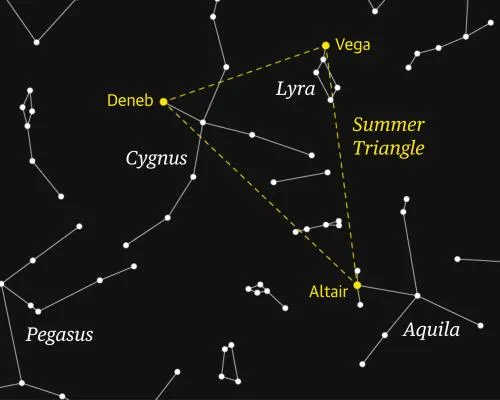
In the northern hemisphere we know that summer is truly upon us when the summer triangle appears overhead. Although not an official constellation, it is one of the easiest patterns to find in the northern summer sky. The chart shows the view looking high in the south-east from London at 11pm UK time on 27 July, although the view remains essentially unchanged all week, with the triangle climbing higher as the evening goes on.
The brightest of its three stars is Vega, in Lyra, the lyre. It is almost overhead from the UK at this time of year. North-east from Vega is Deneb, the brightest star in Cygnus, the swan. Lower in the south-east is Altair, in Aquila, the eagle. The summer triangle frames the northern Milky Way. From a dark site, the Milky Way reveals itself as a pale band of light running across the sky. It is the combined light of billions of stars that make up the wider sweeps of our galaxy.
For those in the southern hemisphere the summer triangle is also visible, but it appears in the northern sky and never climbs that high into the sky. For those in the north, grab a pair of binoculars and enjoy the rich star fields that can be seen within its confines.
The summer triangle offers more than just a few bright stars; it provides an opportunity to explore the rich star fields within its boundaries and observe the northern Milky Way. For optimal viewing from the northern hemisphere, consider using a pair of binoculars to explore the rich star fields within its boundaries. Additionally, it frames the northern Milky Way, providing a view of billions of stars combined as a pale band stretching across the sky.
In conclusion, observing the summer triangle offers a unique and rewarding experience whether you are in the northern or southern hemisphere. The combination of bright stars, rich star fields, and the northern Milky Way make this celestial pattern an excellent subject for stargazers throughout the season.
Source: The Guardian

Science Daily
142 posts
-
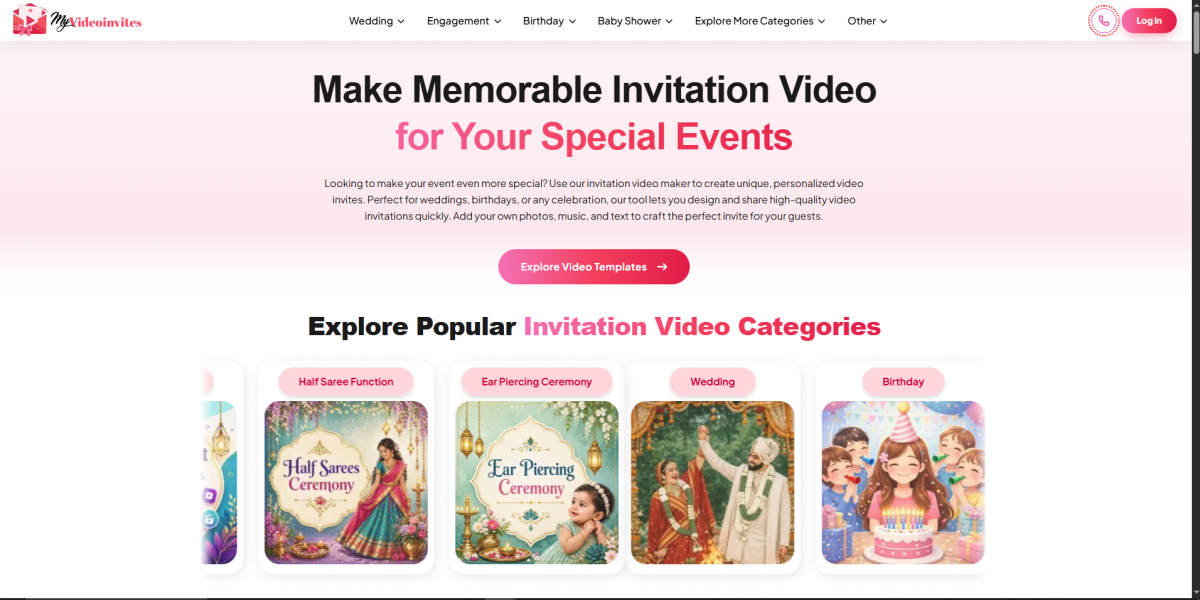 Royal Rajasthani Wedding Invitation Video
Elegant Rajputana Video Invites
-
 Vivino Clone Script: Launch Your Own Wine Discovery & Marketplace Platform
Vivino Clone by Miracuves is a comprehensive wine discovery and marketplace platform that connects wine enthusiasts, wineries, retailers, and distributors in one ecosystem. Users can scan wine labels, explore ratings and reviews, receive personalized recommendations, discover food pairings
-
 Vivino Clone Script: Launch Your Own Wine Discovery & Marketplace Platform
Vivino Clone Script: Launch Your Own Wine Discovery & Marketplace Platform
-
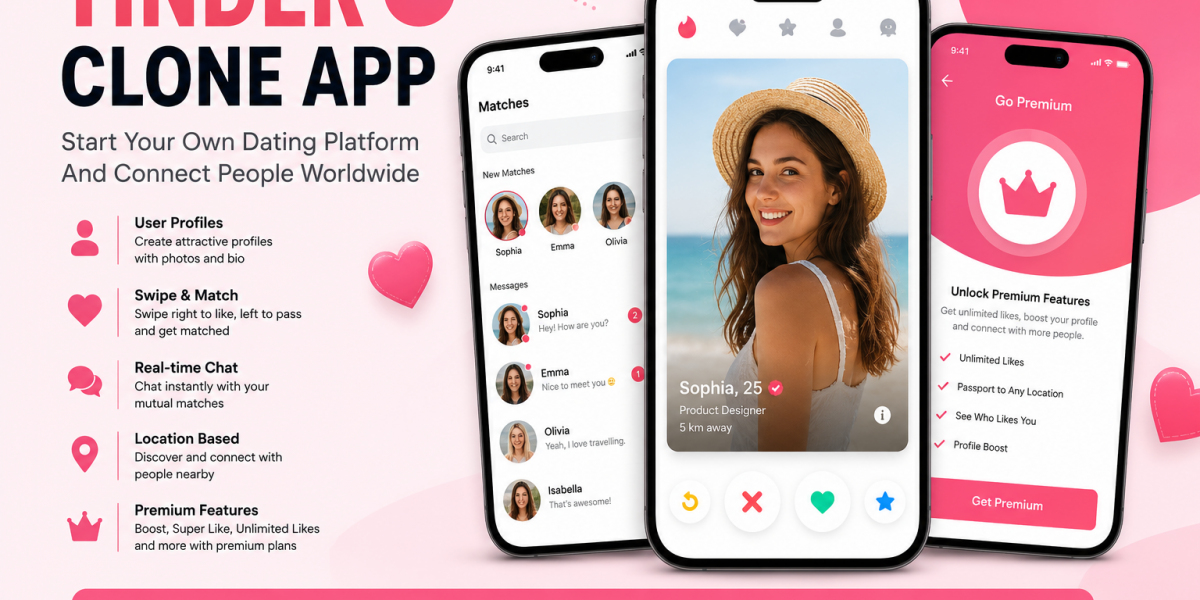 Tinder Clone App Development: Build a Modern Dating Platform That Users Love
Launch your own dating platform with Miracuves' Tinder Clone. Offer swipe-based matching, real-time chat, profile verification, location-based discovery, and premium memberships. Build a scalable dating app with advanced monetization features, complete source code ownership, and a se
-
 Play-to-Earn Gaming: The New Era of Digital Income in Gaming Industry
The gaming industry is undergoing a significant transformation with the rise of the play-to-earn model, which is redefining how players interact with games and derive value from them.
-
 Top 10 Tips to Boost User Engagement on Your Uber Clone
Launch uber clone in your region for high revenue
-
 Cloud Adoption Strategies Guided by DevOps Consulting Companies in India
Leading DevOps consulting company in India offering CI/CD setup, cloud automation, infrastructure scaling, and secure deployment workflows for enterprises.
-
 How Do Indian Teams Manage Mobile App Projects Successfully?
Indian teams excel in managing mobile app projects successfully, and Devherds leverages skilled developers, agile methodologies, and clear communication to deliver high-quality, timely, and scalable app solutions.
-
 Key Services Offered by a Web Development Company in Chennai
We are a website development company in Chennai offering website development services that are fast, mobile-friendly, and built to grow your business online.
-
 No More Compromise Fits — Designer-Level Plus-Size Pants Under ₹3000
Discover Amydus's game-changing Plus Size Pants under ₹3000—no more fit compromises! From tummy shaper high-waist flares to cotton bell bottoms, embrace curves with designer-level style in sizes 2XL-9XL. Comfort, trends, and confidence await.
-
 Why Sitecore SaaS Is Transforming the Future of Sitecore Outsourcing
Discover how Sitecore SaaS and outsourcing redefine digital transformation with scalability, flexibility, and innovation.


