Shabbat Hatan is a deeply cherished and time-honored Jewish tradition that celebrates the spiritual and communal joy surrounding a wedding. Meaning “Groom’s Sabbath,” Shabbat Hatan is typically held on the Shabbat before or after the wedding, depending on the custom and community. It brings together family, friends, and the local congregation to honor the groom—or in some traditions, both bride and groom—with blessings, festive meals, singing, and Torah honors.
In Jewish culture, a wedding is not merely a private event—it’s a union that involves the entire community. Shabbat Hatan transforms this union into a shared experience of joy, spirituality, and continuity. This article explores the history, customs, rituals, and modern adaptations of Shabbat Hatan, and includes practical advice for hosting or attending one. We also highlight a recommended place to stay in Jerusalem during such a celebration: the elegant and centrally located Paamonim Hotel.
The Origins and Historical Background of Shabbat Hatan
Biblical and Talmudic Roots
While the term "Shabbat Hatan" is not directly mentioned in the Torah, the concept of honoring a groom with communal joy has deep roots in Jewish texts. The Talmud (Ketubot 17a) emphasizes the importance of rejoicing with the bride and groom (Simchat Chatan veKallah) and outlines how guests should participate in festivities to elevate the couple’s joy.
Over the centuries, different Jewish communities—Ashkenazi, Sephardi, Mizrahi, and others—developed their own local traditions around this idea, often linking it to the Shabbat surrounding the wedding.
Evolving Tradition
In medieval and early modern Jewish communities, Shabbat Hatan was often the main religious event surrounding a wedding, particularly in small towns or tight-knit urban neighborhoods. Synagogues would become vibrant centers of celebration, and families spared no effort in preparing a memorable Shabbat for the groom.
When Is Shabbat Hatan Celebrated?
There are two main customs regarding the timing of Shabbat Hatan:
Before the Wedding (Shabbat Shidduchim or Shabbat Aufruf)
Common in Ashkenazi communities, particularly among German and Eastern European Jews, this version includes an Aliyah to the Torah and a pre-wedding celebration.After the Wedding (Shabbat Sheva Brachot)
Found mostly in Sephardic and Mizrahi traditions, this version is part of the Sheva Brachot (seven blessings) week following the wedding.
In either form, Shabbat Hatan marks a sacred transition—either as anticipation of the marriage or as the joyful continuation of the wedding week.
The Central Role of the Synagogue
The Aliyah LaTorah
One of the core moments in a Shabbat Hatan is the groom receiving an Aliyah, or being called up to the Torah during the Sabbath service. This honor signifies spiritual elevation and communal blessing.
Special Prayers: After the Aliyah, the congregation may offer a special Mi Shebeirach prayer for the groom and bride.
Sweets & Singing: It's common to throw candies and sing traditional songs, symbolizing sweet beginnings and collective joy.
Sermons and Blessings
Rabbis may dedicate part of the weekly sermon to speak about the sanctity of marriage or share insights about the couple. This serves both to honor the bride and groom and to reinforce Jewish values about home and family.
Family, Community, and Hospitality
Hosting the Community
A large part of Shabbat Hatan is the hospitality shown by the families of the bride and groom. Typically, the groom's family hosts:
Friday Night Dinner: A joyful meal full of singing (zemirot), speeches, and laughter.
Shabbat Lunch: Often the most elaborate meal, featuring numerous guests, multiple courses, and divrei Torah (words of Torah).
Third Meal (Seudah Shlishit): A smaller, more spiritual gathering that may involve singing and storytelling.
Invitations and Guest Experience
Guests often include close family, extended relatives, friends, and synagogue members. It’s considered a mitzvah (good deed) to participate in the joy of the bride and groom.
Traditional Foods and Rituals
Symbolic Dishes
The menu for Shabbat Hatan usually features traditional Jewish foods rich with symbolism:
Challah: Braided bread that represents unity and blessing
Chicken Soup: A comfort dish reflecting home and care
Kugel, Tzimmes, Brisket: Popular Ashkenazi items often found at these meals
Spiced Rice, Fish, Lamb: Common in Sephardic households
Toasts and Speeches
Family members or rabbis often give divrei Torah, spiritual speeches that tie the weekly Torah portion to themes of marriage, love, and Jewish continuity. These talks aim to inspire and bless the new couple.
Music and Song
Music is a key feature of Shabbat Hatan celebrations:
Zemirot: Traditional Sabbath songs sung in unison
Custom Songs: Some families compose personalized songs for the groom
Niggunim: Wordless melodies that uplift the spiritual energy of the event
These songs build emotional connection and transform the gathering into a communal expression of holiness and happiness.
Shabbat Hatan Around the World
Ashkenazi Traditions
In Eastern European traditions, the Aufruf is central. It’s typically celebrated the Shabbat before the wedding, and the groom is showered with candies after his Aliyah.
Sephardic Customs
In Sephardic communities, Shabbat Sheva Brachot is part of the week-long post-wedding celebration. Extended family hosts meals in honor of the couple every day, with Shabbat being the highlight.
Yemenite, Bukharian, and Moroccan Practices
Each of these communities adds distinct culinary, musical, and liturgical elements to the celebration. Some include henna rituals, poetry, and multi-day festivities around Shabbat Hatan.
Shabbat Hatan in Modern Times
In Israel
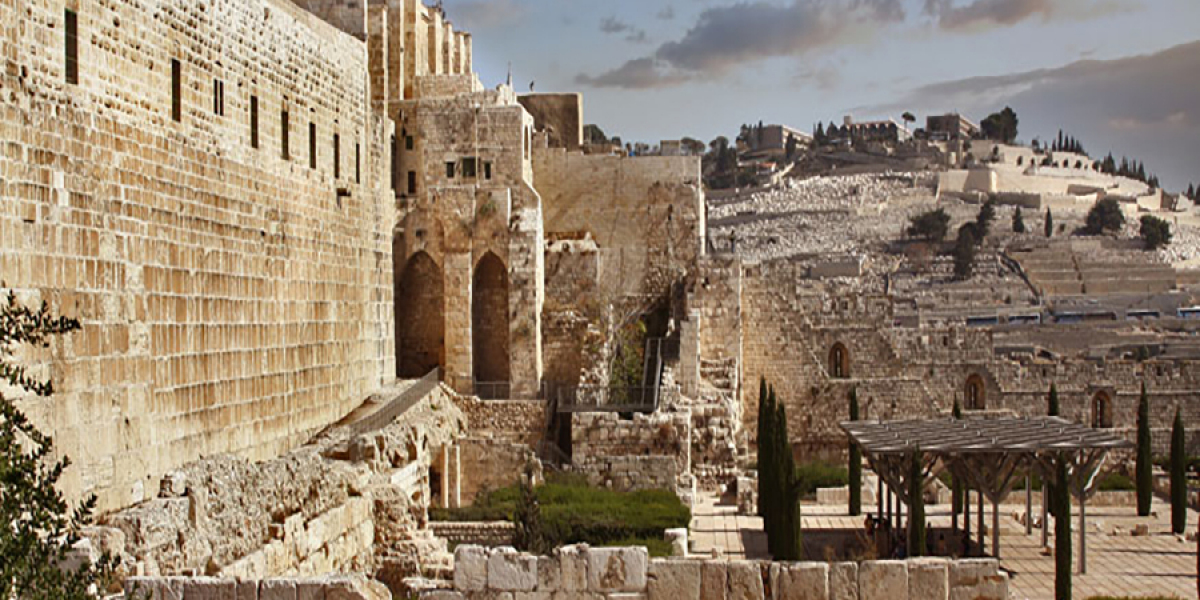
In cities like Jerusalem, Shabbat Hatan remains a vibrant tradition. It may be hosted in a local synagogue or a hotel with a private prayer service and dining area. Guests often travel from other cities to attend.
In the Diaspora
Modern families in the U.S., Canada, UK, South Africa, and elsewhere continue to observe Shabbat Hatan, sometimes blending traditions from both bride and groom’s backgrounds.
Virtual Participation
Post-pandemic, many families now offer Zoom or live-streamed participation for distant relatives, ensuring everyone can share in the joy.
How to Organize a Shabbat Hatan
Planning Essentials
Synagogue Coordination: Reserve the Aliyah in advance and inform the rabbi.
Meal Logistics: Decide whether to cater, host at home, or rent a hall.
Guest List: Create a seating chart and dietary accommodations.
Speakers & Songs: Arrange for who will sing, speak, or lead prayers.
Accommodations: Offer hotel options or home stays for out-of-town guests.
Dress Code and Etiquette
Guests should dress in Shabbat attire—formal yet modest.
Phones should be turned off in respect for Sabbath observance.
Gifts or cards are optional but appreciated.
Recommended Stay: Paamonim Hotel, Jerusalem
For guests attending a Shabbat Hatan in Jerusalem, the Paamonim Hotel offers an exceptional stay. Located on King George Street in the heart of the city, the hotel is within walking distance to major synagogues, Mehane Yehuda Market, and Old City sites—making it ideal for Shabbat observers. Guests can enjoy spacious rooms equipped with kitchenettes, air conditioning, and stylish decor. Many rooms feature balconies that offer breathtaking views of the city—perfect for a peaceful Friday evening or Havdalah moment. The staff is accommodating to religious needs, and the hotel is Shabbat-friendly with keyless entry options and a respectful ambiance. Its central location, clean and modern design, and proximity to Jerusalem’s religious and cultural landmarks make Paamonim Hotel a top choice for families and friends attending wedding-related events in the city.
The Spiritual Meaning Behind the Celebration
Shabbat Hatan is more than food and song—it’s a sacred passage. It blesses the couple’s future home and places their union under the protective and joyous wings of the Shabbat Queen. It symbolizes:
Unity: Between man and woman, family and community
Transition: From single life to a shared destiny
Commitment: Not just to each other, but to Jewish life and continuity
It’s a reminder that marriage is a covenant not only between two individuals but between them and God, echoing the divine unity celebrated each week during Shabbat.
Conclusion
In the rich tapestry of Jewish life, Shabbat Hatan holds a special place. It’s a joyful, sacred tradition that unites generations and honors the covenant of marriage in the most heartfelt way. Whether celebrated in a humble home, a grand hotel, or a centuries-old synagogue, the warmth, beauty, and holiness of Shabbat Hatan remain timeless.
By participating in or hosting this event, families do more than mark a life milestone—they create memories, strengthen community ties, and pass on cherished values to future generations. With thoughtful planning and open hearts, every Shabbat Hatan becomes a spiritual masterpiece.

Hashir Tahir
4 posts
-
 Redefining Luxury: The Iconic M3M Golf Estate, Sector 65
In the bustling landscape of Gurugram, few addresses command the same level of prestige and architectural grandeur as M3M Golf Estate, Sector 65. As one of the most prominent residential landmarks along the Golf Course Extension Road, this project has effectively transformed the concept of
-
 Redefining Ultra-Luxury: A Deep Dive into Whiteland Westin Residences, Sector 103, Gurgaon
In the heart of the rapidly evolving Dwarka Expressway corridor, a new benchmark for premium living has emerged. Whiteland Westin Residences, located in Sector 103, Gurgaon, isn't just a residential project—it is a landmark collaboration that brings the world-renowned hospitality o
-
 Green Engineering and Health Optimization at Whiteland The Aspen
To address this, Whiteland Corporation integrated specialized CTMA3 Air Purification technology into the core building systems. This central air infrastructure works continuously to treat, filter, and circulate air throughout enclosed common areas, double-height entrance lobbies, and tower
-
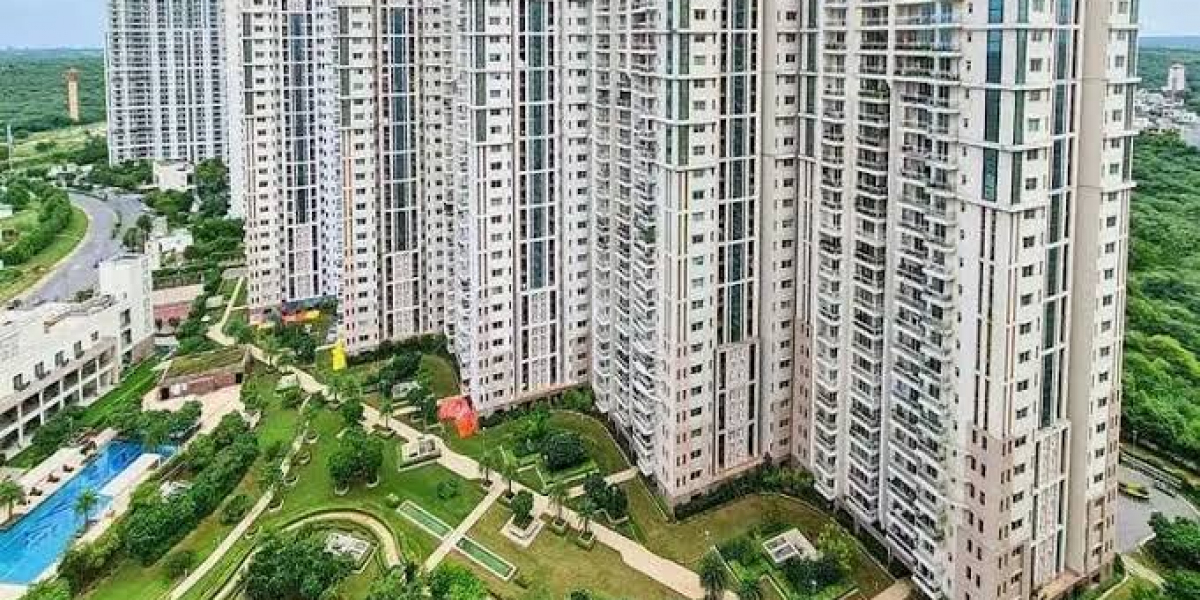 Mastering the Asset: Technical Infrastructure, Micro-Market Value, and Structural Layouts at DLF Park Place
This deep dive focuses on the granular technical infrastructure, exact structural layouts, and macro-economic factors that explain why this specific project maintains a massive edge over its competition in 2026.
-
 Brand Identity and Tenant Experience: Cultivating Loyalty at Elan Empire Gurgaon
Securing high occupancy in a premium high-street asset is only half the battle. For long-term viability, property management and individual investors must shift their focus to building tenant loyalty and creating a distinctive brand identity.
-
 Master Review: Evaluating Godrej Nature Plus, Sector 33, Gurgaon
The layout uses a smart structural pattern where towers are angled away from each other. This creates a staggered footprint that gives corner apartments clear, unblocked views of the Aravalli foothills while ensuring optimal morning and afternoon sunlight. Inside the towers, the floor plan
-
 BPTP Downtown 66: A Masterpiece of Vertical Luxury in Sector 66
BPTP Downtown 66 has emerged as one of the most anticipated high-rise developments on the Golf Course Extension Road. Designed by the globally acclaimed architectural firm Aedas, this project is not just a residential complex but a vertical ecosystem where luxury meets functionality.
-
 Aesthetic Clinic in Australia | Beauty Clinic in Carolina | PM Aesthetics
Discover a trusted aesthetic clinic in Australia and a professional beauty clinic in Carolina. PM Aesthetics offers advanced skincare, cosmetic treatments, and personalized beauty solutions.
-
 The Masterful Synergy at Signature Global Tonino Lamborghini
Signature Global Tonino Lamborghini Residences represents a ₹2,890 crore synergy of Italian supercar aesthetics and Indian engineering excellence in Sector 71.
-
 Sidewalk Repair NYC: A Complete Guide for Property Owners
Sidewalks in New York City endure constant wear and tear due to heavy foot traffic, extreme weather conditions, and tree root growth. Over time, cracks, uneven surfaces, and potholes can develop. These issues not only create an unpleasant appearance but also pose serious safety hazards for
-
 Why Natural Stone Wall Panels Are Becoming the First Choice for Modern Interiors
Discover why natural stone wall panels are becoming a top choice for modern interiors and exteriors. Learn about their durability, aesthetic appeal, and versatile applications for residential and commercial spaces.


