Rise and Fall: Misan Harriman’s Journey from Protest Photographer to Controversial Figure

- Misan Harriman's career transitioned from a City headhunter to an influential photographer and activist.
- He quickly rose in prominence, covering major protests and being chosen by Vogue for its cover shoot.
- Harriman faced backlash over his social media posts, leading to his resignation as chair of the Southbank Centre.
- His rise highlights the complex interplay between class, activism, and public visibility.
Rapid Rise to Fame
Misan Harriman, now 48, has seen a meteoric rise in his career. After working as a City headhunter, he turned to photography and was appointed chair of London's Southbank Centre after gaining recognition for his protest images.
Controversy and Social Media Scrutiny

The controversy began when the Telegraph accused Harriman of sharing a post they deemed a conspiracy theory regarding the Golders Green attack. This accusation, along with other critical articles from various publications, highlighted his controversial social media presence.
Born into Privilege: An Activist's Journey
Harriman's journey is marked by both his privileged background and his activism. Born to a wealthy family in Nigeria, he was educated at boarding schools before moving to London for a career in the City. His mother ensured that he understood the privilege of their family's wealth, instilling in him an awareness of social issues from an early age.
From Protest Photography to Cultural Icon
Harriman became known for his black and white protest photography, capturing iconic moments such as the Black Lives Matter movement, climate protests, and wars in Gaza. His activism was further amplified through daily social media posts where he discussed issues like climate change and the conflict in Gaza.
Resignation as Chair of Southbank Centre
The increasing scrutiny and pressure led to Harriman's decision to step down from his role as chair of the Southbank Centre. In a statement, he said that he would resign rather than seek re-election in autumn 2024, citing internal processes within the organisation.
Source: The Guardian
Culture News
129 posts
-
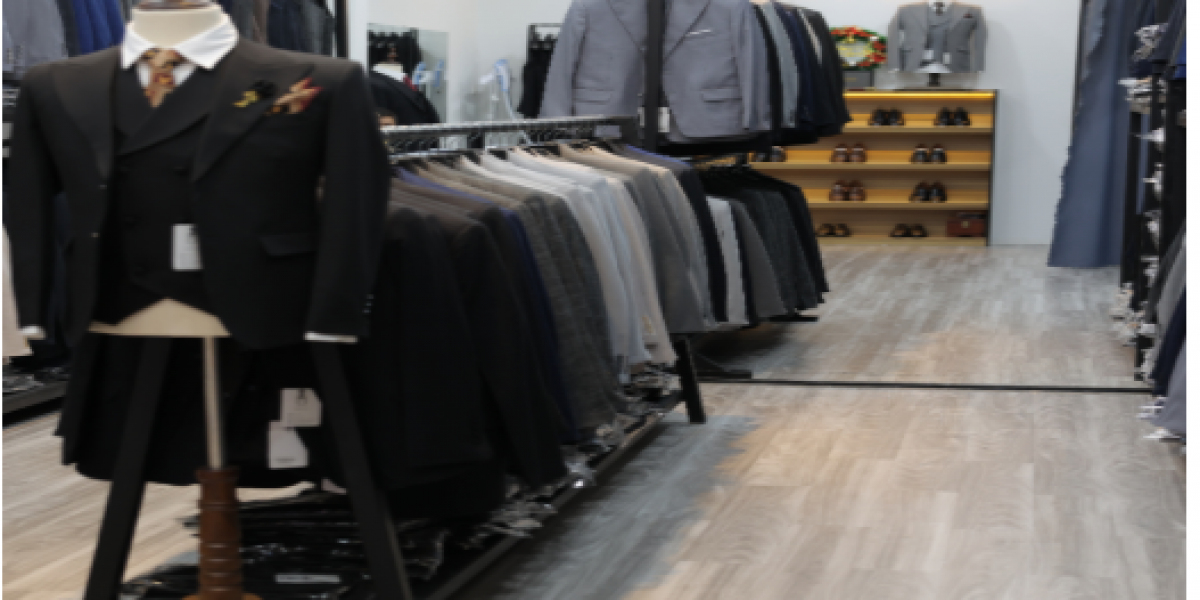 Mỗi vóc dáng cần một cách lựa chọn khác nhau
Các đơn vị chuyên về vest nam tphcm hiện nay thường cung cấp nhiều dòng sản phẩm khác nhau, từ vest công sở, vest dự tiệc đến vest dành cho lễ cưới, giúp khách hàng dễ dàng tìm được mẫu phù hợp với nhu cầu sử dụng. Đồng th
-
 Exploring Victorian Poverty Through an Immersive Workhouse Experience
The Ripon Workhouse Museum has reopened after a major revamp, offering visitors a more immersive experience to explore the harsh realities of Victorian workhouses and their relevance to contemporary issues.
-
 Black Women Opt for Healthcare in South Korea Amid US Disparities
Black American women are increasingly turning to South Korea for comprehensive healthcare due to perceived disparities in U.S. medical treatment.
-
 The Enduring Allure of Homer’s Odyssey: From Ancient Epic to Modern Pop Culture
The Odyssey, an ancient Greek epic, continues to influence contemporary media through various adaptations, from films like Christopher Nolan’s to literary works such as Dante's Inferno and Ulysses. Its themes resonate deeply with modern issues.
-
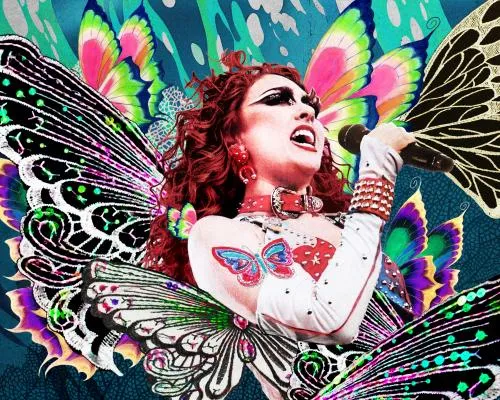 Chappell Roan’s ‘Casual’ Offers Reality Check on Ambiguous Relationships
Chappell Roan's hit song ‘Casual’ helped an individual gain clarity in ambiguous relationships and led to the end of a long-distance situationship.
-
 Christopher Nolan’s Dominance Shaping Blockbuster Battles
Christopher Nolan's dominance in the film industry is reshaping blockbuster battles. His ability to consistently draw large audiences makes him unique among today’s directors.
-
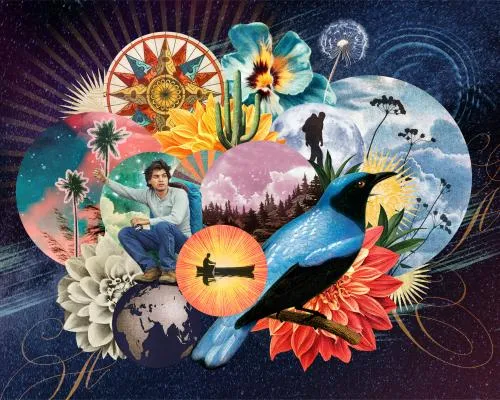 The Quest for Freedom: How a Film Inspired a Journey Through Nature
Morgan da Silva shares how 'Into the Wild' inspired him on his adventures and eventually led him to find inner peace through nature.
-
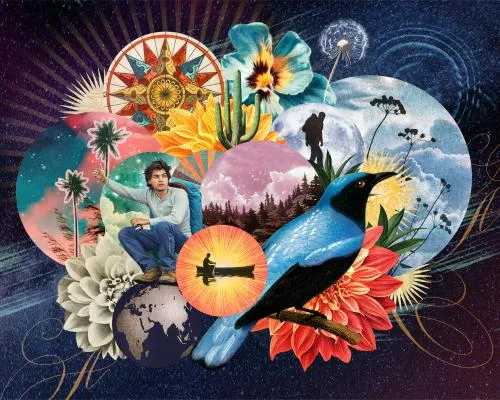 Finding Freedom: A Hiker's Journey from Escapism to Deep Connection
A hiker reflects on how an adventure inspired by Into the Wild led to a deeper understanding of freedom and personal growth.
-
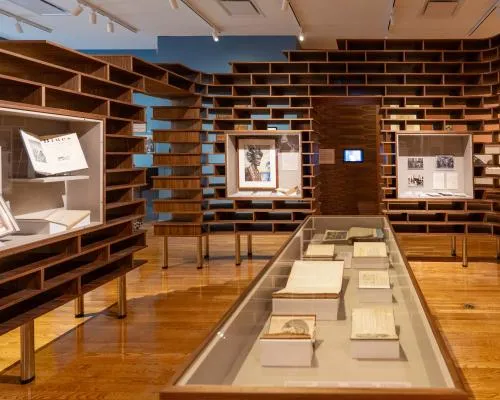 Schomburg Center's Centennial Celebrates Black History and Culture
The Schomburg Center celebrates 100 years of collecting and showcasing Black history with exhibits and digitization projects, focusing on underrepresented artists.
-
 Seth Meyers Criticizes Trump’s Bizarre Priorities on Late Night Show
Seth Meyers on Late Night criticized Donald Trump’s focus on obscure issues like sperm counts and magnets during his presidency.
-
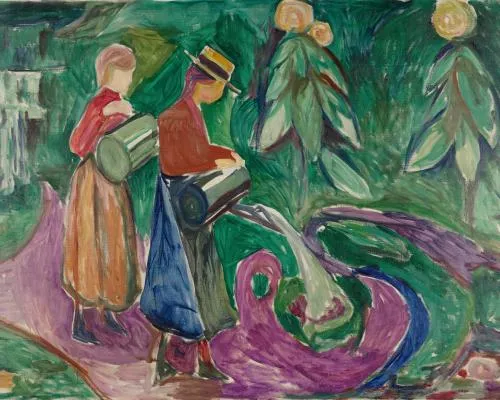 The Art of Advocacy: Exploring Edvard Munch’s Freia Frieze in Oslo
Exhibition examines Edvard Munch’s Freia frieze, revealing hidden intentions behind public art commissioned for a chocolate factory.


