
NPK Fertiliser Latest Price: Trends, Insights, and Market Dynamics
NPK fertilisers—comprising nitrogen (N), phosphorus (P), and potassium (K)—are critical components in modern agriculture. These fertilisers provide essential nutrients that enhance crop yield, improve soil fertility, and support global food security. The prices of NPK Fertiliser Latest Price are highly dynamic, influenced by a combination of raw material costs, supply chain factors, global demand, and geopolitical events. Monitoring and understanding the latest price trends is crucial for farmers, agricultural businesses, and policymakers to ensure sustainable and cost-effective farming practices.
This article provides an in-depth analysis of the factors shaping the latest NPK fertiliser prices, recent trends in the global market, and strategies for stakeholders to manage price volatility.
What Are NPK Fertilisers?
NPK fertilisers are multi-nutrient formulations containing varying ratios of nitrogen (N), phosphorus (P), and potassium (K). Each of these nutrients serves a specific role in plant growth:
- Nitrogen (N): Vital for leaf and stem growth, nitrogen promotes photosynthesis and contributes to higher yields.
- Phosphorus (P): Supports root development, flowering, and fruit production. It also aids in energy transfer within plants.
- Potassium (K): Enhances disease resistance, regulates water absorption, and improves the quality of crops.
NPK fertilisers are available in different blends, tailored to meet the nutritional requirements of specific crops and soil conditions. Popular formulations include NPK 10-10-10, NPK 20-10-10, and NPK 15-15-15, with the numbers representing the percentage of each nutrient in the mixture.
Enquire For Regular Prices: https://www.procurementresource.com/resource-center/npk-price-trends/pricerequest
Factors Influencing NPK Fertiliser Prices
The cost of NPK fertilisers is influenced by a range of factors, from raw material availability to macroeconomic and geopolitical events. Below are the primary determinants:
1. Raw Material Costs
The production of NPK fertilisers relies on several key inputs:
- Ammonia and Urea: Essential for nitrogen-based fertilisers, their prices are tied to natural gas costs, a primary feedstock for ammonia production. Fluctuations in natural gas prices directly impact nitrogen costs.
- Phosphates: Derived from phosphate rock, the cost of phosphatic fertilisers depends on mining activities, global demand, and export policies of major producers such as Morocco, China, and the United States.
- Potash: Extracted from potassium-bearing minerals, potash prices are influenced by supply from leading exporters like Canada, Russia, and Belarus. Geopolitical tensions in these regions can significantly impact availability and cost.
2. Energy Costs
The production and transportation of NPK fertilisers are energy-intensive processes. Rising energy prices, particularly for natural gas and electricity, contribute to higher production costs, which are passed on to consumers.
3. Global Demand and Supply Dynamics

Global demand for NPK fertilisers is driven by:
- Population Growth: Increasing food demand necessitates higher agricultural output, boosting fertiliser consumption.
- Crop Patterns: Seasonal changes and shifts in crop preferences influence the demand for specific NPK blends.
- Government Policies: Subsidies, import/export restrictions, and support programmes for farmers directly affect fertiliser affordability and demand.
On the supply side, production capacity, export policies, and supply chain disruptions play a crucial role in determining availability and prices.
4. Geopolitical Events
Geopolitical tensions, trade restrictions, and sanctions can disrupt the global supply chain for fertiliser components. For example, the ongoing conflict between Russia and Ukraine has significantly impacted the potash and natural gas markets, leading to higher fertiliser costs worldwide.
5. Exchange Rates and Freight Costs
NPK fertiliser prices are sensitive to currency fluctuations, particularly in countries that rely on imports. Additionally, rising freight and logistics costs, including shipping delays and container shortages, have contributed to price increases.
Recent Trends in NPK Fertiliser Prices
1. Price Surge Post-Pandemic
The COVID-19 pandemic disrupted global supply chains, leading to reduced production and delayed shipments of fertilisers. As economies recovered, demand surged, outpacing supply and driving up prices.
2. Impact of the Russia-Ukraine Conflict
Russia and Belarus are among the largest exporters of potash and nitrogen-based fertilisers. The conflict in this region has caused significant supply disruptions, pushing up global fertiliser prices. Countries heavily reliant on imports from these regions have faced sharp price hikes.
3. Rising Natural Gas Prices
Natural gas prices have soared in recent years due to increased energy demand, supply constraints, and geopolitical tensions. This has directly impacted the cost of nitrogen-based fertilisers, a key component of NPK formulations.
4. Regional Price Disparities
While fertiliser prices have increased globally, the extent of price hikes varies by region. Factors such as domestic production capacity, subsidies, and trade policies have created price disparities:
- Asia-Pacific: Prices remain relatively high due to reliance on imports and growing agricultural demand.
- North America: While domestic production has helped mitigate price spikes, rising energy costs have kept prices elevated.
- Europe: The region has faced some of the highest price increases due to its dependence on imported natural gas and fertilisers.
NPK Fertiliser Latest Prices by Region
Asia-Pacific
The Asia-Pacific region, home to major agricultural economies like India, China, and Indonesia, continues to experience high fertiliser prices. In India, government subsidies on NPK fertilisers have helped cushion farmers from rising costs, though international price hikes still pose challenges.
North America
In North America, domestic production of fertilisers has provided some stability. However, farmers are still grappling with elevated input costs, particularly for nitrogen-based products.
Europe
Europe has seen sharp increases in fertiliser prices due to its reliance on imported natural gas. Many European governments are exploring alternative strategies, such as subsidising fertiliser costs and promoting sustainable farming practices.
Africa and Middle East
In Africa, limited access to affordable fertilisers remains a significant challenge, exacerbated by high import costs and limited local production. The Middle East, with its abundant natural gas resources, is better positioned to produce nitrogen-based fertilisers, though it remains reliant on imports for phosphate and potash.
Managing NPK Fertiliser Price Volatility
Price volatility in the fertiliser market poses significant challenges for farmers and agricultural businesses. The following strategies can help mitigate the impact of rising costs:
1. Diversifying Suppliers
Establishing relationships with multiple suppliers can reduce dependence on a single source and provide more options during supply disruptions.
2. Adopting Precision Agriculture
Precision agriculture techniques optimise fertiliser usage by applying nutrients based on specific crop and soil requirements. This reduces waste and lowers input costs.
3. Government Support
Governments can play a crucial role by offering subsidies, ensuring timely distribution, and investing in domestic production capacities to reduce reliance on imports.
4. Promoting Sustainable Alternatives
Exploring alternatives such as organic fertilisers, biofertilisers, and compost can help reduce dependency on chemical fertilisers over time.
5. Monitoring Market Trends
Staying informed about global market trends and price forecasts enables stakeholders to make better procurement decisions and plan for potential price fluctuations.
Future Outlook for NPK Fertiliser Prices
The outlook for NPK fertiliser prices will depend on several key factors:
- Global Energy Markets: The trajectory of natural gas prices will significantly influence nitrogen-based fertiliser costs.
- Geopolitical Stability: Resolution of conflicts in major fertiliser-exporting regions could stabilise supply chains and reduce price pressures.
- Sustainability Initiatives: The global push for sustainable farming practices may lead to increased adoption of alternatives, gradually reducing dependence on traditional fertilisers.
- Technological Advancements: Innovations in fertiliser production and application technologies could improve efficiency and lower costs in the long run.
The latest prices of NPK fertilisers reflect the complex interplay of raw material costs, energy prices, global demand, and geopolitical factors. As these dynamics continue to evolve, it is essential for stakeholders in the agricultural sector to adopt strategies that ensure resilience and sustainability. By diversifying supply chains, embracing technology, and advocating for government support, businesses and farmers can navigate the challenges of a volatile fertiliser market while maintaining productivity and profitability.
Contact Us:
Company Name: Procurement Resource
Contact Person: Leo Frank
Email: [email protected]
Toll-Free Numbers:
- USA & Canada: +1 307 363 1045
- UK: +44 7537171117
- Asia-Pacific (APAC): +91 1203185500
Address: 30 North Gould Street, Sheridan, WY 82801, USA
leo frank
10 posts
-
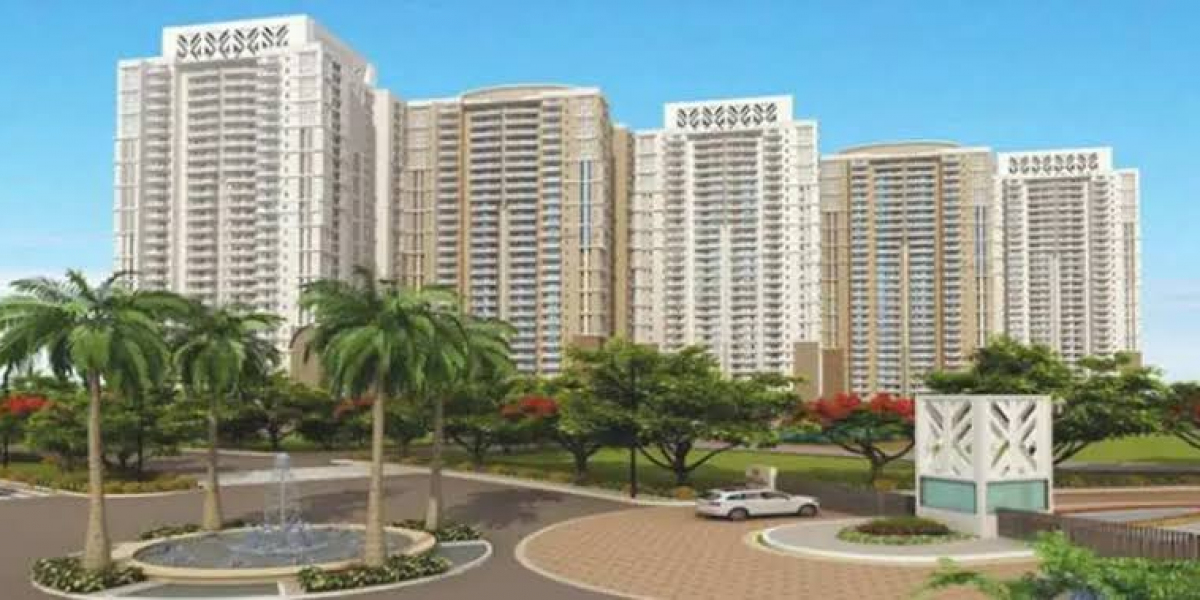
The Timeless Appeal of DLF Park Place Sector 54 Gurgaon: A Living LegacyLiving at DLF Park Place Sector 54 Gurgaon means becoming part of an established, sophisticated, and close-knit neighborhood. The clubhouse acts as the center of social activity, hosting everything from fitness sessions and sporting events to community gatherings.
-
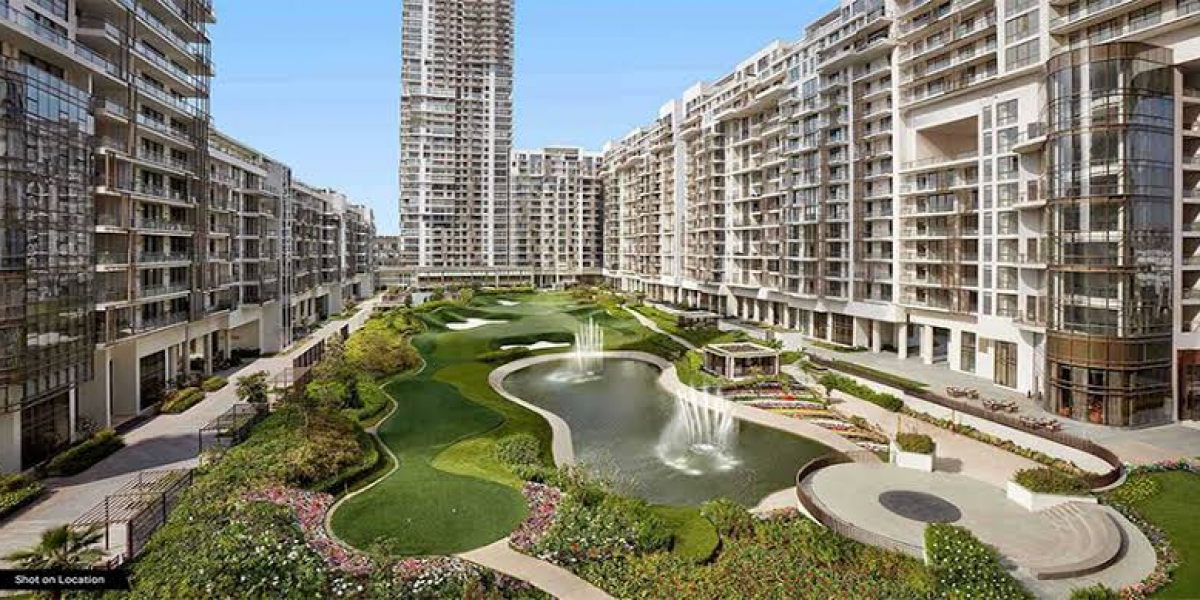
Redefining Luxury: The Iconic M3M Golf Estate, Sector 65In the bustling landscape of Gurugram, few addresses command the same level of prestige and architectural grandeur as M3M Golf Estate, Sector 65. As one of the most prominent residential landmarks along the Golf Course Extension Road, this project has effectively transformed the concept of
-
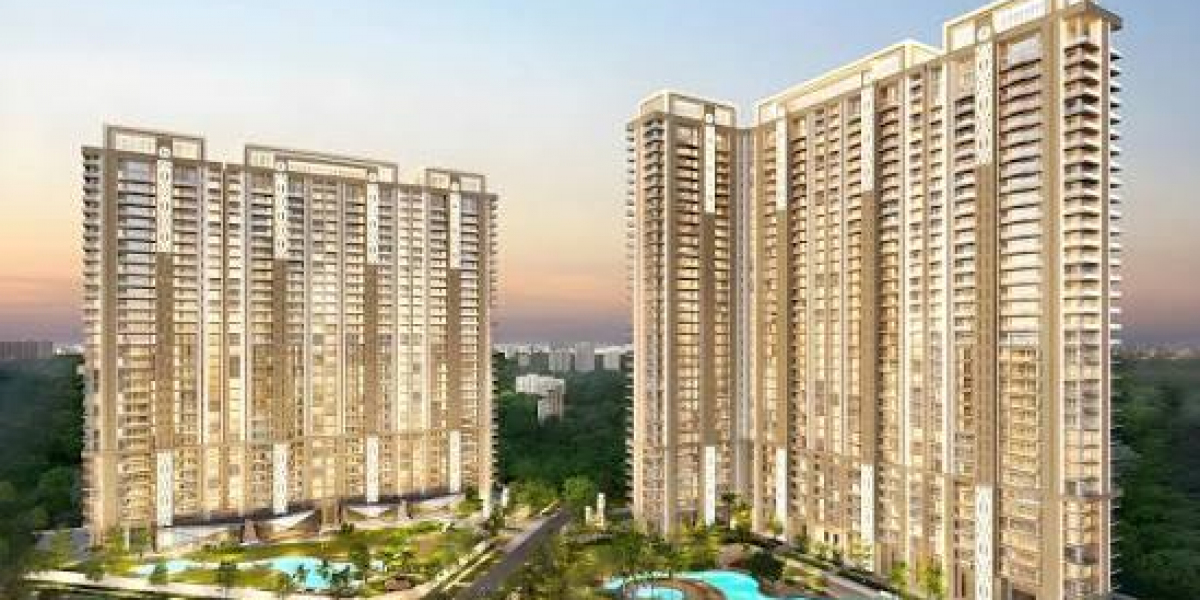
Redefining Ultra-Luxury: A Deep Dive into Whiteland Westin Residences, Sector 103, GurgaonIn the heart of the rapidly evolving Dwarka Expressway corridor, a new benchmark for premium living has emerged. Whiteland Westin Residences, located in Sector 103, Gurgaon, isn't just a residential project—it is a landmark collaboration that brings the world-renowned hospitality o
-

Green Engineering and Health Optimization at Whiteland The AspenTo address this, Whiteland Corporation integrated specialized CTMA3 Air Purification technology into the core building systems. This central air infrastructure works continuously to treat, filter, and circulate air throughout enclosed common areas, double-height entrance lobbies, and tower
-
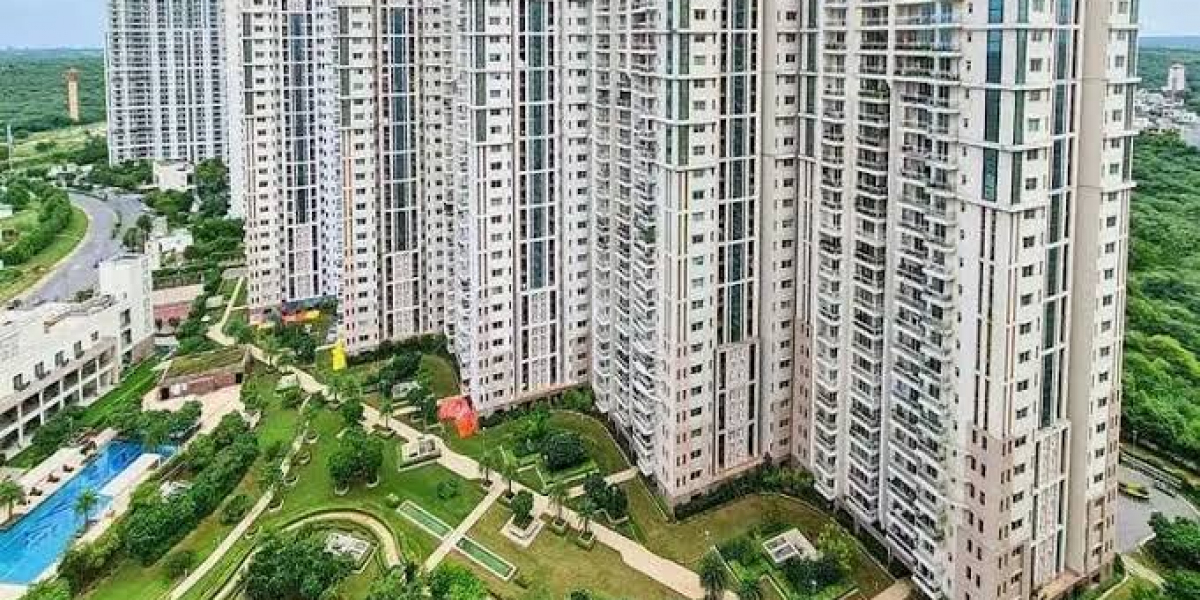
Mastering the Asset: Technical Infrastructure, Micro-Market Value, and Structural Layouts at DLF Park PlaceThis deep dive focuses on the granular technical infrastructure, exact structural layouts, and macro-economic factors that explain why this specific project maintains a massive edge over its competition in 2026.
-
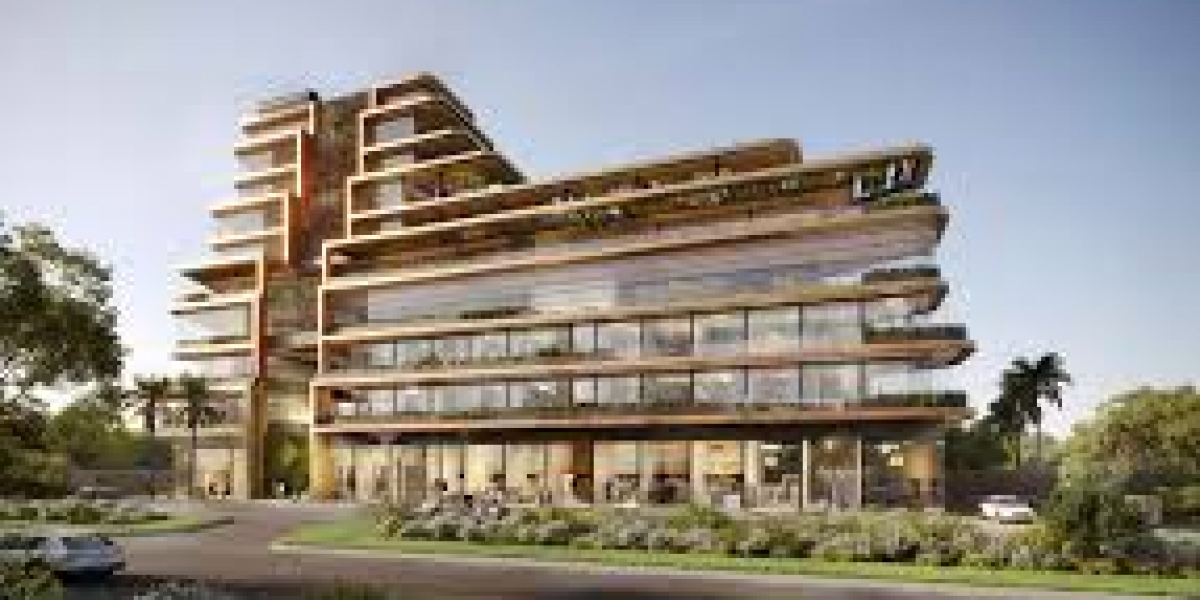
Brand Identity and Tenant Experience: Cultivating Loyalty at Elan Empire GurgaonSecuring high occupancy in a premium high-street asset is only half the battle. For long-term viability, property management and individual investors must shift their focus to building tenant loyalty and creating a distinctive brand identity.
-

Master Review: Evaluating Godrej Nature Plus, Sector 33, GurgaonThe layout uses a smart structural pattern where towers are angled away from each other. This creates a staggered footprint that gives corner apartments clear, unblocked views of the Aravalli foothills while ensuring optimal morning and afternoon sunlight. Inside the towers, the floor plan
-
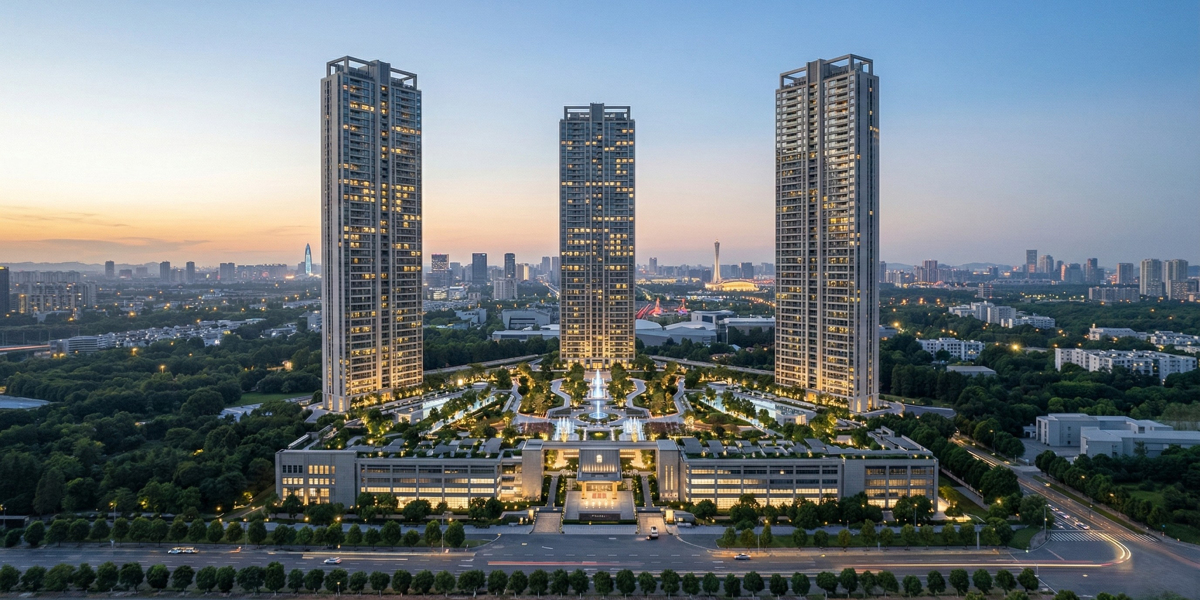
BPTP Downtown 66: A Masterpiece of Vertical Luxury in Sector 66BPTP Downtown 66 has emerged as one of the most anticipated high-rise developments on the Golf Course Extension Road. Designed by the globally acclaimed architectural firm Aedas, this project is not just a residential complex but a vertical ecosystem where luxury meets functionality.
-

Aesthetic Clinic in Australia | Beauty Clinic in Carolina | PM AestheticsDiscover a trusted aesthetic clinic in Australia and a professional beauty clinic in Carolina. PM Aesthetics offers advanced skincare, cosmetic treatments, and personalized beauty solutions.
-

The Masterful Synergy at Signature Global Tonino LamborghiniSignature Global Tonino Lamborghini Residences represents a ₹2,890 crore synergy of Italian supercar aesthetics and Indian engineering excellence in Sector 71.
-

Sidewalk Repair NYC: A Complete Guide for Property OwnersSidewalks in New York City endure constant wear and tear due to heavy foot traffic, extreme weather conditions, and tree root growth. Over time, cracks, uneven surfaces, and potholes can develop. These issues not only create an unpleasant appearance but also pose serious safety hazards for


