- Democrats in Michigan hold key Senate primary between progressive Abdul El-Sayed and moderate Haley Stevens.
- The race is part of a broader struggle within the party over its future direction.
- Over $40 million has been spent on the campaign, including by pro-Israel groups supporting one candidate.
Key Candidates
The Democratic party faces a crucial test of its direction today as voters in the midwestern swing state of Michigan decide whether to nominate for US Senate a progressive candidate advocating for universal healthcare or an-establishment-backed moderate. The state’s Democratic primary is part of a larger trend where left-leaning candidates are surging in Democratic primaries across the country, signaling a potential shift towards more progressive policies and governance.
Progressive Candidate Abdul El-Sayed
Abdul El-Sayed, a 41-year-old former public health official, has led recent polls against his moderate rival, US representative Haley Stevens. El-Sayed's background includes significant support from Bernie Sanders, the renowned progressive senator, who has been actively campaigning for him in Michigan and other key states.
Moderate Candidate Haley Stevens
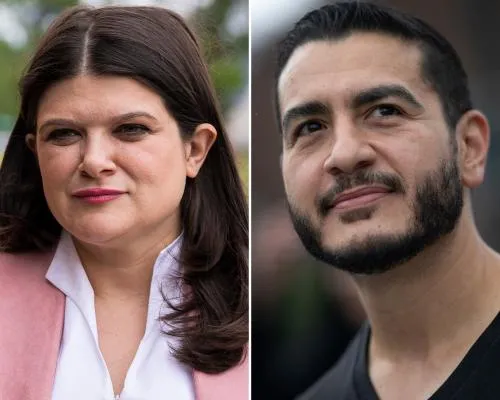
Haley Stevens, a 43-year-old moderate incumbent, first came to Congress after flipping a red seat. She is backed by significant financial contributions from various sources, including pro-Israel groups like the American Israel Public Affairs Committee (AIPAC), which has poured more than $40 million into the race.
External Spending and Political Battles
The race is not just about the candidates but also about the funding that backs them. More than $40 million in outside spending has come into the race to support Stevens or attack El-Sayed, including from groups associated with AIPAC. This external spending reflects the broader political battles within the party and beyond, as progressive candidates seek to gain momentum against more establishment-backed incumbents.
The Broader Context
Michigan’s primary is part of a larger trend where left-leaning candidates are surging in Democratic primaries across the country. With Democrats aiming to regain control of the US Senate, securing this seat is critical for their strategy. Other states with primaries on the same day include Missouri and Washington, each facing unique challenges and opportunities.
Other Primaries Across the Country
In Missouri, voters will weigh whether to nominate former US representative Cori Bush, who is running to return to the chamber against Wesley Bell in a race punctuated by the war in Gaza and outside spending by pro-Israel groups. In Washington state, voters will decide which two candidates to elevate in the third congressional district, where blue-dog Democratic representative Marie Gluesenkamp Perez is seeking re-election amid challengers from both sides of the aisle.
Implications for National Politics
The outcome of these primaries will not only shape the future of the Democratic Party but also influence national politics. As voters choose between progressive and establishment candidates, they are signaling their preferences for where the party should go in the next electoral cycle. The stakes are high as Democrats seek to counter Republican majorities both in the Senate and Congress.
Concluding Paragraph
The primary elections across these states represent a critical juncture in American politics, with progressive forces seeking to challenge and reshape the direction of their party. The results from Michigan, Missouri, and Washington will provide key insights into how Democrats are positioning themselves for the upcoming midterms and beyond, as they seek to retake control of Congress and shape the national agenda.
Source: The Guardian

World News Today
587 posts
-
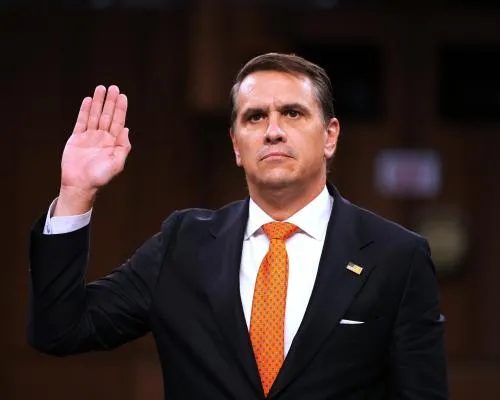 US Senate Advances Nomination of Todd Blanche Amid Controversy
The US Senate judiciary committee advances Todd Blanche's nomination for attorney general despite reservations and concerns over a $1.8 billion fund. Meanwhile, Tarrant County proposes cutting polling locations, sparking criticism of potential voter suppression.
-
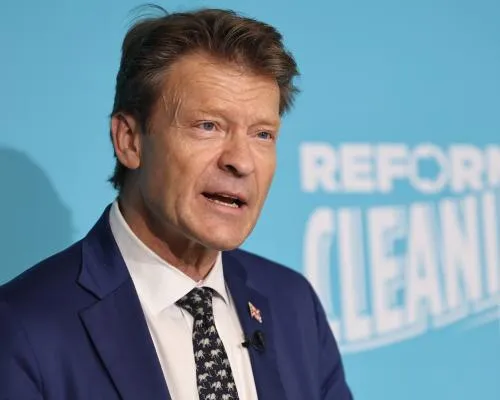 Standards Watchdog Opens Investigation Into Reform UK Deputy Leader
Parliament’s standards watchdog investigates Reform UK deputy leader Richard Tice over a possible failure to declare an interest during a debate. Ongoing investigations into the party include police probes and allegations of tax evasion.
-
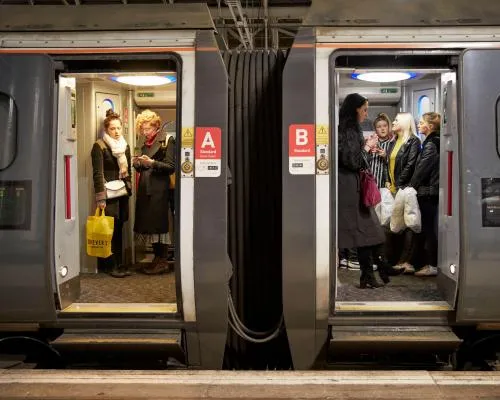 Crowded Commutes: The Reality of England’s Busiest Train Service
The 5.46pm train from London Euston to Crewe is England's busiest commuter-only route, facing frequent overcrowding and discomfort for passengers.
-
 UK Army's New Training Simulation: A Virtual Reality Approach
UK's Skyral, part of a £2bn MoD contract, uses advanced virtual simulations to train soldiers on complex battlefield decisions.
-
 Border Wall Construction Ordered to Cease Drilling Wells Due to Water Concerns in New Mexico
Construction crews building a border wall in New Mexico were ordered to stop drilling new wells due to concerns over groundwater depletion, as ranchers fear this could threaten their livestock and water supply amid a severe drought.
-
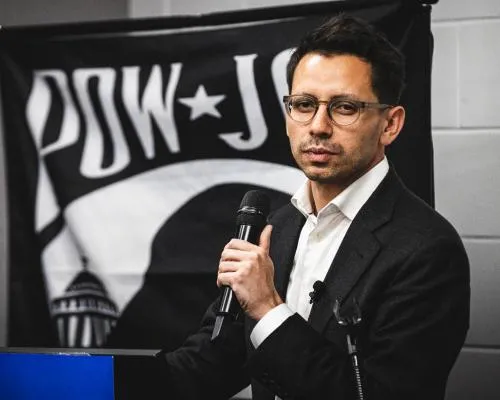 Florida Governor’s Race Candidate Accused of Failing to Pay Scholarship Winner
Florida gubernatorial candidate James Fishback is accused by high school debate winner Briana Whatley of not fulfilling a scholarship promise worth $8,000.
-
 Construction Halted as Border Wall Crews Drilled Unauthorized Wells in New Mexico
Construction crews building a border wall in New Mexico were ordered to stop drilling unauthorized wells after local ranchers reported potential threats to water supplies amid drought conditions.
-
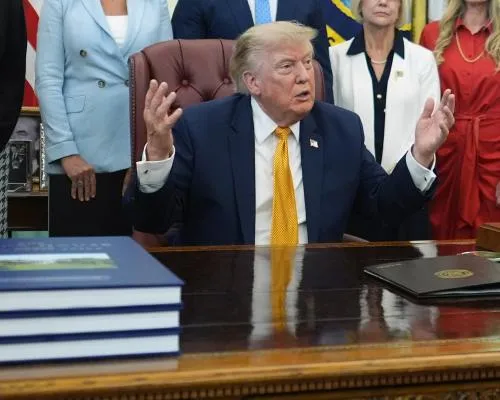 Key Developments in Trump Administration Amid Various Controversies
This article highlights key events in the second term of President Donald Trump’s administration, including domestic abuse allegations, government funding debates, confirmation battles for officials, and legal challenges against new tariffs.
-
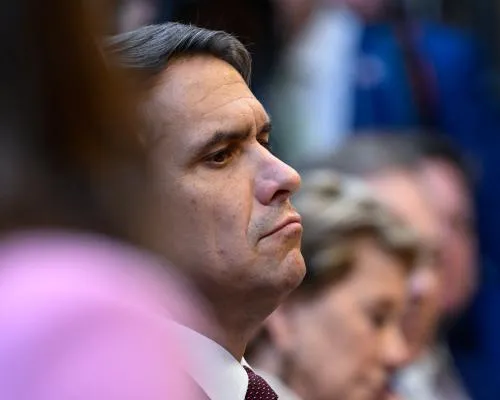 Compromise Deal on Weaponization Fund Raises Concerns Among Critics
Critics argue that Todd Blanche’s deal with Republican senators weakens protections against future issues related to Trump’s slush fund and tax immunity.
-
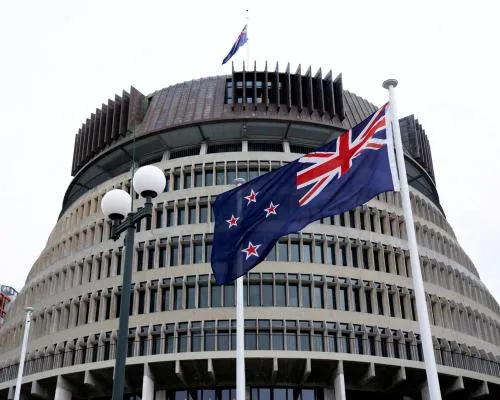 New Zealand Lawmaking on Official Language Status Sparks Debate
New Zealand has officially recognized English as an official language alongside Māori and sign language, despite widespread criticism from experts who see it as a redundant move.


