- Skyral, part of a £2bn MoD contract consortium, aims to train British soldiers using complex virtual environments.
- The technology allows for the recreation of cities and entire countries, focusing on second-order consequences like population behavior.
- Simulations are seen as cheaper and easier than live combat drills but raise questions about their accuracy and transferability.
- Other companies, such as Power Size Technologies, are also developing digital twin technologies to aid in military decision-making.
Introduction
In Riga, Latvia, a virtual convoy drives down streets lined with model shops and pharmacies, facing explosions that are part of a simulation designed by Skyral. This is not just any video game; it's a sophisticated training tool for the British army. As part of a £2bn contract from the Ministry of Defence (MoD), Skyral aims to revolutionize military training through immersive virtual environments.

Virtual Training in Detail
Skyral's approach is unique, as it goes beyond simple combat scenarios to simulate complex urban and battlefield conditions. The company builds detailed models of cities and countries, enabling soldiers to make decisions that consider the broader impact on infrastructure and civilian behavior.
Comparison with Traditional Methods
While traditional training methods like live combat drills are effective, they come with high costs and logistical challenges. Simulations offer a more cost-effective solution, allowing for repeated training scenarios without the risks or financial outlay of real-world exercises. However, critics question whether these virtual environments can fully replicate real-world conditions.
Other Companies in the Field
The idea of using digital twins isn't new; companies are working on similar projects for the military. Their focus is on modeling energy systems to assist in decisions regarding equipment electrification and logistics. This highlights the growing trend within the defense sector towards leveraging advanced technologies for training and operational planning.
Conclusion
The adoption of sophisticated virtual simulations by the British army signals a significant shift in how military training is conducted. While these tools offer clear advantages, they also face challenges related to accuracy and practical application. As technology continues to evolve, it will be crucial for militaries to find effective ways to integrate such innovations into their training regimens.
Source: The Guardian

Uk News Feed
362 posts
-
 US Senate Advances Nomination of Todd Blanche Amid Controversy
The US Senate judiciary committee advances Todd Blanche's nomination for attorney general despite reservations and concerns over a $1.8 billion fund. Meanwhile, Tarrant County proposes cutting polling locations, sparking criticism of potential voter suppression.
-
 Standards Watchdog Opens Investigation Into Reform UK Deputy Leader
Parliament’s standards watchdog investigates Reform UK deputy leader Richard Tice over a possible failure to declare an interest during a debate. Ongoing investigations into the party include police probes and allegations of tax evasion.
-
 Crowded Commutes: The Reality of England’s Busiest Train Service
The 5.46pm train from London Euston to Crewe is England's busiest commuter-only route, facing frequent overcrowding and discomfort for passengers.
-
 Michigan Primary Highlights Democrats’ Internal Strife
Michigan's Democratic primary highlights the internal strife within the party over its future direction, with significant external spending and support from groups like AIPAC.
-
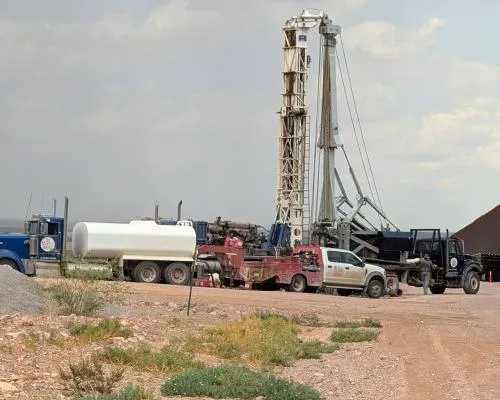 Border Wall Construction Ordered to Cease Drilling Wells Due to Water Concerns in New Mexico
Construction crews building a border wall in New Mexico were ordered to stop drilling new wells due to concerns over groundwater depletion, as ranchers fear this could threaten their livestock and water supply amid a severe drought.
-
 Florida Governor’s Race Candidate Accused of Failing to Pay Scholarship Winner
Florida gubernatorial candidate James Fishback is accused by high school debate winner Briana Whatley of not fulfilling a scholarship promise worth $8,000.
-
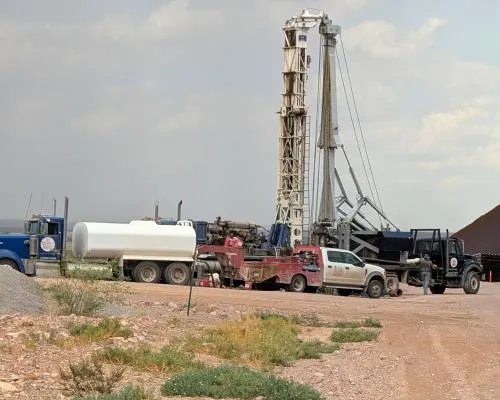 Construction Halted as Border Wall Crews Drilled Unauthorized Wells in New Mexico
Construction crews building a border wall in New Mexico were ordered to stop drilling unauthorized wells after local ranchers reported potential threats to water supplies amid drought conditions.
-
 Key Developments in Trump Administration Amid Various Controversies
This article highlights key events in the second term of President Donald Trump’s administration, including domestic abuse allegations, government funding debates, confirmation battles for officials, and legal challenges against new tariffs.
-
 Compromise Deal on Weaponization Fund Raises Concerns Among Critics
Critics argue that Todd Blanche’s deal with Republican senators weakens protections against future issues related to Trump’s slush fund and tax immunity.
-
 New Zealand Lawmaking on Official Language Status Sparks Debate
New Zealand has officially recognized English as an official language alongside Māori and sign language, despite widespread criticism from experts who see it as a redundant move.


