- Defense attorneys argue that prosecutors coerced Karmelo Anthony into waiving his right to testify.
- Anthony was sentenced to 35 years in prison for the fatal stabbing of Austin Metcalf at a track meet.
- The defense claims their client's constitutional rights were violated during the trial.
Key Developments in Karmelo Anthony’s Case
Karmelo Anthony, who was 19 years old when he was convicted of murder for killing Austin Metcalf at a track meet in 2025, is now seeking a new trial. His legal team believes that prosecutors coerced him into waiving his right to testify during the initial proceedings. In a Tuesday motion, Anthony’s defense attorneys argued that their client’s conviction should be overturned because of multiple violations, including coercing him to waive his right to testify and improperly allowing character-related evidence.According to the defense team’s court filing, the two sides reached an agreement after several off-the-record calls. This agreement stipulated that their cases would be built “based only on what happened under the tent that day,” avoiding any discussion about extraneous conduct or character evidence regarding either Metcalf or Anthony's characters and reputations. The lawyers said they did not further question students on the stand about recorded statements to police regarding Metcalf’s alleged temperament, as per this agreement.
On the final day of evidence, prosecutors said a detail about their client playing chess in the opening statement “opened the door” to character-related evidence. Anthony opted not to testify due to a court advisory that his testimony would “almost certainly open” the door to the “extraneous-offence evidence.” This decision further complicated the case for Anthony’s defense team, as they claimed it undermined their initial strategy of focusing solely on the events of the day in question.
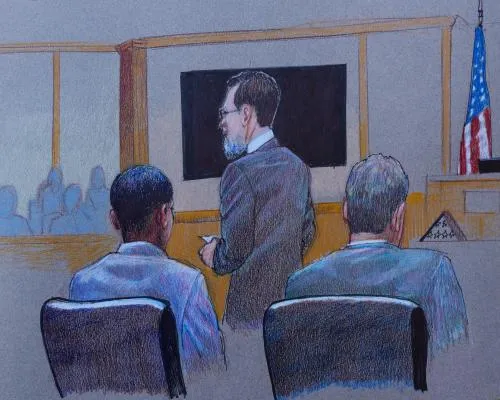
In addition to the waiver issue, Anthony’s defense team claims that their client’s constitutional right to a public trial was violated due to restrictions on media access. They also argue that jury instructions were improperly given in a way that may have affected the verdict. The Collin County district attorney did not respond to requests for comment regarding these allegations.
The case, which garnered national attention and debates over racial dimensions, involved accusations from far-right groups, including a ban on one of their leaders from entering Texas following threats against Anthony. Jake Lang, a prominent figure in the group Protect White Americans, staged protests in Frisco, touting racist narratives about how the episode was emblematic of a “violent Black culture.”
After a jury handed down the 35-year prison sentence, the county district attorney said “justice was served” at a news conference, standing alongside the Metcalf family. The deadly encounter, which occurred in Frisco, a suburb 28 miles (45km) north of Dallas, drew national attention and stoked online debate over the perceived racial dimensions – Anthony is Black, Metcalf was white – particularly among conservative media.
During jury selection, the case once again generated attention after three African-American individuals were struck from the jury. Prosecutors denied the move was related to race and said it had to do with their background as educators. However, this decision only added to the controversy surrounding the trial, raising further questions about potential racial bias in the legal proceedings.
The case has not only been a significant event in local criminal justice but also sparked broader discussions on racial equity within the judicial system and the impact of media narratives on public perception. As Anthony’s legal battle continues, it remains to be seen how these allegations will shape future legal strategies and perceptions of racial bias in court proceedings.
Source: The Guardian

World News Today
505 posts
-
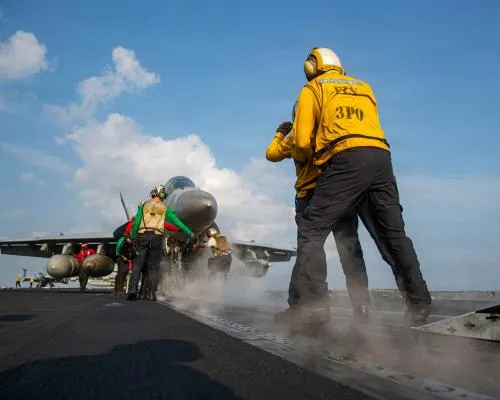 US Strikes Iran in Retaliation; Tensions Escalate Amid War of Words
US strikes on Iranian targets after ship bombings; Iran vows retaliation amid rising tensions.
-
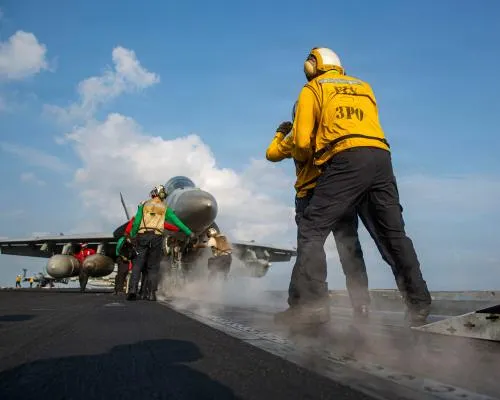 US Military Launches New Strikes in Iran as Trump Warns of Further Retaliation
The United States launches new military strikes against Iran following attacks on commercial vessels in the Strait of Hormuz. Regional leaders urge restraint as tensions rise.
-
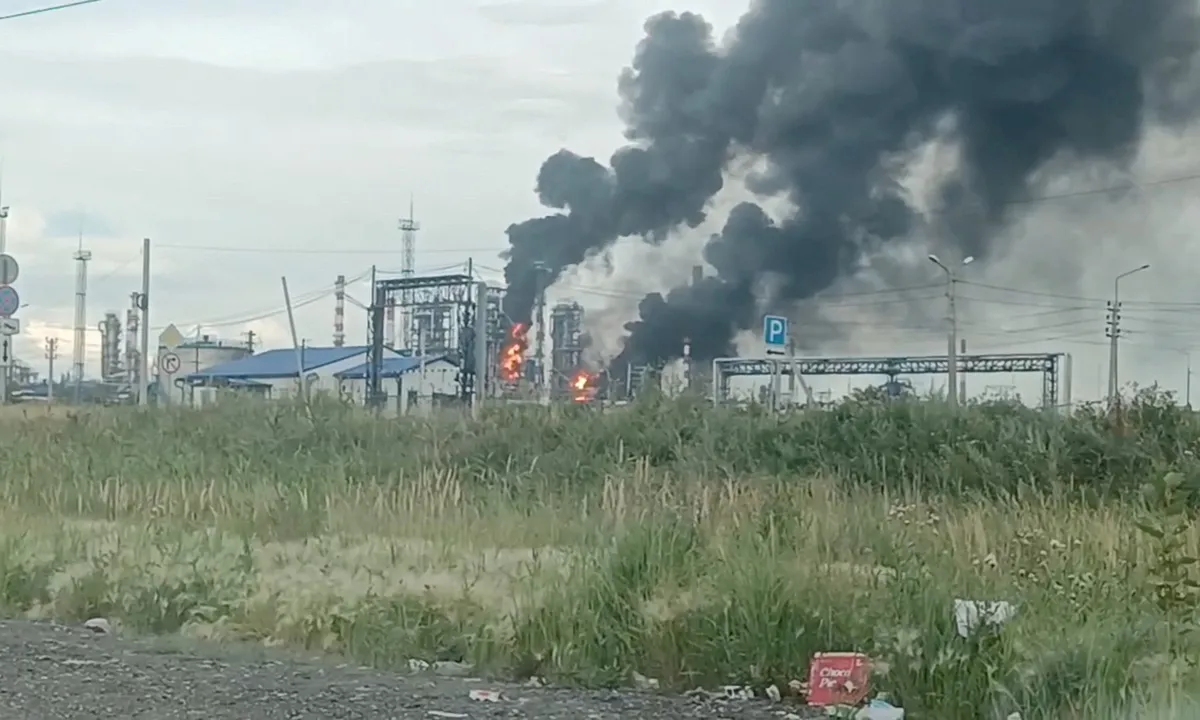 Ukraine tập kích nhà máy lọc dầu Nga qua biên giới, mở rộng chiến dịch không gian
Ukraine tiếp tục mở rộng chiến dịch tấn công trên không, sử dụng UAV tầm xa mới để tập kích mục tiêu tại Siberia và Azov.
-
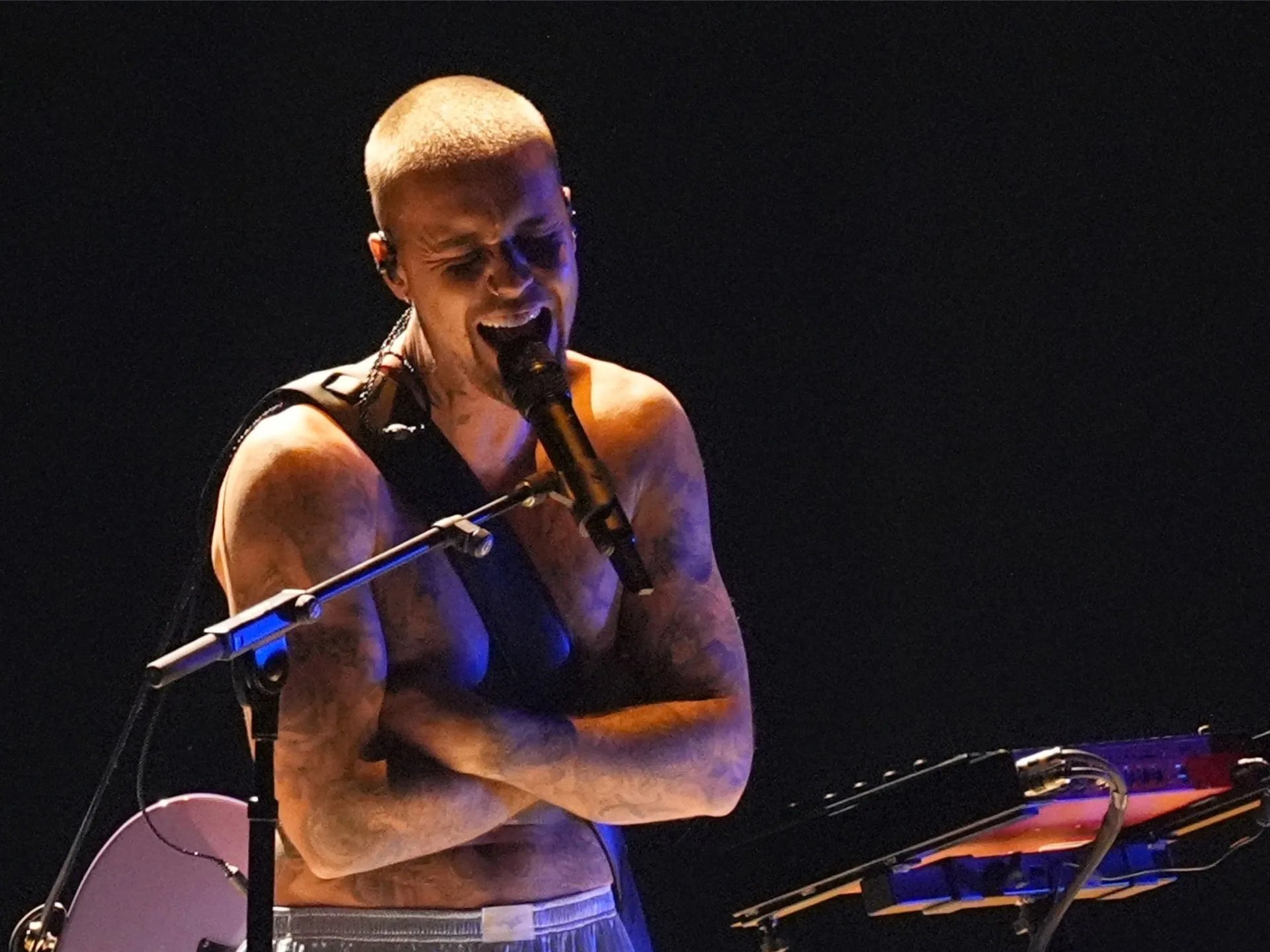 Celebrities set to headline World Cup final halftime show
Famous artists to perform at World Cup final halftime show, with millions predicted to watch.
-
 Landslide Tragedy Claims Eight Lives at Girls' School in Bangladesh
Landslide caused by heavy monsoon rains kills eight at a girls' school near the coast in Bangladesh.
-
 US Conducts Strikes Against Iranian Military Boats
US launches retaliatory strikes after attacks on oil tankers in Strait of Hormuz.
-
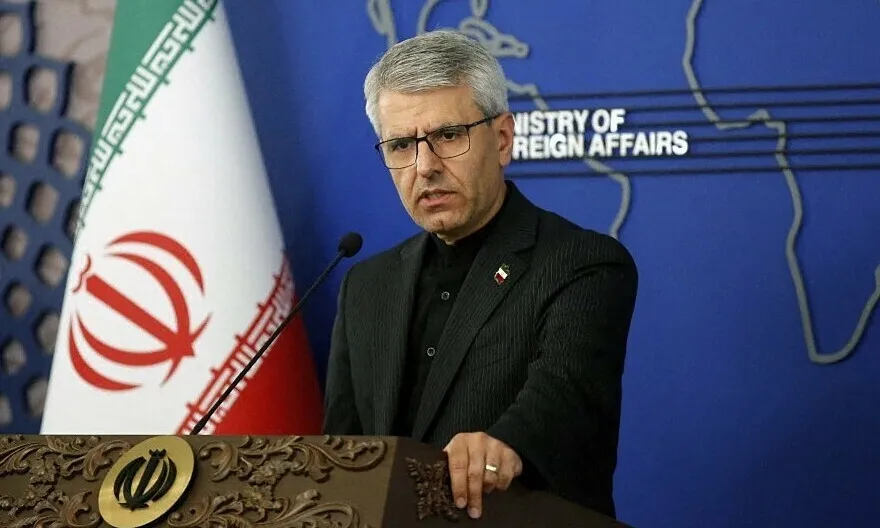 Iran cảnh báo đóng eo biển Hormuz nếu Mỹ tiếp tục gây hấn
Bài viết tổng hợp phản ứng mạnh mẽ từ phía Iran sau khi Tổng thống Trump tuyên bố lệnh ngừng bắn với nước này đã kết thúc, cho thấy các bước đi nguy hiểm có thể dẫn tới căng thẳng mới trong khu vực.
-
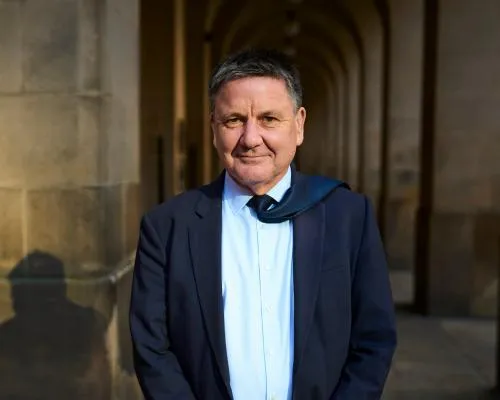 UK Data Commissioner Sues Woman Who Raised Harassment Claims
UK science and technology secretary Liz Kendall criticizes former ICO chief John Edwards for suing a whistleblower who reported sexual harassment and bullying.
-
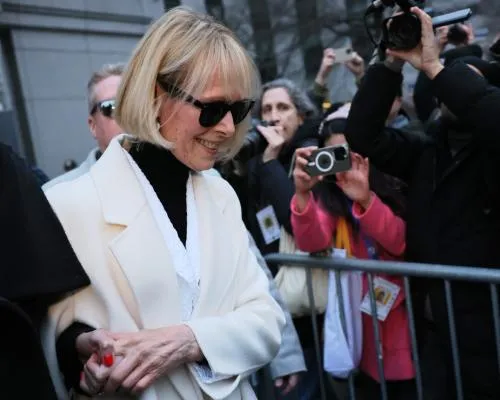 Judge Rules for E Jean Carroll: $5.8M from Trump Escrow Released After High Court Rejection
Judge orders release of $5.8 million owed by Trump after Supreme Court denied his appeal on sexual abuse and defamation lawsuit.
-
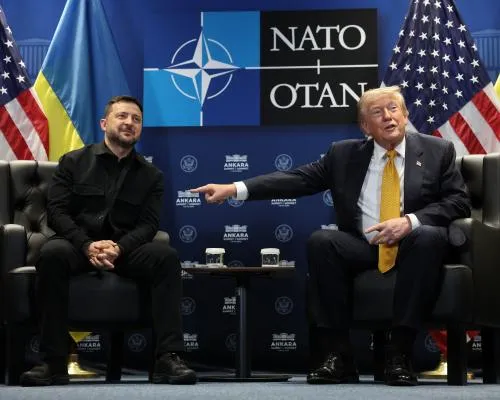 NATO Summit: Trump Praises Zelenskyy, Discusses Ukraine's Future
At the NATO summit in Ankara, US President Trump praised Ukrainian President Zelenskyy and discussed potential security guarantees and peace negotiations. Ukraine may receive permission to produce Patriot missiles locally.
-
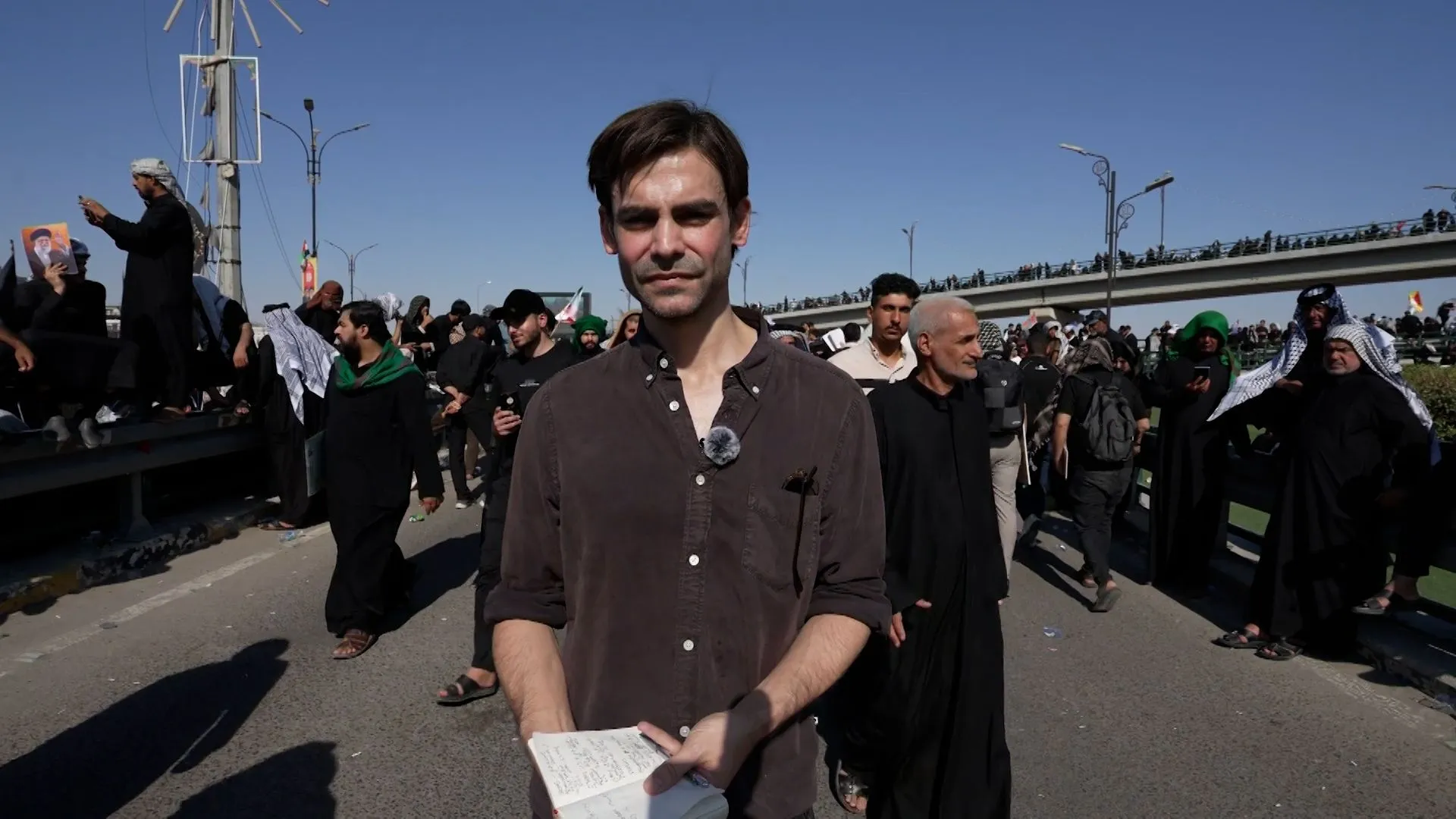 Iran's Supreme Leader's Coffin Arrives in Najaf amid Large Crowds
Thousands of people gather in Najaf to pay respects as the coffin of Iran’s former supreme leader arrives.


