Innovations in Nursing Education
To address the challenges of a rapidly changing healthcare landscape, nursing education has embraced various innovations:
1. Simulation-Based Learning
Simulation technology allows students to practice skills in realistic scenarios without risk to patients. High-fidelity mannequins, virtual reality (VR), and augmented reality (AR) simulate clinical environments, helping students develop critical thinking, decision-making, and technical skills.
2. Online and Blended Learning
The rise of online nursing programs has made education more accessible, especially for working with in importance of reporting in nursing and it's professionals. Blended learning combines online coursework with in-person clinical experiences, offering flexibility without compromising practical training.
3. Interprofessional Education (IPE)
IPE brings together students from various healthcare disciplines to collaborate and learn as a team. This approach fosters communication, mutual respect, and understanding of roles, which are essential for effective patient care.
4. Competency-Based Education

Competency-based models focus on outcomes rather than time spent in the classroom. Students progress by demonstrating mastery of specific skills and knowledge, ensuring they are fully prepared for clinical practice.
5. Global Health Partnerships
Collaborations with international organizations and institutions expose nursing students to global health issues, encouraging cross-cultural learning and a broader understanding of healthcare challenges.
Challenges Facing Nursing Education
Despite its progress, nursing education faces several challenges that require strategic solutions:
1. Faculty Shortages
The demand for nursing education often outpaces the availability of qualified faculty. This shortage limits the number of students programs can admit, exacerbating the global nursing workforce shortage.
2. Financial Barriers
Tuition costs and limited financial aid options can deter potential students, particularly those from underrepresented backgrounds. This reduces diversity in the nursing workforce.
3. Technological Disparities
While technology has advanced nursing education, not all students and institutions have equal access to these tools, creating disparities in learning opportunities.
4. Balancing Theory and Practice
Striking the right balance between classroom instruction and clinical practice remains a challenge. Overemphasis on theory can leave students unprepared for real-world scenarios, while insufficient classroom time can lead to gaps in foundational knowledge.
5. Rapid Pace of Change
Healthcare evolves quickly, making it challenging for nursing curricula to stay up to date. Programs must continuously revise content to address emerging technologies, diseases, and treatment protocols.
The Role of Technology in Transforming Nursing Education
Technology is a driving force in the evolution of nursing education, offering new ways to teach, learn, and practice:
1. Virtual Simulation and Gaming
Interactive simulations and serious gaming provide engaging ways for students to learn complex concepts and practice clinical skills in a controlled environment.
2. Artificial Intelligence (AI)
AI-powered tools offer personalized learning experiences, adaptive testing, and predictive analytics to identify students’ strengths and weaknesses.
3. Telehealth Training
As telemedicine becomes more prevalent, nursing programs are incorporating telehealth training to prepare students for remote patient care.
4. Mobile Learning Apps
Mobile apps provide convenient access to study materials, clinical guidelines, and drug references, supporting continuous learning.
5. Big Data and Analytics
Data-driven insights help educators assess program effectiveness and student performance, enabling targeted improvements.

Smithjack King
28 posts
-
 Nước Lào: Biệt danh 'đất nước hình lục lăng' từ hệ thống biên giới phức tạp
Đất nước hình lục lăng là tên gọi đặc trưng của Nước Lào, nơi có phần lãnh thổ trung tâm giáp 8 quốc gia khác. Biệt danh này xuất phát từ hình dạng phong cách lãnh thổ độc đáo.
-
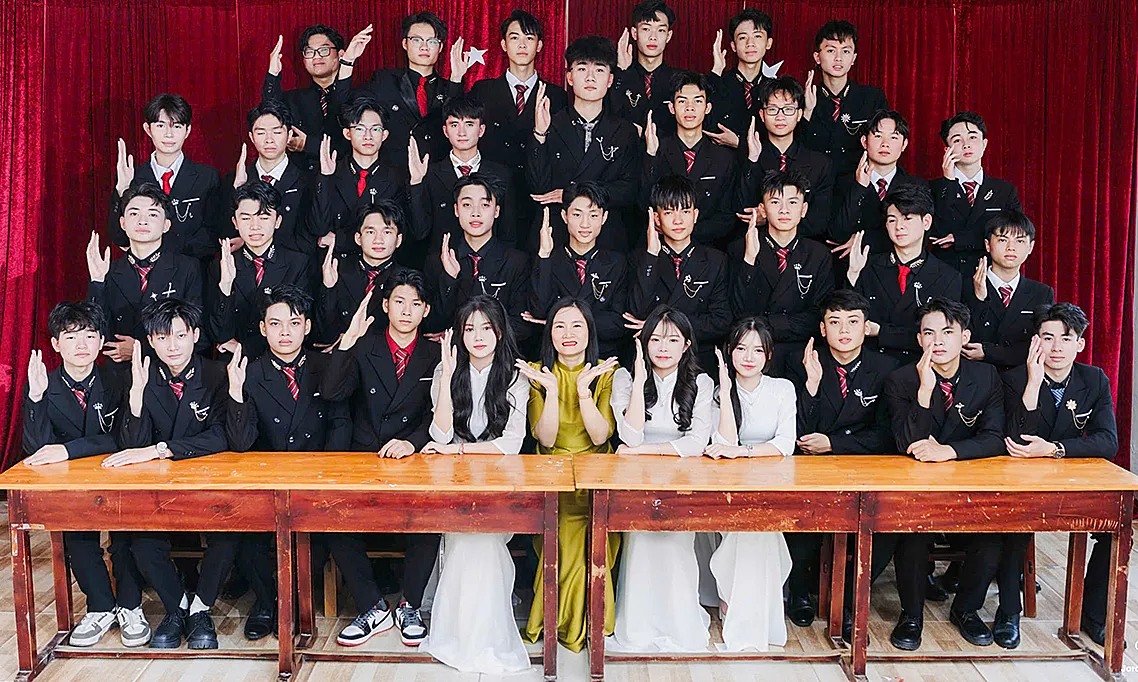 Lớp học ven biển xuất sắc với nhiều điểm 10 Toán
Lớp 12A6 của trường THPT Nguyễn Đình Liễn có nhiều điểm 10 Toán, trong đó 9 em đạt tuyệt đối, cao hơn điểm trung bình lớp và điểm chuẩn.
-
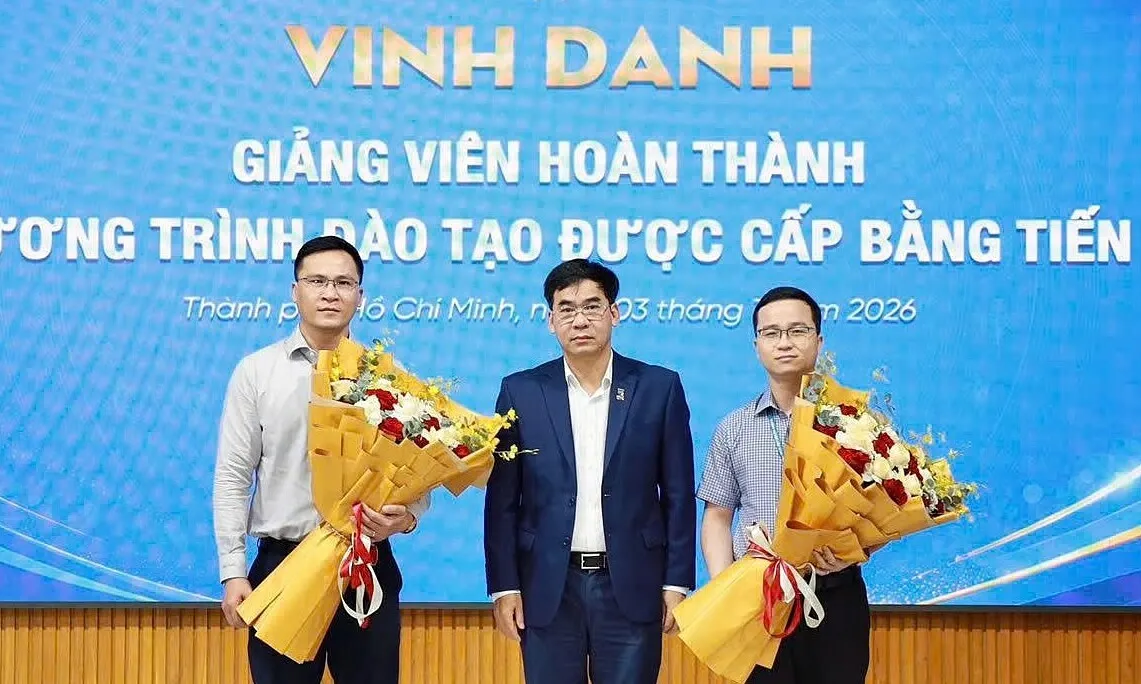 Đại học Luật TP HCM thưởng 180 triệu đồng cho giảng viên lấy bằng tiến sĩ
Đại học Luật TP HCM thưởng 180 triệu đồng cho giảng viên lấy bằng tiến sĩ nhằm tăng tỷ lệ tiến sĩ của trường.
-
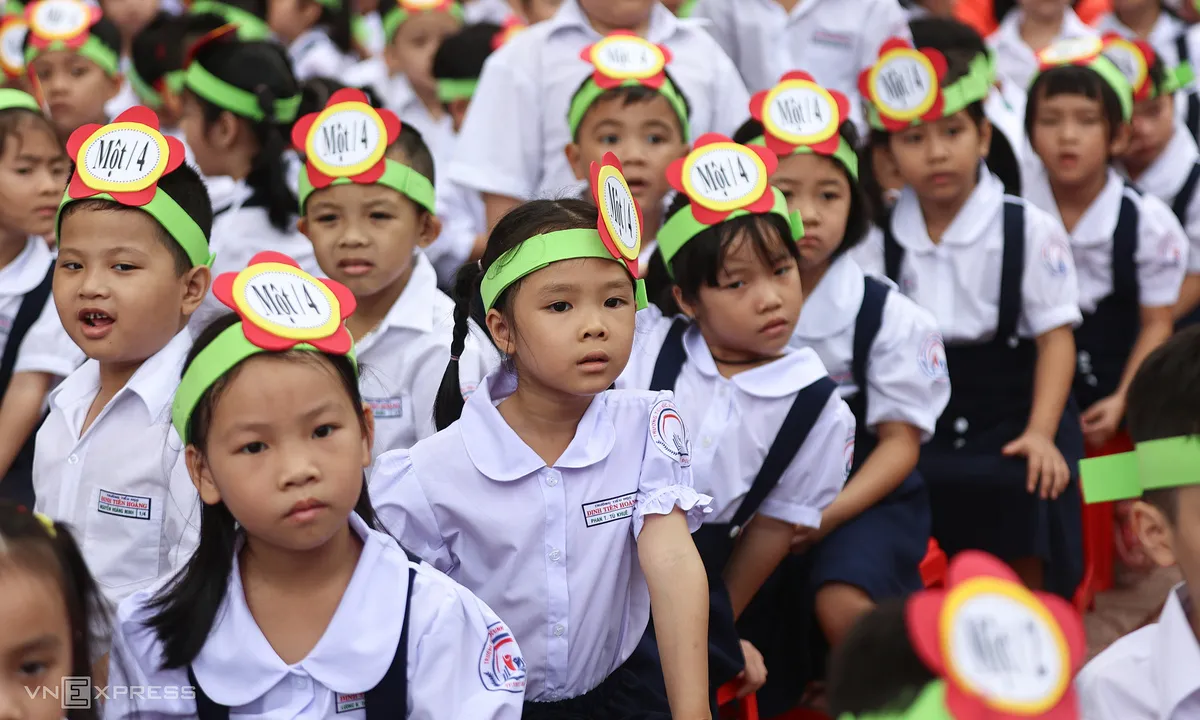 15 tỉnh, thành phố thí điểm sáp nhập trường học và chuyển đổi hệ trung cấp sang trung học nghề
Bộ Giáo dục và Đào tạo thí điểm sáp nhập trường học tại 13 tỉnh, thành phố nhằm nâng cao chất lượng giáo dục, đồng thời chuyển đổi hệ trung cấp sang trung học nghề theo hướng hiện đại.
-
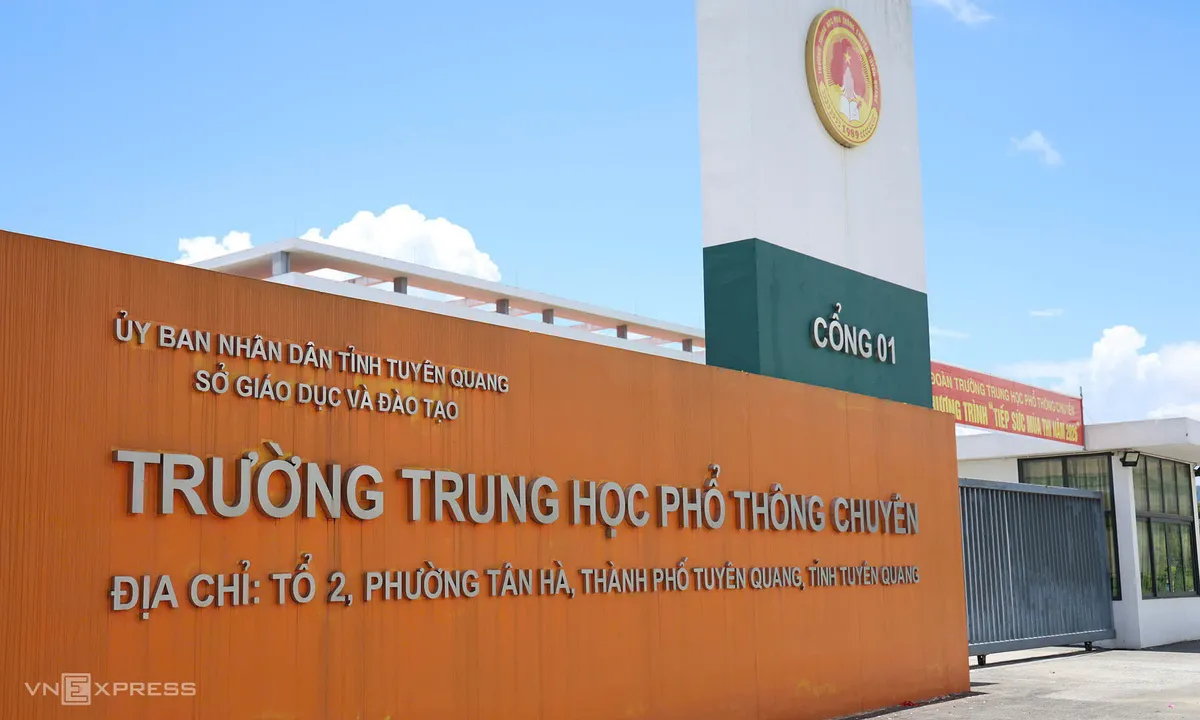 Tuyên Quang: Kiểm tra toàn bộ quy trình tổ chức thi với điểm thi, phòng thi có thí sinh đạt điểm cao
Tỉnh Tuyên Quang kiểm tra toàn bộ quy trình thi với bài toán đạt 10 điểm, đồng thời đối chiếu học bạ của các thí sinh.
-
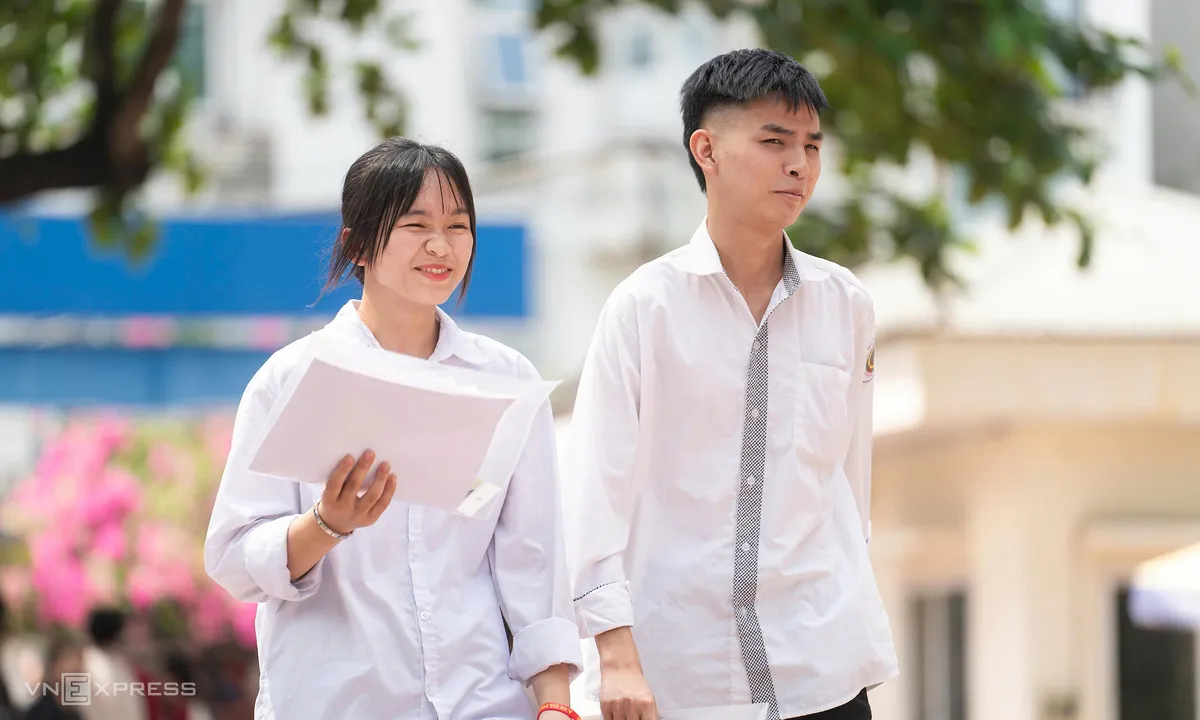 Danh sách trường công bố điểm sàn thi tốt nghiệp THPT 2026: Xu hướng và dự báo điểm chuẩn
Việc nhiều trường đại học công bố điểm sàn thi tốt nghiệp THPT 2026 cho thấy xu hướng tuyển sinh và dự báo về điểm chuẩn năm nay.
-
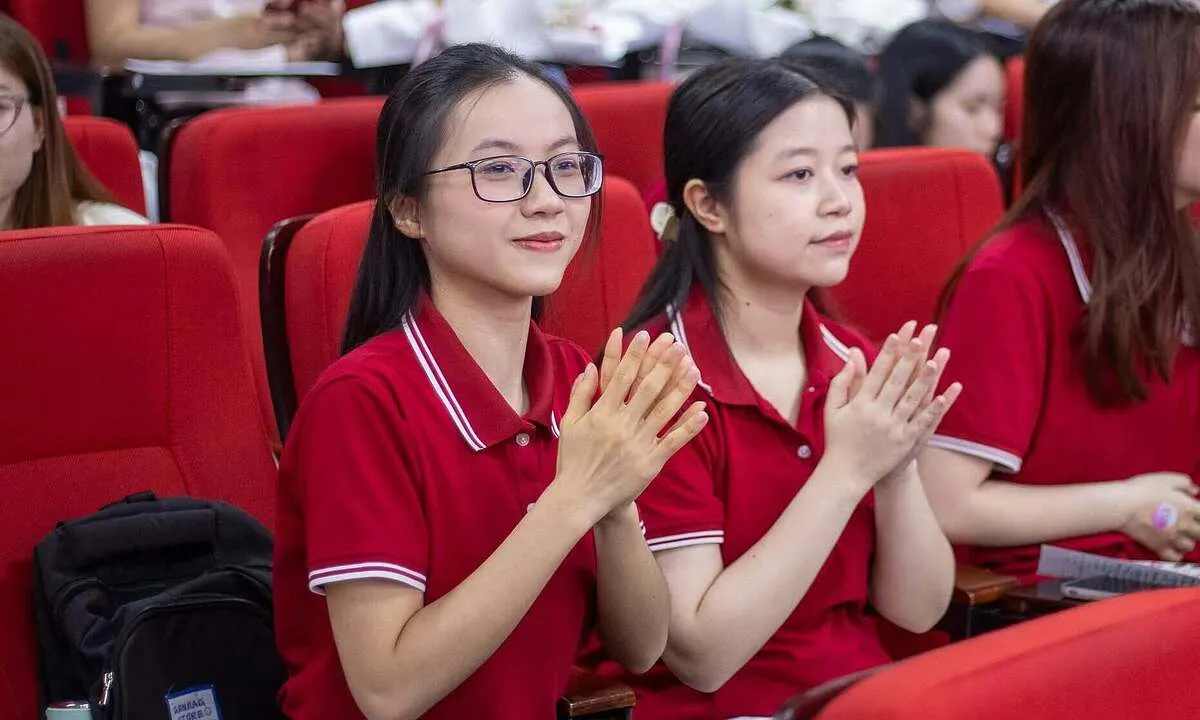 Điểm sàn Đại học Ngoại thương: Xét tuyển từ 23-24 điểm, mở rộng ngành mới
Đại học Ngoại thương công bố ngưỡng điểm sàn xét tuyển từ 23-24/30 cho các tổ hợp môn năm 2026, đồng thời mở rộng nhiều ngành mới như Khoa học dữ liệu và Trí tuệ nhân tạo.
-
 Sông ngầm kỳ thú ở Đông Nam Á: Tuyển lựa mới cho kỳ quan thiên nhiên
Việt Nam nằm trong khu vực Đông Nam Á, nơi có nhiều kỳ quan thiên nhiên độc đáo, như con sông ngầm dài hơn 8 km gây ngạc nhiên.
-
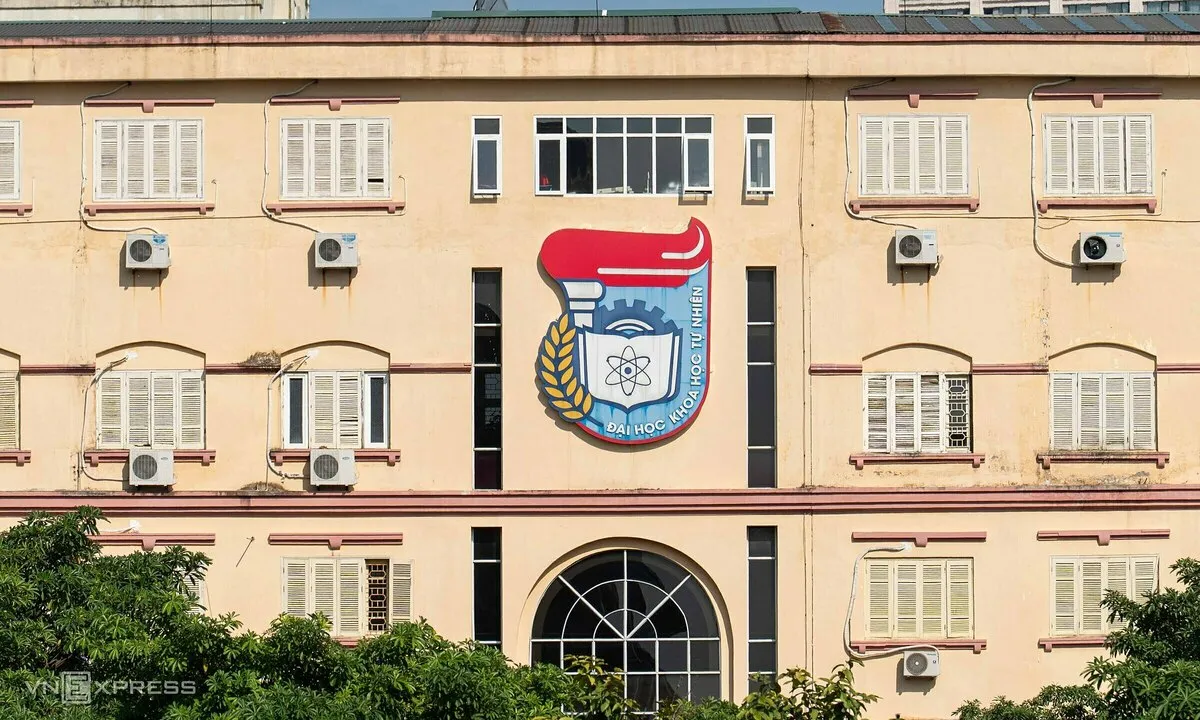 Điểm sàn Đại học Khoa học Tự nhiên và xu hướng điều chỉnh của các trường ĐH
Điểm sàn ĐH Khoa học Tự nhiên lên đến 25 điểm, còn Trường Hoa Sen công bố mức dễ thở hơn với 18 điểm theo tổ hợp 6 học kỳ. Sự linh hoạt trong quy định của các trường đang tạo ra nhiều lựa chọn cho thí sinh.
-
 CBEST Exam Preparation Online – Pass with Expert Coaching & Practice Tests
Prepare for the CBEST exam with Prephow online coaching, practice tests, expert guidance, and writing support to boost confidence and pass successfully.
-
 Đại học Bách khoa Hà Nội công bố điểm chuẩn cao nhất năm 2026
Đại học Bách khoa Hà Nội dự báo điểm chuẩn năm 2026 với nhiều ngành có điểm cao từ 27,5-28,5, trong đó một số ngành như Khoa học dữ liệu và Trí tuệ nhân tạo có thể vượt 28,5 điểm.


