Democratic Leadership Pushes for Withdrawal of Senate Nominee Graham Platner Amid Sexual Assault Allegations

- Top Democrats call on Graham Platner to withdraw from Senate race following sexual assault claims.
- Platner denies the allegations but faces growing pressure to step down.
- Allegations come at a critical time for Democrats, with Maine seen as a key battleground state.
What Happened
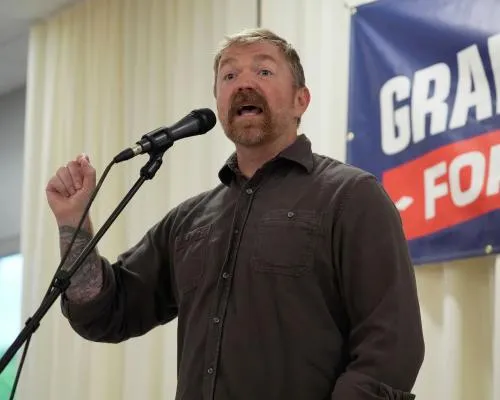
In response to a sexual assault allegation against US Senate candidate Graham Platner, the Democratic party leadership in Maine has called on him to withdraw from the race. The allegations, according to a source, involve an incident where Platner is accused of forcing Jenny Racicot, who previously dated him, to have sex despite her objections. Platner denies these claims.
Platner, an oyster farmer and former marine veteran, secured the Democratic nomination in a controversial race that has seen numerous scandals before this week. He had positioned himself as an anti-establishment candidate with a populist message, drawing comparisons to President Donald Trump during his campaign. His rise to prominence was marked by controversial social media comments and a Nazi-linked tattoo, which he later covered up.
Racicot's allegations emerged through several sources, including accounts from a man she confided in and recent therapist emails, according to The Politico. The incident allegedly occurred when Platner entered Racicot's home uninvited while intoxicated.
Platner’s Response
In a video message on Monday published after the The Politico report, Platner again said the accusations were false but was mindful of their political implications. 'We are taking the time to reflect on the best path forward for the state that I love, the people that I love, and the movement I belong to,' he stated. He thanked the voters who helped propel him to the nomination as a political newcomer.
Reactions So Far
The call for Platner's withdrawal comes from high-ranking Democratic figures such as Senate Democratic leader Chuck Schumer and Democratic Senatorial Campaign Committee chair Kirsten Gillibrand. They have stated that Platner should 'immediately withdraw' from the race, citing the severity of sexual assault allegations.
Other supporters have also withdrawn their endorsements. Ro Khanna, a California representative who had been particularly vocal in backing Platner, expressed his support for the withdrawal due to the seriousness and credibility of the accusations against Platner: 'I’ve been very clear that sexual assault or violence against women is a red line. Graham Platner should drop out from the race.' Similarly, Elizabeth Warren, the Massachusetts senator who endorsed Platner in March, said 'there can be no tolerance for sexual assault' and called on Platner to step aside as the Democratic nominee.
Background to the Story
Racicot's allegations emerged through several sources. According to The Politico, a man Racicot confided in, therapist emails, and messages where she warned an acquaintance about Platner suggest the incident occurred when Platner entered her home uninvited while intoxicated.
What Comes Next?
The allegations present a significant challenge for the Democrats, particularly as Maine is seen as a critical state in their efforts to regain control of the Senate. The situation has left many questioning how far Platner can push ahead in the race against Republican Senator Susan Collins.
Concluding Thoughts
The fallout from these allegations could have broader implications beyond the Senate race. Maine's political landscape, already polarized and closely divided between the two major parties, may see increased scrutiny of candidates and their supporters. The decision to either stand firm or withdraw will not only affect Platner but also set a precedent for future campaigns in a state that often serves as an early bellwether.
Source: The Guardian
World News Today
505 posts
-
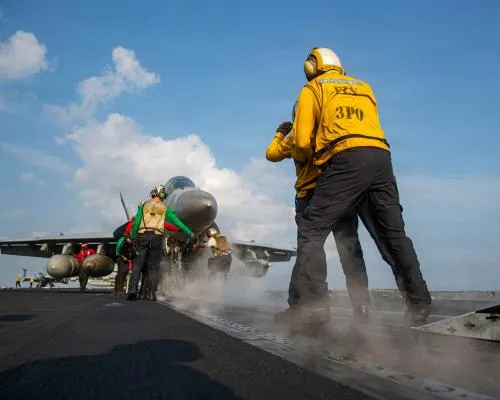 US Strikes Iran in Retaliation; Tensions Escalate Amid War of Words
US strikes on Iranian targets after ship bombings; Iran vows retaliation amid rising tensions.
-
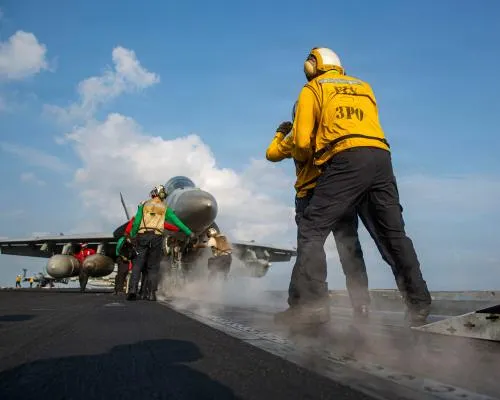 US Military Launches New Strikes in Iran as Trump Warns of Further Retaliation
The United States launches new military strikes against Iran following attacks on commercial vessels in the Strait of Hormuz. Regional leaders urge restraint as tensions rise.
-
 Ukraine tập kích nhà máy lọc dầu Nga qua biên giới, mở rộng chiến dịch không gian
Ukraine tiếp tục mở rộng chiến dịch tấn công trên không, sử dụng UAV tầm xa mới để tập kích mục tiêu tại Siberia và Azov.
-
 Celebrities set to headline World Cup final halftime show
Famous artists to perform at World Cup final halftime show, with millions predicted to watch.
-
 Landslide Tragedy Claims Eight Lives at Girls' School in Bangladesh
Landslide caused by heavy monsoon rains kills eight at a girls' school near the coast in Bangladesh.
-
 US Conducts Strikes Against Iranian Military Boats
US launches retaliatory strikes after attacks on oil tankers in Strait of Hormuz.
-
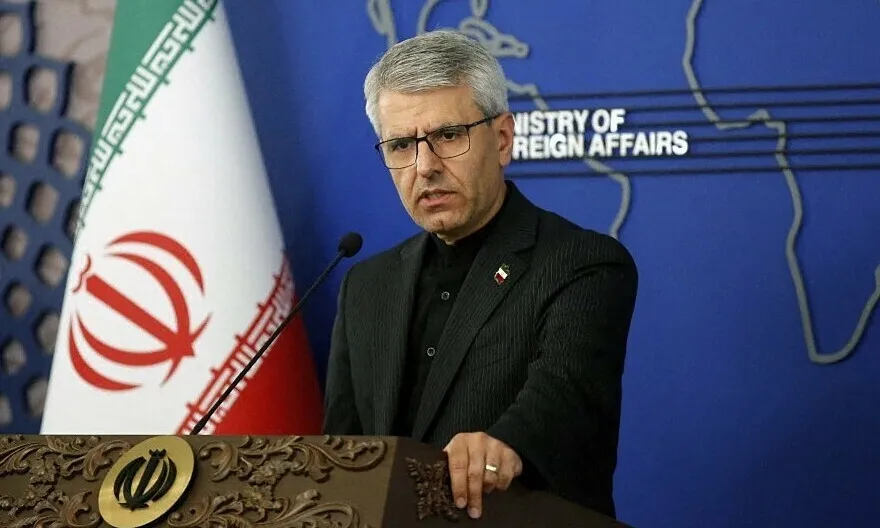 Iran cảnh báo đóng eo biển Hormuz nếu Mỹ tiếp tục gây hấn
Bài viết tổng hợp phản ứng mạnh mẽ từ phía Iran sau khi Tổng thống Trump tuyên bố lệnh ngừng bắn với nước này đã kết thúc, cho thấy các bước đi nguy hiểm có thể dẫn tới căng thẳng mới trong khu vực.
-
 UK Data Commissioner Sues Woman Who Raised Harassment Claims
UK science and technology secretary Liz Kendall criticizes former ICO chief John Edwards for suing a whistleblower who reported sexual harassment and bullying.
-
 Judge Rules for E Jean Carroll: $5.8M from Trump Escrow Released After High Court Rejection
Judge orders release of $5.8 million owed by Trump after Supreme Court denied his appeal on sexual abuse and defamation lawsuit.
-
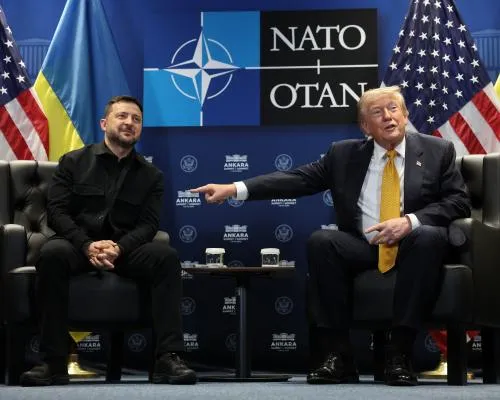 NATO Summit: Trump Praises Zelenskyy, Discusses Ukraine's Future
At the NATO summit in Ankara, US President Trump praised Ukrainian President Zelenskyy and discussed potential security guarantees and peace negotiations. Ukraine may receive permission to produce Patriot missiles locally.
-
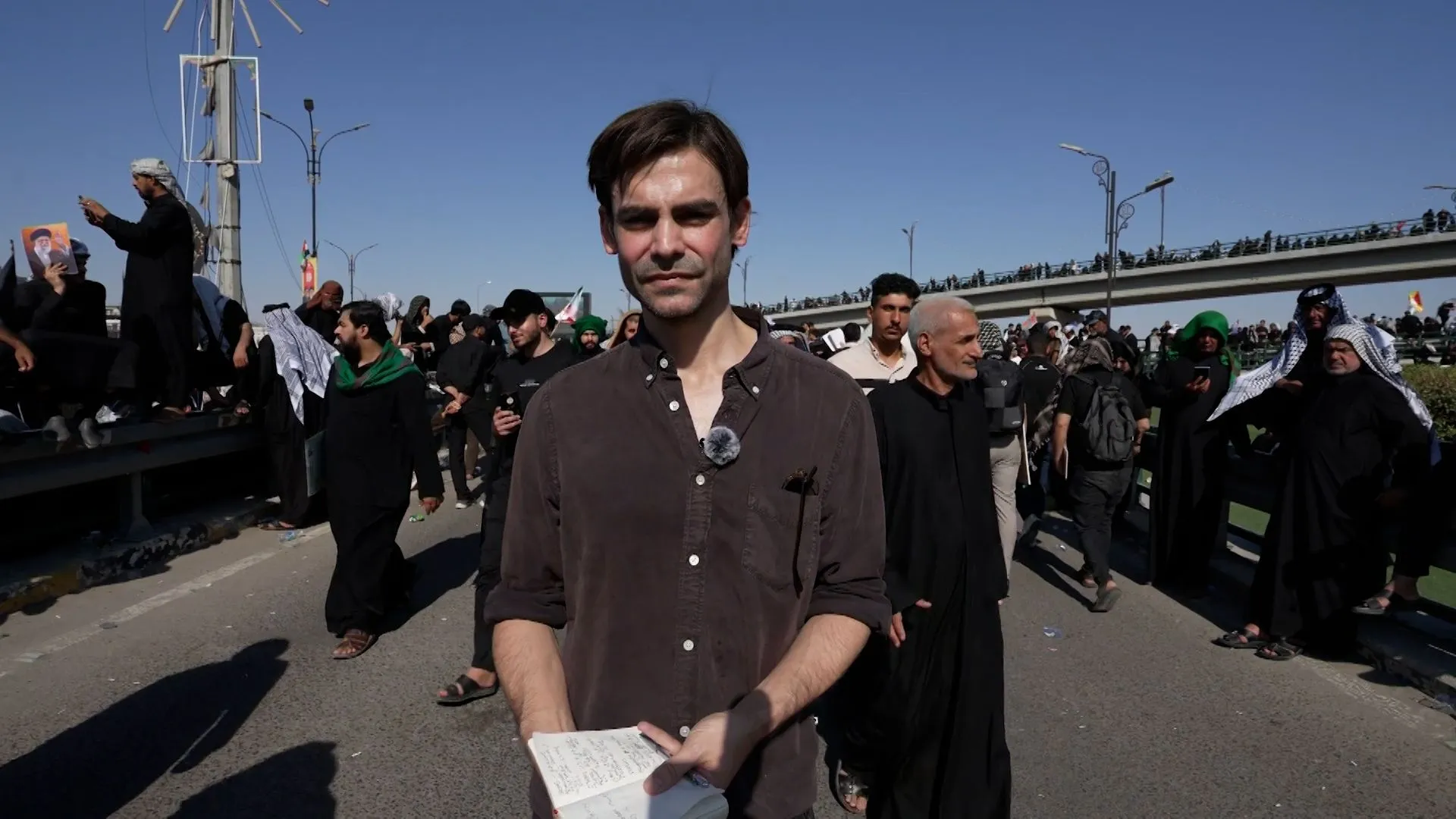 Iran's Supreme Leader's Coffin Arrives in Najaf amid Large Crowds
Thousands of people gather in Najaf to pay respects as the coffin of Iran’s former supreme leader arrives.


