Decaffeinated coffee is made from the same beans as regular coffee. There are no plantations of genetically modified beans that do not contain the stimulant. They are still the same coffee beans, but processed in one of four ways to remove the alkaloid.
"Decaf" does not mean 0% caffeine, but rather 1 to 3%. To get the "Decaf" mark, at least 97% of the alkaloid must be removed, which is verified by special tests. If you want 0% caffeine, choose herbal drinks or chicory drink.
Decaffeination process
The first batches of processed beans went on sale at the beginning of the 20th century, and benzene was used for this purpose. The beans were steamed in salt water, and then the benzene was used to dissolve the caffeine . The taste was peculiar, but caffeine was considered harmful. However, after a while, benzene's carcinogenic properties were discovered, and the technology was no longer used.
Today, 4 main methods are used: two with solvents (harmless), two without. Methylene chloride or ethyl acetate is used as a solvent. Only green beans are always processed.
Indirect method, with solvents - marked as KVW, Europreparation
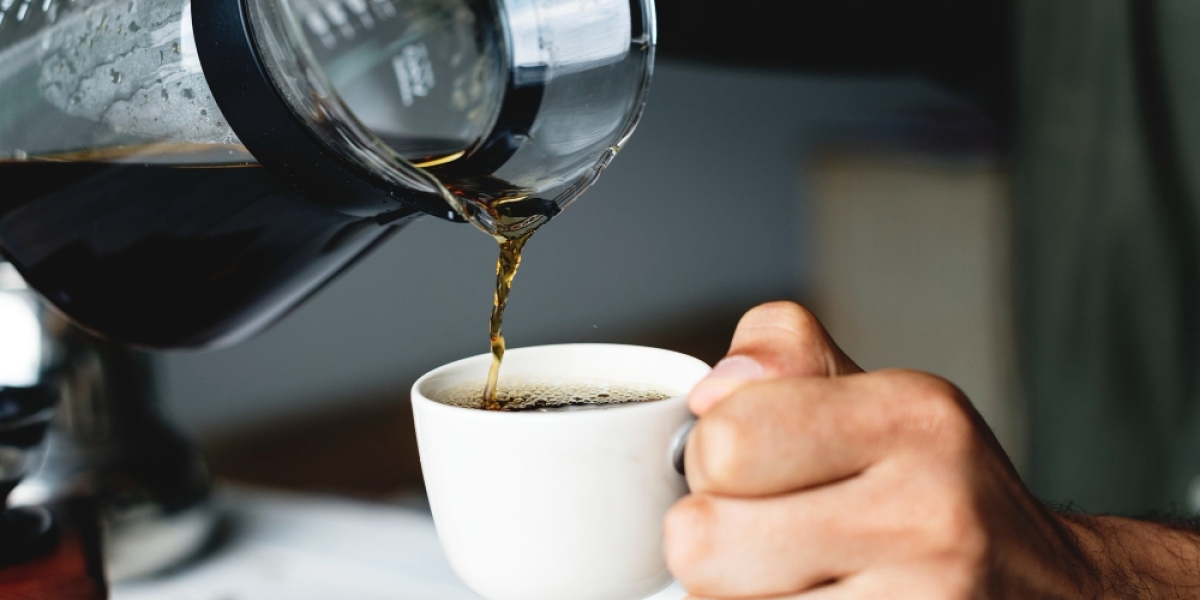
The beans are soaked in hot water for several hours, which extracts the caffeine and other aromatic elements and oils. The beans are removed and the water is treated with a solvent for about 10 hours. The solvent molecules selectively bind to the caffeine molecules. The resulting mixture is heated to evaporate the solvent and caffeine. In the final stage, the beans are placed back in the liquid to reabsorb the coffee oils and aromatic elements.
Direct solvent method - may be labeled as "natural"
The beans are steamed for about 30 minutes to open their pores. Once the beans are receptive to the solvent, they are washed with either methylene chloride or ethyl acetate for about 10 hours to remove the caffeine. The caffeine-laden solvent is then drained off and the beans are steamed again to remove any remaining solvent.
Swiss Water Method - SWP, carbon method, Swiss Water
The process begins with soaking a batch of beans in very hot water to dissolve the caffeine. The water is then strained and passed through an activated carbon filter. The pores of this filter are only good enough to capture the relatively large caffeine molecules, and allow the oil and aroma molecules to pass through. At this point, we have decaffeinated and aroma-free beans and oil-saturated water. This batch of beans is discarded.
The new batch is placed in treated water. It already contains oils, so they are not extracted, the beans from the second batch give only caffeine, preserving all the other components.
CO2, carbon dioxide, carbon dioxide method
The latest technology, which uses liquid carbon dioxide instead of liquid chemical solvents. It selectively acts on caffeine, releasing only the alkaloid and nothing else.
In the process, the soaked coffee beans are placed in a stainless steel container called an extraction vessel. The extractor is then sealed and the liquid CO2 is forced out under high pressure. The CO2 with caffeine is then transferred to another container, where the pressure is released and the mixture separates into gas and liquid caffeine. The gas can be reused.
Differences in taste
The process of decaffeinating coffee damages many of the aromatic compounds, so the drink will have a milder taste and smell than regular coffee. To compensate, it is roasted more intensely, but this also has its own problem: it is more difficult to control the process. Decaf coffee beans are roasted faster, immediately turn brown, break down more easily, so they turn out darker, and the drink acquires a distinct bitterness.
Robusta or Arabica?
Decaf coffee is often more acidic than regular coffee. This is especially noticeable if Robusta beans are used – they are usually chosen for instant drinks, and in grain and ground blends the content is from 20 to 60%, however, there is also pure Arabica. Information is usually indicated on the packaging, if this line is not there – there is an unknown blend, and most likely – from Robusta.
- Robusta contains about 2 times more caffeine than Arabica, and its breakdown requires higher concentrations of solvents, which can still be retained in the beans in minimal amounts, which also makes the taste more sour.
- Robusta generally contains fewer compounds, in particular aromatic oils and sugars, so the taste of the drink is poorer, less interesting, the smell is weak, there is a clear sourness, which can also cause stomach pain.
Experiment with different brands to find the variety that suits your taste and aroma.
Benefits and harms of decaffeinated coffee (decaf)
Like many other products, decaffeinated coffee can be beneficial or somewhat harmful, depending on the amount. Don't think that it's just about caffeine - the beans also contain many other components that affect the body, so you shouldn't drink decaf coffee 5-6 cups a day.
Advantages:
- No side effects from caffeine such as headaches, dizziness, hand tremors, increased heart rate and nervousness.
- You get all the good stuff you would get in a regular cup of coffee. Every cup of decaf coffee still contains antioxidants, manganese, magnesium, potassium, and B vitamins.
- You can confidently drink a cup in the evening or even before bed, and your nervous system will not suffer in any way, you will easily fall asleep and get a good night's sleep.
Flaws:
- The drink will not bring any vivacity, attentiveness, energy or concentration.
- The side effects associated with coffee consumption still remain: heartburn, acid reflux, and other things that acid causes.
- It does not help speed up metabolism and lose weight, since these effects are inherent in coffee precisely due to caffeine.
Decaf coffee brands, types and types
Packaging design can vary greatly, but increasingly manufacturers are coming to some standard: it is inconvenient for buyers to read each pack, and it is easier to pay attention to clearly “decaffeinated coffee”.
- Here in the post-Soviet space, we often see markings in bright blue or light blue, sometimes green.
- The color chosen for decaf in the world is orange - orange stripes, parts of the packaging. Keep this in mind if you buy it abroad.
In most cases, mass-market brands use solvent processing. If you want to buy organic decaffeinated coffee (decaf) processed by the Swiss water method, you will most likely have to either look for large coffee shops or order online.
Conclusions:
- Decaf coffee always contains caffeine – from 0.01 to 3% depending on the brand and decaffeination method.
- Direct and indirect methods with solvents, the water method, and carbon dioxide technology are used to remove caffeine.
- Organic or kosher decaffeinated coffee (decaf) is made only using SwissWater technology.
- Despite the removal of the stimulant, the acids remain. You should not drink any coffee more than 5 cups a day.
- In Russia, the choice of decaf is large, there are all types, so you will find something to your taste.

Velma Martinez
1 posts
-
 Forza Horizon 6 Best Ways to Spend Your First Million Credits
Dropping into the neon-lit, tightly twisted streets of Tokyo and the scenic mountain touge runs in Forza Horizon 6, the game hands you an entirely new, highly structured progression system.
-
 Las Vaquitas Saturnitas Market Trends in Steal A Brainrot
If you’ve been playing Steal A Brainrot for a while, you’ve probably noticed the rising popularity of Las Vaquitas Saturnitas in the in-game economy.
-
 Steal A Brainrot: Unlocking the Latest Update’s Brainrots and Secrets
The latest update for Steal A Brainrot has brought a whirlwind of new content, including 11 brand-new brainrots, new rituals, rebirths, and a variety of secrets capable of generating astonishing earnings.
-
 Kashmir: Where Heaven Kissed Earth - The Ultimate Paradise Experience Awaits You
Book your Kashmir adventure today and discover why poets have been trying to capture its beauty in words for centuries – and always falling short.
-
 Yeezy Gap Hoodie and sneaker combos
After multiple washes, the Yeezy Gap hoodie holds its integrity better than expected. Minimal shrinkage, no pilling, and the fabric’s softness persists. The seams remain robust, hinting at durability that matches the premium price tag.
-
 Lyt Chocolate: A Sweet Treat for Guilt-Free Indulgence
Lyt Chocolate is more than just a sweet—it’s a modern solution for those who want to enjoy the pleasures of chocolate without sacrificing health. With its low sugar, fewer calories, and high-quality cocoa, it brings guilt-free indulgence to the table. Whether you’re managing your wei
-
 How to Track Your Progress on the Annapurna Base Camp Trek
Learn how to track your progress on the Annapurna Base Camp Trek using GPS apps, altitude monitoring, journals, and checkpoints for a safer, smarter, and more rewarding Himalayan adventure.
-
 How Moringa Capsules Support Heart and Cholesterol Health | Greenora
Discover how Moringa capsules help maintain healthy cholesterol levels and support heart health naturally. Learn benefits, uses, and trusted insights from Greenora.
-
 2025年最新版|入金不要ボーナスの魅力と最新トレンド
オンラインサービスの新規ユーザー向け特典として人気の 入金不要ボーナス。名前の通り、自分のお金を使わずにプレイできる無料特典です。2025年の最新トレンドを押さえて、より賢く活用する方法を解説します。
-
 De Voordelen van Spelen bij Nederlandse Bookmakers
Nederlandse bookmakers bieden spelers een veilige en gecontroleerde omgeving om te wedden. Door de regelgeving en toezicht van de Kansspelautoriteit (KSA) kunnen spelers genieten van een betrouwbare en transparante ervaring
-
 5 Best Sites to Buy Google Reviews in 2025 (5 Star
??✊? ➤?We are available online 24/7.
??✊? ➤?Telegram:@getusasmm
??✊? ➤?Email:getusasmm @ gmail.com
??✊? ➤?Telegram:@getusasmm
??✊? ➤? Come now our company :https://getusasmm.com/product/buy-goog


