As the demand for sustainable solutions continues to rise across various industries, eco-friendly materials are becoming the focal point of modern design. One such material making waves in the world of sustainable design is wet molded fiber. Wet molded fiber is a biodegradable, environmentally friendly material that is revolutionizing the way products are designed, produced, and discarded. By utilizing plant-based fibers and water, wet molded fiber is reducing the reliance on plastic and other non-biodegradable materials that contribute to pollution.
The use of wet molded fiber extends beyond packaging solutions and into industries like automotive, furniture design, and even food packaging. This innovative material is reshaping the future of product manufacturing and is seen as a viable alternative to traditional materials. In this article, we will explore how wet molded fiber is transforming the world of eco-friendly design, focusing on its production process, sustainability benefits, versatility, and potential to influence future design trends.
The Production Process of Wet Molded Fiber
Wet molded fiber is created through a sustainable production process that starts with natural plant-based fibers, such as recycled paper, bamboo, or sugarcane. These fibers are combined with water to form a slurry, which is then molded into the desired shape using heat and pressure. This process not only results in a product that is lightweight but also durable, biodegradable, and compostable. Unlike other materials that require harmful chemicals and intensive energy consumption, the production of wet molded fiber focuses on minimizing environmental impact.
What sets wet molded fiber apart from traditional molding methods is its reliance on water as a primary agent, making it a more eco-conscious alternative. The use of water reduces the need for energy-intensive machines, while the natural fibers can be sourced from recycled materials, further minimizing waste. The combination of these factors results in a material that is not only eco-friendly but also cost-effective for manufacturers looking to reduce their carbon footprint.
Sustainability Benefits of Wet Molded Fiber
One of the key advantages of wet molded fiber is its sustainability. As a biodegradable and compostable material, wet molded fiber decomposes naturally over time, reducing the environmental impact of single-use products. Unlike plastic, which can take hundreds of years to break down and poses a significant threat to wildlife, wet molded fiber breaks down much faster and poses no harm to ecosystems. This makes it an ideal choice for packaging, where reducing waste and pollution is of the utmost importance.
In addition to its biodegradability, wet molded fiber is made from renewable resources such as bamboo, sugarcane, and recycled paper. These materials are readily available, reducing the strain on virgin resources. Furthermore, the production process for wet molded fiber generates minimal waste, as the materials used are biodegradable and often recycled after use. By adopting wet molded fiber, businesses can significantly reduce their environmental footprint, align with sustainability goals, and meet growing consumer demand for eco-friendly products.
The Versatility of Wet Molded Fiber in Design
Wet molded fiber is incredibly versatile, making it suitable for a wide range of applications across different industries. In packaging, it is used for everything from food containers to protective packaging for fragile goods. Its ability to be molded into various shapes and sizes allows for creative and practical designs that are both functional and eco-friendly. In the automotive industry, wet molded fiber is being used for components like interior panels and soundproofing materials, contributing to lighter and more sustainable vehicles.
Beyond packaging and automotive applications, wet molded fiber is also making its way into furniture and home goods design. Designers are experimenting with this material to create everything from eco-friendly seating options to decorative items. The lightweight yet durable nature of wet molded fiber makes it an attractive choice for furniture designers looking to combine sustainability with aesthetic appeal. As the material gains popularity, we can expect even more innovative uses for wet molded fiber in a variety of design fields.
Wet Molded Fiber and the Future of Eco-Friendly Design
As more industries recognize the importance of sustainability, wet molded fiber is poised to play a major role in the future of eco-friendly design. With its biodegradable properties, minimal waste production, and versatility in various applications, it is well-positioned to replace traditional packaging and manufacturing materials. Companies that embrace wet molded fiber can not only reduce their environmental impact but also appeal to a growing consumer base that prioritizes sustainability.
The future of wet molded fiber looks promising, especially as new technologies and innovations continue to evolve. Research is being conducted to improve the material’s properties, such as making it more durable, waterproof, or even food-safe. As these advancements take place, the use of wet molded fiber is likely to expand further, and it may become the go-to material for eco-conscious design. Whether it is in packaging, automotive, or product design, wet molded fiber is shaping the future of sustainable, environmentally friendly materials.
Conclusion
Wet molded fiber has emerged as one of the most exciting developments in the world of sustainable design. Its ability to reduce plastic usage, decrease waste, and create eco-friendly products positions it as a key player in the future of manufacturing and design. From packaging to automotive components, wet molded fiber is transforming industries by providing an alternative that is both environmentally friendly and versatile.
As businesses and designers continue to seek solutions that align with sustainability goals, wet molded fiber will likely become a central material in the pursuit of greener, more responsible production methods. Its potential to reduce environmental impact while offering creative and practical solutions for various industries makes it a promising option for the future. As wet molded fiber continues to shape the future of eco-friendly design, its adoption will likely increase, paving the way for a more sustainable and environmentally conscious world.

Lucas Smart
25 posts
-
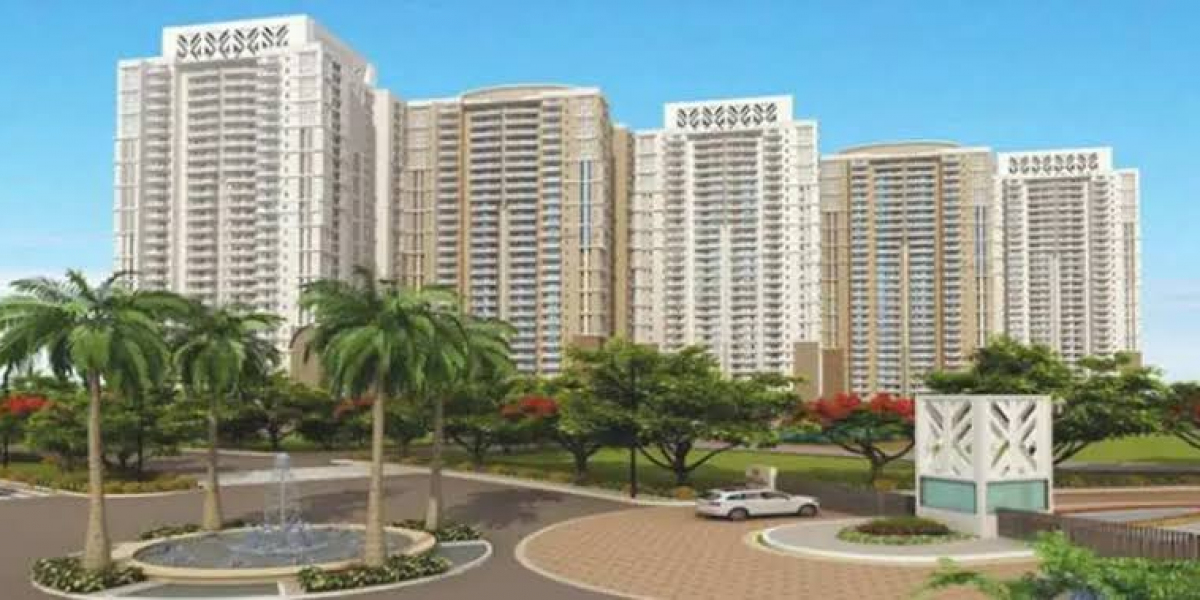 The Timeless Appeal of DLF Park Place Sector 54 Gurgaon: A Living Legacy
Living at DLF Park Place Sector 54 Gurgaon means becoming part of an established, sophisticated, and close-knit neighborhood. The clubhouse acts as the center of social activity, hosting everything from fitness sessions and sporting events to community gatherings.
-
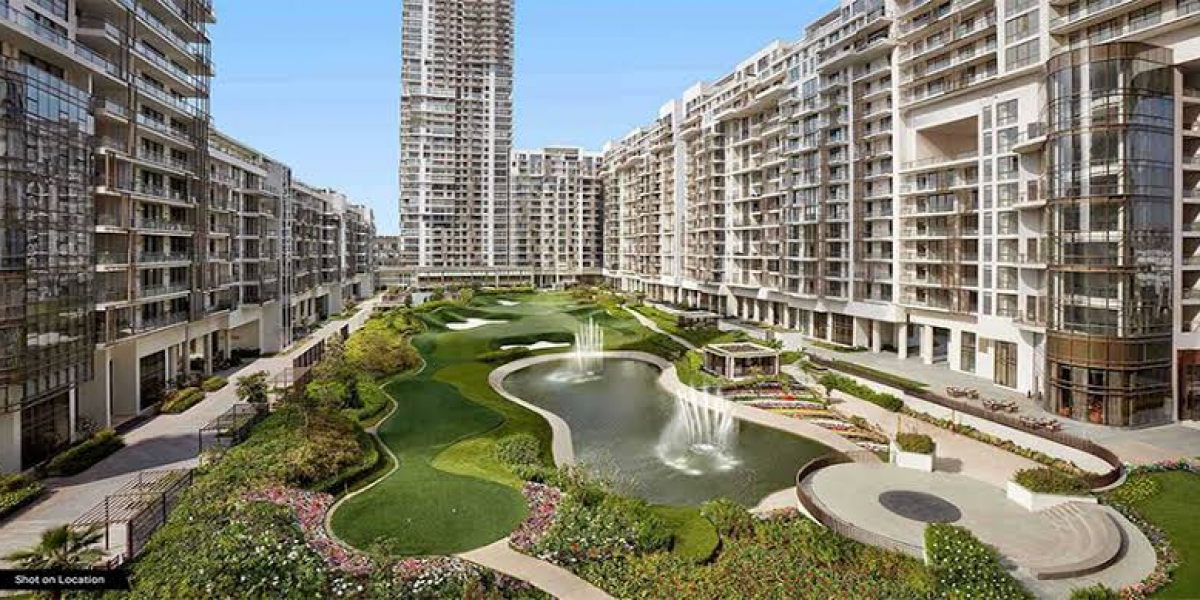 Redefining Luxury: The Iconic M3M Golf Estate, Sector 65
In the bustling landscape of Gurugram, few addresses command the same level of prestige and architectural grandeur as M3M Golf Estate, Sector 65. As one of the most prominent residential landmarks along the Golf Course Extension Road, this project has effectively transformed the concept of
-
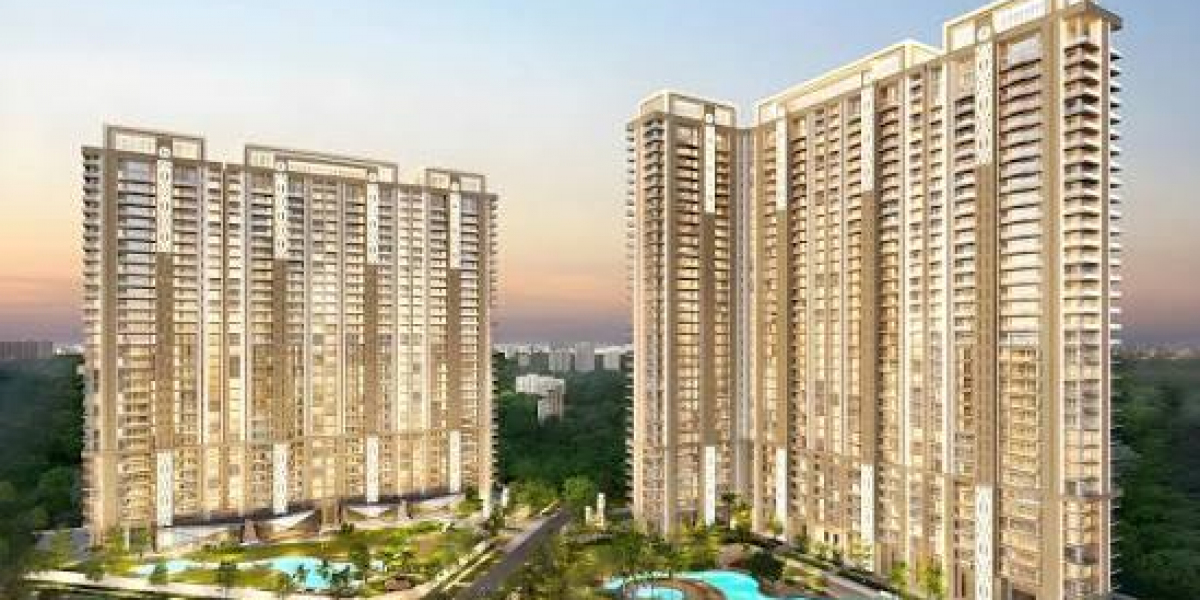 Redefining Ultra-Luxury: A Deep Dive into Whiteland Westin Residences, Sector 103, Gurgaon
In the heart of the rapidly evolving Dwarka Expressway corridor, a new benchmark for premium living has emerged. Whiteland Westin Residences, located in Sector 103, Gurgaon, isn't just a residential project—it is a landmark collaboration that brings the world-renowned hospitality o
-
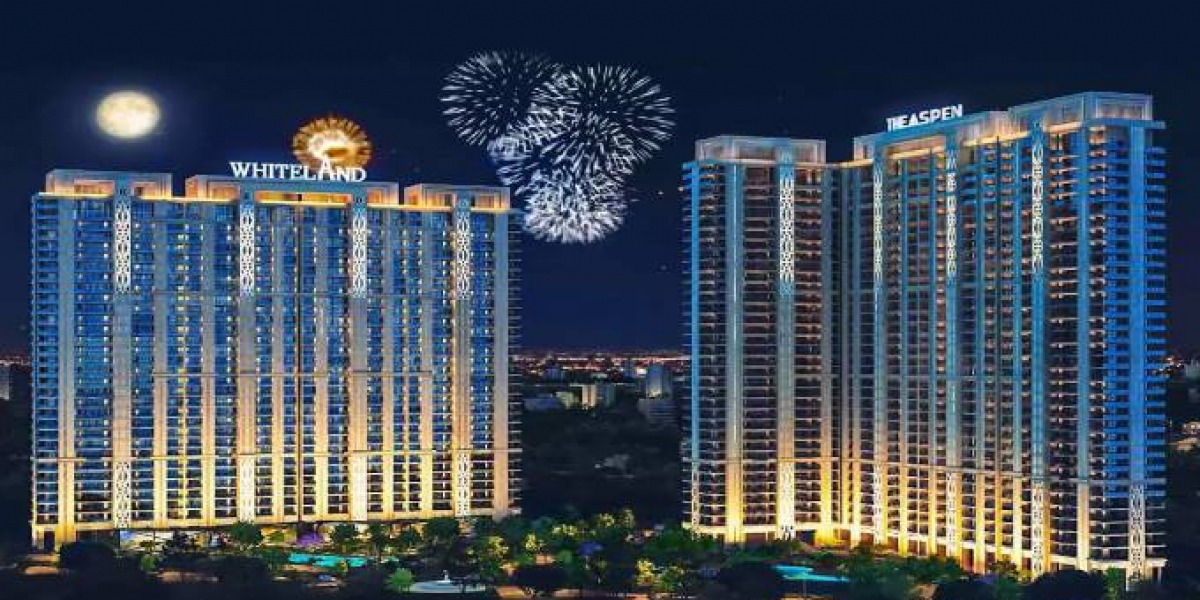 Green Engineering and Health Optimization at Whiteland The Aspen
To address this, Whiteland Corporation integrated specialized CTMA3 Air Purification technology into the core building systems. This central air infrastructure works continuously to treat, filter, and circulate air throughout enclosed common areas, double-height entrance lobbies, and tower
-
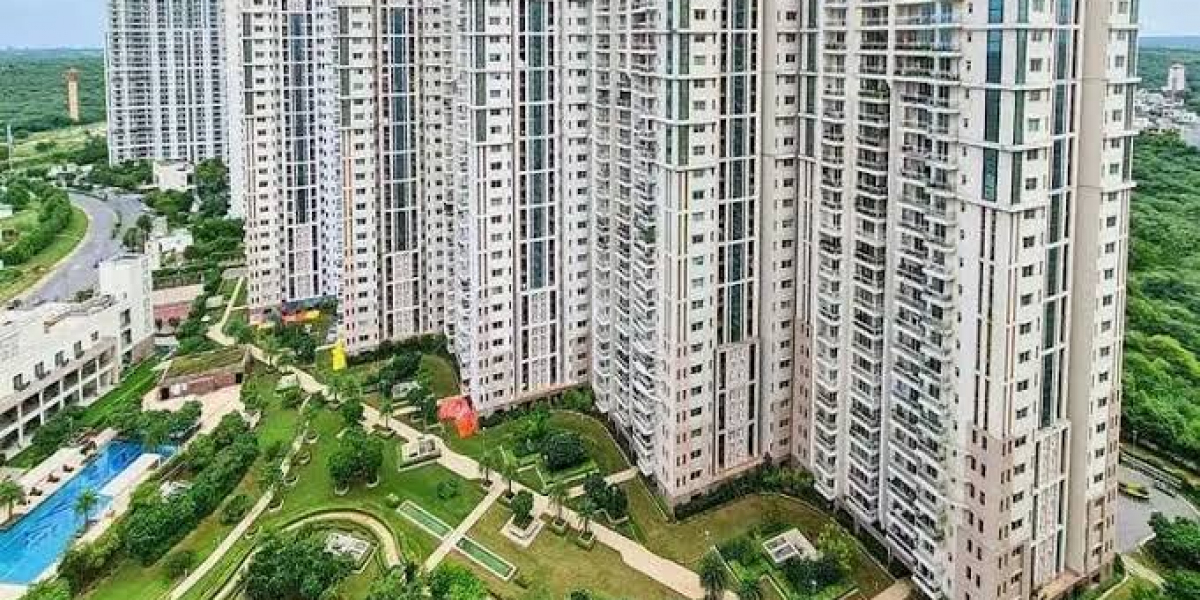 Mastering the Asset: Technical Infrastructure, Micro-Market Value, and Structural Layouts at DLF Park Place
This deep dive focuses on the granular technical infrastructure, exact structural layouts, and macro-economic factors that explain why this specific project maintains a massive edge over its competition in 2026.
-
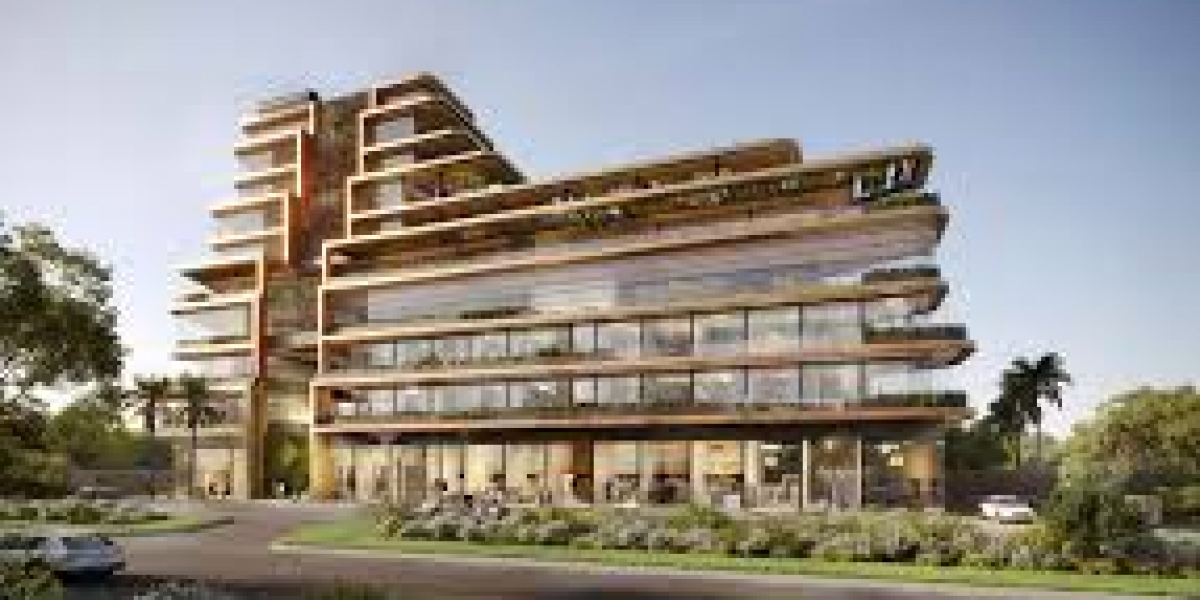 Brand Identity and Tenant Experience: Cultivating Loyalty at Elan Empire Gurgaon
Securing high occupancy in a premium high-street asset is only half the battle. For long-term viability, property management and individual investors must shift their focus to building tenant loyalty and creating a distinctive brand identity.
-
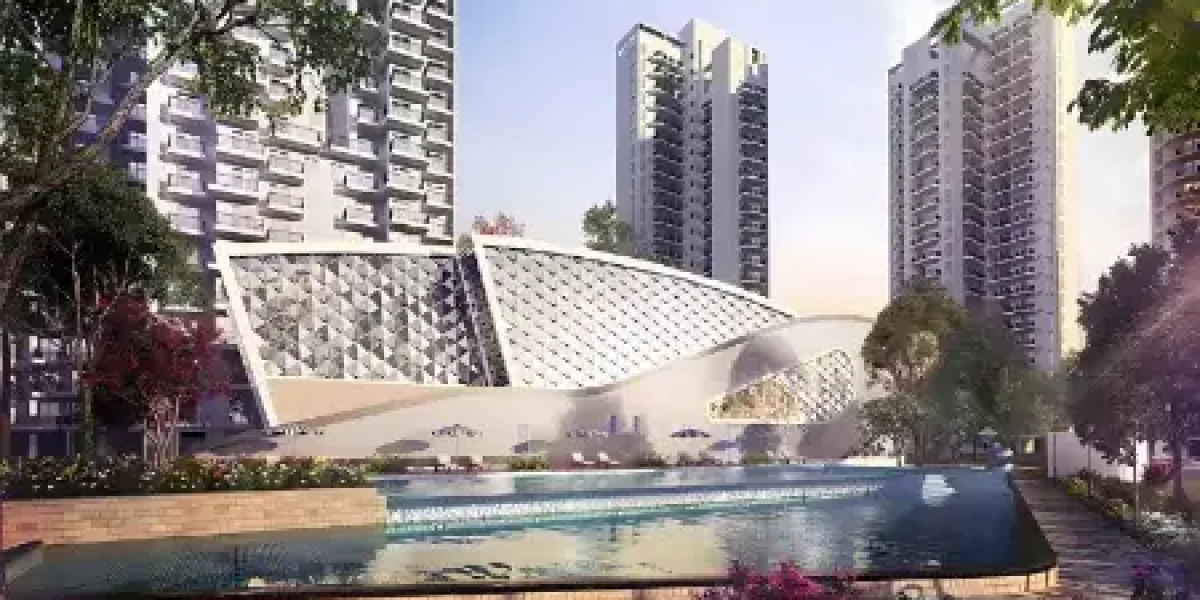 Master Review: Evaluating Godrej Nature Plus, Sector 33, Gurgaon
The layout uses a smart structural pattern where towers are angled away from each other. This creates a staggered footprint that gives corner apartments clear, unblocked views of the Aravalli foothills while ensuring optimal morning and afternoon sunlight. Inside the towers, the floor plan
-
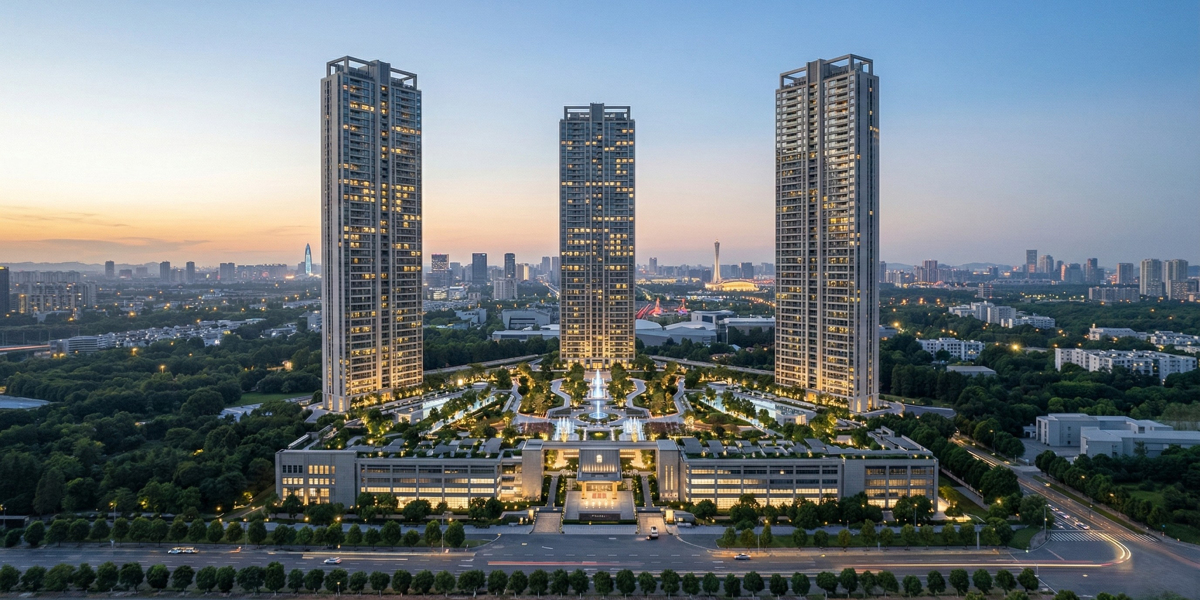 BPTP Downtown 66: A Masterpiece of Vertical Luxury in Sector 66
BPTP Downtown 66 has emerged as one of the most anticipated high-rise developments on the Golf Course Extension Road. Designed by the globally acclaimed architectural firm Aedas, this project is not just a residential complex but a vertical ecosystem where luxury meets functionality.
-
 Aesthetic Clinic in Australia | Beauty Clinic in Carolina | PM Aesthetics
Discover a trusted aesthetic clinic in Australia and a professional beauty clinic in Carolina. PM Aesthetics offers advanced skincare, cosmetic treatments, and personalized beauty solutions.
-
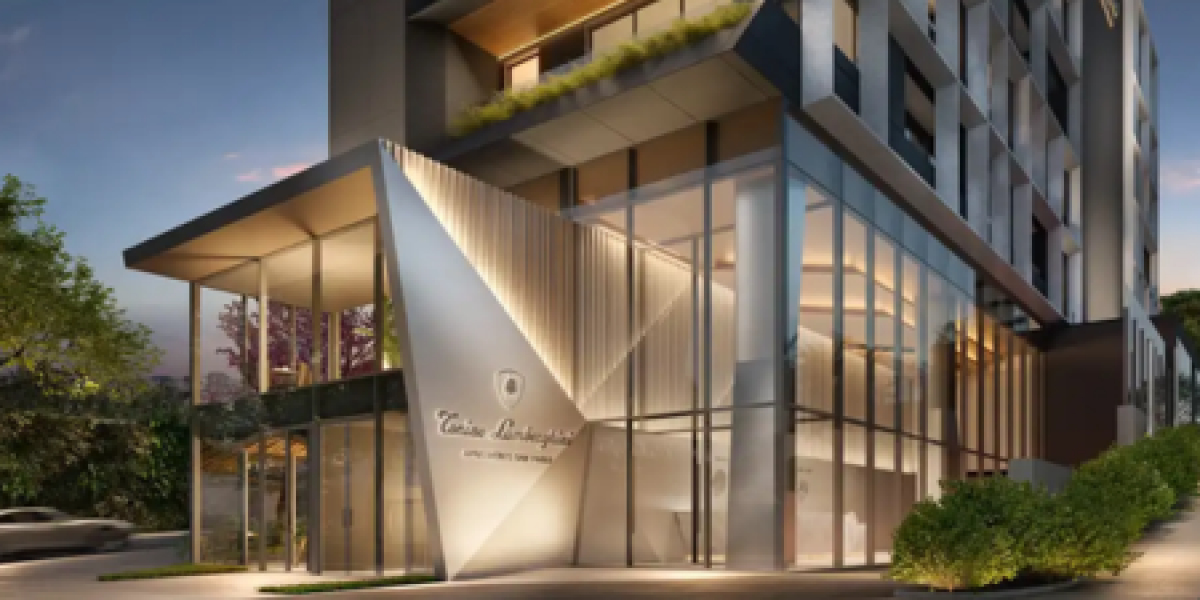 The Masterful Synergy at Signature Global Tonino Lamborghini
Signature Global Tonino Lamborghini Residences represents a ₹2,890 crore synergy of Italian supercar aesthetics and Indian engineering excellence in Sector 71.
-
 Sidewalk Repair NYC: A Complete Guide for Property Owners
Sidewalks in New York City endure constant wear and tear due to heavy foot traffic, extreme weather conditions, and tree root growth. Over time, cracks, uneven surfaces, and potholes can develop. These issues not only create an unpleasant appearance but also pose serious safety hazards for


