- A series of cloudbursts and flash floods in the western Himalayas killed at least 28 people.
- Communities in Murrah, Rajouri, and Gurez are among those hardest hit by the weather events.
- Experts link erratic rainfall patterns to climate change, threatening traditional livelihoods and infrastructure.
- Residents fear the unpredictability of rain may lead to a crisis of adaptability for mountain communities.
Devastating Cloudbursts Strike Remote Kashmiri Villages
In the early hours of July 19, Haji Mohammad Latief woke up to heavy rains in Murrah, a remote village nestled in India-administrated Kashmir. He hurried outside to move his car, only to find himself facing a torrential downpour that quickly turned into a deadly cloudburst.
Within minutes, mud and boulders cascaded down the mountain, sweeping away Latief's home where five generations of his Gujjar family lived together. The 48-year-old managed to escape but was left devastated as his family's belongings were reduced to rubble. By dawn, Murrah was cut off from the outside world, with roads, electricity, and mobile networks destroyed.
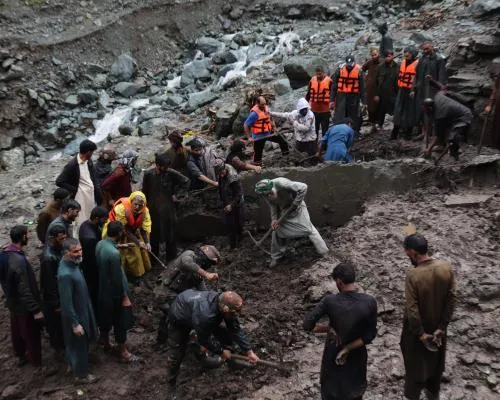
Residents of Murrah carried essential supplies across broken bridges, while soldiers and disaster response teams searched for survivors by hand amid the wreckage. The village lies in Poonch district, about 125 miles southwest of Srinagar, Kashmir's main city.
Impact of Erratic Weather on Mountain Communities
Cloudbursts and flash floods have ravaged multiple regions within the western Himalayas this month. In Rajouri, about 30 miles away, the Manawar Tawi River overflowed its banks, destroying roads and vehicles, while in Gurez Valley, residents reported damage to crops and infrastructure.
Scientists attribute these events to rising temperatures and increasingly erratic rainfall patterns due to climate change. This variability poses a significant threat to traditional livelihoods of pastoral communities whose well-being depends on seasonal migrations through the mountains.
Expert Insights and Future Concerns
The International Centre for Integrated Mountain Development (ICIMOD) warns that frequent bursts of intense rainfall are triggering floods, landslides, and cloudbursts. As glacier melt accelerates, it may increase flood risks while reducing water availability in the coming decades.
Dr. Suheel Rasool Mir, a Kashmir-based sociologist, emphasizes that these weather extremes impact not just physical structures but also the cultural and economic fabric of mountain communities. 'For Gujjar, Bakarwal, and Dard-Shin communities,' he notes, 'these disasters are more than natural hazards; they signify the loss of ancestral knowledge and livelihoods.'
In the wake of these events, residents like Latief in Murrah continue their search for lost family members. 'I just want to find them,' he said, his voice heavy with grief. 'Then we can bury our family together.' The community's resilience is tested as it grapples with the unpredictability of weather and its broader implications.
Source: The Guardian

Guardian News World
617 posts
-
 Academics Call for Inquiry into Jason Arday’s Controversial Appointment at Cambridge
Academics are calling for an independent inquiry into Jason Arday's controversial appointment as a professor at the University of Cambridge, alleging that the process was rushed to improve diversity.
-
 Democratic Victory for Progressive Abdul El-Sayed: Key for Senate Midterm Push
Democratic candidate Abdul El-Sayed has won the Michigan Senate primary, unifying Democrats and raising questions about their strategy for the upcoming midterms.
-
 Federal Judge Temporarily Halted Order for Trump to Turn Over Financial Records in BBC Libel Case
A federal judge has temporarily halted an order requiring Donald Trump to turn over financial records as part of his libel lawsuit against BBC.
-
 UK's Small Boat Crossing Strategy: Has It Been Effective?
UK's strategy on small boat crossings has seen a 43% reduction this year, but the issue remains challenging with smugglers adapting their methods.
-
 Arrest Made After Four Men Stabbed in Covent Garden
A 47-year-old woman has been arrested after four men were stabbed in Covent Garden, London. The incident is believed to be linked to mental health issues.
-
 White House Confirms Redo of Helipad for Larger Marine One
The White House confirms it is redoing a helipad on South Lawn to accommodate larger Marine One helicopters, addressing issues with its appearance and slope.
-
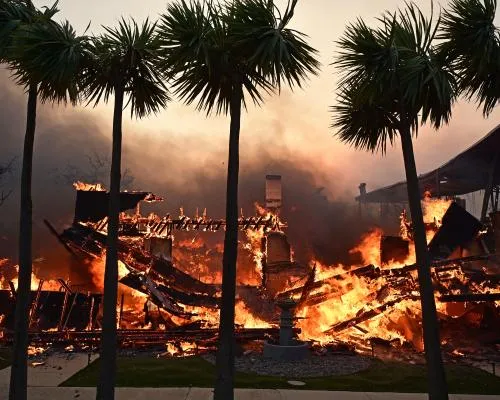 US Lawmakers Call for Regulating Wildfire Betting Amid Growing Concerns
US senators have called on government agencies to crack down on betting platforms that allow users to wager on wildfires, citing concerns over potential arson risks.
-
 White House Announces Redesign of Helipad for Larger Marine One Chopper
The White House confirms plans to redesign a helipad to accommodate a new, larger Marine One helicopter due to President Trump's dissatisfaction with the current landing pad’s appearance and lawn slope.
-
 Falmouth Docks Expansion Plan Sparks Controversy
Plans to expand Falmouth Docks for larger cruise ships are causing controversy among residents who worry about environmental damage and changes to their community.
-
 Teen Golfers Save Family from Drowning During Tryouts
Virginia teenagers Andrew Tuggle, Gavin Cain, and Jackson Castro saved a family from drowning during golf tryouts, earning spots on the Eastern View high school’s team.
-
 Florida Python Challenge Sees Record Participation and Removal
The Florida Python Challenge saw record participation and snake removals, with over 900 hunters capturing hundreds of Burmese pythons in an effort to protect native wildlife.


