- Man jailed for four years after faking brake failure
- Police pursued vehicle 35 miles at up to 86mph
- Jaguar spent £50m in marketing to counter false claims
What Happened
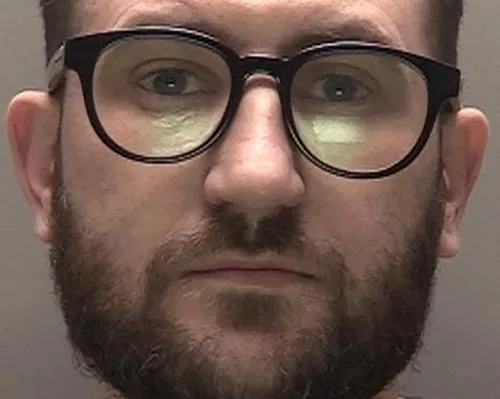
Nathan Owen, 33, from Prestatyn, was sentenced to four years and three months in prison for driving his electric Jaguar at up to 86mph on motorways while falsely claiming the car had malfunctioned. The incident occurred on March 6, 2024, involving a dangerous pursuit of over 35 minutes and spanning approximately 38 miles across the M58, M57, and M62 in Merseyside. During this time, Owen evaded police by colliding with their vehicles more than 30 times. The Jaguar I-Pace eventually came to a stop near junction 12 of the M62 when the battery ran out.Details of the Incident
Owen initially called emergency services claiming his car was accelerating uncontrollably and he had no means to brake. However, investigations by police revealed that on the day of the incident, his vehicle was stationary when he made this call. Footage played in court showed Owen turning on the brake lights after being stopped, dispelling his claims of a malfunctioning car.Financial Implications
Jaguar Land Rover UK (JLR) disclosed that they had to spend an extra £50 million in marketing efforts to counter the adverse media generated from Owen's false claims. This included 180 pieces of negative coverage, leading JLR to issue a statement noting that extensive investigations revealed the car was functioning correctly throughout the incident.Consequences and Sentencing
The judge, Ian Unsworth KC, condemned Owen’s actions as “frighteningly stupid,” highlighting their significant impact on public safety, financial disruption, and police resources. Owen faced multiple charges including dangerous driving and fraud. The prosecution noted that minutes after being denied a loan, Owen falsely called emergency services for help, despite his car being stationary at the time.Additional Context
Owen’s defense argued that he came from a stable family and had been described by his father as living in a fantasy world. The court heard evidence of Owen's financial struggles leading up to the incident, including his attempt to borrow money but being denied just minutes before making the emergency call. Daniel Travers, defending, said Owen had about £5,000 left to pay to a car finance company and was later paid £300 by The Sun and £500 by the Daily Mail for his story. Owen pleaded guilty to dangerous driving and two counts of fraud in June.Conclusion
The case highlights the severe consequences of false claims and the importance of honesty, particularly when involving vehicles and emergency services. The extensive legal proceedings and financial repercussions underscore the seriousness with which such incidents are treated by both law enforcement and automakers.Source: The Guardian

Uk News Feed
365 posts
-
 Star Wars Translated into Welsh for S4C Broadcast
A Welsh translation of the 1977 Star Wars film will be broadcast on S4C this Christmas, featuring prominent Welsh actors and celebrating the language's rich history.
-
 Star Wars Translated into Welsh for First Time on S4C
The 1977 classic 'Star Wars' will be translated into Welsh for the first time as part of a project by S4C and Lucasfilm to celebrate the film's 50th anniversary.
-
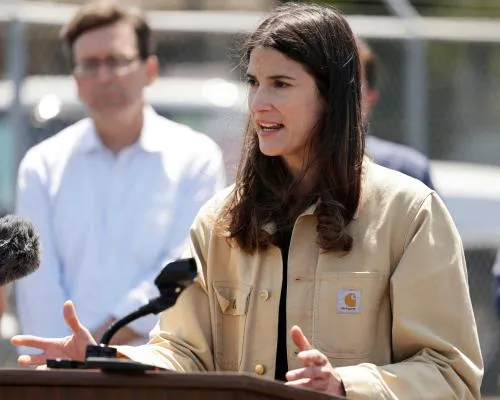 Democrat Faces Tough Primary After Flipping Trump District
Incumbent Marie Gluesenkamp Perez faces tough primary challenges after winning a traditionally Republican district. Her success and subsequent struggles highlight the internal divisions within the Democratic party.
-
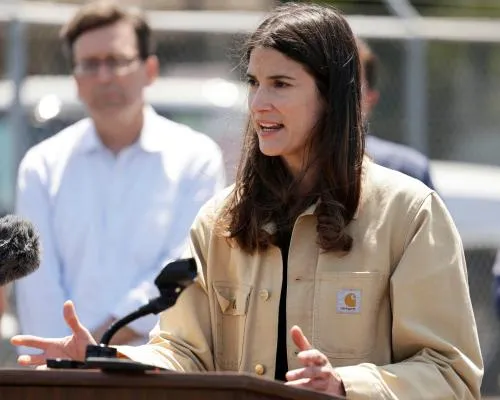 Congresswoman Marie Gluesenkamp Perez Faces Tough Primary Amid Party Divide
Incumbent Democrat Marie Gluesenkamp Perez is facing tough competition from fellow Democrats and Republicans in her primary election after successfully flipping a pro-Trump district.
-
 US Senate Advances Nomination of Todd Blanche Amid Controversy
The US Senate judiciary committee advances Todd Blanche's nomination for attorney general despite reservations and concerns over a $1.8 billion fund. Meanwhile, Tarrant County proposes cutting polling locations, sparking criticism of potential voter suppression.
-
 Standards Watchdog Opens Investigation Into Reform UK Deputy Leader
Parliament’s standards watchdog investigates Reform UK deputy leader Richard Tice over a possible failure to declare an interest during a debate. Ongoing investigations into the party include police probes and allegations of tax evasion.
-
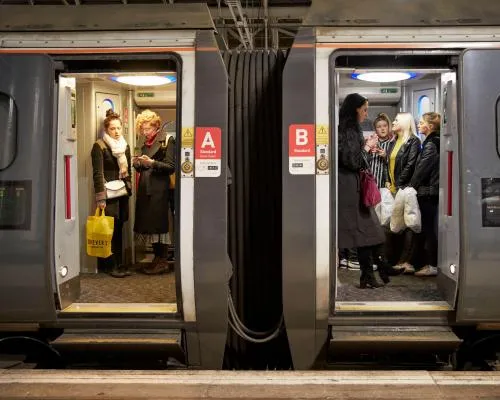 Crowded Commutes: The Reality of England’s Busiest Train Service
The 5.46pm train from London Euston to Crewe is England's busiest commuter-only route, facing frequent overcrowding and discomfort for passengers.
-
 UK Army's New Training Simulation: A Virtual Reality Approach
UK's Skyral, part of a £2bn MoD contract, uses advanced virtual simulations to train soldiers on complex battlefield decisions.
-
 Michigan Primary Highlights Democrats’ Internal Strife
Michigan's Democratic primary highlights the internal strife within the party over its future direction, with significant external spending and support from groups like AIPAC.
-
 Border Wall Construction Ordered to Cease Drilling Wells Due to Water Concerns in New Mexico
Construction crews building a border wall in New Mexico were ordered to stop drilling new wells due to concerns over groundwater depletion, as ranchers fear this could threaten their livestock and water supply amid a severe drought.


