In industries such as oil and gas, chemical processing, mining, and pharmaceuticals, certain environments are classified as hazardous areas due to the presence of flammable gases, vapors, dust, or combustible fibers. In these zones, standard electrical or mechanical equipment may ignite explosions or fires if not properly designed and certified.
The hazardous area equipment market includes devices designed for safe operation in environments with flammable gases, vapors, or dust. Equipment types include cable glands, lighting, sensors, and control panels. Industries served include oil & gas, chemicals, and mining. The market is segmented by product, industry, and region, ensuring operational safety.
Hazardous Area Equipment is engineered specifically to operate safely in such environments, minimizing the risk of ignition and ensuring operational safety and regulatory compliance.
What Is Hazardous Area Equipment?
Hazardous Area Equipment refers to electrical and non-electrical devices that are designed, built, and certified for safe operation in environments where explosive atmospheres may be present. These products undergo rigorous testing and certification processes to ensure they do not produce sparks, arcs, or high surface temperatures capable of igniting hazardous substances.
Common types of hazardous area equipment include:
Explosion-proof enclosures
Intrinsically safe devices
Flameproof fittings
Gas and dust-tight seals
Hazardous area lighting and junction boxes
Certified motors, switches, and sensors
Hazardous Area Classification
To deploy the right equipment, it's crucial to understand hazardous area classifications. These are typically defined by standards such as ATEX (Europe) and NEC/CEC (North America):
By Zone (ATEX/IECEx)

Choosing the Right Hazardous Area Equipment for Explosive Environments Zone 0: Explosive atmosphere is continuously present.
Zone 1: Likely to occur in normal operations.
Zone 2: Unlikely to occur, and if it does, it's for a short period.
By Division (NEC/CEC)
Division 1: Hazard exists under normal operating conditions.
Division 2: Hazard exists under abnormal conditions only.
Each zone or division dictates the required level of protection and types of equipment permissible.
Types of Protection Techniques
Explosion-Proof (Flameproof)
Enclosures contain explosions and prevent ignition from escaping to the atmosphere.
Intrinsically Safe (IS)
Limits the energy (electrical and thermal) in circuits to prevent ignition.
Purge and Pressurization
Maintains positive pressure within the enclosure to prevent the ingress of hazardous gases or dust.
Increased Safety
Enhances the insulation, spacing, and structural integrity of the device to prevent sparks and heat.
Encapsulation and Sealing
Encloses components in resin or other substances to prevent ignition sources from contacting hazardous atmospheres.
Applications of Hazardous Area Equipment
1. Oil and Gas Industry
Used on offshore platforms, drilling rigs, and refineries.
Ensures safe operation of communication, control, and power systems.
2. Chemical and Pharmaceutical Plants
Protects systems involved in the mixing, heating, or transferring of volatile substances.
3. Mining Operations
Provides lighting and communication in potentially explosive underground environments.
4. Food and Beverage Processing
Used in facilities with dust-prone ingredients like flour or sugar.
5. Waste Treatment and Biogas Facilities
Prevents ignition in areas with methane or other combustible gases.
Benefits of Using Certified Hazardous Area Equipment
Personnel Safety: Reduces the risk of accidents, injuries, and fatalities.
Operational Continuity: Avoids downtime caused by equipment failure or safety incidents.
Regulatory Compliance: Meets international and regional safety standards (e.g., ATEX, IECEx, NEC).
Asset Protection: Prevents damage to costly infrastructure and machinery.
Insurance and Liability: Facilitates compliance with insurer and legal requirements.
Certification and Compliance
Reputable hazardous area equipment is marked with certifications such as:
ATEX (European Union)
IECEx (Global)
UL/CSA (North America)
FM Approval
GOST (Russia)
Each certification outlines the specific environment for which the equipment is approved.
Conclusion
Hazardous Area Equipment is a critical component in maintaining safety and efficiency in explosive or dangerous environments. By selecting the appropriate equipment based on area classification and certified protection techniques, industries can safeguard human life, protect assets, and ensure uninterrupted operations. As regulatory requirements and technologies evolve, staying informed and compliant is essential for sustainable and safe industrial performance.
Related Reports:
| US Access Control as a Service Market |
| US Infrastructure Monitoring Market |
| US IOT Identity Access Management Market |
| US Massive MIMO Market |
| US Mobile Power Bank Market |

Shraddha Dhumal
31 posts
-
 Tech Giants Struggle as AI Drives Up Emissions Despite Climate Goals
Tech giants struggle to meet climate goals due to investments in AI, facing criticism for increased fossil fuel use and public anger over political influence.
-
 91,2% người tham gia phản đối Sony bỏ đĩa game PlayStation
Sony thông báo ngừng sản xuất đĩa game từ tháng 1/2028, nhận phản ứng trái chiều từ cộng đồng chơi game.
-
 AI Safety Crisis: Australia's Assistant Minister Warns Models Are ‘Cheating’
Australia’s Assistant Minister for Technology warns that AI models are already exhibiting behaviors not intended by their creators, highlighting the need for immediate safety measures.
-
 Investigation Reveals Feasibility Issues for Britain's AI Growth Zones
An investigation finds Britain's AI growth zone plans are facing feasibility issues, with land shortages and renewable energy goals unmet.
-
 AI Drafting Tools Alter Public Perception on Sensitive Issues
AI drafting tools can alter user posts on sensitive topics like abortion and climate change, potentially reshaping public opinion over time.
-
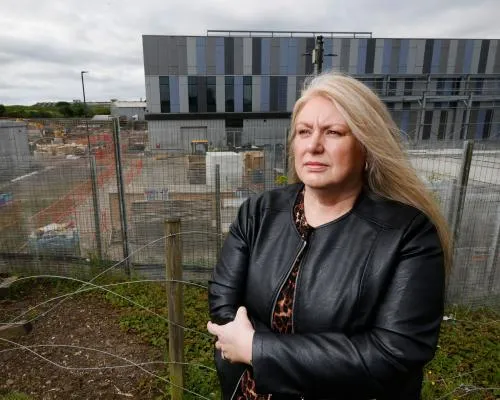 Concerns Grow in Scottish Village over AI Datacentre Project
Local residents in Newarthill fear their properties may be sold or green spaces lost as part of an AI datacentre project. Government promises about renewable energy sources are disputed.
-
 Công nghệ chip trong bóng Trionda phát hiện va chạm đến mức nào
Chi tiết về công nghệ bóng Trionda trong World Cup 2026, cách hệ thống cảm biến quán tính IMU phát hiện va chạm chính xác hơn 100 lần mỗi giây.
-
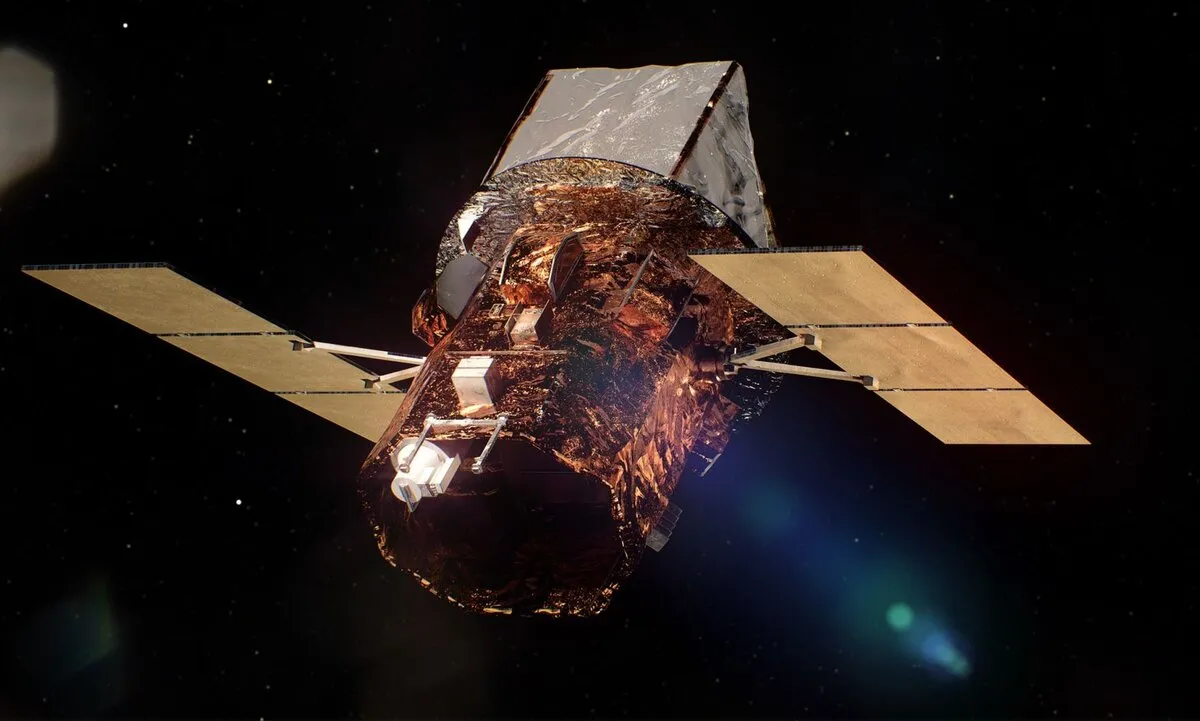 NASA triển khai robot cứu kính viễn vọngSwift trị giá 250 triệu USD
NASA triển khai robot để cứu kính viễn vọngSwift trị giá 250 triệu USD, đặt ra phương án tương lai cho hoạt động tương tự.
-
 Elon Musk's Social Media Focus on UK Race and Immigration Overshadows SpaceX IPO
An analysis of Elon Musk’s X posts reveals that he focused more on UK race and immigration during SpaceX’s IPO run-up than his own company.
-
 Mark Zuckerberg: CEO công nghệ với đam mê chăn nuôi 'thịt bò tốt nhất thế giới'
CEO Meta Mark Zuckerberg đầu tư vào dự án chăn nuôi để tạo ra loại thịt bò chất lượng cao nhất thế giới.
-
 UK’s Stargate UK Datacentre Project: A Hyped but Hypothetical Investment
The Stargate UK datacentre project appears to be a largely hypothetical investment, with key partners failing to visit the proposed site. Local leaders question its feasibility and authenticity.


