- Thousands of immigrants have fled South Africa due to violent demonstrations targeting undocumented individuals.
- The protests, which peaked in June, demand that illegal immigrants leave the country by a given deadline.
- Vigilante attacks and government negligence have led to significant displacement and hardship among migrants.
- Campaigners argue for better integration while critics claim the marches are deflecting blame from the government.
Incidents in Thembelihle
In an informal settlement south of Johannesburg, known as Thembelihle, Malawian immigrants lived peacefully alongside South Africans for years. However, recent armed robberies have brought unrest to the community. In June and July 2023, several incidents saw men break into homes, beat residents, and steal valuable items.
On one night in July, five men entered the home of Moosa Addi Kunje, a 60-year-old Malawian who has lived in South Africa since 2000. They beat him severely, stole his fridge, TV, and mobile phone, and left him with stitches on his head from being hit by a pistol. Aisha Muhammed, another victim of the same night, said they took her savings for returning to Malawi.
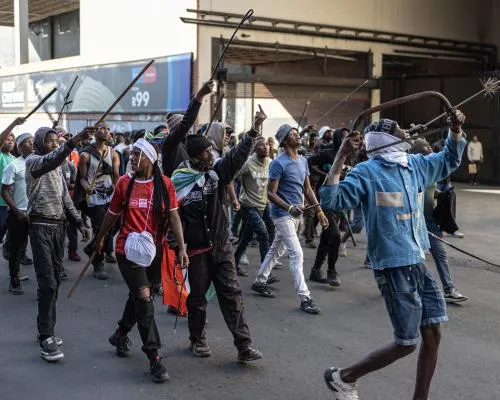
The violence is part of a larger wave of anti-immigrant protests that have gripped South Africa since March 2023. The government has deported at least 54,000 people and killed four during these demonstrations.
Impact on Communities
Thousands have fled their homes amid the chaos, with many sleeping outside consulates in Johannesburg. At the Malawian consulate, dozens of women with young children waited to leave South Africa after being fired from jobs. The situation has worsened for immigrants who are unable to access healthcare, as reported by Médecins Sans Frontières.
Despite government claims that there is no humanitarian crisis, NGOs like Section27 argue that everyone in South Africa should have access to primary healthcare regardless of immigration status. The justice minister stated that the government only provides emergency care for illegal immigrants and not comprehensive healthcare as guaranteed by law.
Protests and Government Response
The protests, which were given an unofficial deadline in June, have led to further displacement. March and March, a group demanding that illegal immigrants leave, continued their demonstrations despite government skepticism. Critics argue that the marches deflect attention from systemic issues within South Africa.
On July 16th, a march through Johannesburg's Alexandra township saw protesters break doors down and target both migrants and South Africans indiscriminately. The police did not intervene in these incidents but have emphasized that door-to-door identification demands are illegal.
Conclusion
The ongoing anti-immigrant protests highlight the complex issues of integration, xenophobia, and government policy. As more immigrants leave or face displacement, the situation underscores the need for a balanced approach to address both economic challenges and the treatment of undocumented individuals.
Source: The Guardian

Guardian News World
589 posts
-
 India’s Cockroach Protests Spark Youth Rebellion Against Modi Regime
Thousand-strong protests in Delhi against India's Education Minister Dharmendra Pradhan mark a significant moment of public defiance against the ruling BJP government.
-
 Sinh tồn kỳ diệu của Kai Sato sau 28 ngày trôi dạt trên Thái Bình Dương
Kai Sato, 39 tuổi, mất tích trên Thái Bình Dương hơn một tháng và được cứu sống sau 28 ngày trôi dạt. Trải qua nhiều khó khăn, anh đã xốc lại tinh thần để duy trì sự sống.
-
 Ukrainian Startup Fire Point Pioneers Long-Range Missile and Drone Production
Fire Point, a Ukrainian startup, is producing long-range missiles and drones at scale, significantly boosting Ukraine's deep-strike capabilities during the ongoing conflict.
-
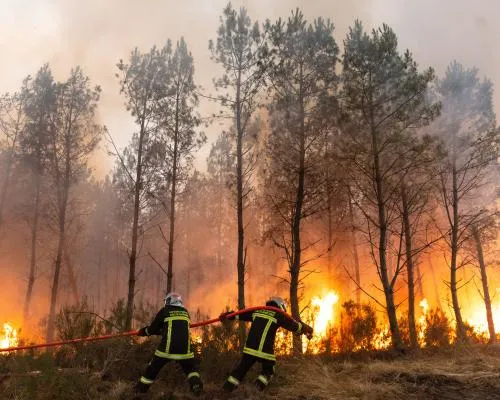 Europe Faces Intense Wildfire Crisis: Spain and France Battle Major Blazes
Europe grapples with intense wildfires in Spain and France, exacerbated by extreme weather conditions. Emergency measures are being implemented amid concerns about future threats.
-
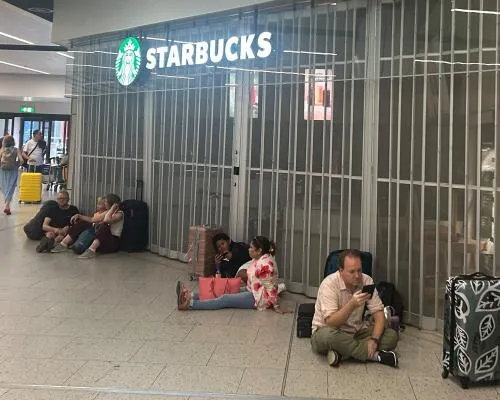 Water Supply Restoration at Gatwick Airport After Hours of Disruption
Gatwick Airport’s water supply issues led to closed toilets and food outlets, causing inconvenience to passengers during a critical travel period.
-
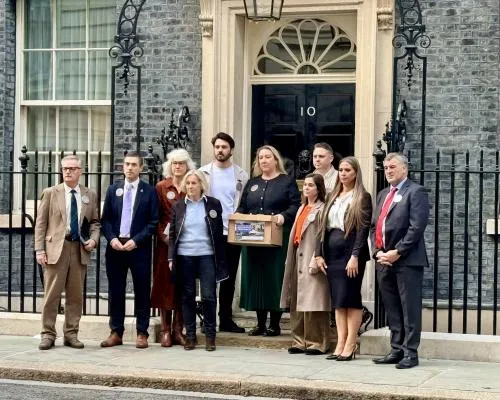 Families of RAF Chinook Crash Victims Call for Prime Minister's Review
Families of RAF Chinook crash victims in 1994 are calling on the new Prime Minister to initiate an independent review amid concerns over potential cover-ups and misinformation.
-
 Taylor Farms' Request for White House Delay Raises Questions During Cyclospora Outbreak
Taylor Farms sought White House intervention during its recall of potentially contaminated iceberg lettuce, raising questions about standard operating procedures in managing food safety outbreaks.
-
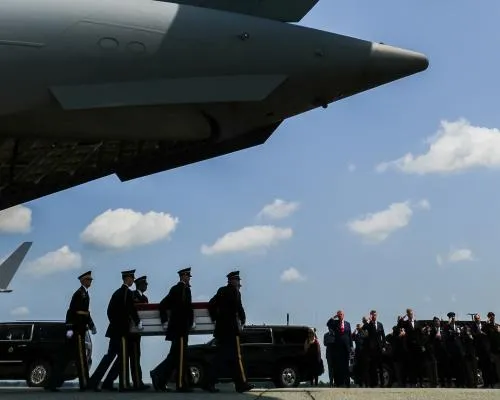 Pentagon Updates Casualty Database Amid Iran Conflict
The Pentagon updated its casualty database, adding over 140 wounded service members, sparking disputes over how casualties are counted.
-
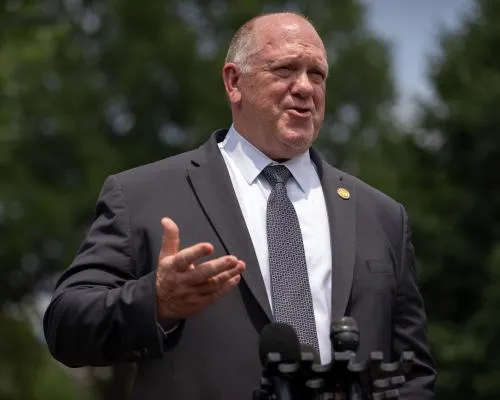 ICE Officer's Background Raises Questions Amid Maine Shooting
Tom Homan, former ‘border czar,’ questions the vetting of an ICE officer involved in a fatal shooting in Maine, raising concerns about the agency's hiring practices.
-
 Iran tuyên bố ngừng tập kích, Mỹ hé lộ lý do dừng không kích
Iran tuyên bố ngừng tập kích trả đũa, trong khi Mỹ quyết định tạm dừng không kích để thúc đẩy ngoại giao. Tác động cụ thể đến khu vực Trung Đông và xung đột giữa Iran và Mỹ.
-
 Prediction Markets Gaining Traction in the UK Amid US Boom
UK residents are exploring prediction markets like Polymarket, driven by events such as the World Cup and local political elections, despite regulatory challenges.


