Met Police Secretly Monitored Activist Helen Steel During Search for Ex-Undercover Officer

- Helen Steel was secretly monitored by New Zealand police at the request of the Met.
- The surveillance and relocation costs of an undercover officer named John Dines totaled £2.5m.
- Steel accused the Metropolitan Police of using state powers to prevent her from discovering Dines' true identity.
Secret Surveillance of Helen Steel
Helen Steel, a well-known leftwing campaigner, and her parents landed at Auckland airport for a family holiday on December 14, 2002. It had been a tiring journey, so they were irritated when they were delayed leaving the airport for an hour.
Little did they know that this delay was part of a covert operation initiated three weeks earlier. Police in New Zealand, acting on instructions from Scotland Yard, had placed Steel under surveillance. They followed her and took photographs of her movements.

These revelations came to light during the spycops public inquiry, which is examining the conduct of undercover police officers who monitored more than 1,000 political groups between 1968 and at least 2010. Senior Scotland Yard officers had arranged for New Zealand police to secretly monitor Steel on two occasions as part of a calculated plan to protect an undercover officer.
Helen Steel testified that the surveillance and use of public funds were abuses of state powers intended to prevent her from discovering how John Dines, an undercover officer, had “deceived and sexually exploited” her. She was particularly upset about the police protecting what she described as an “illegitimate and undemocratic operation.”
Paul Condon, the former Met Commissioner, admitted during the hearings that Scotland Yard had failed to control officers involved in numerous abuses, including monitoring grieving families such as those of murdered teenager Stephen Lawrence, stealing identities of dead children, and lying in court.
The relationship between Helen Steel and John Dines began in 1990. At first, she believed he was an ideal man who wanted to have six children and spend the rest of his life with her. However, in 1992, Dines disappeared after claiming a mental breakdown, which turned out to be a lie to end his undercover deployment.
Steel suffered from “sadistic and callous psychological torture” over a prolonged period as Dines gave her contradictory signals—repeatedly going missing, claiming he could not handle their relationship, before returning and proclaiming his love for her. After his disappearance, she started investigating who he really was, eventually uncovering that he had been an undercover spy.
Documents before the inquiry revealed Scotland Yard’s secret tracking of Steel. While she tried to trace Dines, police logged her interactions with people like a barrister in Auckland, who provided legal advice during her McLibel case trial. The longest trial in English history, this battle involved Steel and another campaigner suing McDonald's.
In December 2002, Steel flew to New Zealand for two months with her parents to visit friends and family. At the behest of Scotland Yard, New Zealand police were instructed to monitor her movements. One report noted that “Steel has done little other than local shopping with her sister.” It also mentioned urgent inquiries to identify her sister and family.
As Steel contacted people she believed might have been Dines’s relatives, the Metropolitan Police devised a plan to move him and his family to Australia quickly. The cost of subsidizing the purchase of an expensive house in Sydney and compensating Dines for lost income as a barrister were included in this £2.5 million expenditure.
Senior officers claimed they did not know about Steel’s relationship with Dines, but campaigners dismissed this claim. Undercover officers routinely formed sexual relationships with women they were spying on, making their assertion implausible.
The case highlights the extensive lengths taken by law enforcement agencies to protect undercover operations and prevent activists from discovering the truth about their surveillance. Helen Steel's experience underscores the need for increased transparency and accountability in policing practices that involve secret monitoring of individuals and families.
Source: The Guardian
Uk News Feed
338 posts
-
 India’s Cockroach Protests Spark Youth Rebellion Against Modi Regime
Thousand-strong protests in Delhi against India's Education Minister Dharmendra Pradhan mark a significant moment of public defiance against the ruling BJP government.
-
 Sinh tồn kỳ diệu của Kai Sato sau 28 ngày trôi dạt trên Thái Bình Dương
Kai Sato, 39 tuổi, mất tích trên Thái Bình Dương hơn một tháng và được cứu sống sau 28 ngày trôi dạt. Trải qua nhiều khó khăn, anh đã xốc lại tinh thần để duy trì sự sống.
-
 Ukrainian Startup Fire Point Pioneers Long-Range Missile and Drone Production
Fire Point, a Ukrainian startup, is producing long-range missiles and drones at scale, significantly boosting Ukraine's deep-strike capabilities during the ongoing conflict.
-
 Europe Faces Intense Wildfire Crisis: Spain and France Battle Major Blazes
Europe grapples with intense wildfires in Spain and France, exacerbated by extreme weather conditions. Emergency measures are being implemented amid concerns about future threats.
-
 Water Supply Restoration at Gatwick Airport After Hours of Disruption
Gatwick Airport’s water supply issues led to closed toilets and food outlets, causing inconvenience to passengers during a critical travel period.
-
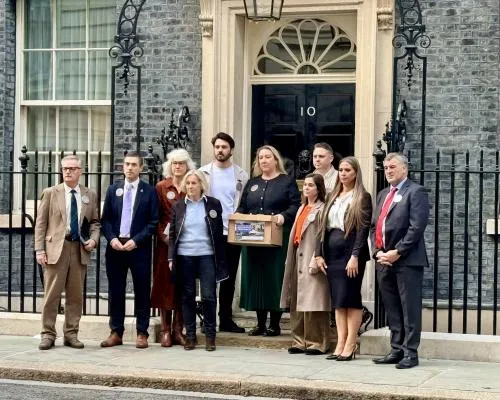 Families of RAF Chinook Crash Victims Call for Prime Minister's Review
Families of RAF Chinook crash victims in 1994 are calling on the new Prime Minister to initiate an independent review amid concerns over potential cover-ups and misinformation.
-
 Taylor Farms' Request for White House Delay Raises Questions During Cyclospora Outbreak
Taylor Farms sought White House intervention during its recall of potentially contaminated iceberg lettuce, raising questions about standard operating procedures in managing food safety outbreaks.
-
 Pentagon Updates Casualty Database Amid Iran Conflict
The Pentagon updated its casualty database, adding over 140 wounded service members, sparking disputes over how casualties are counted.
-
 ICE Officer's Background Raises Questions Amid Maine Shooting
Tom Homan, former ‘border czar,’ questions the vetting of an ICE officer involved in a fatal shooting in Maine, raising concerns about the agency's hiring practices.
-
 Iran tuyên bố ngừng tập kích, Mỹ hé lộ lý do dừng không kích
Iran tuyên bố ngừng tập kích trả đũa, trong khi Mỹ quyết định tạm dừng không kích để thúc đẩy ngoại giao. Tác động cụ thể đến khu vực Trung Đông và xung đột giữa Iran và Mỹ.
-
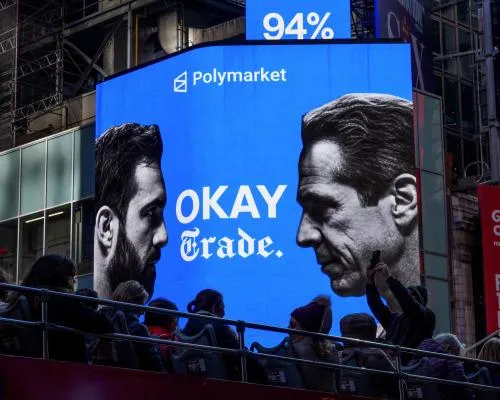 Prediction Markets Gaining Traction in the UK Amid US Boom
UK residents are exploring prediction markets like Polymarket, driven by events such as the World Cup and local political elections, despite regulatory challenges.


