- Democrats in Congress oppose Trump's policy towards Iran.
- Iran reports explosions and damage following U.S. attacks.
- U.S. resumes naval blockade of Iranian ports and imposes new sanctions.
- Regional efforts to bypass Strait of Hormuz continue.
Key Developments in U.S.-Iran Tensions
The United States has intensified its military operations against Iran, with reports of additional strikes targeting Iranian military facilities. These actions come as the U.S. Senate minority leader, Chuck Schumer, publicly criticized the administration for escalating tensions without a plan or exit strategy.
Reactions and Countermeasures
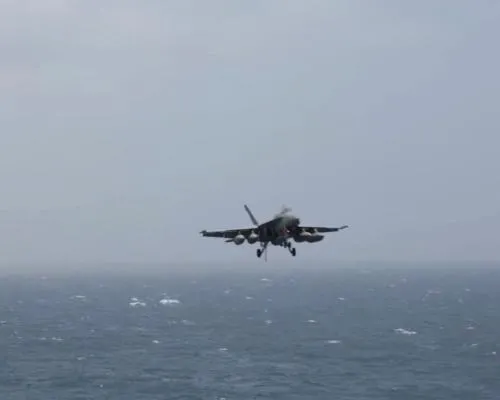
Iran has reported explosions in several locations including Bampur, Chabahar, Bandar Abbas, and Sirik. The Iranian state-run IRNA agency stated that there were no civilian casualties or damage to residential properties as a result of the latest U.S. attacks. Meanwhile, Kuwait has confirmed injuries among its naval personnel due to an attack by Iran.
Regional Strategic Moves
The United States is supporting efforts to reconstruct an oil pipeline between Iraq and Syria, aiming to reduce reliance on the Strait of Hormuz. The U.S. Department of State expects American companies to participate in this project, which could provide an alternative route for oil exports.
Impact of U.S. Sanctions
The U.S. has reimposed a naval blockade of Iranian ports and issued new sanctions targeting specific entities. These measures are part of a broader strategy to exert pressure on Iran without formally declaring war.
Iran’s Response and Future Plans
Iran's deputy foreign minister, Kazem Gharibabadi, stated that the Strait of Hormuz remains under its national sovereignty despite U.S. blockades. The Islamic Revolutionary Guard Corps claimed to have struck a drone ramp at Kuwait’s Ali Al Salem airbase in response to U.S. attacks.
Domestic Political Implications
In Congress, Democrats are opposing efforts to cut funding for Israel, reflecting growing criticism of U.S. support for the Middle Eastern ally among voters. This trend could influence upcoming primary elections and potentially impact the broader political landscape in the United States.
The ongoing military operations and economic pressures on Iran underscore the complexity of regional dynamics. As both sides continue to escalate their stance, the potential for diplomatic solutions diminishes, leaving the future uncertain for the parties involved.
Source: The Guardian

Guardian News World
579 posts
-
 Angolan Court Convicts Russians of Terrorism and Spying
Angolan court sentences two Russians for terrorism and spying after their alleged roles in a planned coup and fuel protests. The verdict has sparked legal appeals.
-
 Iran Crisis: A Systemic Issue Beyond Trump’s Presidency
The Iran crisis is examined as part of a larger context beyond just Trump’s presidency, highlighting recurring patterns of U.S. military interventions in the Middle East.
-
 Ukraine’s Zelenskyy Faces Pressure to Restore Ousted Defense Minister
Ukraine faces calls to restore Mykhailo Fedorov as defense minister amid ongoing protests, while EU imposes its largest sanctions package against Russia in four years.
-
 Mexican Mayor Assassinated Months After Narrow Escape
A mayor in Morelos state, Mexico, was assassinated after surviving an earlier attack, marking the 13th such incident since President Claudia Sheinbaum took office.
-
 US President Trump Considers Major Military Strike Against Iran
US President Donald Trump considers launching a massive attack against Iran, while oil prices soar past $100 per barrel. Tensions escalate amid international withdrawal of staff and increased military presence.
-
 Severe Wildfires and Record Heat Grip Southern Europe
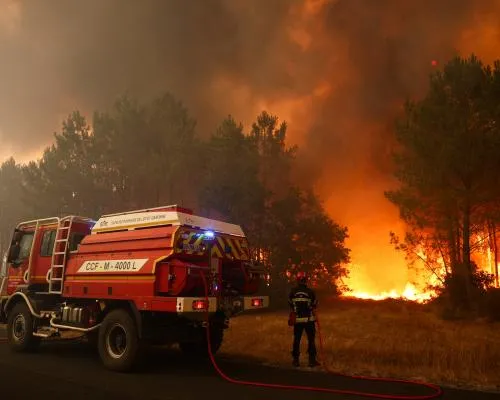
Over 20,000 people evacuated due to wildfires in France as extreme heat waves grip southern Europe, leading to record-breaking temperatures.
-
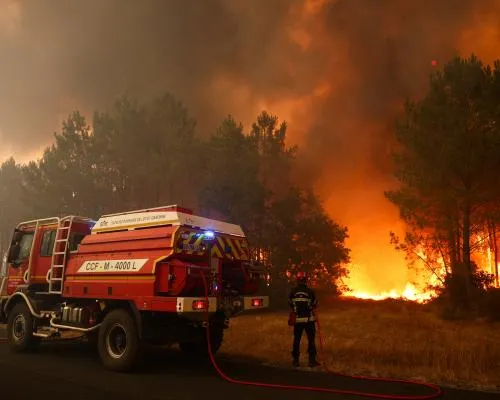 Extreme Heat and Wildfires Ravage Southern Europe
Thousands flee as extreme heat and wildfires ravage southern Europe, with temperatures soaring to record levels and a marine heatwave scorching coastal areas.
-
 Frequency of Mosque Attacks Puts Spotlight on Security Concerns
A new report highlights the frequency of mosque attacks in Britain, with one attack every five days over the past year.
-
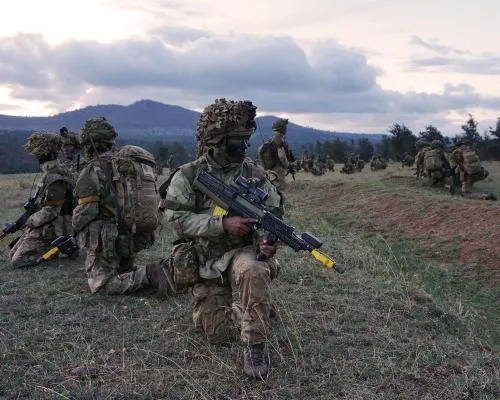 British Army Training in Kenya Suspended Amid Disputes
The British Army has cancelled its September training in Kenya due to disagreements over funding, jurisdiction for criminal offences, and human rights concerns.
-
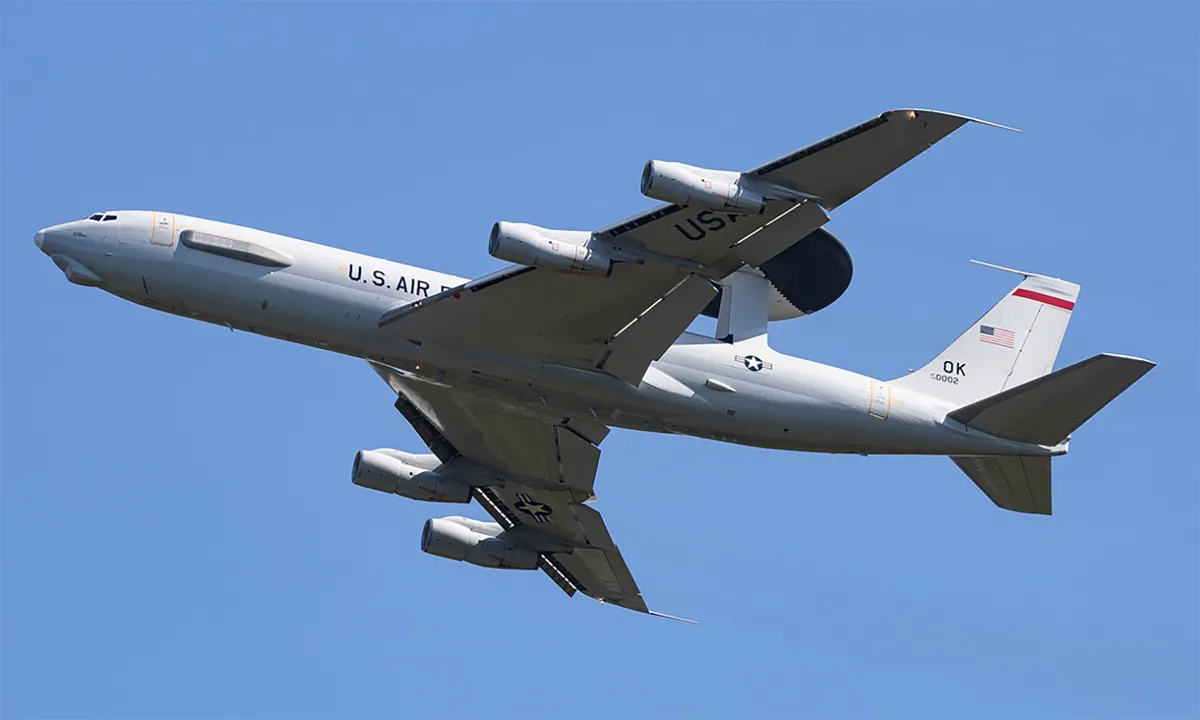 Máy bay 'mắt thần' Mỹ phát tín hiệu khẩn nguy giữa đợt tập kích Iran: Ý nghĩa chiến lược
Máy bay cảnh báo sớm E-3 Sentry của Mỹ phát tín hiệu khẩn nguy trên vùng trời Arab Saudi khi quân đội Mỹ tiến hành chiến dịch tập kích Iran. Ý nghĩa thực sự đằng sau hành động này là gì?
-
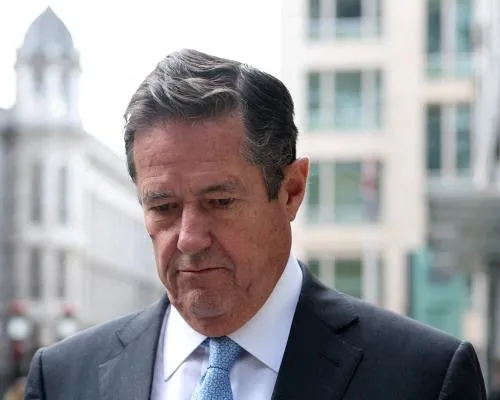 Barclays Former CEO Jes Staley Set to Testify on Epstein Ties in Closed Hearing
Barclays ex-CEO Jes Staley is set to testify before US lawmakers about his past relationship with Jeffrey Epstein as part of an investigation into the convicted sex offender’s network.


