- The Iran crisis is not solely a result of Donald Trump's policies.
- Military interventions in the Middle East are not unique to any one presidency.
- Global economic order and energy security underpin ongoing conflicts like those in the Strait of Hormuz.
The Context Beyond TrumpWhile the current crisis with Iran is often framed as a consequence of Donald Trump’s presidency, it would be inaccurate to view the situation through this narrow lens. The article by Simon Tisdall highlights that the dangers posed by the Trump administration and its policies are real and significant; however, they do not represent an anomaly in American foreign policy.
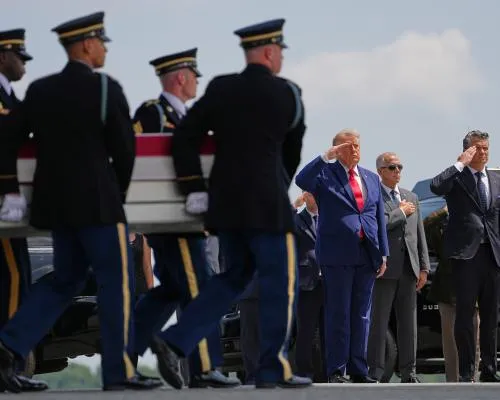
Recurrent Patterns of Military InterventionThe piece emphasizes the need to consider broader historical contexts when analyzing contemporary conflicts. Tisdall notes that military interventions such as those in Iraq, Afghanistan, and Libya were carried out during administrations with more conventional approaches. These actions, whether conducted under Republican or Democratic leadership, have repeatedly resorted to military means, making war a recurring feature rather than an aberration.
Strategic Importance of the Strait of HormuzThe strategic importance of the Strait of Hormuz extends beyond any one administration’s policies. Its significance lies in the global economic order that depends on secure energy supplies and trade routes. The projection of military power to ensure these is a consistent feature of American foreign policy, regardless of who occupies the White House.
Continuity and ControlThe letters from Blaine Stothard and Harvey Gilbert further underscore this point. Both writers argue that the current crisis is part of a larger pattern of U.S. military interventions rather than an isolated incident attributable solely to Trump’s presidency. They suggest that addressing these issues requires looking beyond individual leaders to systemic changes within the political framework.
Ultimately, the Iran crisis reflects deeper structural issues in global politics and economics. While it is crucial to hold current administrations accountable for their actions, a broader perspective is necessary to understand and address long-standing problems of military intervention and energy security.
Source: The Guardian

Guardian News World
578 posts
-
 Ukraine’s Zelenskyy Faces Pressure to Restore Ousted Defense Minister
Ukraine faces calls to restore Mykhailo Fedorov as defense minister amid ongoing protests, while EU imposes its largest sanctions package against Russia in four years.
-
 Mexican Mayor Assassinated Months After Narrow Escape
A mayor in Morelos state, Mexico, was assassinated after surviving an earlier attack, marking the 13th such incident since President Claudia Sheinbaum took office.
-
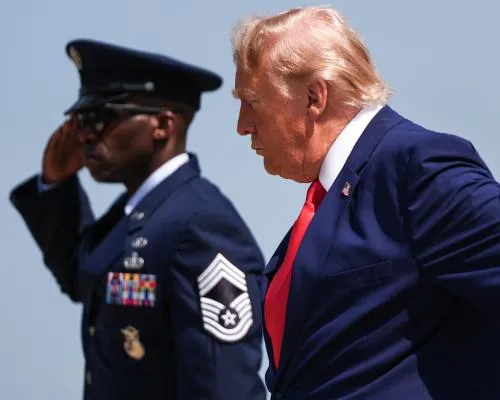 US President Trump Considers Major Military Strike Against Iran
US President Donald Trump considers launching a massive attack against Iran, while oil prices soar past $100 per barrel. Tensions escalate amid international withdrawal of staff and increased military presence.
-
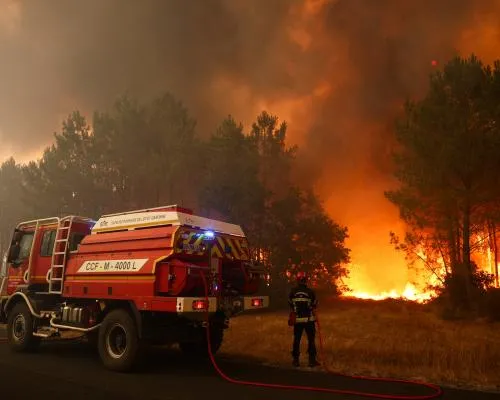 Severe Wildfires and Record Heat Grip Southern Europe
Over 20,000 people evacuated due to wildfires in France as extreme heat waves grip southern Europe, leading to record-breaking temperatures.
-
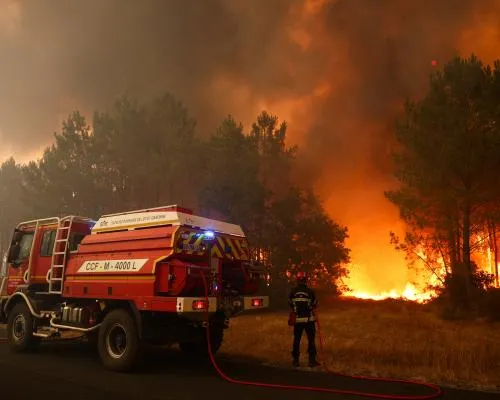 Extreme Heat and Wildfires Ravage Southern Europe
Thousands flee as extreme heat and wildfires ravage southern Europe, with temperatures soaring to record levels and a marine heatwave scorching coastal areas.
-
 Frequency of Mosque Attacks Puts Spotlight on Security Concerns
A new report highlights the frequency of mosque attacks in Britain, with one attack every five days over the past year.
-
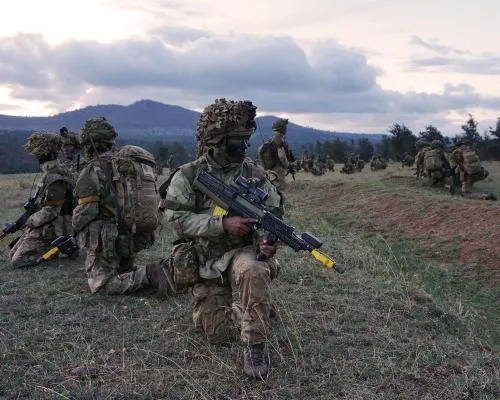 British Army Training in Kenya Suspended Amid Disputes
The British Army has cancelled its September training in Kenya due to disagreements over funding, jurisdiction for criminal offences, and human rights concerns.
-
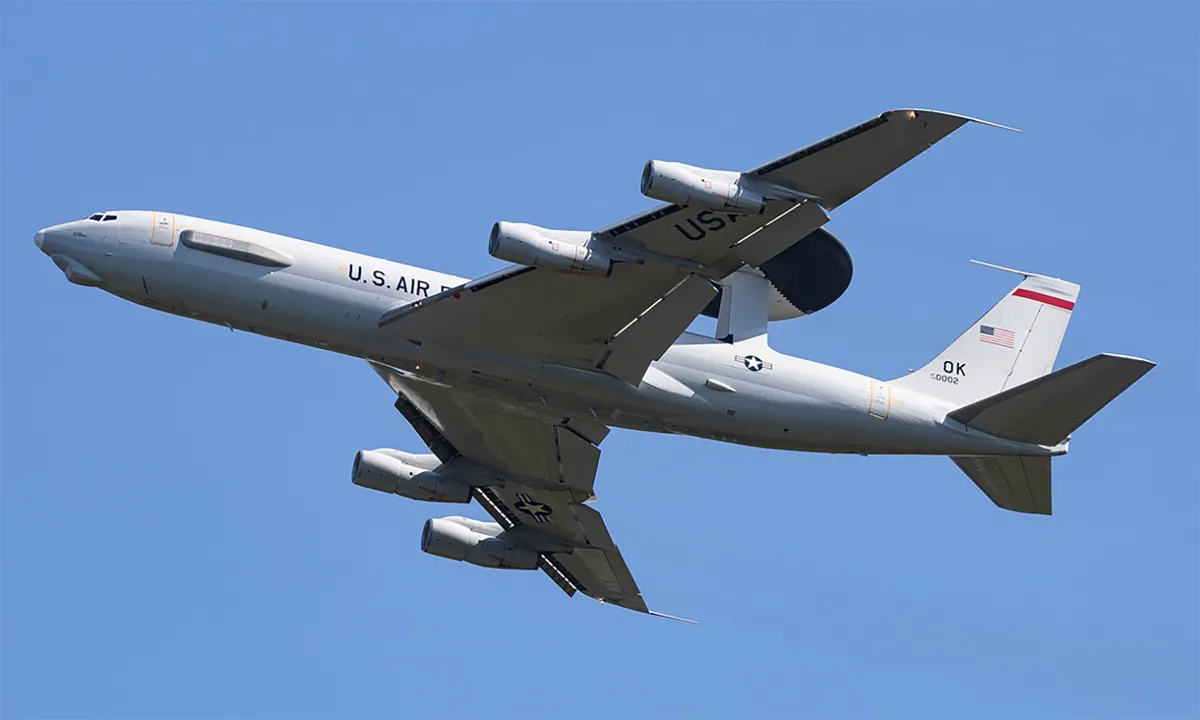 Máy bay 'mắt thần' Mỹ phát tín hiệu khẩn nguy giữa đợt tập kích Iran: Ý nghĩa chiến lược
Máy bay cảnh báo sớm E-3 Sentry của Mỹ phát tín hiệu khẩn nguy trên vùng trời Arab Saudi khi quân đội Mỹ tiến hành chiến dịch tập kích Iran. Ý nghĩa thực sự đằng sau hành động này là gì?
-
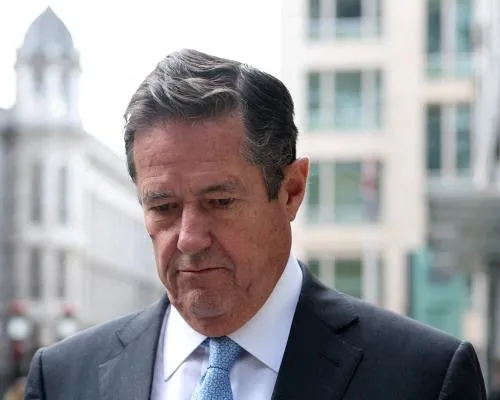 Barclays Former CEO Jes Staley Set to Testify on Epstein Ties in Closed Hearing
Barclays ex-CEO Jes Staley is set to testify before US lawmakers about his past relationship with Jeffrey Epstein as part of an investigation into the convicted sex offender’s network.
-
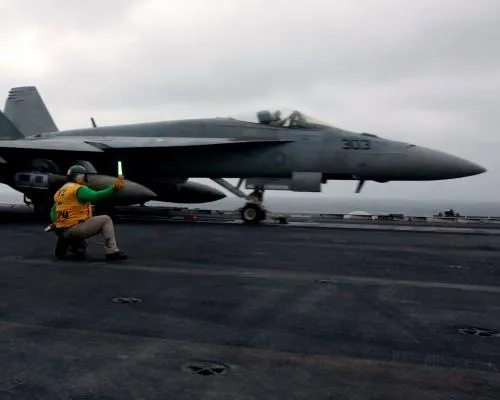 Yemen’s Houthis Claim Oil Tanker Attacks as U.S. Launches New Strikes on Iran
Yemen’s Houthi group claims attacks on two Saudi oil tankers in the Red Sea as U.S. military launches new strikes against Iran, further disrupting global shipping routes.


