- Tech workers are increasingly turning to unions amid concerns over job security and AI deployment.
- Companies like Meta and Google DeepMind are facing union drives from employees who oppose the use of AI in military or productivity monitoring roles.
- Unionization efforts have been growing for years, including at Kickstarter and Microsoft-owned ZeniMax.
Background to the Story
The technology industry has long been considered a bastion where labor unions struggled to gain traction. However, recent developments suggest that tech workers are increasingly seeking union representation as concerns mount over job security and the deployment of artificial intelligence (AI).
In May, Meta announced significant layoffs, which some employees feel have shifted the balance of power in favor of management. According to a Meta employee who recently joined a union drive, forming a union is 'the best way to actually show up as owners, and take our seat at the table.' This sentiment reflects broader concerns among tech workers about how AI is being used within their companies.
Unionization Efforts in Tech
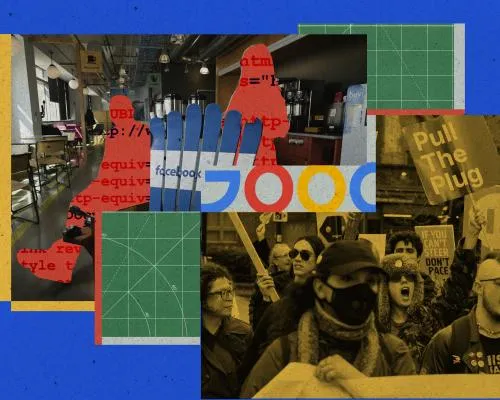
The push for tech unionization has been building for several years. Organizations such as the Alphabet Workers Union (AWU), which represents over 1,400 Google employees, have been at the forefront of these efforts. In the past year, participation in collective actions like AWU's job security petition more than doubled from the previous year.
Emma Jackson, senior staff program manager and communications chair of the AWU, asserts that strong union support shows workers' increasing willingness to take a stand and strengthen their agency in an era dominated by AI. 'In the age of AI, workers need a real say within our companies now more than ever,' she states.
Impact of AI on Tech Workers
The deployment of AI in tech workplaces has led to significant changes for employees. For instance, John Chadfield, co-founder of United Tech and Allied Workers (UTAW), the UK's only union specifically for tech workers, notes that tech workers no longer feel as privileged or irreplaceable as they once did. 'You might be well paid, but you are still workers,' he emphasizes.
Employees are also facing increased workloads due to vacant positions being filled by AI, resulting in 65% of information technology workers across the University of California campuses reporting taking on more work. Despite these challenges, only 22% feel secure in their jobs, according to a recent survey.
Broader Implications and Successes
The trend towards tech unionization is not limited to large companies like Google or Meta. Smaller organizations such as Kickstarter have also formed company-wide tech unions, with the latest contract negotiated in 2025 providing protections against AI usage and outsourcing.
Autumn Mitchell, a quality assurance tester who was laid off by ZeniMax, notes that having a union means 'having negotiating rights over issues like layoffs, which is more than what a lot of people are working with right now in game development.' This underscores the potential benefits unions can offer to tech workers.
The increasing interest in tech unionization among white-collar workers reflects a broader shift. Tech workers who previously resisted unions are now recognizing the value they provide in an age where AI and job security are major concerns.
Conclusion
The growing trend of tech workers turning to unions signals a significant change in the landscape of the technology industry. As companies continue to deploy AI, the role of unions in protecting employees' rights and ensuring fair practices will become increasingly crucial. The success of recent union drives highlights that even seemingly secure positions can benefit from collective bargaining as concerns over job security and ethical use of AI grow.
Source: The Guardian

Technology News Feed
155 posts
-
 Vũ trụ công nghệ đa tầng mở cửa tại TP HCM: Khu giải trí mới kết hợp shoppertainment
Gigaversal là tổ hợp vui chơi ứng dụng công nghệ đầu tiên tại TP HCM, với tổng diện tích hơn 20.000 m² trải dài trên 5 tầng. Nó mang đến trải nghiệm đa giác quan và giáo dục công nghệ cho nhiều lứa tuổi.
-
 AI Giants See Value in Australian Regulation Amidst Global Competition
Top US AI developers Anthropic and OpenAI are supporting new regulations in Australia, signaling a broader strategic move amid global competition from Chinese tech firms.
-
 How Australian AI Regulations Could Shape Global Tech Policy
Australia's new AI regulations might shape global tech policy, benefiting US companies like Anthropic and OpenAI through clearer guidelines and reduced risks.
-
 US AI Firms Back Australian Regulations: A Move Toward Global Standardization
US AI developers Anthropic and OpenAI support new regulations in Australia amid competition from Chinese startups and potential global standardization.
-
 Social Media Company Wins Key Case as Teen Drops Lawsuit Just Before Trial
A Florida teenager withdraws his lawsuit against Meta just before trial, marking a victory for the social media giant in an ongoing legal battle.
-
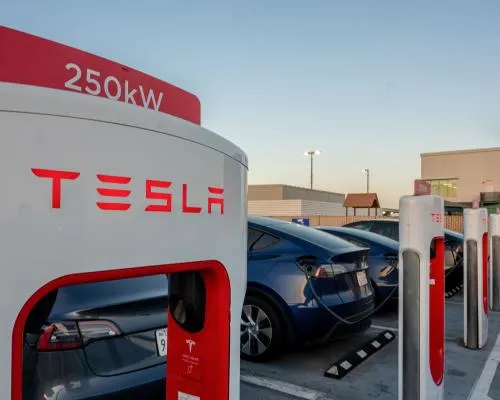 Tesla Shares Plunge Amid Profit Woes and AI Spending Concerns
Tesla faced a significant market downturn, suffering a 13% drop in stock value due to weaker-than-expected profits and high spending on AI and robotics projects.
-
 Alphabet Reports 12th Straight Quarter of Strong Revenue Growth
Alphabet reported impressive second-quarter earnings, with double-digit revenue growth for its 12th consecutive quarter. Despite delays in key AI models like Gemini Pro, the tech giant is releasing cheaper alternatives and facing competition from rivals.
-
 Alphabet Reports Strong Revenue Growth Amid AI Expansion
Alphabet reports strong financial performance for the second consecutive quarter despite delays in its powerful AI model Gemini Pro.
-
 EU Slaps €890m Fine on Google Over Search and App Store Practices
The European Commission fines Google €890m for violating competition laws in search and app stores, part of a broader effort by EU regulators.
-
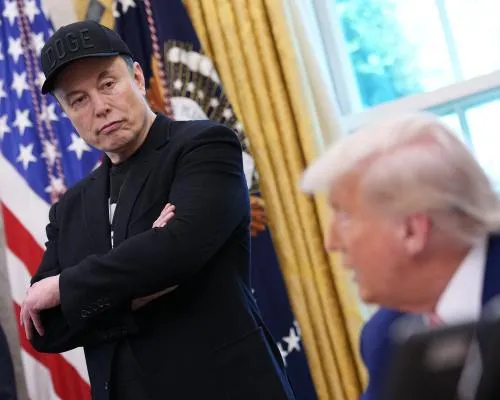 Elon Musk Reflects on Political Diversions and AI Predictions
Elon Musk admits becoming too involved in politics during his association with Donald Trump's administration and shares controversial views on AI and societal changes.


