- Teenage plaintiff withdraws lawsuit against Meta just days before scheduled trial.
- Meta claims that social media platforms are not addictive and rejects liability for user harm.
- Legal challenges continue with numerous lawsuits pending against major social media companies.
Key PointsA Florida teenager dropped his lawsuit against Meta just days before a scheduled trial in Los Angeles, marking the latest victory for the social media giant. The case highlighted ongoing legal challenges to the design of social media platforms and their impact on young users. Meta remains steadfast in its defense, stating that social media platforms are not addictive and rejecting liability for user harm.
A Florida teenager has withdrawn his lawsuit against Meta just days before a trial scheduled to begin in Los Angeles. The case, which originally named four defendants including YouTube and Meta’s Instagram, centered on claims that social media platforms were to blame for the teen's depression and anxiety.

Attorneys for RKC, who started using these platforms around the age of eight, stated in a statement that their client had elected to withdraw his claims against Meta 'in light of the overall successful result of the litigation.' RKC's attorneys noted that he was concerned about enduring a grueling weeks-long trial and wanted to focus on recovery. The spokesperson for Meta confirmed that the claims were dropped without any payment, asserting that 'the claims never held up.'
Despite this setback, legal challenges continue against social media companies. In March, Meta and YouTube suffered a significant loss in the same Los Angeles court, where they were ordered to pay $6 million in damages. This verdict was the first to hold social media companies liable for designing addictive products that harm young users.
In another case, New Mexico’s attorney general ordered Meta to pay $375 million in civil penalties over claims of misleading consumers and enabling child exploitation on its platforms. Multiple lawsuits from groups including families, school districts, and state attorneys general are ongoing against these companies.
Meta has appealed the verdict, challenging the jury's decision that found the company liable for designing addictive products to hook in young people. The company maintains that its business model does not make social media addictive.
RKC’s legal team stated that they achieved their goal by bringing awareness to social media harms and pushing for changes to protect young users like himself. Despite the dropped case, the ongoing lawsuits underscore the broader debate over the responsibility of social media companies in safeguarding user well-being.
Sources: The Guardian, BBC

Technology News Feed
151 posts
-
 Tesla Shares Plunge Amid Profit Woes and AI Spending Concerns
Tesla faced a significant market downturn, suffering a 13% drop in stock value due to weaker-than-expected profits and high spending on AI and robotics projects.
-
 Alphabet Reports 12th Straight Quarter of Strong Revenue Growth
Alphabet reported impressive second-quarter earnings, with double-digit revenue growth for its 12th consecutive quarter. Despite delays in key AI models like Gemini Pro, the tech giant is releasing cheaper alternatives and facing competition from rivals.
-
 Alphabet Reports Strong Revenue Growth Amid AI Expansion
Alphabet reports strong financial performance for the second consecutive quarter despite delays in its powerful AI model Gemini Pro.
-
 EU Slaps €890m Fine on Google Over Search and App Store Practices
The European Commission fines Google €890m for violating competition laws in search and app stores, part of a broader effort by EU regulators.
-
 Elon Musk Reflects on Political Diversions and AI Predictions
Elon Musk admits becoming too involved in politics during his association with Donald Trump's administration and shares controversial views on AI and societal changes.
-
 Origin Energy Reports Hack of Customer Data Including Names and Addresses
Origin Energy confirms a hack affecting 4.8 million Australian customers, with possible exposure of personal details such as names, addresses, and bank account information.
-
 Google fined €890m by EU for Violations of Competition Laws
The European Union has fined Google €890 million for violating competition laws in its search and app store services, requiring it to treat third-party services fairly.
-
 Phát hiện xác máy bay Clipper Endeavor biến mất bí ẩn sau 74 năm
VnExpress thông tin về sự kiện phát hiện xác máy bay Clipper Endeavor của Pan Am dưới đáy Đại Tây Dương, một vụ tai nạn làm mất tích 52 người vào năm 1952. Sự việc này đã dẫn đến nhiều cải cách an toàn trong ngành hàng không.
-
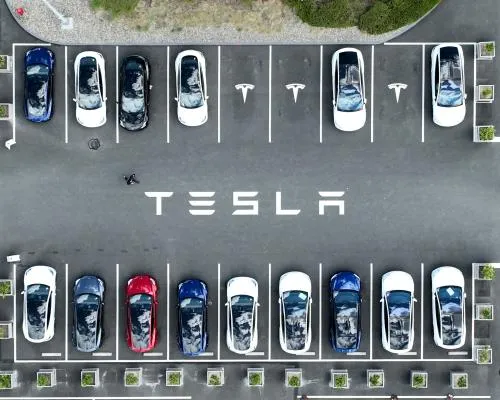 Tesla Reports Lower Profits Amid Revenue Growth, Focus Shifts to Robotics
Tesla reported lower profits despite strong revenue growth, as the company shifts focus towards robotics and autonomous driving technologies.
-
 Software Engineers Navigate the AI Revolution
Software engineers are grappling with the rise of artificial intelligence, leading to job insecurity and prompting them to adapt by revisiting fundamentals and acquiring new skills.


