Caring for a baby involves more than love and affection—it requires expert medical care to ensure healthy growth and development. Pediatricians play a vital role in this journey. They are specially trained doctors who diagnose, treat, and help prevent illnesses in infants, children, and adolescents. This article explains what pediatricians do, how they treat babies, and the precautions parents and doctors must follow to ensure the best possible care for young children.
When it comes to finding the Best Pediatrician in Agra, Dr. Mukesh Bhagel stands out as a trusted name among parents. With years of experience and a deep commitment to child health, Dr. Bhagel is known for his compassionate approach, accurate diagnosis, and personalized treatment plans. His clinic is equipped with modern medical facilities tailored for children, ensuring a safe and child-friendly environment. Dr. Bhagel not only treats illnesses but also focuses on preventive care, nutrition guidance, developmental monitoring, and parental counseling, making him one of the most sought-after pediatricians in the city. Parents across Agra rely on his expertise for the comprehensive health and well-being of their little ones
Who is a Pediatrician?
A pediatrician is a medical doctor who specializes in the physical, emotional, and developmental health of children—from birth through adolescence. Pediatricians undergo years of training in general medicine and further specialize in pediatrics to understand the unique medical needs of children.
How Pediatricians Treat Babies
Pediatricians provide a wide range of healthcare services, including:
1. Routine Check-ups and Growth Monitoring
Measuring height, weight, and head circumference
Tracking developmental milestones (motor skills, speech, behavior)
Conducting physical exams
2. Vaccinations and Immunizations
Administering recommended vaccines (e.g., Hepatitis B, DPT, MMR)
Monitoring vaccine schedules and managing side effects, if any
3. Diagnosis and Treatment of Illnesses
Treating common infections like colds, ear infections, coughs, diarrhea, and fevers
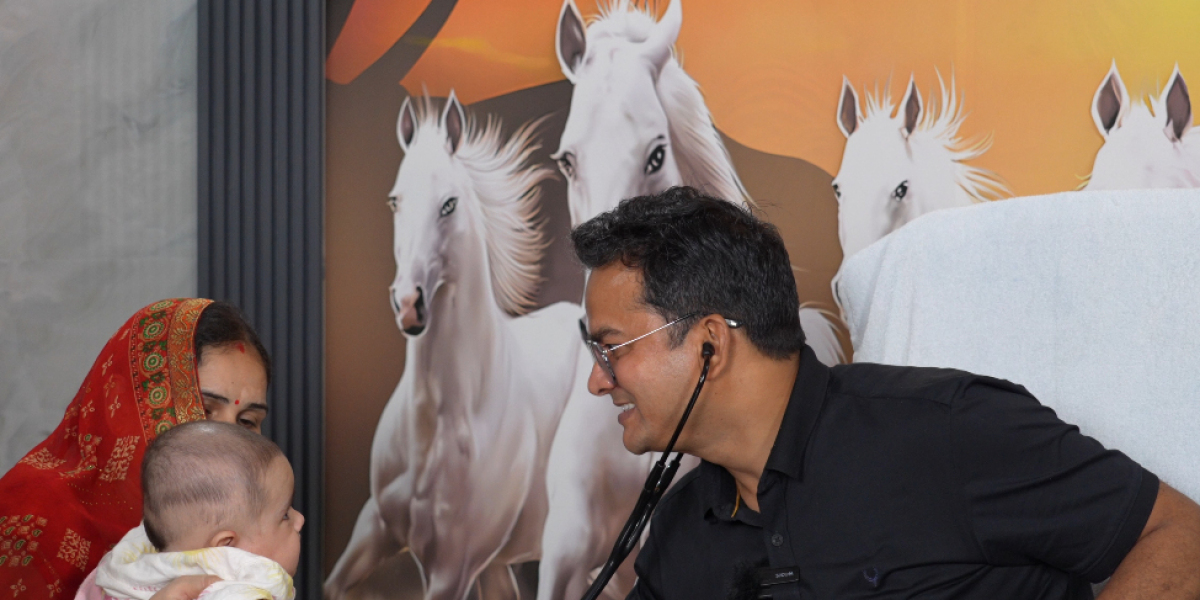
Understanding Pediatricians: Baby Care and Treatment Guidelines Managing chronic conditions like asthma, allergies, and skin problems
Referring to specialists if needed (e.g., pediatric neurologists or cardiologists)
4. Nutrition and Feeding Advice
Guidance on breastfeeding and formula feeding
Advice on introducing solid foods
Monitoring for allergies or digestive issues
5. Developmental and Behavioral Assessment
Early detection of developmental delays, autism, or learning disorders
Offering support or referrals for therapy if needed
Precautions Followed by Pediatricians
Pediatricians follow specific precautions to ensure safe and effective treatment:
1. Hygiene and Clean Environment
Maintaining a sterile clinic and using sanitized instruments
Handwashing or using gloves before examination
2. Age-Appropriate Treatment
Prescribing medicine in baby-safe doses
Avoiding unnecessary antibiotics or strong medications
3. Infection Control
Isolating sick children if necessary to prevent the spread of contagious diseases
Following updated vaccine guidelines
4. Parental Counseling
Educating parents on symptoms to watch for at home
Providing mental health and behavioral guidance
5. Emergency Readiness
Being prepared for allergic reactions or sudden health deterioration
Having child-appropriate emergency equipment on hand
Precautions Parents Should Follow for Baby Care
Parents are key partners in their child’s healthcare. Here are important precautions and practices for parents:
1. Regular Doctor Visits
Don’t skip scheduled check-ups and vaccination appointments
Follow the doctor’s advice regarding growth, sleep, and feeding
2. Safe Medication Use
Never self-medicate babies
Use only prescribed medicines in the correct dosage and form
3. Hygiene and Cleanliness
Maintain proper diaper hygiene to avoid rashes or infections
Wash hands before feeding or handling the baby
4. Watch for Warning Signs
Monitor for high fever, breathing issues, rashes, or unusual behavior
Seek immediate help for symptoms like vomiting, seizures, or lethargy
5. Balanced Diet and Breastfeeding
Breastfeed exclusively for the first 6 months, if possible
Introduce healthy solids gradually after 6 months under medical advice
6. Safe Environment
Keep sharp objects, chemicals, and small items out of reach
Use baby-proofing techniques at home (e.g., outlet covers, crib safety)
Conclusion
Pediatricians are a cornerstone of a child’s healthcare, especially in the early stages of life. Their expertise ensures that babies grow up healthy, both physically and mentally. Parents, too, have a vital role in ensuring their child’s well-being by following medical guidance, maintaining hygiene, and staying informed about their child’s developmental needs. Together, pediatricians and parents form a team that nurtures the healthy future of the next generation.

Mukesh Bhagel
2 posts
-
 Remote Specialist in Bing Ads
"Get expert Bing Ads management remotely. Maximize your ROI with tailored strategies. Hire a skilled Bing Ads specialist today!"
-
 Revitalize Your Radiance: Top Lymphatic Drainage in LA
Revitalize at Beverly Hills Med Spa with expert lymphatic drainage in Los Angeles. Unwind, reduce swelling, and boost well-being. Beauty meets wellness here!
-
 Best Hydrafacial Los Angeles
Don't Use Any Exfoliating Treatments, Like Glycolic Acid Or Enzymes, For At Least 48 Hours After The Treatment.
-
 Kiếm tiền VN Ngày Nay – “Tuyển lính liền tay, có ngay tiền mặt”
VN Ngày Nay là một app kiếm tiền khá đơn giản, thu hút rất nhiều bạn trẻ tại Việt Nam tham gia. Bạn có thể kiếm được vài chục ngàn, thậm chí vài trăm ngàn mỗi ngày chỉ với việc “tuyển lính mới”.
-
 Kiếm tiền VN Ngày Nay – “Tuyển lính liền tay, có ngay tiền mặt”
VN Ngày Nay là một app kiếm tiền khá đơn giản, thu hút rất nhiều bạn trẻ tại Việt Nam tham gia. Bạn có thể kiếm được vài chục ngàn, thậm chí vài trăm ngàn mỗi ngày chỉ với việc “tuyển lính mới”.


