- A federal judge appointed by Donald Trump agreed to dismiss seditious conspiracy charges against leaders of the Proud Boys.
- The convictions were overturned by an appeals court, and the judge granted the Department of Justice's motion despite it being based on political motivations rather than legal or factual grounds.
- President Trump commuted the sentences of these individuals after his return to office in 2025 but did not overturn their convictions.
- The judge emphasized the significance of the attack on the US Capitol and its impact on the constitutional framework.
Key Details of the Case

A federal judge nominated by former President Donald Trump during his first term has reluctantly agreed on Friday to grant the Department of Justice’s motion to dismiss the seditious conspiracy convictions against leaders of the Proud Boys who were convicted by a jury of serious crimes during the attack on the US Capitol by Trump supporters on January 6, 2021. The US district judge Timothy Kelly noted in a seven-page memorandum that the Proud Boy leaders Ethan Nordean, Joseph Biggs and Zachary Rehl were all convicted of multiple crimes, including seditious conspiracy, and a fourth member of the group, Dominic Pezzola, was convicted of assaulting an officer and “breaking a Capitol window, thereby helping to create the first entry point through which hundreds of rioters streamed into the building.” Pezzola’s destruction of the window was recorded in a social media video that quickly became one of the iconic images of the day. Nordean, Biggs and Rehl were all sentenced to long prison terms. Upon returning to office in 2025, Trump commuted their sentences as part of a sweeping order granting clemency to about 1,500 people who had been charged with or convicted for participating in the Capitol attack. However, their convictions were kept in place. In April, the Department of Justice (DoJ) requested that an appeals court overturn these convictions. The appeals court approved this motion in May, sending the ruling back to Kelly. Kelly, in his Friday’s memo, stated, “it is hard to see how any other course … could make practical sense. Denying the motion would not somehow revive the convictions that the Court of Appeals vacated.”
Kelly also noted that he was granting the motion to dismiss the prosecutions even though the request was clearly based on political rather than legal grounds. He observed, “President Trump’s views about the prosecution of those who attacked the US Capitol on January 6 – whether those views are based on fact or fiction – are well known, as is his intention to extend clemency to them.” The case was initiated while President Trump was still in power in the days after the attack. Kelly wrote that the attack on the Capitol was a perilous event: “It was an attack on people, including police officers, many of whom were injured. It was an attack on a coordinate branch of government – Congress – that the Founders saw fit to give a place of primacy in Article I of the Constitution. And it was an attack on the Constitution’s mechanism to facilitate the peaceful transfer of power from one president to the next, what President Reagan called 'nothing less than a miracle.'”
“Moving forward, if this Nation’s experiment in self-government is to last another 250 years, the American people – no matter their partisan preferences – will have to act together to preserve, protect and defend that miracle through our constitutional framework,” Kelly concluded.
Source: The Guardian

World News Today
510 posts
-
 Nigerian Army Reports Major Victory Against Bandits in Zamfara
Nigerian soldiers and local vigilantes carried out a two-day operation that eliminated over 300 bandits in Zamfara state.
-
 Yemen's Uncertain Future: Tensions Loom in Both Battlefield and Politics
Tensions rise in Yemen as conflicts escalate on multiple fronts.
-
 Pianist Loses Lawsuit Against Orchestra
Pianist Jayson Gillham lost a legal battle against an orchestra after they canceled one of his shows.
-
 Đội tuyển Ai Cập gây chấn động thế giới: Chiến thắng đầu tiên tại World Cup được chào đón rầm rộ
Đội tuyển Ai Cập gây chấn động thế giới với thành tích tốt nhất lịch sử tại World Cup, được người hâm mộ chào đón rầm rộ khi về nước. Sự kiện này đã đặt ra câu hỏi về tính công bằng của các quyết định trọng t
-
 Deadly Wildfire Ravages Spain; At Least 12 Killed
Wildfire in Spain kills at least 12, including four British citizens, as 23 more remain unaccounted for.
-
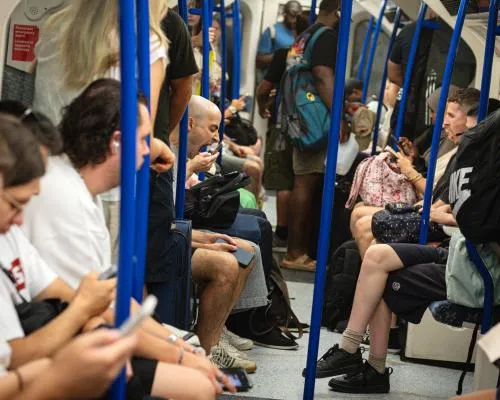 London Underground Faces Heatwave Crisis Amid Rising Temperatures
London Underground faces extreme temperatures during recent heatwaves, with readings reaching 34°C on some lines. Passengers and staff are suffering while TfL works to adapt infrastructure.
-
 limousine nha trang đi đà lạt
Dịch vụ xe limousine nha trang đà lạt được nhiều người lựa chọn bởi khả năng mang lại không gian riêng tư và sự thoải mái trong suốt hành trình. Đặc biệt với những nhóm bạn, gia đình hoặc du khách muốn thư giãn trước khi bắ
-
 Packed Lunch Ban Sparks Debate at Italy's Private Beach Clubs
Private beach clubs in Italy face criticism as they enforce bans on packed lunches, sparking disputes over customer rights and resort policies.
-
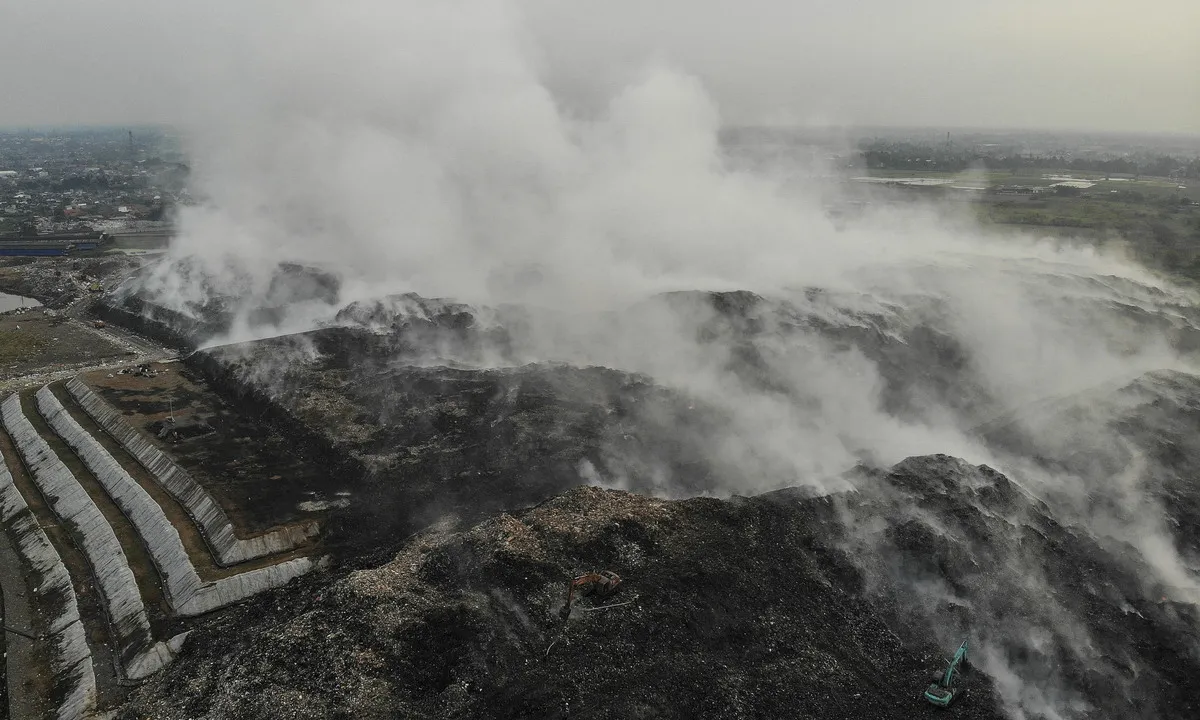 Bãi rác Jatiwaringin cháy lan 1 tuần, hàng trăm người mắc bệnh hô hấp
Bài viết tổng hợp tình hình cháy rác ở bãi Jatiwaringin, Jakarta, gây ra nhiều hậu quả sức khỏe và môi trường cho người dân địa phương.
-
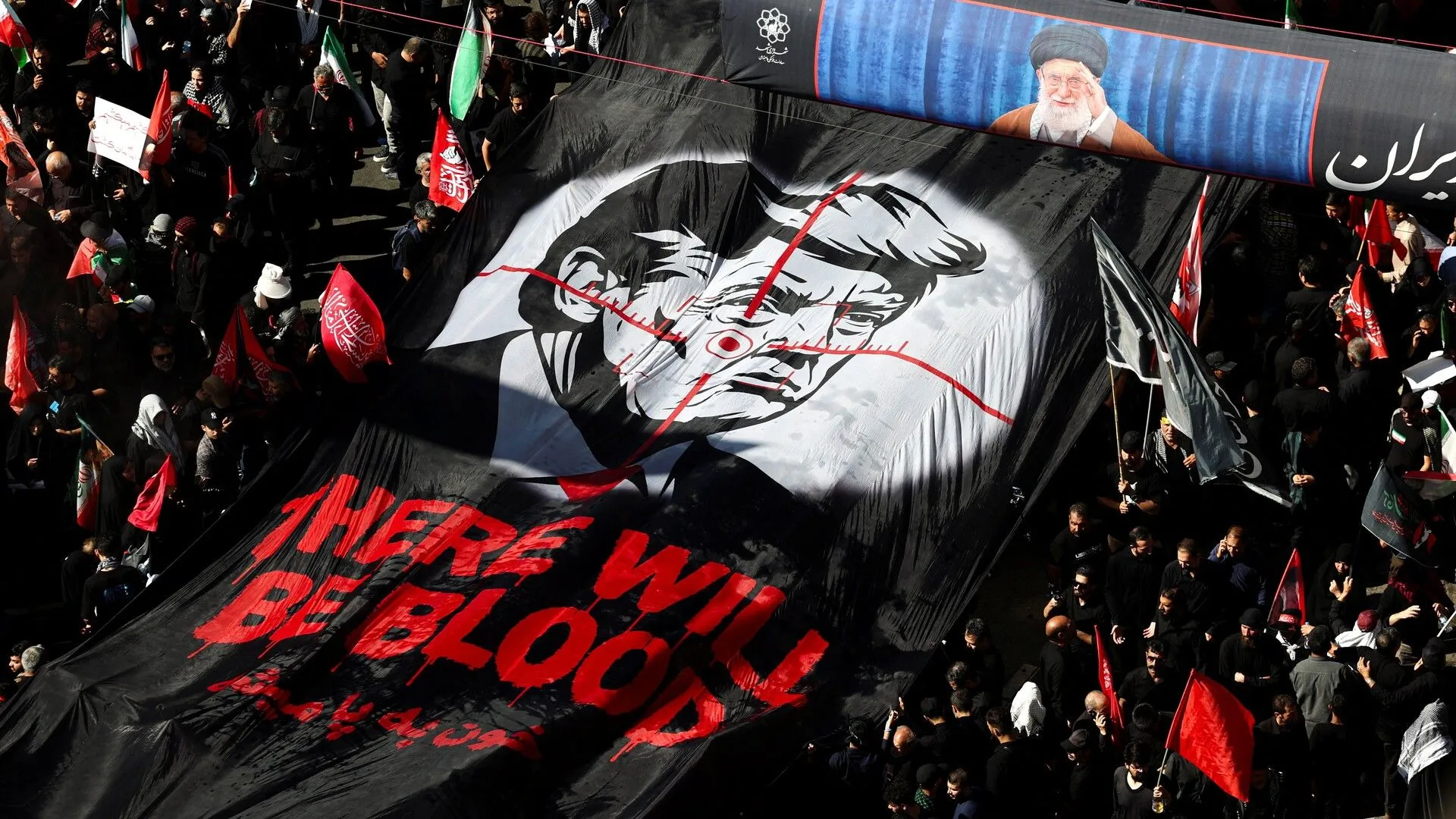 Tensions Rise as US and Iran Signal End to Ceasefire
Iran refuses to surrender as US President Donald Trump announces an end to the current ceasefire.


