- Gunther von Hagens' Body Worlds exhibitions popularized plastination globally.
- Damien Hirst and other artists were overshadowed by the sensational nature of von Hagens' work.
- Von Hagens treated human corpses as mere exhibits, lacking the philosophical depth found in traditional art.
The Rise of Gunther von Hagens
Gunther von Hagens, the inventor of plastination, left an indelible mark on 1990s art. His Body Worlds exhibitions transformed human corpses into gruesome but allegedly educational exhibits, drawing millions globally. This approach contrasted sharply with contemporary artists like Damien Hirst.

Shifting Public Perception
The German scientist's work effectively sidelined Hirst and his ilk as purveyors of shock art. Where Hirst's creations were meant to provoke thought, von Hagens' plastination turned human bodies into macabre spectacles that invited little more than morbid curiosity. The difference lay in the nature of the engagement: while artists like Hirst might make viewers ponder mortality and existential questions, von Hagens offered a visceral experience without the artistic or philosophical depth.
Art vs. Plastination
The distinction between art and plastination is clear, as exemplified by the works of historical figures like Leonardo da Vinci and Michelangelo. Da Vinci's meticulous anatomical drawings reveal not just the mechanics of the human body but also its intrinsic beauty. In contrast, von Hagens' work aimed for a clinical precision that stripped away any emotional or philosophical resonance, treating corpses as mere exhibits to be posed and displayed.
Legacy and Controversy
The legacy of Gunther von Hagens is complex. While his exhibitions sparked global interest in human anatomy, they also raised ethical questions about the commodification of human remains. The stark contrast between von Hagens' work and that of traditional artists like Leonardo or Rembrandt highlights a shift towards more superficial engagement with death and mortality. As such, von Hagens' impact on art lies not just in its popularity but in the way it has altered our approach to displaying and understanding the human body.
Source: The Guardian

Culture News
165 posts
-
 Innovative Wudu Basin for Muslim Homes and Facilities
By combining solid surface technology, elegant design, and sustainability, today’s Wudu basins provide a meaningful and lasting addition to any Muslim home, mosque, or public prayer space—enhancing both faith and functionality in everyday life.
-
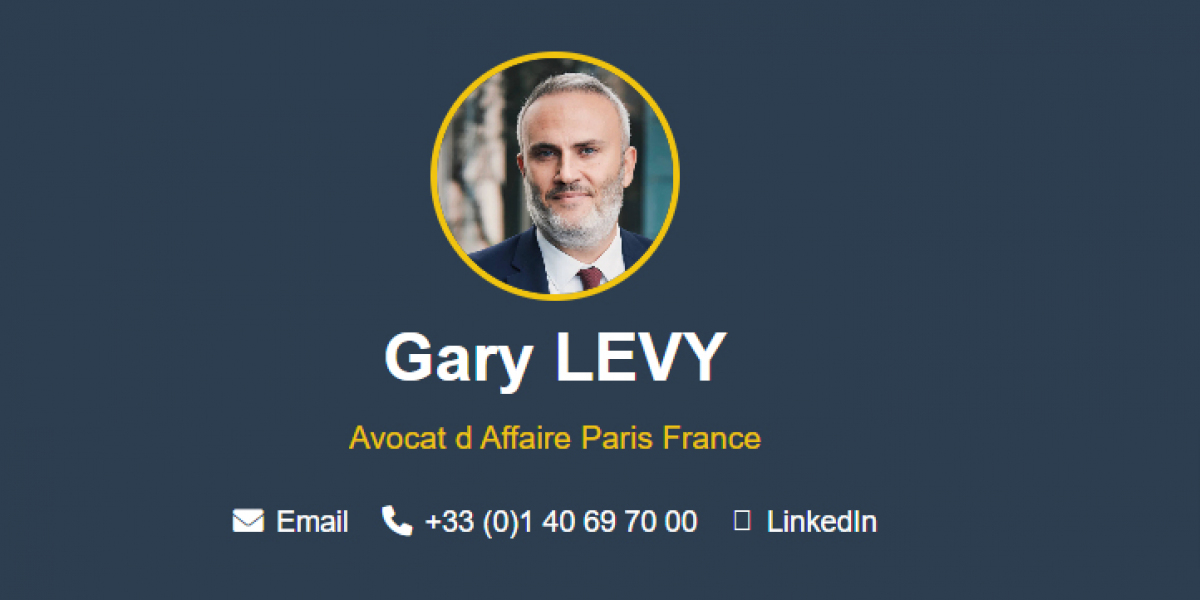 Gary Levy: A Leading Business Lawyer in Paris, France
Paris is home to many talented legal professionals, and when it comes to business law, Gary Levy stands out as a respected and experienced expert.
-
 How to Ensure Your Viagra Purchase is Discreet Online
How to Ensure Your Viagra Purchase is Discreet Online
-
 Top Jobs in Australia for Pakistanis: Your Guide to Success
Discover endless opportunities with jobs in Australia for Pakistanis and foreigners. From thriving healthcare and IT sectors to skilled trades and education, Australia offers a dynamic job market. Explore in-demand roles, visa pathways, and tips for success to kickstart your career in this
-
 Lucky Patcher APK Download (Official) Latest Version for Android 2024
Lucky Patcher Original APK Latest Version Download For Android, LP Installer allows Android users to remove system apps, modify app permissions, bypass license verification and block ads.
-
 Timeless Elegance: Classic Luxury Hotel Experiences
One of many hallmarks of luxurious hotel service may be the customized attention guests receive. That reaches every relationship with hotel staff, who're trained to anticipate
-
 Instagram Follower Growth: Leveraging the Power of Hashtags Strategically
Hashtags are a fundamental component of Instagram marketing, serving as a powerful tool for increasing visibility, attracting new followers, and driving engagement. By leveraging hashtags strategically, you can expand your reach, connect with your target audience, and build a vibrant commu


