- Tesla's second-quarter earnings showed lower profits than expected.
- The company is pivoting towards robotics and autonomous driving technologies.
- Shares in Tesla fell over 3% after the earnings report was released.
- Tesla’s Robotaxi service has seen limited rollout despite Musk’s optimistic projections.
Tesla reported its second-quarter earnings on Wednesday, disclosing far lower profits than expected. The company’s already beleaguered stock, which had fallen about 14% this year to date, dipped further following the earnings report. Elon Musk’s automaker, once the pinnacle of his tech empire, has taken a back seat to SpaceX. Musk’s rocket and AI company held the largest stock market debut in history last month, turning the richest man on Earth into the world’s first trillionaire, though his net worth has since fallen from its peak.
Tesla revealed earnings of 31 cents per share, a measurement of profits divided by the number of outstanding shares, less than the 51 cents per share Wall Street predicted. Its revenue was $28.23bn against an expected $25.71bn. Shares in the company fell over 3% in after-hours trading immediately after the numbers were released. Last year’s second-quarter earnings were equally shaky.
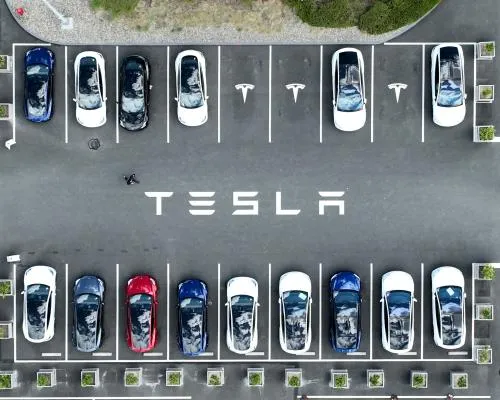
While Tesla missed revenue expectations in its last quarterly earnings report, the company revealed earlier this month that it exceeded Wall Street’s predictions for its second-quarter auto sales. The stark turnaround was driven largely by sales in Europe, where electric vehicle subsidies are still in place and gas prices have surged as a result of the US-Iran war, leading consumers to buy electric vehicles.
Tesla has pivoted towards bets on robotics, autonomous driving, and artificial intelligence (AI) as its vehicle sales are no longer as crucial to its market performance. Musk claimed last year that Tesla’s Optimus robot, which has not yet entered widespread production and already faces a slew of Chinese competitors, would be the biggest product of all time and end poverty. On the earnings call, Musk once again reiterated his belief in this venture, stating: “Optimus will be the ‘biggest product ever,’ but it faces hurdles due to its complexity.”
Musk’s optimism for the Optimus robot has not translated into immediate success; the company is still struggling with scaling production. The CEO highlighted these challenges during a recent earnings call, saying: “It’s one of the hardest things to solve to make an autonomous human robot that can do tasks.”
Tesla’s driverless taxi service, Robotaxi, has become a major focus for the company as a potential new line of revenue. Tesla announced earlier in the week that it would add Tampa and Orlando to where Robotaxi can operate. The service is currently available in parts of Austin, Dallas, Houston, and Miami.
Musk has for years declared that the autonomous driving service will have almost infinite demand and claimed that millions of self-driving cars would soon be on US roads. However, as is frequently the case with Musk’s promises, he has failed to reach those lofty targets, and rollout has been slow. On Wednesday’s call, Musk suggested that the slow growth was out of an abundance of caution for safety and concern that if a Robotaxi killed someone it would generate negative headlines and a regulatory crackdown. “We’re going as fast as humanly possible in scaling Robotaxi, but while trying to ensure that we do not harm anyone at all, and ideally do not even run over a pet,” Musk said.
Only about 50 Robotaxis now operate in Austin, where Tesla launched the service. Despite the challenges, Musk remains optimistic about the future of both Optimus and Robotaxi, maintaining that these technologies are crucial to Tesla’s long-term strategy. The company faces numerous hurdles but continues to push forward, aiming to diversify its business beyond just vehicle sales.
As Tesla navigates these challenges, it must balance financial realities with ambitious technological goals, all while addressing the competitive landscape and regulatory environment that shapes the automotive industry today.
Source: The Guardian

Technology News Feed
143 posts
-
 Giải pháp lắp đặt camera quay đóng hàng shopee
Trong những năm gần đây, Shopee đã trở thành một trong những sàn thương mại điện tử lớn nhất Việt Nam với hàng triệu đơn hàng được xử lý mỗi ngày. Song song với sự tăng trưởng đó là áp lực trong việc quản lý quy trình đ
-
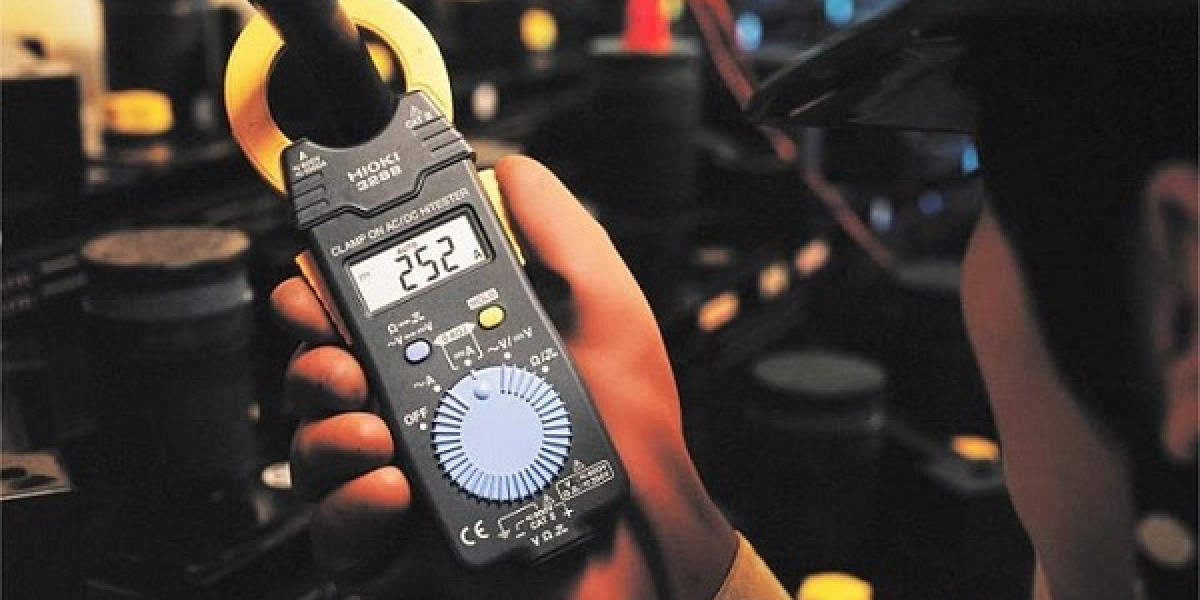 Cách bảo quản và cất giữ Hioki 3280-70F để không bao giờ bị chảy pin
Xin chào quý bạn đọc! Có một khắc tinh thầm lặng mà rất nhiều anh em kỹ sư lẫn người dùng gia đình thường xuyên gặp phải, đó chính là tình trạng chảy pin. Hãy theo dõi hết bài viết này để biết thêm chi tiết nhé!
-
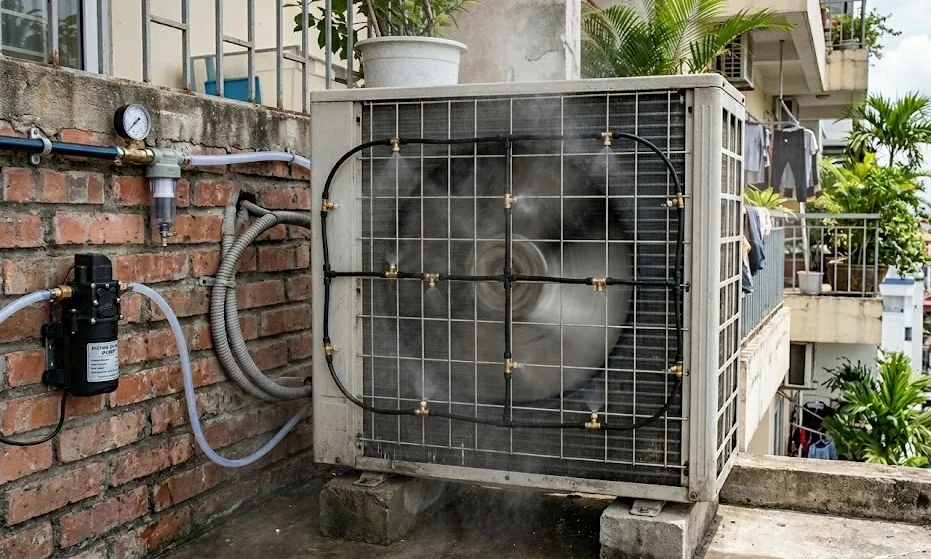 Có nên lắp phun sương cho dàn nóng điều hòa?
Lắp phun sương cho dàn nóng điều hòa có hiệu quả không và có ảnh hưởng đến độ bền của điều hòa nói chung.
-
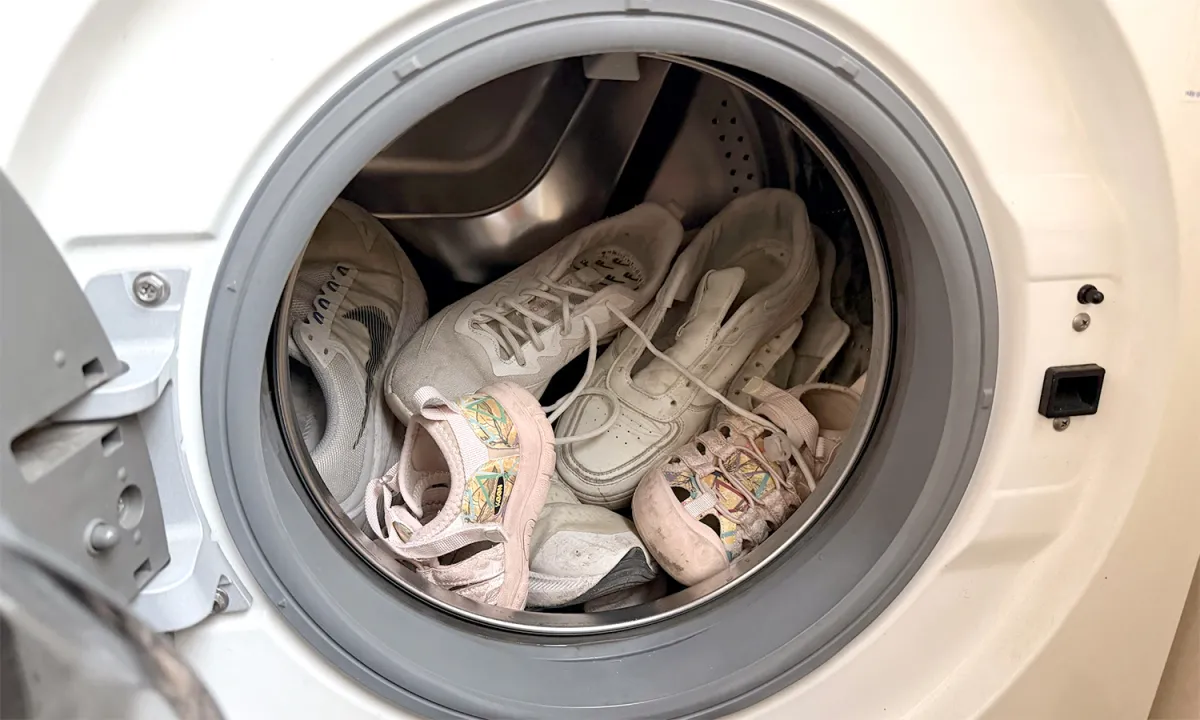 Mẹo giặt sạch giày bằng máy giặt
Máy giặt có thể làm sạch một số loại giày nhưng cần chọn chế độ phù hợp như sử dụng nước lạnh, kết hợp khăn lau để tăng độ bền cho giày.
-
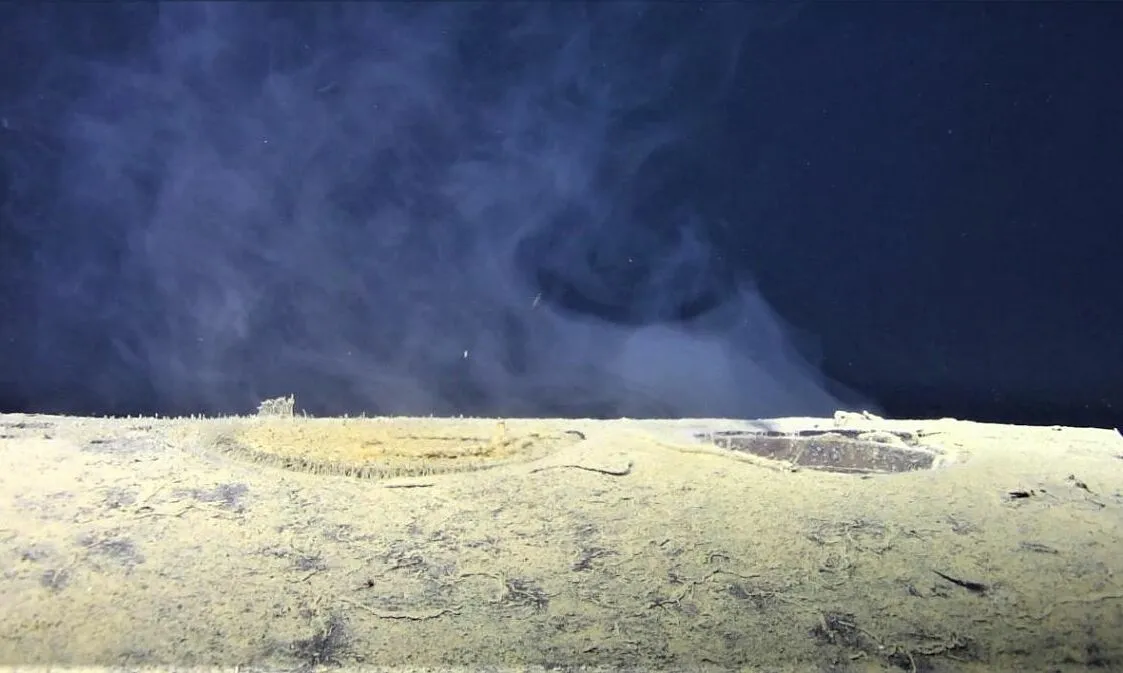 Xác tàu ngầm hạt nhân rò rỉ phóng xạ dưới đáy biển Na Uy
Nghiên cứu mới cho thấy, tàu K-278 Komsomolets đắm 37 năm trước đang thải ra vật liệu phóng xạ vào vùng nước sâu dưới đáy biển Na Uy.
-
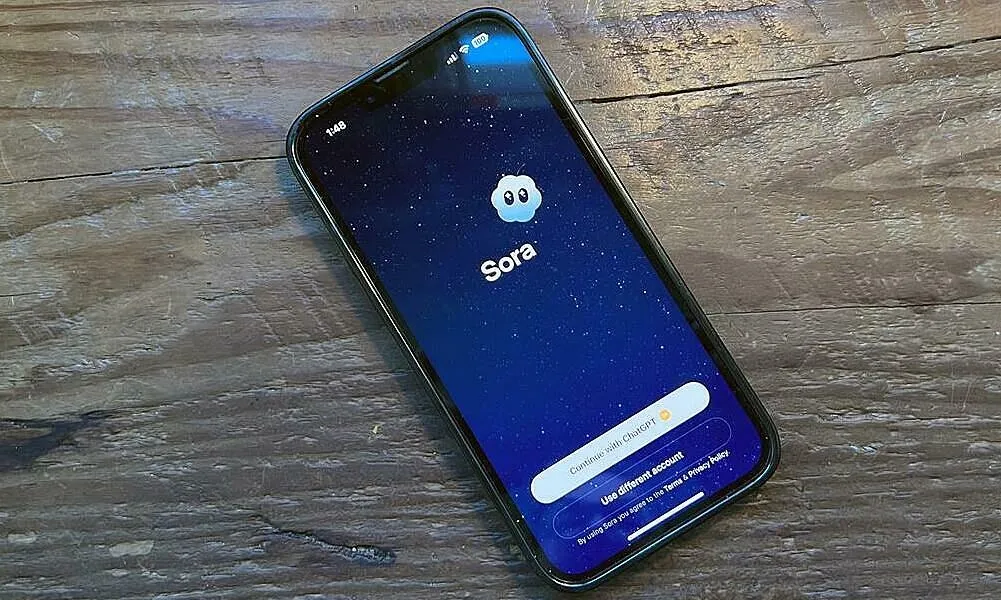 Lý do thúc đẩy OpenAI đóng cửa Sora
Chi phí cao và nhiều đối thủ cạnh tranh được cho là lý do khiến OpenAI quyết định đóng cửa ứng dụng video Sora.
-
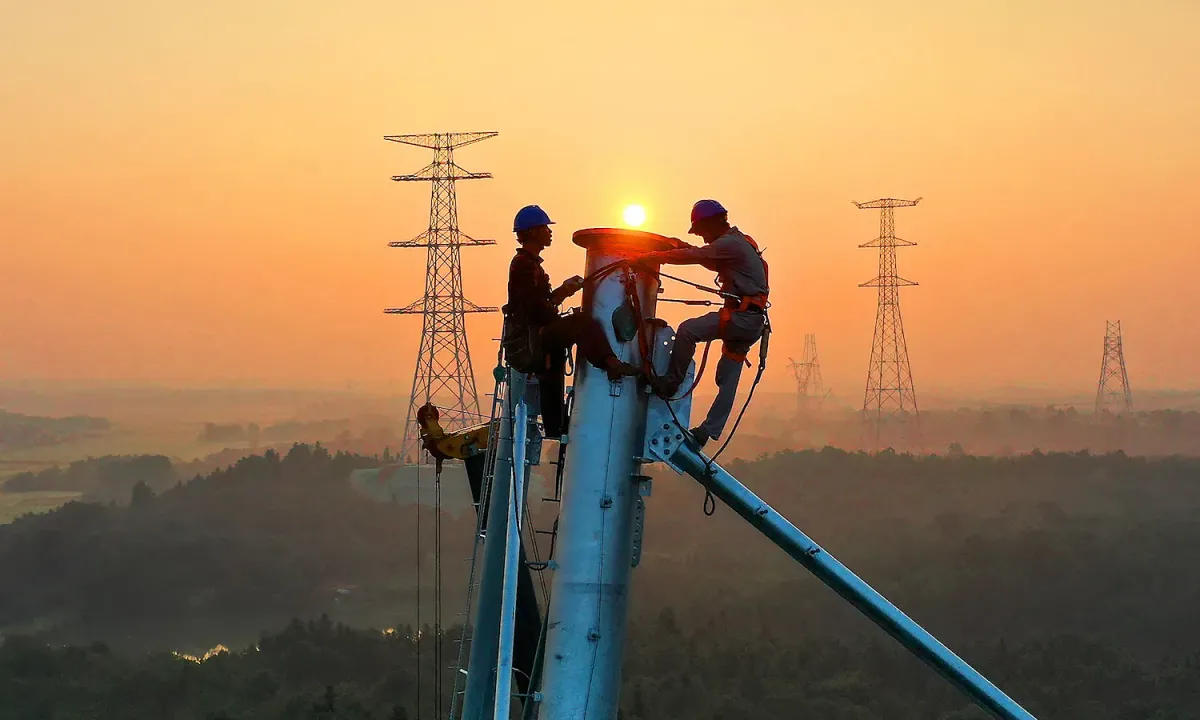 Năng lượng rẻ - 'át chủ bài' của Trung Quốc trong cuộc đua siêu AI
Trung Quốc được đánh giá đang nắm lợi thế lớn trong cuộc đua AI nhờ nguồn năng lượng dồi dào, đa dạng và giá rẻ.
-
 DXB APPS offers best App Development Dubai solutions by expert developers
DXB APPS offers advanced app development Dubai services that revolutionize businesses with cutting-edge digital technology. Our mobile app developers design feature-packed, scalable apps that achieve customer satisfaction and business expansion. Partner with DXB APPS, one of the best app d
-
 Hire Expert App Development Dubai experts for Cutting-Edge App Solutions at DXB APPS
Looking to find the best fitting app development Dubai solutions? DXB APPS is one of the leading mobile application development companies that offer unique Android applications, iOS applications, hybrid applications, and cross-platform applications. Our quality, secure and easy to use appl
-
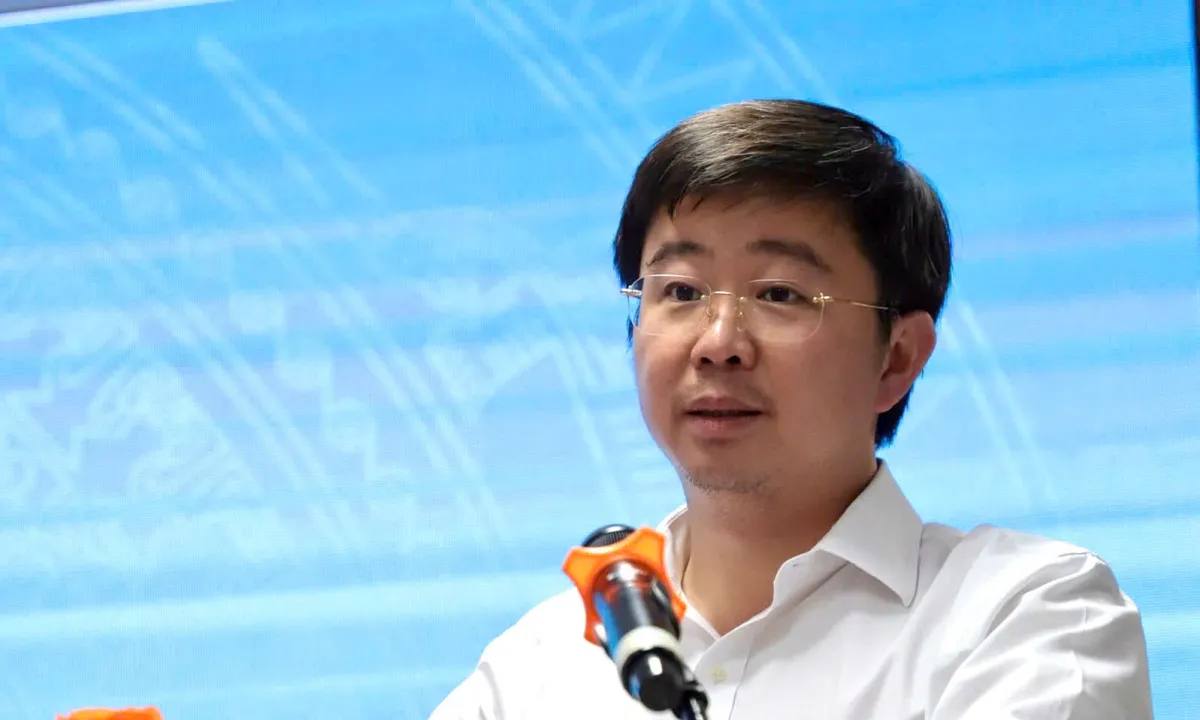 'Lựa chọn công trình khoa học xứng đáng dự Giải thưởng Hồ Chí Minh'
Thứ trưởng Bùi Hoàng Phương đề nghị các cơ quan, đơn vị lựa công trình xứng đáng tham gia Giải thưởng Hồ Chí Minh, Giải thưởng Nhà nước về khoa học, công nghệ lần thứ 7.
-
 DXB APPS offers best App Development Dubai solutions by expert developers
DXB APPS offers advanced app development Dubai services that revolutionize businesses with cutting-edge digital technology. Our mobile app developers design feature-packed, scalable apps that achieve customer satisfaction and business expansion. Partner with DXB APPS, one of the best app d


