High Court Rejects Most ‘Dieselgate’ Claims, Rules in Favor of Car Manufacturers

- A high court rejected most claims brought by 1.6 million UK car owners regarding alleged defeat devices used by manufacturers.
- Judicial findings indicated that many technologies did not constitute prohibited defeat devices but noted some Mercedes and Peugeot vehicles could be exceptions.
- Manufacturers expressed satisfaction with the ruling, while claimants are considering an appeal due to perceived divergence in legal interpretations.
- The case highlighted a significant difference between UK and EU regulations on what constitutes a ‘defeat device’.
Key Findings of the High Court Ruling
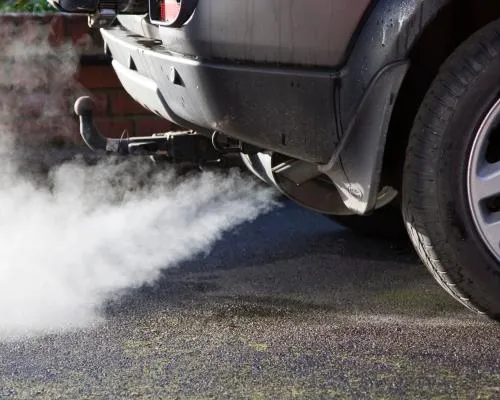
In a landmark decision, Lady Justice Cockerill's judgment in the high court rejected most allegations brought by UK car owners regarding so-called 'dieselgate' claims against major manufacturers. In her detailed ruling, which was heard between an unspecified period, Judge Cockerill stated that in the majority of instances, the relevant strategies did not constitute prohibited defeat devices—software designed to manipulate test results by altering engine performance under real driving conditions.
However, her findings highlighted that technologies used in some Mercedes and Peugeot-Citroën vehicles might indeed qualify as defeat devices. The judge emphasized that proving an automaker's intention to rig a test required strong evidence, which was often lacking in this case. She noted: 'Not every calibration or emissions-control strategy amounts to a defeat device.' This decision has significant implications for the legal and regulatory landscape surrounding vehicle emissions testing.
Manufacturers’ Responses and Claims
The ruling was broadly welcomed by car manufacturers, with many stating they would consider appealing the decision. Mercedes-Benz expressed satisfaction but indicated it might appeal over a specific model of their vehicles deemed non-compliant due to the functionality being removed in 2015. Similarly, Stellantis (which owns Peugeot-Citroën) also planned to challenge the judgment, citing potential legal and regulatory discrepancies between Great Britain and much of Europe.
Nissan and Renault maintained their stance that no defeat devices were used in their vehicles. Both manufacturers welcomed the ruling but emphasized their compliance with existing regulations.
Legal Implications and Reactions
The case brought by 20 law firms, including Leigh Day and Pogust Goodhead, highlighted a significant divergence between UK and EU regulations regarding what constitutes a 'defeat device.' Claimants argued that this legal difference could allow for practices deemed illegal in Europe to be permissible in the UK. Leigh Day, one of the leading law firms involved, expressed disappointment over the ruling. Senior partner Martyn Day said: 'The high court has found that despite their denials, other manufacturers also used VW-style defeat devices. The judge has also found that many other defeat devices are lawful because she surprisingly disagreed with the established EU case law on what a defeat device is.' Leigh Day stated they were considering an appeal with their clients.
Pogust Goodhead’s Anna Varga added: 'The judgment does not bring this litigation to an end. The court has found that certain manufacturers installed unlawful defeat devices, but it also adopted a significantly narrower interpretation of the law than that applied elsewhere in Europe.' This legal divergence has raised concerns among environmental campaigners and legal experts about potential loopholes in UK automotive regulations.
Car manufacturers like Mercedes-Benz, Stellantis, Nissan, and Renault welcomed the judgment but emphasized their compliance with regulatory requirements. The decision, however, has sparked debate over whether stricter European standards are necessary to address real-world emissions issues. Environmental campaigners argue that while these vehicles may not have used defeat devices in the UK, they still pose significant health risks.
The campaign group Mums for Lungs expressed disappointment, stating: 'This is a setback, but it does not change the scientific consensus—that these diesel cars are toxic.' Its director, Jemima Hartshorn, emphasized the importance of manufacturers acting swiftly to address their vehicles' issues.
Source: The Guardian
Business Daily
251 posts
-
 Pháp ban hành nghị định cấm quảng cáo nhiên liệu hóa thạch trong năm: Bước tiến mới hướng đến năng lượng sạch
Pháp ban hành nghị định mới nhằm cấm quảng cáo nhiên liệu hóa thạch nhập khẩu, tăng cường cam kết giảm phát thải và sử dụng năng lượng sạch. Tuy nhiên, các tổ chức môi trường vẫn mong muốn lệnh cấm phải nghiêm ngặt hơn
-
 Car Manufacturers Clear of Emissions Cheating Allegations
A High Court judge ruled major car firms did not install emissions cheating devices.
-
 VinaCapital không còn là cổ đông lớn của PNJ: Đô thị biến động cổ phiếu kim hoàn
VinaCapital thoái khỏi vị trí cổ đông lớn của PNJ sau đợt bán hơn 6,3 triệu cổ phiếu trong phiên sàn. Cổ phiếu PNJ giảm sâu do ảnh hưởng từ sự việc liên quan đến P-Lab.
-
 Serbian Man Hangs Out of Shattered Ryanair Window During Turbulent Takeoff
A Ryanair flight experienced a near-tragedy when an engine failure caused a window to shatter, nearly sucking out a passenger. The incident highlights potential safety concerns in air travel.
-
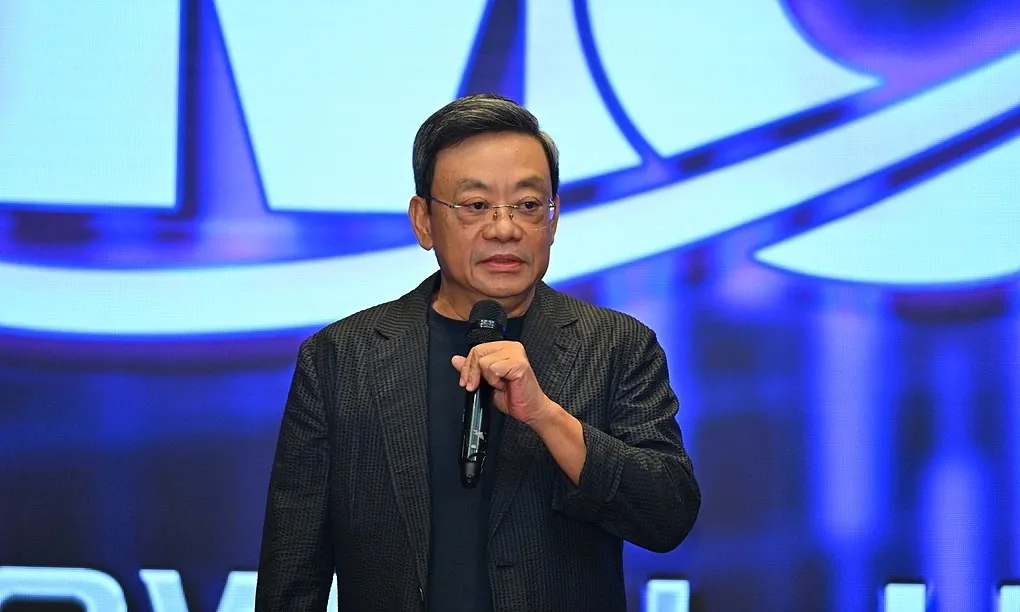 Tài sản của ông Nguyễn Đăng Quang giảm xuống dưới 1 tỷ USD do cổ phiếu MSN đi xuống
Tài sản của Chủ tịch Masan Group Nguyễn Đăng Quang xuống dưới 1 tỷ USD do diễn biến kém tích cực của cổ phiếu MSN. Bài viết sẽ đưa ra phân tích về tình hình tài chính hiện tại và nguyên nhân dẫn đến sự giảm giá.
-
 EasyJet Agrees to Surprising Takeover Bid by US Firm
EasyJet selects Apollo's offer over Castlelake’s in surprising takeover news.
-
 Giá nhà tại Mỹ tăng lên mức kỷ lục: Thách thức về khả năng chi trả gia tăng
Báo cáo mới từ Hiệp hội Môi giới Bất động sản quốc gia Mỹ cho thấy tình hình nhà ở tại Mỹ đang ngày càng khan hiếm và đắt đỏ.
-
 Telstra Outage Continues to Affect Emergency Services, Regional Transportation
Telstra faces criticism over a persistent outage that affects emergency services, regional transportation, and businesses.
-
 Telstra Outage Continues to Disrupt Services Across Australia
Telstra's software glitch continues to disrupt emergency calls and regional train services in Australia.
-
 Nike 'phủ sóng' World Cup với chiến dịch Rip the Script
Bài viết phân tích cách Nike sử dụng chiến lược marketing táo bạo để thu hút sự chú ý trong dịp World Cup 2026, mặc dù hãng không phải là đối tác chính thức của FIFA.


