When you reflect on the gas and oil industry, do you visualize firms that hunt for drill boreholes and extract these resources from beneath the surface? These businesses belong to the upstream sector of the gas and oil industry. It is commonly known among professionals as exploration and production activities.
The term upstream refers to the equipment and processes involved in drilling and producing natural gas or crude oil. In the oil and gas upstream equipment market, exploration includes securing mineral and land leases from property owners. That also includes carrying out geophysical and geological surveys to discover underground gas and oil reserves.

The drilling process consists of forming a hole in the ground designated for a gas and oil well. It is usually executed by rig contractors or service providers. In production operations, gas and oil are recovered and processed to remove impurities including sand and water.
Companies in the upstream gas and oil sector use various equipment types to extract and refine resources from multiple geological layers. Therefore, the oil and gas upstream equipment market size has been growing rapidly in recent years. The equipment includes diverse drilling rig gear like piping and mud pumps. There are also production devices such as control valves and heater treaters.
Gas and oil wells serve as the starting point in a comprehensive system of equipment aimed at extracting these resources. It also conducts preliminary processing while getting them ready for storage and transportation in the midstream phase. As previously mentioned, the specific equipment utilized varies according to the oil grade. The range in the oil and gas upstream equipment market is so extensive that it is impossible to detail everything here. Several significant examples include storage tanks, production separators, among others.
Upstream mainly relates to the different methods applied for extracting gas and oil from the ground. There is a specific technique varying according to the oil grade. The gas and oil extraction are different processes but they are closely linked. Often natural gas is released and captured in the oil drilling operation. It is because it can be dissolved within the oil.
In the oil and gas upstream equipment market, grade indicates important chemical attributes of gas and oil that may vary with their extraction location. Each grade has distinct equipment and operational procedures requirement. As an illustration, thicker and lower-quality oils often require higher refining temperatures. Various grades also demand different extraction approaches.
Light and medium grades can naturally rise to the surface. This allows for extraction via vertical pumping and drilling methods. In specific areas, light oil may become confined within non-porous rock formations. Often referred to as tight rock such as shale. In these cases, horizontal drilling and hydraulic fracturing are necessary. Heavy oil is much denser and flows less readily. It requires more sophisticated extraction technologies.
Different extraction techniques are necessary for the grades mentioned above. These fall into two main categories which are unconventional and conventional. conventional extraction is the process of pumping gas and oil from subsurface reservoirs. It is where the oil remains in liquid form under standard atmospheric pressure. Meanwhile, unconventional extraction involves methods for obtaining oil that cannot be accessed using standard techniques.

mark twain
2 posts
-
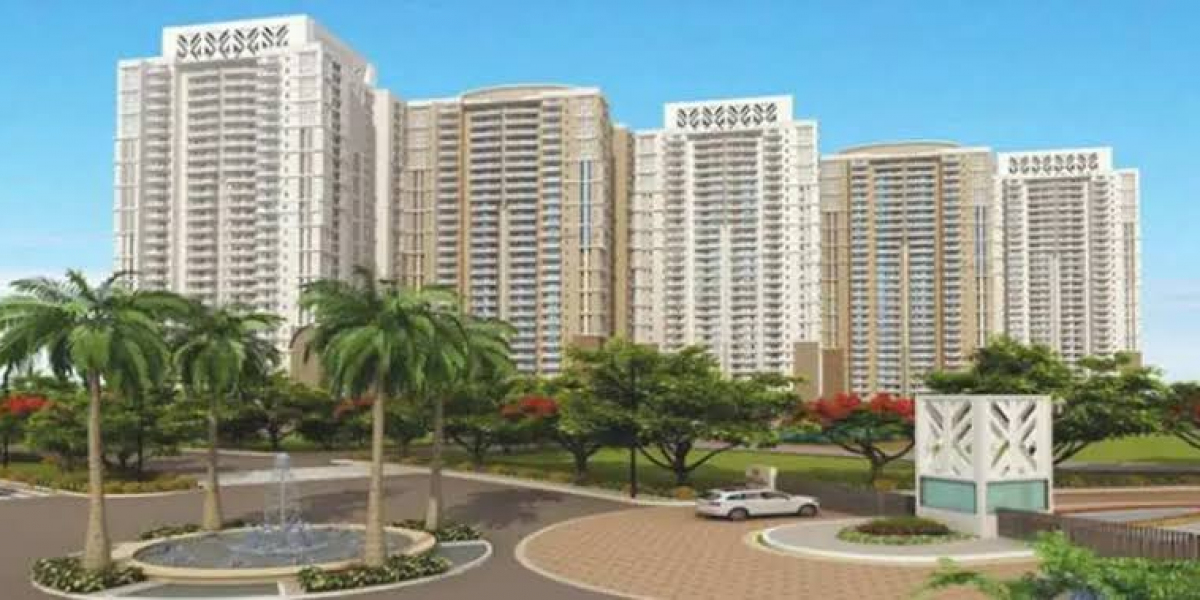 The Timeless Appeal of DLF Park Place Sector 54 Gurgaon: A Living Legacy
Living at DLF Park Place Sector 54 Gurgaon means becoming part of an established, sophisticated, and close-knit neighborhood. The clubhouse acts as the center of social activity, hosting everything from fitness sessions and sporting events to community gatherings.
-
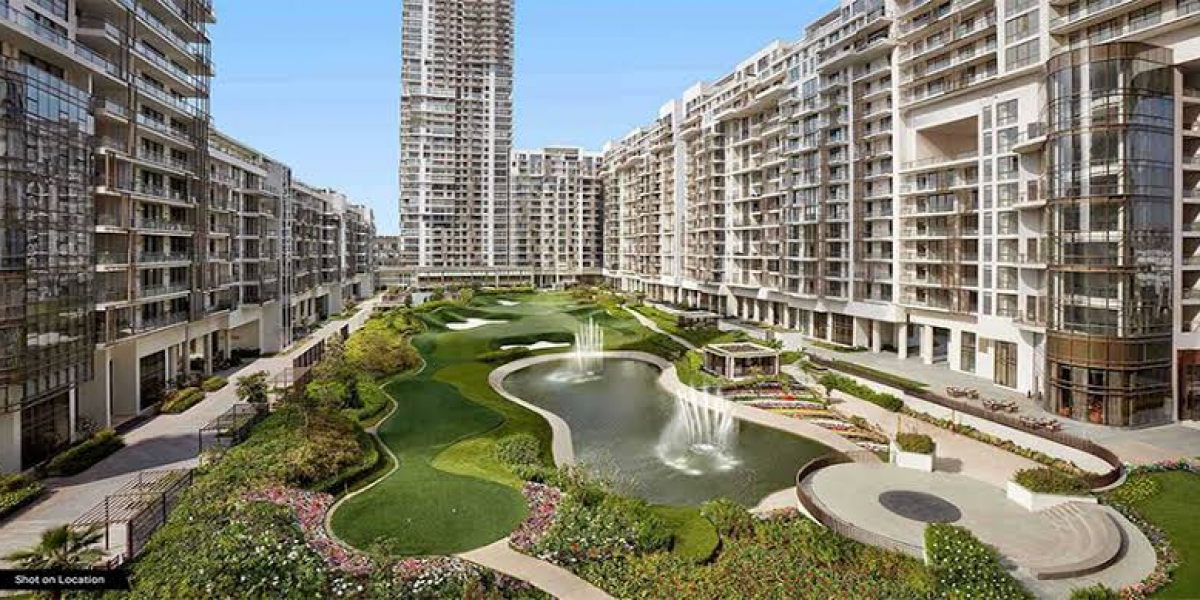 Redefining Luxury: The Iconic M3M Golf Estate, Sector 65
In the bustling landscape of Gurugram, few addresses command the same level of prestige and architectural grandeur as M3M Golf Estate, Sector 65. As one of the most prominent residential landmarks along the Golf Course Extension Road, this project has effectively transformed the concept of
-
 Redefining Ultra-Luxury: A Deep Dive into Whiteland Westin Residences, Sector 103, Gurgaon
In the heart of the rapidly evolving Dwarka Expressway corridor, a new benchmark for premium living has emerged. Whiteland Westin Residences, located in Sector 103, Gurgaon, isn't just a residential project—it is a landmark collaboration that brings the world-renowned hospitality o
-
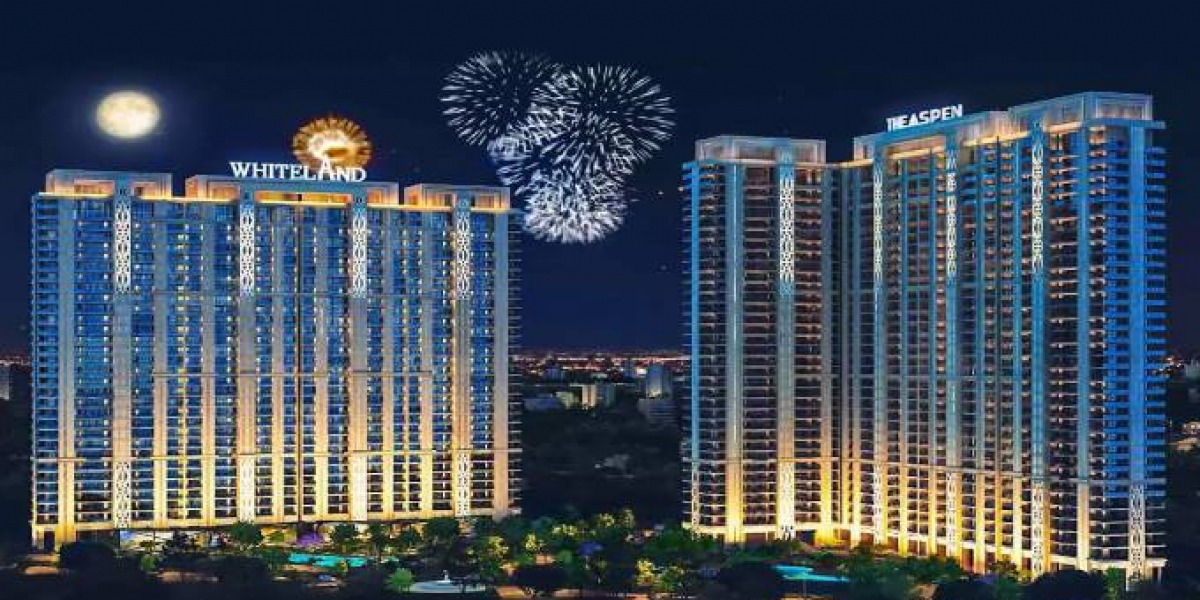 Green Engineering and Health Optimization at Whiteland The Aspen
To address this, Whiteland Corporation integrated specialized CTMA3 Air Purification technology into the core building systems. This central air infrastructure works continuously to treat, filter, and circulate air throughout enclosed common areas, double-height entrance lobbies, and tower
-
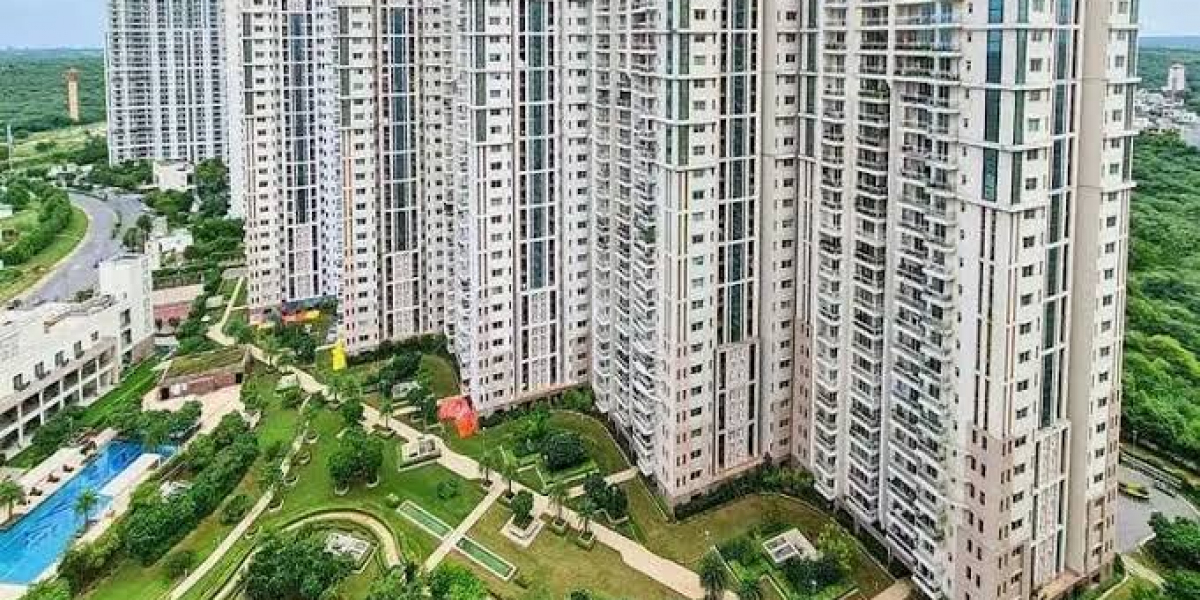 Mastering the Asset: Technical Infrastructure, Micro-Market Value, and Structural Layouts at DLF Park Place
This deep dive focuses on the granular technical infrastructure, exact structural layouts, and macro-economic factors that explain why this specific project maintains a massive edge over its competition in 2026.
-
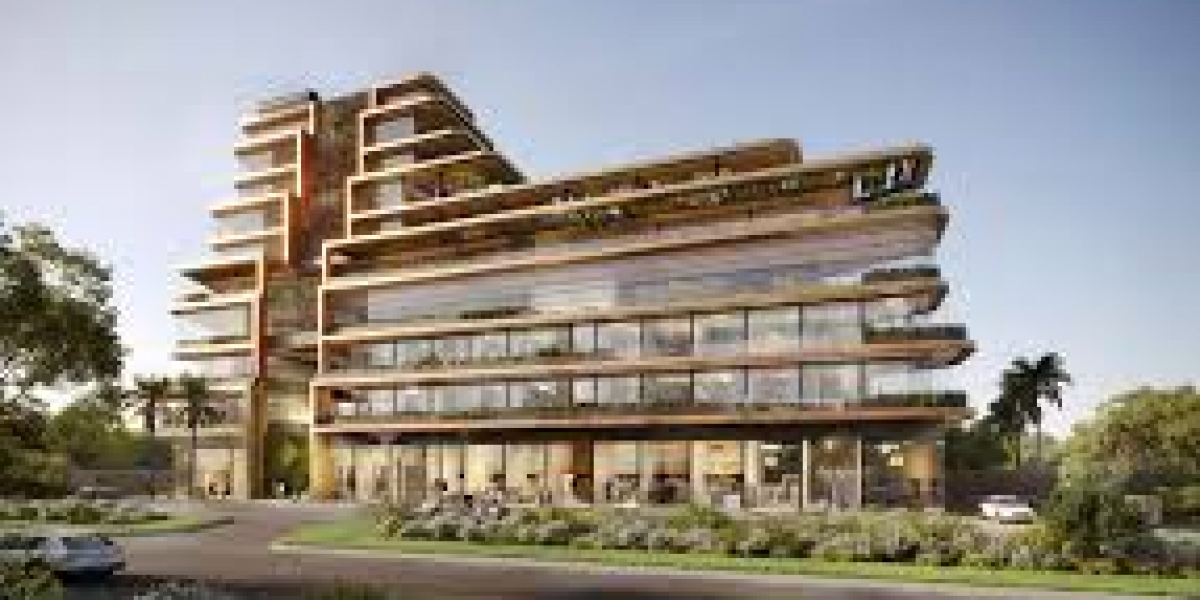 Brand Identity and Tenant Experience: Cultivating Loyalty at Elan Empire Gurgaon
Securing high occupancy in a premium high-street asset is only half the battle. For long-term viability, property management and individual investors must shift their focus to building tenant loyalty and creating a distinctive brand identity.
-
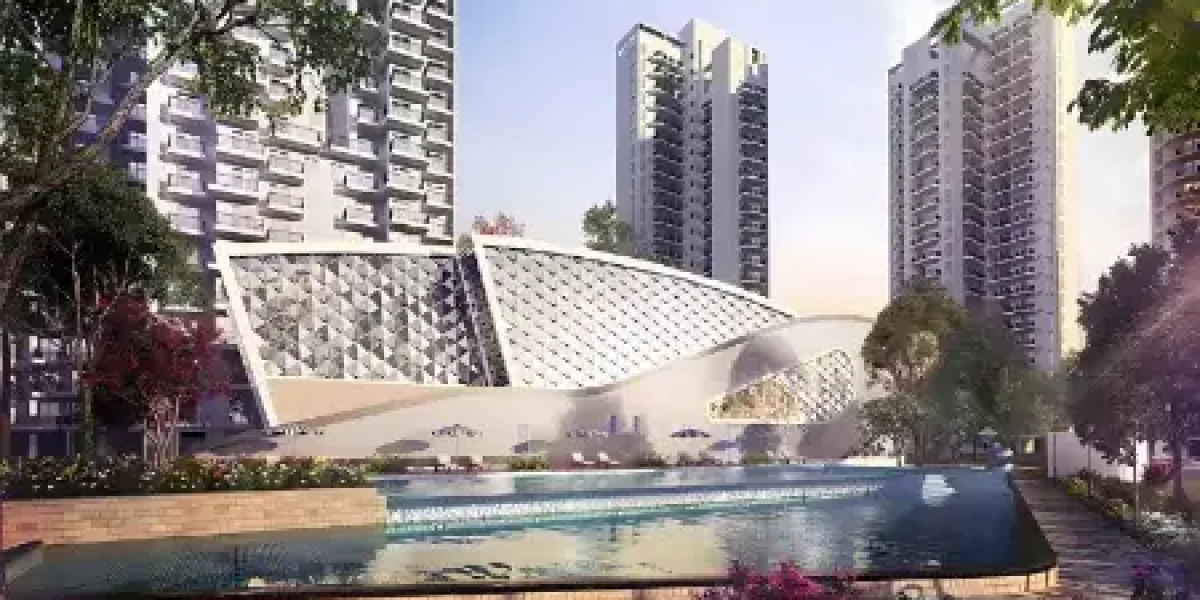 Master Review: Evaluating Godrej Nature Plus, Sector 33, Gurgaon
The layout uses a smart structural pattern where towers are angled away from each other. This creates a staggered footprint that gives corner apartments clear, unblocked views of the Aravalli foothills while ensuring optimal morning and afternoon sunlight. Inside the towers, the floor plan
-
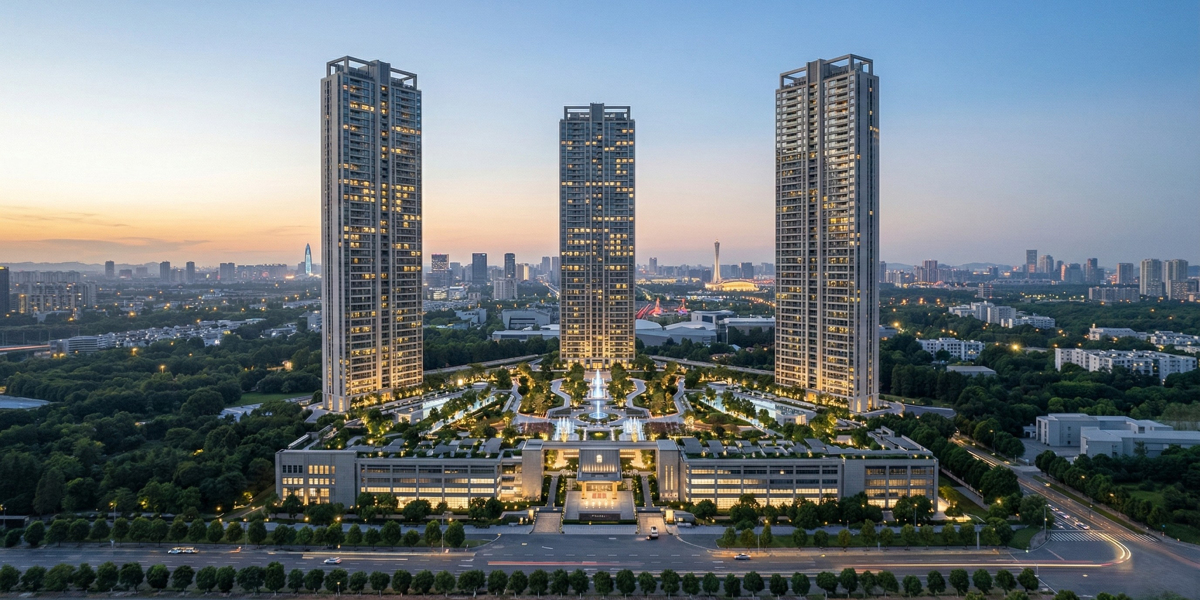 BPTP Downtown 66: A Masterpiece of Vertical Luxury in Sector 66
BPTP Downtown 66 has emerged as one of the most anticipated high-rise developments on the Golf Course Extension Road. Designed by the globally acclaimed architectural firm Aedas, this project is not just a residential complex but a vertical ecosystem where luxury meets functionality.
-
 Aesthetic Clinic in Australia | Beauty Clinic in Carolina | PM Aesthetics
Discover a trusted aesthetic clinic in Australia and a professional beauty clinic in Carolina. PM Aesthetics offers advanced skincare, cosmetic treatments, and personalized beauty solutions.
-
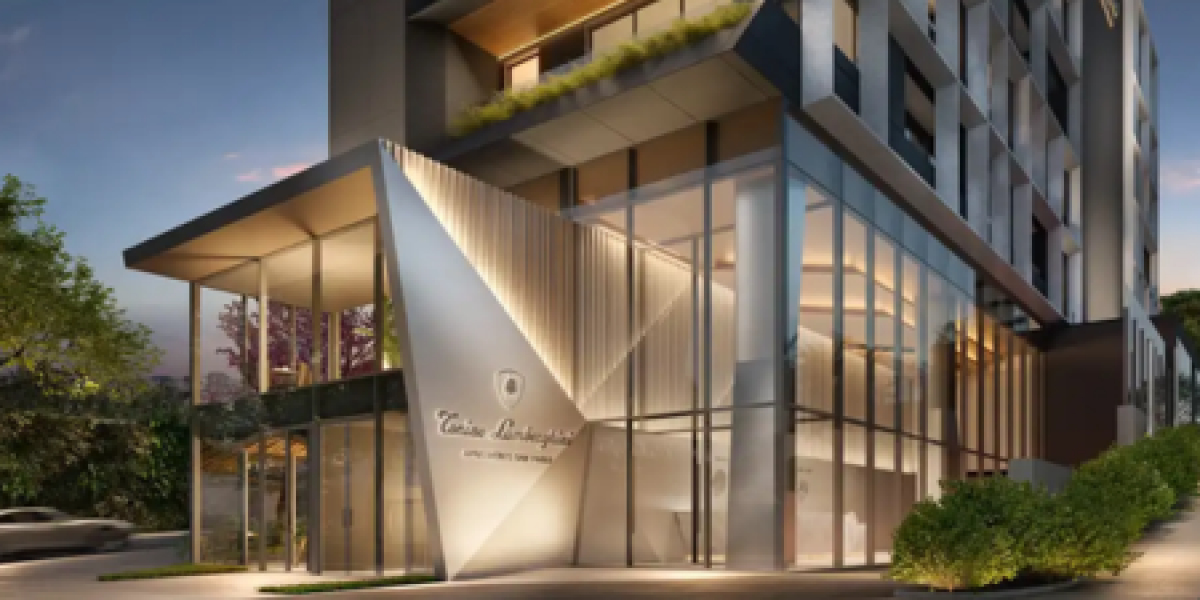 The Masterful Synergy at Signature Global Tonino Lamborghini
Signature Global Tonino Lamborghini Residences represents a ₹2,890 crore synergy of Italian supercar aesthetics and Indian engineering excellence in Sector 71.
-
 Sidewalk Repair NYC: A Complete Guide for Property Owners
Sidewalks in New York City endure constant wear and tear due to heavy foot traffic, extreme weather conditions, and tree root growth. Over time, cracks, uneven surfaces, and potholes can develop. These issues not only create an unpleasant appearance but also pose serious safety hazards for


