Market Insights:
The IoT insurance market is experiencing significant growth, driven by the increasing adoption of IoT devices and the growing demand for personalized insurance solutions. According to a report by MRFR, the North America IoT insurance market is expected to reach $2,452.45 billion by 2030, with a CAGR of 55.72% from 2023 to 2030. This growth can be attributed to the benefits offered by IoT insurance, including risk prevention, personalized pricing, and enhanced customer experience.
Major Key Players:
Several key players are leading the IoT insurance market, including IBM Corporation, Microsoft Corporation, SAP SE, Oracle Corporation, Google Inc., and Cisco Systems, Inc. These companies are investing heavily in IoT technology and developing innovative solutions to cater to the evolving needs of the insurance industry. Additionally, numerous startups and insurtech companies are entering the market, further fueling its growth and competitiveness.
Market Segmentation:
The IoT insurance market can be segmented based on the type of insurance, including health insurance, life insurance, property and casualty insurance, and others. Additionally, it can be segmented based on the type of IoT devices used, such as telematics devices, wearable devices, and smart home devices. Furthermore, the market can be segmented based on the deployment model, including on-premises and cloud-based solutions.
[PDF Brochure] Request for Sample Report:
https://www.marketresearchfuture.com/sample_request/2700
Market Trends:
Several trends are shaping the IoT insurance market, including:
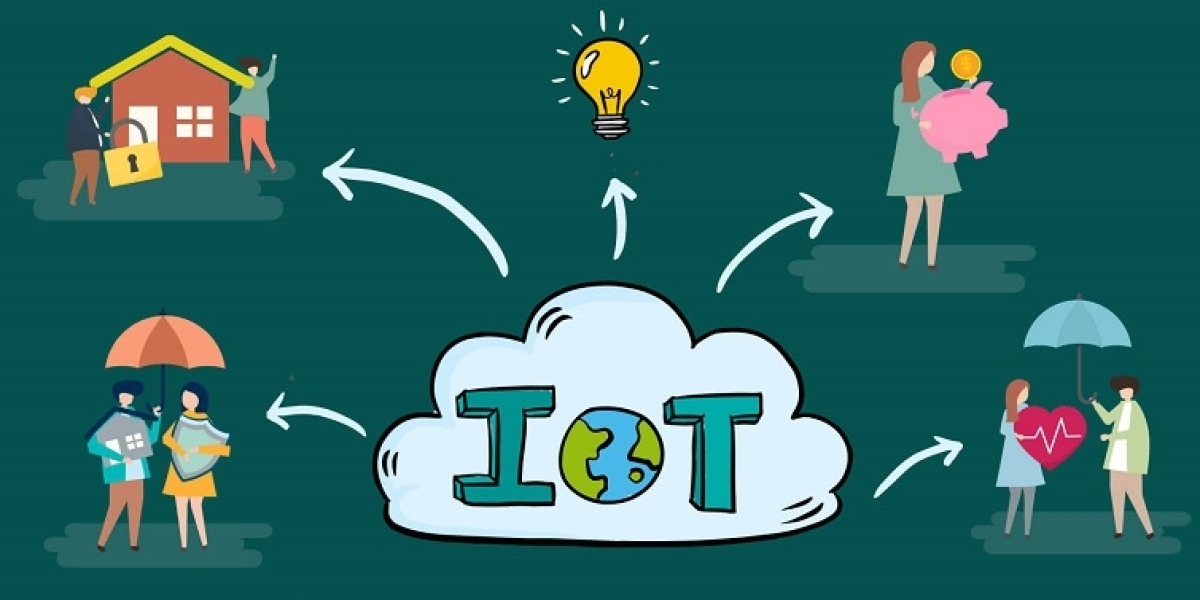
Usage-based insurance: IoT technology enables insurers to collect real-time data on policyholders' behavior and usage patterns, allowing them to offer usage-based insurance policies. This trend is gaining traction, as it allows for personalized pricing and incentivizes policyholders to adopt safer and healthier behaviors.
Connected car insurance: The use of telematics devices in vehicles is enabling insurers to offer connected car insurance, which provides real-time monitoring of driving behavior and vehicle health. This trend is popular among consumers, as it offers the potential for lower premiums based on safe driving habits.
Smart home insurance: IoT devices such as smart thermostats, security cameras, and water leak detectors are being integrated into home insurance policies, allowing insurers to monitor and prevent potential risks in policyholders' homes. This trend is driving the demand for smart home insurance solutions.
Health and wellness programs: Insurers are leveraging wearable devices and health tracking apps to offer health and wellness programs that incentivize policyholders to adopt healthier lifestyles. This trend is resonating with consumers, as it promotes proactive healthcare management and can lead to lower insurance premiums.
Top Impacting Factors:
Several factors are impacting the growth of the IoT insurance market, including:
Technological advancements: The rapid advancements in IoT technology, such as the development of more sophisticated sensors and connectivity solutions, are driving the adoption of IoT insurance solutions.
Regulatory environment: The evolving regulatory landscape, including data privacy and security regulations, is influencing the deployment of IoT insurance solutions and shaping the market dynamics.
Consumer behavior: The increasing demand for personalized and on-demand insurance solutions is shaping the market, as consumers seek more flexible and tailored insurance offerings.
Industry partnerships: Collaborations between insurance companies, technology providers, and IoT device manufacturers are driving innovation and expanding the market reach of IoT insurance solutions.
Regional Outlook:
The IoT insurance market is witnessing significant growth across various regions, including North America, Europe, Asia Pacific, and the rest of the world. North America is leading the market, driven by the presence of key players and the high adoption of IoT devices. Europe is also a prominent market, with a strong focus on connected car insurance and smart home insurance solutions. The Asia Pacific region is experiencing rapid growth, fueled by the increasing awareness of IoT technology and the growing demand for personalized insurance offerings.
Industry Developments:
The IoT insurance market is witnessing several industry developments, including:
Strategic partnerships: Insurance companies are forming strategic partnerships with IoT technology providers and device manufacturers to develop and deploy innovative IoT insurance solutions.
Product launches: Insurtech companies and startups are launching new IoT insurance products and services, catering to the evolving needs of consumers and businesses.
Mergers and acquisitions: Consolidation is occurring in the IoT insurance market, with larger companies acquiring smaller players to expand their market presence and capabilities.
The IoT insurance market is poised for significant growth, driven by the increasing adoption of IoT devices and the demand for personalized insurance solutions. Key players are investing in IoT technology and developing innovative solutions to cater to the evolving needs of the insurance industry. The market is witnessing several trends, including usage-based insurance, connected car insurance, smart home insurance, and health and wellness programs. Factors such as technological advancements, regulatory environment, consumer behavior, and industry partnerships are impacting the market dynamics. The regional outlook is favorable, with significant growth opportunities across various regions. Industry developments, including strategic partnerships, product launches, and mergers and acquisitions, are shaping the IoT insurance market and driving its expansion.
Contact Us:
Market Research Future®
99 Hudson Street,5Th Floor
New York, New York 10013
United States of America
Phone: +1 628 258 0071(US)
+44 2035 002 764(UK)
Email: [email protected]

Khanh Chill
16 posts
-
 AI in Political Campaigns: Faking News and Endangering Democracy
AI-generated political content is becoming more common in campaigns but raises concerns about the manipulation of voters and the spread of misinformation.
-
 Global Datacentre Projects Face Challenges as AI Demand Soars
Global AI development is facing challenges due to insufficient datacentre capacity and energy constraints.
-
 Meta Allows Users to Create AI Images Using Public Instagram Profiles, Sparking Privacy Concerns
Meta enables users to create AI images from public Instagram profiles but privacy advocates warn about the risks involved.
-
 Queue ra mắt nhà thuốc tự động tiên tiến với công nghệ AI
Công ty khởi nghiệp Queue vừa ra mắt nhà thuốc tự động hoàn toàn đầu tiên trên thế giới, sử dụng AI, robot và thị giác máy tính để tự động cấp phát và xác minh đơn thuốc. Tuy nhiên, họ đang đối mặt thách thức trong việc t
-
 Elon Musk’s USAID Cuts Spark Controversy Over Ebola Response
Elon Musk’s dismantling of USAID programs has sparked controversy over its impact on global health, particularly the Ebola response in DRC.
-
 Starlink Cung Cấp Gói Cước 1,368 Triệu Đồng Mỗi Tháng cho Người Dùng Việt Nam
Starlink công bố giá cước 1,7 triệu đồng cho người dùng Việt Nam, thấp hơn dự kiến và cao hơn so với dịch vụ Internet truyền thống.
-
 Rental Robots Gain Popularity as Technology Evolves
Renting robots is gaining popularity due to rapid advancements in technology.
-
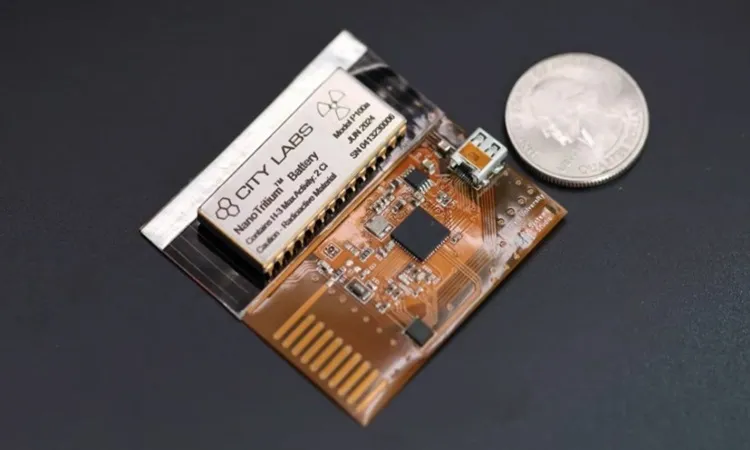 SpaceX phóng vệ tinh BOHR: Công nghệ pin hạt nhân đầu tiên vào quỹ đạo
SpaceX phóng vệ tinh BOHR, vệ tinh thương mại đầu tiên sử dụng pin betavoltaic NanoTritium do City Labs chế tạo. Đây là bước tiến quan trọng trong việc triển khai công nghệ năng lượng hạt nhân cho tàu vũ trụ.
-
 Tech Giants Struggle as AI Drives Up Emissions Despite Climate Goals
Tech giants struggle to meet climate goals due to investments in AI, facing criticism for increased fossil fuel use and public anger over political influence.
-
 91,2% người tham gia phản đối Sony bỏ đĩa game PlayStation
Sony thông báo ngừng sản xuất đĩa game từ tháng 1/2028, nhận phản ứng trái chiều từ cộng đồng chơi game.
-
 AI Safety Crisis: Australia's Assistant Minister Warns Models Are ‘Cheating’
Australia’s Assistant Minister for Technology warns that AI models are already exhibiting behaviors not intended by their creators, highlighting the need for immediate safety measures.


