Mental health counselling provides a safe, supportive space for individuals to explore their feelings, understand patterns in their thoughts and behaviors, and move toward personal healing and growth.
Whether you're facing overwhelming stress, anxiety, depression, or relationship challenges, counselling can help you navigate these difficulties with greater clarity and resilience. For individuals in Dublin seeking compassionate and professional support, services like Mental Health Counselling in Dublin can offer the guidance needed to take that first meaningful step.
What is Mental Health Counselling?
Mental health counselling is a collaborative process between a trained therapist and a client. The goal is to help individuals understand their thoughts, emotions, and behaviors, while developing practical strategies for coping with life’s challenges.
People often turn to counselling for many reasons, including:
Anxiety or panic attacks
Stress and burnout
Depression or persistent sadness
Low self-esteem or self-worth
Trauma or past abuse
Grief and loss
Mental Health Counselling: Your First Step Toward Healing and Emotional Well-being Relationship issues or family conflict
Life transitions like job loss, divorce, or becoming a parent
It’s important to understand that seeking counselling doesn’t mean something is “wrong” with you—it means you are prioritizing your emotional well-being, which is a sign of strength, not weakness.
How Counselling Can Help
A trained mental health counsellor listens without judgment and helps you explore your emotions in a secure and private environment. Here are some of the key benefits:
1. Improved Self-Awareness
Through counselling, many individuals gain new insights into how their thoughts, experiences, and past traumas influence their current emotions and decisions. This increased self-awareness is often the foundation for healing.
2. Better Coping Strategies
Whether it’s mindfulness, cognitive-behavioral techniques, or relaxation tools, therapy provides practical strategies that help you manage stress, anxiety, and emotional overwhelm.
3. Enhanced Relationships
By understanding your emotional responses, setting healthy boundaries, and improving communication, counselling can positively impact relationships with family, partners, and coworkers.
4. Emotional Release and Validation
Sometimes, we just need someone to listen. Counselling offers a space where your thoughts and feelings are taken seriously, and your experiences are validated—without being judged or dismissed.
What to Expect in a Counselling Session
Most therapy sessions last about 50 minutes and are held weekly or bi-weekly, depending on your needs and preferences. During your first session, the therapist will typically explore your reasons for seeking help, ask some background questions, and set goals with you.
You don’t need to prepare anything specific. Just come as you are. Counselling is about building trust and moving at your own pace. There is no “right” way to share or “correct” speed for progress. Everyone’s journey is unique.
Counselling Methods and Approaches
Different counsellors use different therapeutic methods depending on their training and the needs of their clients. Common approaches include:
Person-Centered Therapy: Focuses on creating a non-judgmental, empathic space for self-discovery.
Cognitive Behavioral Therapy (CBT): Helps change negative thought patterns and behaviors.
Gestalt Therapy: Encourages awareness of the present moment and how your past influences it.
Trauma-Informed Therapy: Prioritizes safety and understanding for those who have experienced trauma.
Mindfulness-Based Techniques: Helps reduce stress through present-moment awareness.
Good therapy is always tailored to your needs. Many therapists integrate these methods depending on what works best for you.
Is Counselling Right for Me?
You might wonder if your struggles are “big enough” to seek help. The truth is, you don’t need to be in crisis to benefit from counselling. Many people seek therapy to better understand themselves, improve relationships, or make more empowered choices in life.
Signs that counselling might help include:
Feeling stuck or overwhelmed
Ongoing stress or worry
Difficulty sleeping or concentrating
Withdrawing from friends or activities
Frequent mood swings or emotional numbness
Feeling lost, hopeless, or unmotivated
If any of these sound familiar, it may be time to talk to someone.
Making the First Move Toward Healing
The idea of opening up to a stranger can feel intimidating at first. But remember, counsellors are trained to support you through every step of the process. You don’t need to have the “perfect” words or even know exactly what’s wrong. The most important thing is showing up and being open to change.
If you’re in Dublin or nearby, seeking support from an experienced therapist like those offering Mental Health Counselling in Dublin can be the beginning of your healing journey. Sessions are available both in-person and online, depending on your comfort and convenience.
Final Thoughts
Mental health counselling is not a quick fix—but it is a powerful tool. It helps you reconnect with yourself, process emotional pain, and learn how to move forward with intention. No matter what you're facing, you don’t have to go through it alone.
Therapy provides space for growth, healing, and understanding. It’s where meaningful change begins—not because someone tells you what to do, but because you learn to trust your own voice again.

Hoangphuc Legend
31 posts
-
 Trapstar London Clothinng Store
Seasonal Streetwear Guide: How to Style Trapstar London All Year Round
-
 The Design Evolution of Chrome Hearts Through the Years
Trace the design evolution of Chrome Hearts through the years, from handcrafted biker jewelry to a globally recognized luxury fashion label.
-
 Turkin puolustusteollisuuden nopea kasvu – mahdollisuus vai huolenaihe?
Turkin puolustusteollisuus on viime vuosina kasvanut nopeasti sekä tuotannon, teknologian että viennin osalta, mikä on nostanut maan merkittäväksi toimijaksi kansainvälisillä markkinoilla.
-
 Why Drew Clothing and Drew House Are Trending with Drew Justin Bieber Fans
Drew House, inspired by the relaxed fashion culture surrounding Justin Drew Bieber, has become one of the most recognized names in modern streetwear. More
-
 Protect London | Protect LDN Clothing | Shop Now
Step into the world of timeless style and bold fashion with Protect London meets sophistication. Known for its premium fabrics, edgy designs.
-
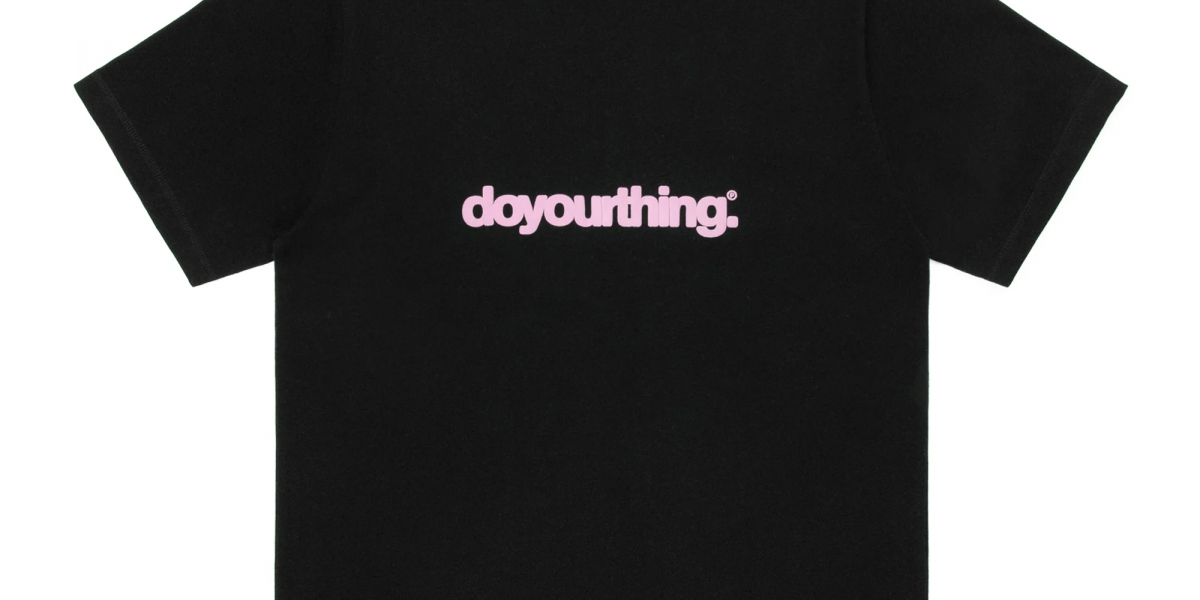 Poser London || Poser joggers || Official Store Shop Now
Poser London delivers modern streetwear with a bold comfort.Designed for everyday wear, it blends clean style with effortless confidence.
-
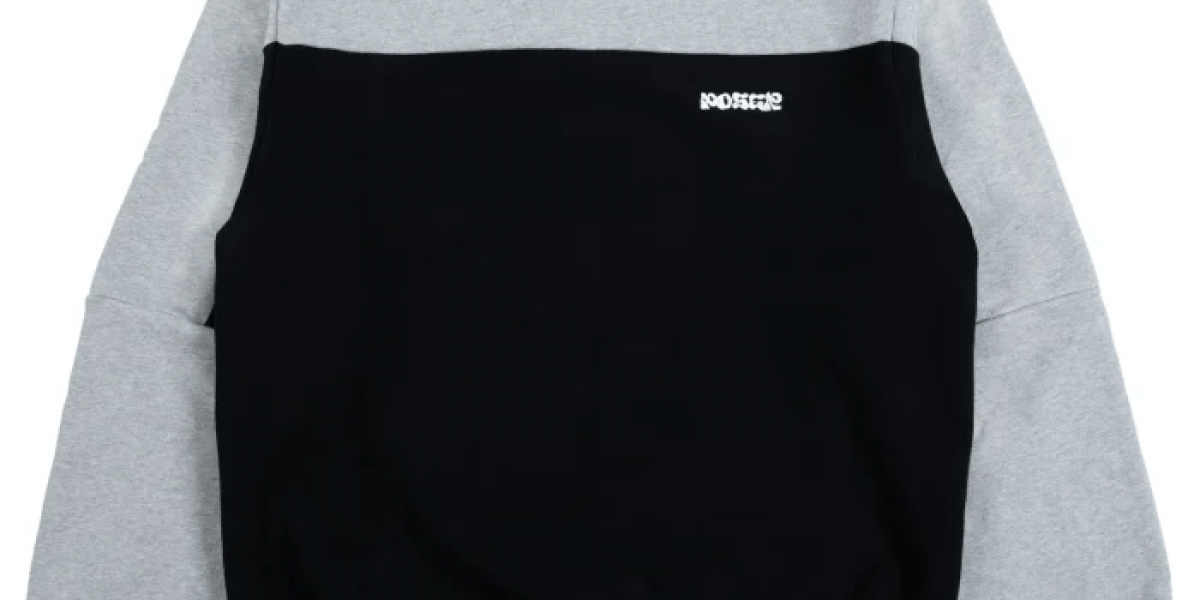 Protect London | Protect LDN Clothing | Shop Now
Step into the world of timeless style and bold fashion with Protect London meets sophistication. Known for its premium fabrics, edgy designs.
-
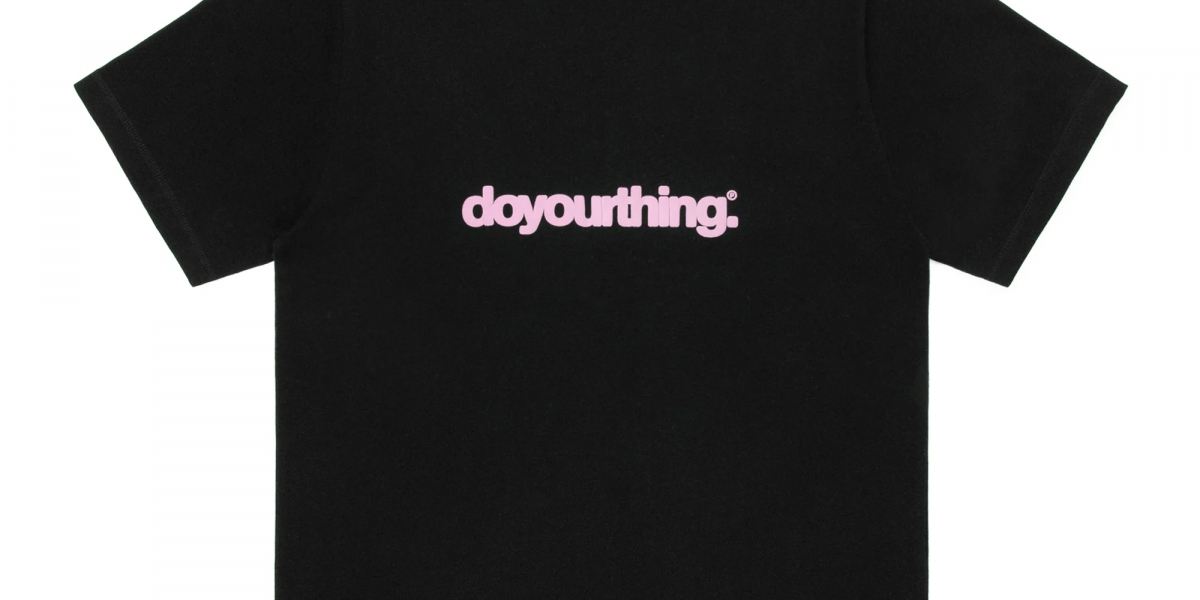 Palace | Palace Skateboard | Palace Official Store | Upto 30% OFF
Palace Classic Tri-Ferg Hood: A cornerstone of streetwear. This cotton hoodie features the world-renowned Tri-Ferg logo on the chest and back.
-
What Are the Best Bras for Small Bust Sizes Comfort
Find the best bras for small bust sizes that offer comfort, light support, and a natural shape. Learn how to choose the right styles, fabrics, and fit for everyday wear to feel confident and comfortable all day long.
-
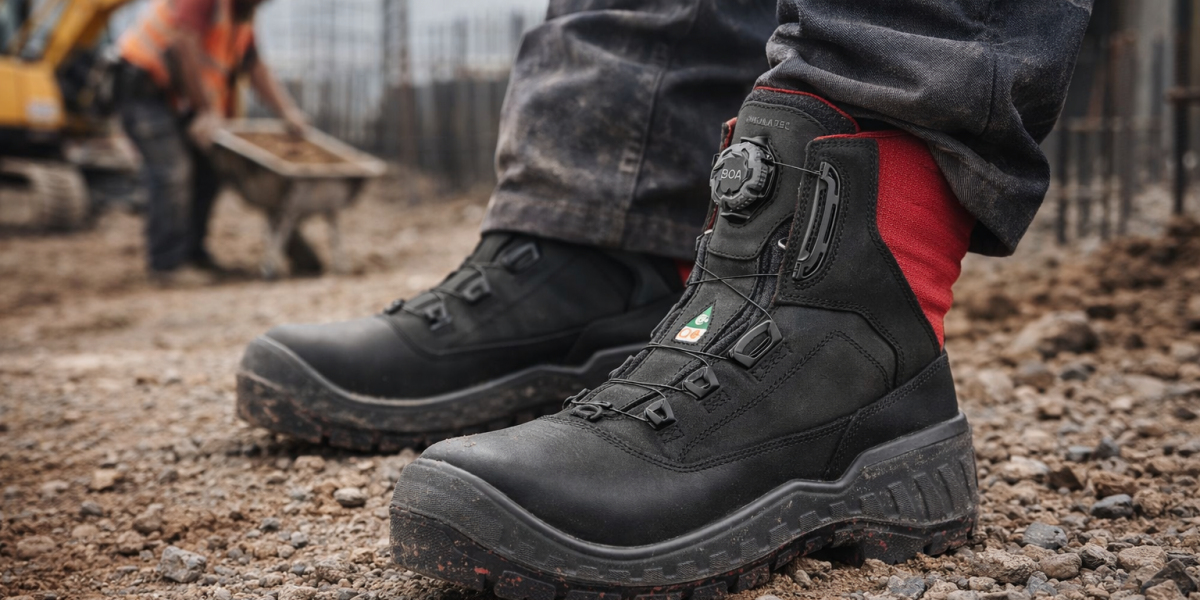 What Are the Best Waterproof Safety Boots to Buy Online in the UK
Choosing the right safety footwear is not just about protection. It directly impacts comfort, productivity and long-term foot health
-
 Detaillierte Analyse der Haltbarkeit von Sex Torso
Die Haltbarkeit von Torsopuppen lässt sich nicht einfach mit „Ja“ oder „Nein“ beantworten; vielmehr kommt es auf die richtige Pflege an. Obwohl sie nicht zerbrechlich sind, vertragen sie keine grobe Behandlung. Sorgfältige Pflege und sorgsame Nutzung sind entscheidend für ihre L