Luxury Scarves Market Outlook to 2030
The global Luxury Scarves Market is experiencing notable growth, driven by rising disposable incomes, evolving fashion sensibilities, and increasing demand for premium accessories. According to Straits Research, the market was valued at USD 8.24 billion in 2024 and is projected to reach USD 9.01 billion in 2025, expanding significantly to USD 14.67 billion by 2030. This reflects a compound annual growth rate (CAGR) of 10.3% during the forecast period (2025–2030). The popularity of branded scarves as status symbols, along with rising e-commerce penetration and seasonal fashion trends, are major factors fueling this market's expansion.
Top 5 Trends in the Luxury Scarves Market
1. Rising Demand for Sustainable and Ethical Fashion
Consumers are increasingly seeking eco-friendly and ethically produced scarves made from organic silk, cashmere, or recycled materials. Luxury brands are investing in traceable, sustainable supply chains.
2. Digitalization and Online Retail Growth
The shift towards digital channels has transformed how luxury scarves are marketed and sold. Virtual try-on tools, AI-powered personalization, and influencer marketing are fueling online luxury scarf sales.
3. Celebrity Collaborations and Limited Editions
Collaborations between luxury fashion houses and celebrities or designers have led to exclusive collections, generating hype and driving sales. These limited releases often become collector’s items.
4. Customization and Personalization
Luxury consumers are increasingly opting for scarves that offer customization options—initials, monograms, and design choices—catering to the desire for uniqueness and exclusivity.
5. Expansion into Emerging Markets

Emerging economies like China, India, and the Middle East are witnessing a surge in demand for high-end fashion accessories, including scarves, due to rising affluence and Western fashion influence.
Key Players and Their Latest Developments
1. Hermès International S.A.
Hermès continues to dominate the luxury scarves segment with its iconic silk scarves. The company recently introduced AI-powered tools to help customers design custom scarves.
2. LVMH Moët Hennessy Louis Vuitton
Through brands like Louis Vuitton and Fendi, LVMH is investing in sustainable silk production and expanding its scarf lines with seasonal and artistic themes.
3. Burberry Group Plc
Burberry has integrated recycled materials in its scarf collections and launched a virtual shopping experience on its website, enhancing the digital luxury journey.
4. Gucci (Kering Group)
Gucci has launched vegan silk scarves as part of its circular fashion initiative and is targeting Gen Z consumers via TikTok-driven marketing campaigns.
5. Chanel S.A.
Chanel is expanding its fashion accessories portfolio with a focus on craftsmanship and exclusivity. The brand recently opened scarf-only boutique sections in flagship stores.
6. Etro S.p.A.
Etro is focusing on rich ethnic prints and handcrafted scarves, gaining popularity in Asia and the Middle East. The brand is also experimenting with augmented reality displays in stores.
7. Alexander McQueen
The label continues to push edgy designs and has collaborated with pop artists to release exclusive digital-print scarves.
8. Valentino
Valentino’s silk scarves featuring art prints and signature motifs have helped it tap into the millennial luxury market. The brand is also expanding into premium gifting.
9. Versace
Versace's bold scarf prints continue to attract fashion-forward buyers. The company is investing in immersive digital campaigns and in-store customization lounges.
10. Mulberry
Mulberry’s focus on heritage designs and natural fibers has led to increased traction in the UK and Scandinavian countries. It is now exploring growth in the North American market.
Get Your Sample Report Now...!!
Regional Analysis
1. North America (United States, Canada)
High disposable incomes, growing fashion consciousness, and strong retail infrastructure drive the market. The U.S. dominates due to demand for premium and celebrity-endorsed scarves.
2. Europe (United Kingdom, France, Germany, Italy)
Europe remains a manufacturing and design hub for luxury scarves. Traditional fashion houses and artisanal brands thrive in cities like Paris and Milan, with increasing demand from tourists and locals alike.
3. Asia-Pacific (China, Japan, South Korea, India, Australia)
China and Japan are leading consumers of luxury scarves, thanks to rising wealth and interest in Western brands. India is showing rapid growth due to a shift toward high-end fashion.
4. Middle East & Africa
Luxury scarf demand is growing, especially in countries like UAE and Saudi Arabia, where scarves are also worn for cultural and religious reasons. Premium gifting during festivals fuels sales.
5. Latin America (Brazil, Mexico)
An expanding middle class and growing e-commerce ecosystem are enabling access to luxury fashion. Brands are entering the region via online and franchise retail models.
The Luxury Scarves Market is poised for robust growth, fueled by innovation, digital transformation, and evolving consumer preferences. As demand for sustainable, high-quality fashion accessories increases, luxury brands are leveraging technology, personalization, and global expansion strategies. With strong momentum in both developed and emerging regions, the market offers lucrative opportunities for established players and new entrants alike in the years leading up to 2030.

Tranphuong Creator
29 posts
Warning: Undefined array key "language" in /www/wwwroot/yoosight.com/assets/includes/functions_three.php on line 1879
Deprecated: strtolower(): Passing null to parameter #1 ($string) of type string is deprecated in /www/wwwroot/yoosight.com/assets/includes/functions_three.php on line 1879
-
 AI Drafting Tools Alter Public Perception on Sensitive Issues
AI drafting tools can alter user posts on sensitive topics like abortion and climate change, potentially reshaping public opinion over time.
-
 Concerns Grow in Scottish Village over AI Datacentre Project
Local residents in Newarthill fear their properties may be sold or green spaces lost as part of an AI datacentre project. Government promises about renewable energy sources are disputed.
-
 Công nghệ chip trong bóng Trionda phát hiện va chạm đến mức nào
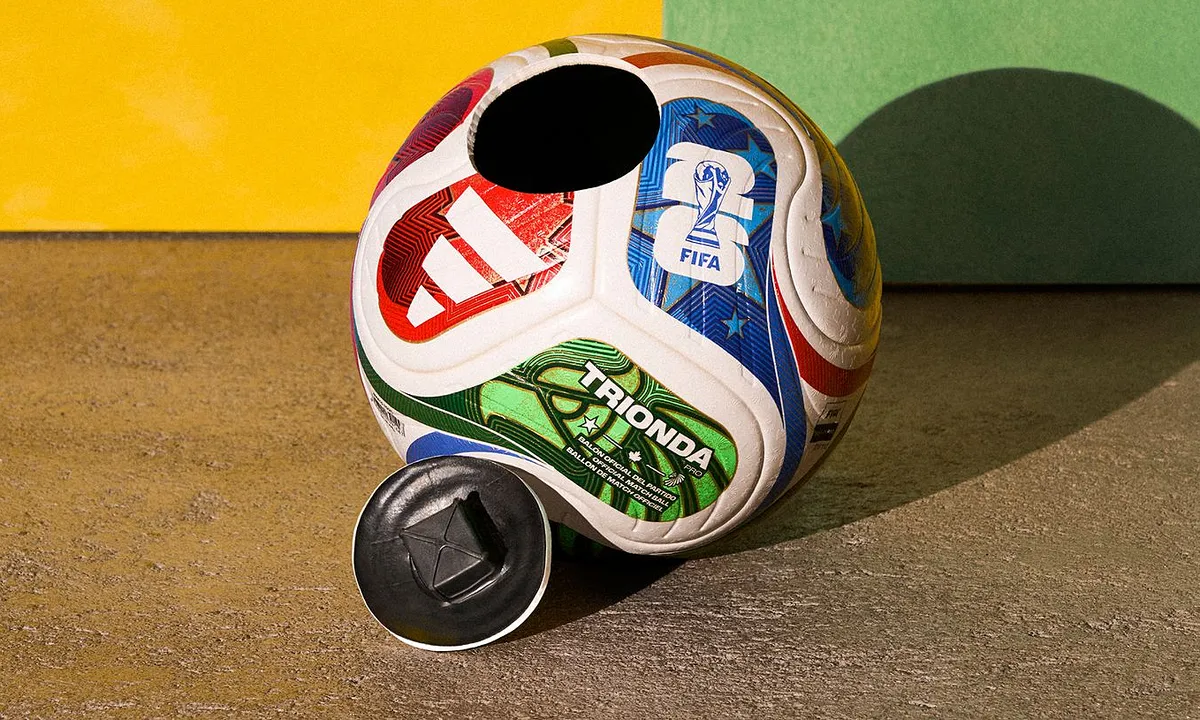
Chi tiết về công nghệ bóng Trionda trong World Cup 2026, cách hệ thống cảm biến quán tính IMU phát hiện va chạm chính xác hơn 100 lần mỗi giây.
-
 NASA triển khai robot cứu kính viễn vọngSwift trị giá 250 triệu USD
NASA triển khai robot để cứu kính viễn vọngSwift trị giá 250 triệu USD, đặt ra phương án tương lai cho hoạt động tương tự.
-
 Elon Musk's Social Media Focus on UK Race and Immigration Overshadows SpaceX IPO
An analysis of Elon Musk’s X posts reveals that he focused more on UK race and immigration during SpaceX’s IPO run-up than his own company.
-
 Mark Zuckerberg: CEO công nghệ với đam mê chăn nuôi 'thịt bò tốt nhất thế giới'
CEO Meta Mark Zuckerberg đầu tư vào dự án chăn nuôi để tạo ra loại thịt bò chất lượng cao nhất thế giới.
-
 UK’s Stargate UK Datacentre Project: A Hyped but Hypothetical Investment
The Stargate UK datacentre project appears to be a largely hypothetical investment, with key partners failing to visit the proposed site. Local leaders question its feasibility and authenticity.
-
 Cảm biến bóng xác định việt vị: Thế nào để quyết định chính xác?
FIFA sử dụng cảm biến tích hợp trong quả bóng để xác định tình huống việt vị và đưa ra quyết định chính xác.
-
 Blue Origin tái cấu hình phóng sau vụ nổ New Glenn
Blue Origin chuyển cấu hình phóng sau vụ nổ New Glenn để tăng tần suất bay.
-
 OpenAI's Sydney Office: NSW Government's Hesitation Amid AI Dystopia Fears
NSW government's cautious approach to OpenAI's Sydney office, balancing enthusiasm with environmental concerns.
-
 Vạn Lý Trường Thành Xanh: Trồng Cây Nhanh hơn Rừng Tự Nhiên
Dự án Vạn lý Trường thành Xanh trồng 66 tỷ cây xanh với tốc độ sinh trưởng nhanh hơn, hấp thụ CO2 hiệu quả hơn so với rừng tự nhiên.


