The life sentence handed to Filippo Turetta for the femicide of his young victim marked a turning point in Italy’s battle against gender-based violence. This case, marked by brutality and a national outcry, not only brought justice for the victim but also served as a wake-up call for a society grappling with systemic issues related to violence against women. Turetta’s sentencing has since become a rallying cry, inspiring legislative changes and grassroots movements across the country.
Background: The Tragic Case of Femicide
The case began with the horrifying murder of a young woman at the hands of Filippo Turetta. The details, which shocked the nation, exposed the deeply ingrained issue of gender-based violence in Italy. Reports suggest the crime stemmed from possessiveness and toxic control—common dynamics in cases of femicide.
Femicide, defined as the killing of a woman because of her gender, has plagued Italy for years. Despite advocacy efforts, the country continues to report alarmingly high numbers of such crimes. This particular case stood out for its gruesomeness and the swiftness with which the public mobilized to demand justice.

National Outrage and Public Reaction
When news of the crime broke, it ignited a firestorm of outrage across Italy. Social media became a platform for mourning the victim and condemning the persistent violence against women. Protests erupted in major cities, with thousands demanding stricter laws and harsher penalties for perpetrators of gender violence.
High-profile politicians and activists weighed in, calling for systemic changes to protect women. This overwhelming response highlighted a collective exhaustion with the slow progress in addressing these issues.
The Court’s Decision: Filippo Turetta’s Life Sentence
After a high-profile trial, Filippo Turetta received a life sentence, a verdict welcomed as a step toward justice. The court’s decision was a rare example of the Italian legal system responding decisively to femicide.
Historically, cases of femicide in Italy have often been met with leniency, sometimes excused as crimes of passion or cultural misunderstandings. This landmark verdict signaled a shift, with the judiciary finally recognizing the severity and societal impact of such crimes.
The symbolic weight of the life sentence cannot be overstated. It not only brought closure to the victim’s family but also represented a broader acknowledgment of the need to address the epidemic of femicide.
Femicide in Italy: A Growing Crisis
Italy’s struggle with femicide is part of a larger, systemic issue. In 2022 alone, over 100 women were killed by their partners or former partners. These statistics expose a grim reality: many women lack the resources or legal protections necessary to escape abusive situations.
Inadequate funding for shelters, insufficient enforcement of restraining orders, and cultural norms that perpetuate male dominance have contributed to this crisis. Compared to other European nations, Italy has been slow to adopt robust preventive measures, but Turetta’s case may represent a turning point.
The Birth of a National Movement
This case did more than deliver justice—it sparked a national reckoning. Advocacy groups and grassroots organizations have since rallied, using the tragedy as a catalyst for change. Campaigns focusing on education, awareness, and legal reform have gained momentum, and discussions about the root causes of femicide are now central to Italy’s social and political discourse.
On the legislative front, policymakers have introduced tougher penalties for gender-based violence and improved protective measures for at-risk women. Although progress is slow, these changes signal a commitment to addressing the issue head-on.
Conclusion
Filippo Turetta’s life sentence for femicide has left an indelible mark on Italy, reminding the nation of the urgent need to combat gender-based violence. While justice was served in this case, it also highlighted the deep societal flaws that allow such tragedies to occur.
As Italy continues its fight against femicide, this case serves as a painful yet powerful reminder of the importance of vigilance, advocacy, and action. The outpouring of public outrage and subsequent reforms offer hope that such crimes may one day become a thing of the past.
Call to Action:
To learn more about the case and its impact, visit Life Sentence for Italy’s Femicide That Stirred National Outrage. Join the movement by supporting organizations dedicated to ending gender-based violence.

TT NBC
2 posts
-
 The Timeless Appeal of DLF Park Place Sector 54 Gurgaon: A Living Legacy
Living at DLF Park Place Sector 54 Gurgaon means becoming part of an established, sophisticated, and close-knit neighborhood. The clubhouse acts as the center of social activity, hosting everything from fitness sessions and sporting events to community gatherings.
-
 Redefining Luxury: The Iconic M3M Golf Estate, Sector 65
In the bustling landscape of Gurugram, few addresses command the same level of prestige and architectural grandeur as M3M Golf Estate, Sector 65. As one of the most prominent residential landmarks along the Golf Course Extension Road, this project has effectively transformed the concept of
-
 Redefining Ultra-Luxury: A Deep Dive into Whiteland Westin Residences, Sector 103, Gurgaon
In the heart of the rapidly evolving Dwarka Expressway corridor, a new benchmark for premium living has emerged. Whiteland Westin Residences, located in Sector 103, Gurgaon, isn't just a residential project—it is a landmark collaboration that brings the world-renowned hospitality o
-
 Green Engineering and Health Optimization at Whiteland The Aspen
To address this, Whiteland Corporation integrated specialized CTMA3 Air Purification technology into the core building systems. This central air infrastructure works continuously to treat, filter, and circulate air throughout enclosed common areas, double-height entrance lobbies, and tower
-
 Mastering the Asset: Technical Infrastructure, Micro-Market Value, and Structural Layouts at DLF Park Place
This deep dive focuses on the granular technical infrastructure, exact structural layouts, and macro-economic factors that explain why this specific project maintains a massive edge over its competition in 2026.
-
 Brand Identity and Tenant Experience: Cultivating Loyalty at Elan Empire Gurgaon
Securing high occupancy in a premium high-street asset is only half the battle. For long-term viability, property management and individual investors must shift their focus to building tenant loyalty and creating a distinctive brand identity.
-
 Master Review: Evaluating Godrej Nature Plus, Sector 33, Gurgaon
The layout uses a smart structural pattern where towers are angled away from each other. This creates a staggered footprint that gives corner apartments clear, unblocked views of the Aravalli foothills while ensuring optimal morning and afternoon sunlight. Inside the towers, the floor plan
-
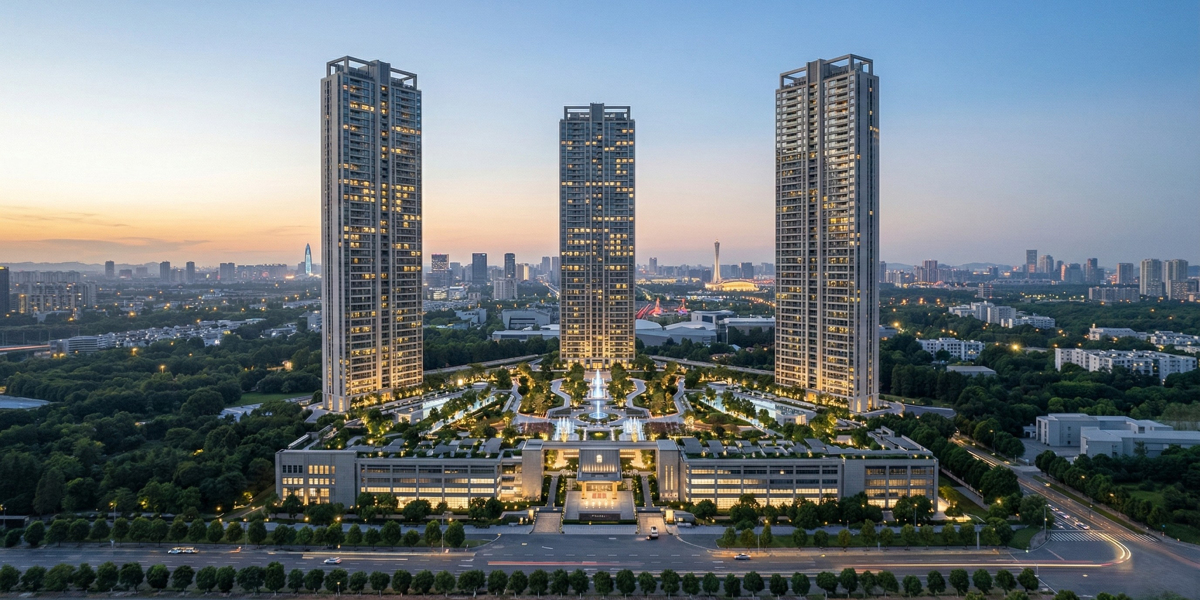 BPTP Downtown 66: A Masterpiece of Vertical Luxury in Sector 66
BPTP Downtown 66 has emerged as one of the most anticipated high-rise developments on the Golf Course Extension Road. Designed by the globally acclaimed architectural firm Aedas, this project is not just a residential complex but a vertical ecosystem where luxury meets functionality.
-
 Aesthetic Clinic in Australia | Beauty Clinic in Carolina | PM Aesthetics
Discover a trusted aesthetic clinic in Australia and a professional beauty clinic in Carolina. PM Aesthetics offers advanced skincare, cosmetic treatments, and personalized beauty solutions.
-
 The Masterful Synergy at Signature Global Tonino Lamborghini
Signature Global Tonino Lamborghini Residences represents a ₹2,890 crore synergy of Italian supercar aesthetics and Indian engineering excellence in Sector 71.
-
 Sidewalk Repair NYC: A Complete Guide for Property Owners
Sidewalks in New York City endure constant wear and tear due to heavy foot traffic, extreme weather conditions, and tree root growth. Over time, cracks, uneven surfaces, and potholes can develop. These issues not only create an unpleasant appearance but also pose serious safety hazards for


