Historical Landmarks in Luxor: Discover the Wonders of Ancient Egypt
Luxor, often called the "world's greatest open-air museum," is a remarkable city filled with some of the most impressive archaeological treasures in Egypt. Once known as Thebes, Luxor was the capital of ancient Egypt during the New Kingdom and remains a focal point for those interested in exploring the grandeur of the ancient world. With its vast temples, richly decorated tombs, and remarkable monuments, Luxor offers a window into a civilization that flourished thousands of years ago. Here’s a guide to the most captivating historical landmarks in Luxor.
1. Karnak Temple Complex
The Karnak Temple Complex is one of the largest ancient religious sites in the world, dedicated to the Theban gods, especially Amun-Ra, the sun god. Built and expanded over a span of 2,000 years, Karnak served as a powerful spiritual center and a testament to Egypt’s devotion to the gods.
- Highlights: The Great Hypostyle Hall, featuring 134 massive columns in 16 rows, is one of Karnak’s most awe-inspiring features, covering over 5,000 square meters. Other must-see attractions include the Sacred Lake, the obelisks of Hatshepsut and Thutmose III, and the Avenue of Sphinxes, which once connected Karnak with the Luxor Temple.
2. Luxor Temple
Located on the east bank of the Nile, Luxor Temple is another magnificent structure dedicated to the rejuvenation of kingship. Unlike most temples, Luxor Temple was not dedicated to a single god but served as a ceremonial site where the Opet Festival was celebrated to honor the god Amun.
- Highlights: The temple's grand entrance is adorned with statues of Ramses II, flanked by a row of sphinxes. The colonnade built by Amenhotep III, lined with towering columns, leads to beautifully decorated courtyards and chapels, showcasing some of the best-preserved wall reliefs and artwork.
3. Valley of the Kings
The Valley of the Kings, on Luxor's west bank, is one of Egypt's most famous archaeological sites. This area served as the royal burial ground for New Kingdom pharaohs, including the famed tomb of Tutankhamun. The tombs are carved deep into the limestone hills and contain remarkable wall paintings depicting scenes from the Book of the Dead and the journey to the afterlife.
- Highlights: The tomb of Tutankhamun remains a top attraction, though smaller than others. Notable tombs include those of Ramses II, Seti I, and Thutmose III, each featuring vibrant wall art that has withstood the test of time.
4. Valley of the Queens
Located near the Valley of the Kings, the Valley of the Queens is the burial site for royal women, including queens and princesses. One of the most beautiful and famous tombs here is that of Queen Nefertari, the beloved wife of Ramses II. Her tomb is known for its vibrant colors and detailed wall paintings, which are considered some of the finest in Egypt.
- Highlights: The tomb of Queen Nefertari, often called the "Sistine Chapel of Ancient Egypt," is a stunning example of ancient Egyptian art. Other tombs, such as those of Queen Titi and Prince Amun-her-khepeshef, also feature colorful scenes and intricate carvings.
5. Mortuary Temple of Hatshepsut
The Mortuary Temple of Hatshepsut at Deir el-Bahri is a striking architectural masterpiece dedicated to Queen Hatshepsut, one of Egypt’s few female pharaohs. The temple’s unique design, with terraced levels built into the limestone cliffs, reflects a harmonious blend of nature and architecture.
- Highlights: The temple’s terraces and colonnades are adorned with scenes depicting Hatshepsut’s famous expedition to Punt, a prosperous land likely located along the Red Sea. Statues of Hatshepsut in the guise of a male pharaoh underscore her role and authority.
Discover the Ultimate Relaxation at Hurghada Spas Your Gateway
Indulge in Elegance at Soma Bay Top Spa Destinations to Visit
Dendera and the Temple of Hathor
Exploring the Treasures of the Nile
6. Colossi of Memnon
The Colossi of Memnon are two enormous stone statues of Pharaoh Amenhotep III, standing at over 18 meters tall. They were originally part of Amenhotep’s mortuary temple, which is now mostly destroyed. Despite their ruin, the statues remain iconic symbols of Luxor’s west bank and have fascinated travelers since antiquity.
- Highlights: The statues are known for the “singing” phenomenon observed in ancient times, where one of the statues would emit sounds at dawn due to temperature changes in the stone. Though the sounds have since ceased, the Colossi are a testament to the grandeur of Amenhotep III’s reign.
7. Medinet Habu (Mortuary Temple of Ramses III)
The Mortuary Temple of Ramses III, also known as Medinet Habu, is one of the best-preserved temples on Luxor’s west bank. The temple is known for its detailed wall carvings, which depict Ramses III’s military victories and religious ceremonies.
- Highlights: The walls of Medinet Habu feature intricate carvings of battles, including the defeat of the Sea Peoples, who attempted to invade Egypt. The colossal gateways, courtyards, and elaborate decoration make it one of Luxor’s most fascinating historical sites.
8. The Ramesseum
The Ramesseum is the mortuary temple of Ramses II, one of Egypt’s most powerful and celebrated pharaohs. Although much of the structure is now in ruins, it was once a grand complex adorned with statues, reliefs, and inscriptions commemorating Ramses II’s achievements and devotion to the gods.
- Highlights: The remains of a massive seated statue of Ramses II and detailed wall reliefs depicting battle scenes, religious rituals, and the pharaoh’s divine legacy make the Ramesseum a must-visit. The site also inspired Percy Bysshe Shelley’s famous poem “Ozymandias.”
9. Tombs of the Nobles
The Tombs of the Nobles, situated on Luxor’s west bank, contain the final resting places of high officials, priests, and nobility from ancient Egypt. These tombs are smaller than royal tombs but offer a unique glimpse into the lives of ancient Egyptian elites.
- Highlights: The Tomb of Sennefer, known as the “Tomb of the Vines,” and the Tomb of Rekhmire, an official under Thutmose III, are beautifully decorated with scenes of daily life, agricultural practices, and religious ceremonies. Each tomb has its unique art style and historical significance, providing a richer understanding of ancient Egyptian culture.
10. Luxor Museum
For a more curated look at the artifacts discovered around Luxor, the Luxor Museum offers an impressive collection of statues, jewelry, and relics from temples and tombs. The museum provides context to the monuments around the city and gives visitors an up-close look at artifacts that have been preserved and restored.
- Highlights: Notable items include a well-preserved statue of Thutmose III, mummies of high-status individuals, and objects from the tomb of Tutankhamun. The museum also has a section devoted to the Amarna Period, featuring artifacts from the reign of Akhenaten.
Luxor: A Living Testament to Ancient Egypt’s Splendor
Luxor’s historical landmarks provide an unparalleled journey into ancient Egypt’s rich cultural and religious heritage. From the grand temples of Karnak and Luxor to the hidden tombs in the Valley of the Kings, each site tells stories of pharaohs, gods, and everyday life in the ancient world. As a destination, Luxor offers visitors a timeless connection to one of the world’s greatest civilizations, leaving them with memories of a place where history and myth intertwine in awe-inspiring splendor

Hoangkhanh Chill
23 posts
-
 The Timeless Appeal of DLF Park Place Sector 54 Gurgaon: A Living Legacy
Living at DLF Park Place Sector 54 Gurgaon means becoming part of an established, sophisticated, and close-knit neighborhood. The clubhouse acts as the center of social activity, hosting everything from fitness sessions and sporting events to community gatherings.
-
 Redefining Luxury: The Iconic M3M Golf Estate, Sector 65
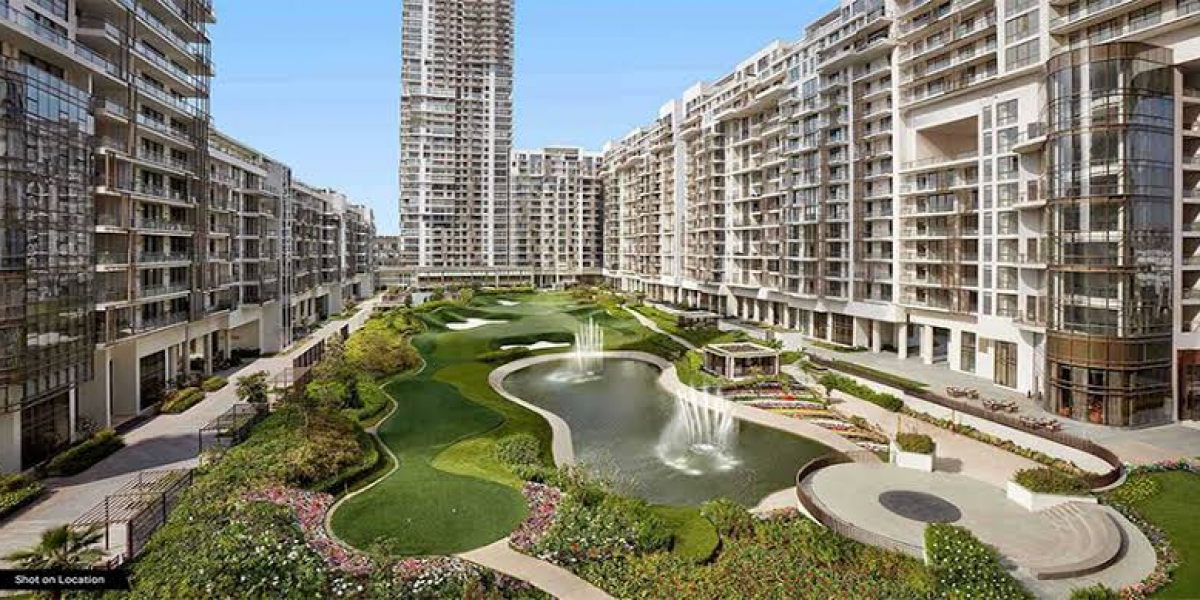
In the bustling landscape of Gurugram, few addresses command the same level of prestige and architectural grandeur as M3M Golf Estate, Sector 65. As one of the most prominent residential landmarks along the Golf Course Extension Road, this project has effectively transformed the concept of
-
 Redefining Ultra-Luxury: A Deep Dive into Whiteland Westin Residences, Sector 103, Gurgaon
In the heart of the rapidly evolving Dwarka Expressway corridor, a new benchmark for premium living has emerged. Whiteland Westin Residences, located in Sector 103, Gurgaon, isn't just a residential project—it is a landmark collaboration that brings the world-renowned hospitality o
-
 Green Engineering and Health Optimization at Whiteland The Aspen
To address this, Whiteland Corporation integrated specialized CTMA3 Air Purification technology into the core building systems. This central air infrastructure works continuously to treat, filter, and circulate air throughout enclosed common areas, double-height entrance lobbies, and tower
-
 Mastering the Asset: Technical Infrastructure, Micro-Market Value, and Structural Layouts at DLF Park Place
This deep dive focuses on the granular technical infrastructure, exact structural layouts, and macro-economic factors that explain why this specific project maintains a massive edge over its competition in 2026.
-
 Brand Identity and Tenant Experience: Cultivating Loyalty at Elan Empire Gurgaon
Securing high occupancy in a premium high-street asset is only half the battle. For long-term viability, property management and individual investors must shift their focus to building tenant loyalty and creating a distinctive brand identity.
-
 Master Review: Evaluating Godrej Nature Plus, Sector 33, Gurgaon
The layout uses a smart structural pattern where towers are angled away from each other. This creates a staggered footprint that gives corner apartments clear, unblocked views of the Aravalli foothills while ensuring optimal morning and afternoon sunlight. Inside the towers, the floor plan
-
 BPTP Downtown 66: A Masterpiece of Vertical Luxury in Sector 66
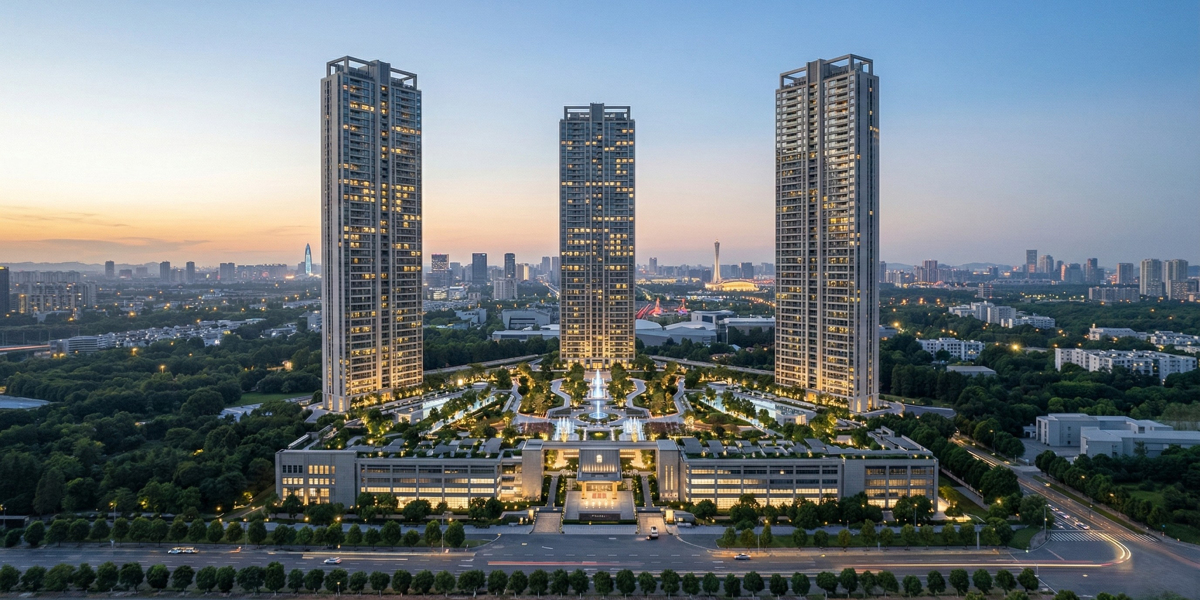
BPTP Downtown 66 has emerged as one of the most anticipated high-rise developments on the Golf Course Extension Road. Designed by the globally acclaimed architectural firm Aedas, this project is not just a residential complex but a vertical ecosystem where luxury meets functionality.
-
 Aesthetic Clinic in Australia | Beauty Clinic in Carolina | PM Aesthetics
Discover a trusted aesthetic clinic in Australia and a professional beauty clinic in Carolina. PM Aesthetics offers advanced skincare, cosmetic treatments, and personalized beauty solutions.
-
 The Masterful Synergy at Signature Global Tonino Lamborghini
Signature Global Tonino Lamborghini Residences represents a ₹2,890 crore synergy of Italian supercar aesthetics and Indian engineering excellence in Sector 71.
-
 Sidewalk Repair NYC: A Complete Guide for Property Owners
Sidewalks in New York City endure constant wear and tear due to heavy foot traffic, extreme weather conditions, and tree root growth. Over time, cracks, uneven surfaces, and potholes can develop. These issues not only create an unpleasant appearance but also pose serious safety hazards for


