- A 7.1-magnitude earthquake struck southern Kyushu island, causing multiple aftershocks.
- Around 300,000 people were instructed to evacuate due to the quake and potential landslides.
- Numerous businesses and infrastructure suffered damage, with some buildings collapsing and rail services suspended.
Key Facts and Initial ImpactA strong earthquake with a magnitude of 7.1 struck Kumamoto prefecture on Kyushu island in southwestern Japan, leading to significant aftershocks and initial reports of damage. The quake was centered about 20 kilometers south of the city of Kumamoto, where residents experienced intense shaking measured at a maximum seismic intensity of seven on the Japanese Shindo scale.
The earthquake triggered widespread disruption, with more than 60 aftershocks ranging from 1 to 4 in magnitude. Kyodo News reported that about 40 people were injured at a hospital in Yatsushiro city, while several buildings collapsed or suffered significant damage. Stone walls at the Kumamoto castle were damaged, and a few stone lanterns fell down, according to a local priest. A train was derailed and fell on its side at the Yatsushiro station.
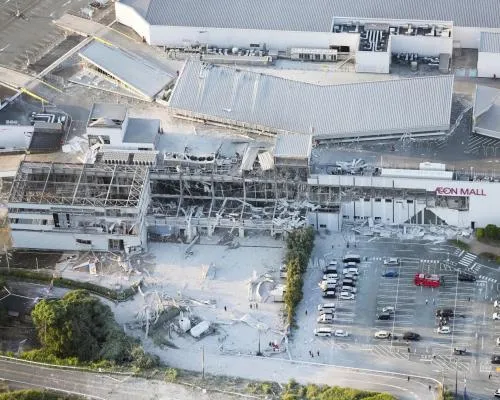
Local officials reported that around 300,000 people have been instructed to go to evacuation centers due to potential landslides and further strong quakes in the coming days. The earthquake’s impact was compounded by disruptions in various services, including power outages affecting about 48,000 homes, suspension of rail services, and closure of the Kumamoto airport.
Corporate Responses and Government ActionsThe disaster affected major corporations as well. TSMC, Sony, and Fujifilm evacuated their workers from plants in the area as a precautionary measure. The Japanese prime minister, Sanae Takaichi, confirmed that an “Emergency Assembly Team” had been assembled to handle the situation.
Government officials issued emergency earthquake warnings for several prefectures on Kyushu island and advised residents near the coast to avoid the shore due to potential tsunamis. While a tsunami warning was initially issued, it was later rescinded as no significant activity was observed.
Background and ContextThis incident highlights Japan's vulnerability to seismic activity, given its location on the western edge of the Pacific “ring of fire.” The country experiences about 1,500 earthquakes annually, many of which are mild but some can be devastating. In 2016, Kumamoto was hit by two major earthquakes that killed 273 people and injured over 2,800.
ConclusionThe earthquake in Kumamoto has caused significant damage to infrastructure and businesses, leading to the evacuation of thousands of people. The situation remains fluid as emergency services continue to assess the full extent of the damage and ensure public safety amidst ongoing aftershocks and potential hazards.
Source: The Guardian

Guardian News World
611 posts
-
 Star Wars Translated into Welsh for First Time on S4C
The 1977 classic 'Star Wars' will be translated into Welsh for the first time as part of a project by S4C and Lucasfilm to celebrate the film's 50th anniversary.
-
 Driver Sentenced After Faking Emergency on Motorway
A driver in the UK was jailed for four years for faking brake failure on motorways and evading police in a dangerous chase.
-
 Democrat Faces Tough Primary After Flipping Trump District
Incumbent Marie Gluesenkamp Perez faces tough primary challenges after winning a traditionally Republican district. Her success and subsequent struggles highlight the internal divisions within the Democratic party.
-
 Congresswoman Marie Gluesenkamp Perez Faces Tough Primary Amid Party Divide
Incumbent Democrat Marie Gluesenkamp Perez is facing tough competition from fellow Democrats and Republicans in her primary election after successfully flipping a pro-Trump district.
-
 US Senate Advances Nomination of Todd Blanche Amid Controversy
The US Senate judiciary committee advances Todd Blanche's nomination for attorney general despite reservations and concerns over a $1.8 billion fund. Meanwhile, Tarrant County proposes cutting polling locations, sparking criticism of potential voter suppression.
-
 Standards Watchdog Opens Investigation Into Reform UK Deputy Leader
Parliament’s standards watchdog investigates Reform UK deputy leader Richard Tice over a possible failure to declare an interest during a debate. Ongoing investigations into the party include police probes and allegations of tax evasion.
-
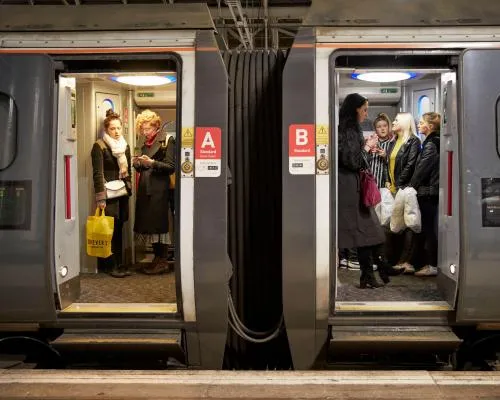 Crowded Commutes: The Reality of England’s Busiest Train Service
The 5.46pm train from London Euston to Crewe is England's busiest commuter-only route, facing frequent overcrowding and discomfort for passengers.
-
 UK Army's New Training Simulation: A Virtual Reality Approach
UK's Skyral, part of a £2bn MoD contract, uses advanced virtual simulations to train soldiers on complex battlefield decisions.
-
 Michigan Primary Highlights Democrats’ Internal Strife
Michigan's Democratic primary highlights the internal strife within the party over its future direction, with significant external spending and support from groups like AIPAC.
-
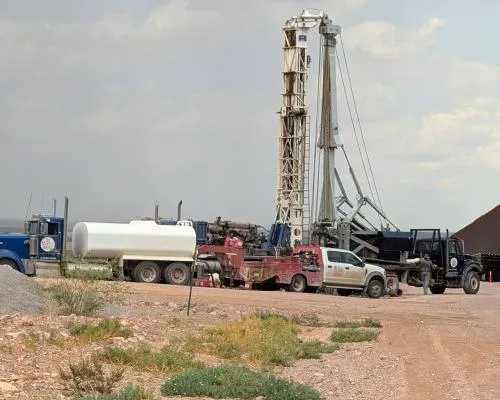 Border Wall Construction Ordered to Cease Drilling Wells Due to Water Concerns in New Mexico
Construction crews building a border wall in New Mexico were ordered to stop drilling new wells due to concerns over groundwater depletion, as ranchers fear this could threaten their livestock and water supply amid a severe drought.
-
 Florida Governor’s Race Candidate Accused of Failing to Pay Scholarship Winner
Florida gubernatorial candidate James Fishback is accused by high school debate winner Briana Whatley of not fulfilling a scholarship promise worth $8,000.


