Tennis is a sport that thrives on precision, technique, and an ideal playing surface. The type of court flooring significantly impacts gameplay, player performance, and maintenance needs. Whether you're constructing a court for personal use, a community center, or a professional facility, understanding the types of tennis court surfaces, their materials, installation, and upkeep is crucial. This guide will walk you through everything you need to know about tennis court flooring and help you choose the best option for your needs.
Types of Tennis Court Surfaces
Tennis courts come in various surface types, each offering unique characteristics that affect gameplay, ball bounce, and maintenance.
1. Hard Courts
Description:
Hard courts are some of the most common surfaces used in professional and recreational settings. They are made from rigid materials, typically a concrete or asphalt base, layered with an acrylic coating.
Pros:
- Versatile: Suitable for all playing styles, balancing speed and ball bounce.
- Durable: Designed to last for years with proper maintenance.
- Consistent Performance: Offers a predictable playing experience.
Cons:
- Impact on Joints: The hard surface can be tough on players' knees and joints over time.
- Climate Sensitivity: Can heat up significantly during hot weather, making play uncomfortable.
Maintenance:
- Regular cleaning to remove debris.
- Resurfacing may be required every 5–7 years to maintain quality and performance.
Ideal For:
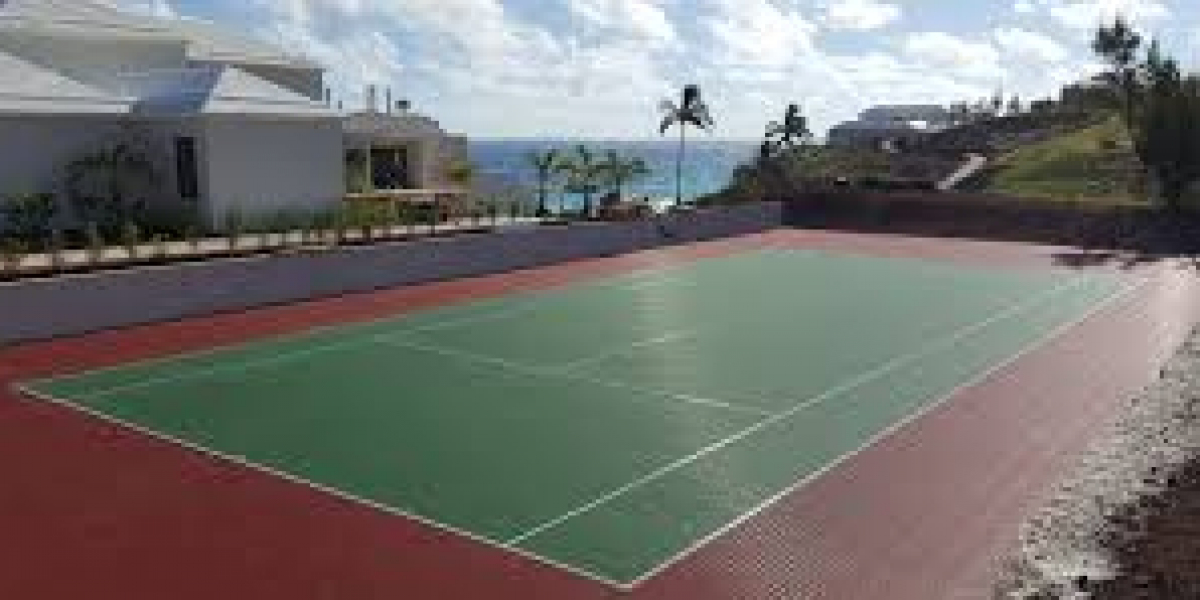
Players seeking a balance of speed and bounce; suitable for beginner and advanced players alike.
2. Clay Courts
Description:
Clay courts are made from crushed shale, stone, or brick. They are often recognizable by their reddish or greenish hues.
Pros:
- Player-Friendly: The softer surface is gentler on players' joints.
- Enhanced Strategy: Slower ball speeds allow for extended rallies and strategic play.
Cons:
- High Maintenance: Requires regular brushing and water application to maintain the surface.
- Weather Dependency: Excess rain makes the surface unplayable, and dry conditions cause cracking.
Maintenance:
- Needs daily brushing to level the clay and manage ball marks.
- Frequent watering to retain moisture and avoid dust formation.
Ideal For:
Players who value longer rallies and strategic gameplay; favored by baseline players.
3. Grass Courts
Description:
Grass courts are the oldest type of tennis surface, known for their natural beauty and fast-paced gameplay. These courts are most famously associated with Wimbledon.
Pros:
- Fast Gameplay: Offers low ball bounce and rapid play, ideal for serve-and-volley techniques.
- Aesthetic Appeal: The lush green surface adds prestige and tradition to the court.
Cons:
- Labor-Intensive Maintenance: Requires regular mowing, watering, and fertilization.
- Wear and Tear: Grass deteriorates quickly with frequent play and heavy foot traffic.
Maintenance:
- Daily or weekly mowing and watering, depending on playing frequency and climate.
- Reseeding and aerating required to keep the grass healthy.
Ideal For:
Traditionalists and players who excel in fast-paced conditions; ideal for luxurious, high-end facilities.
4. Artificial Turf
Description:
Artificial turf mimics the look of grass but uses synthetic materials for improved durability and reduced maintenance.
Pros:
- Low Maintenance: Requires occasional cleaning but no mowing or reseeding.
- All-Weather Play: Usable in a wide range of weather conditions.
- Consistent Surface: Offers a uniform playing experience.
Cons:
- Cost: Higher upfront installation expense compared to other surfaces.
- Slower Gameplay: Ball bounce can be slower than on natural grass.
Maintenance:
- Periodic cleaning to remove debris and prevent moss or algae buildup.
- Re-sanding or infilling every few years to maintain traction and bounce.
Ideal For:
Community centers and casual players seeking a grass-like surface without intensive upkeep.
Materials Used in Tennis Court Flooring
Understanding the materials involved can help when choosing the right surface type.
- Hard Courts: Use concrete or asphalt as the base material, finished with acrylic resins for smoothness and color.
- Clay Courts: Made from natural materials like crushed brick or shale. Some courts use synthetic clay for more durability.
- Grass Courts: Use natural grass species, typically ryegrass, seeded over firm soil.
- Artificial Turf: Made from polyethylene or polypropylene fibers, which are UV-resistant and durable.
Installation Processes
Each type of tennis court flooring has unique installation steps:
- Hard Courts:
- Level the site and pour a concrete or asphalt base.
- Apply cushioning layers, followed by acrylic coatings for smoothness.
- Clay Courts:
- Prepare a well-draining subsurface.
- Spread layers of crushed shale or clay evenly.
- Grass Courts:
- Grade the ground and ensure proper drainage.
- Lay turf and seed grass, followed by fertilization and irrigation.
- Artificial Turf:
- Install a shock-absorbing underlayer.
- Lay the synthetic turf and secure it with infill materials like sand or rubber.
Cost Considerations
Costs vary widely depending on the type of flooring, size of the court, and location.
- Hard Courts: $40,000–$100,000 depending on surface customization.
- Clay Courts: $30,000–$80,000 with ongoing maintenance costs.
- Grass Courts: $50,000–$150,000, factoring in land preparation.
- Artificial Turf: $70,000–$120,000, but with lower long-term maintenance.
Choosing the Right Tennis Court Flooring
Here are some factors to consider when deciding on the best tennis court surface for your needs:
- Climate:
- Opt for hard or artificial turf in areas with extreme weather.
- Grass and clay require milder climates for optimal condition.
- Usage:
- Choose durable hard courts or artificial turf for frequent use.
- Consider clay or grass for casual or high-end venues.
- Budget:
- Initial costs are lower for clay and hard courts.
- Artificial turf has higher upfront expenses but pays off in reduced maintenance.
- Playing Style:
- Hard courts offer versatility.
- Clay enhances strategy, while grass favors fast players.
Final Thoughts
Tennis court flooring plays a crucial role in shaping the game experience and player well-being. By understanding the pros and cons, maintenance needs, and cost implications of each surface type, you can make an informed decision tailored to your specific requirements. Whether you prioritize style, durability, or gameplay quality, the right surface will bring years of enjoyment and excellence to your tennis court.

varun sharma
3 posts
-
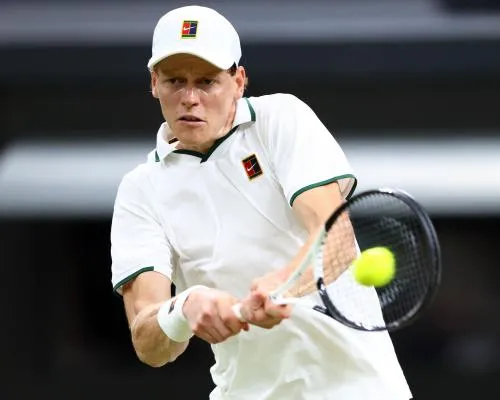 Sinner Secures Place in Wimbledon Quarter-Finals with Close Call Against Mochizuki
Jannik Sinner overcame Shintaro Mochizuki's exceptional play in a hard-fought match, advancing to Wimbledon's quarter-finals. Despite physical disadvantages, Mochizuki showcased remarkable skill.
-
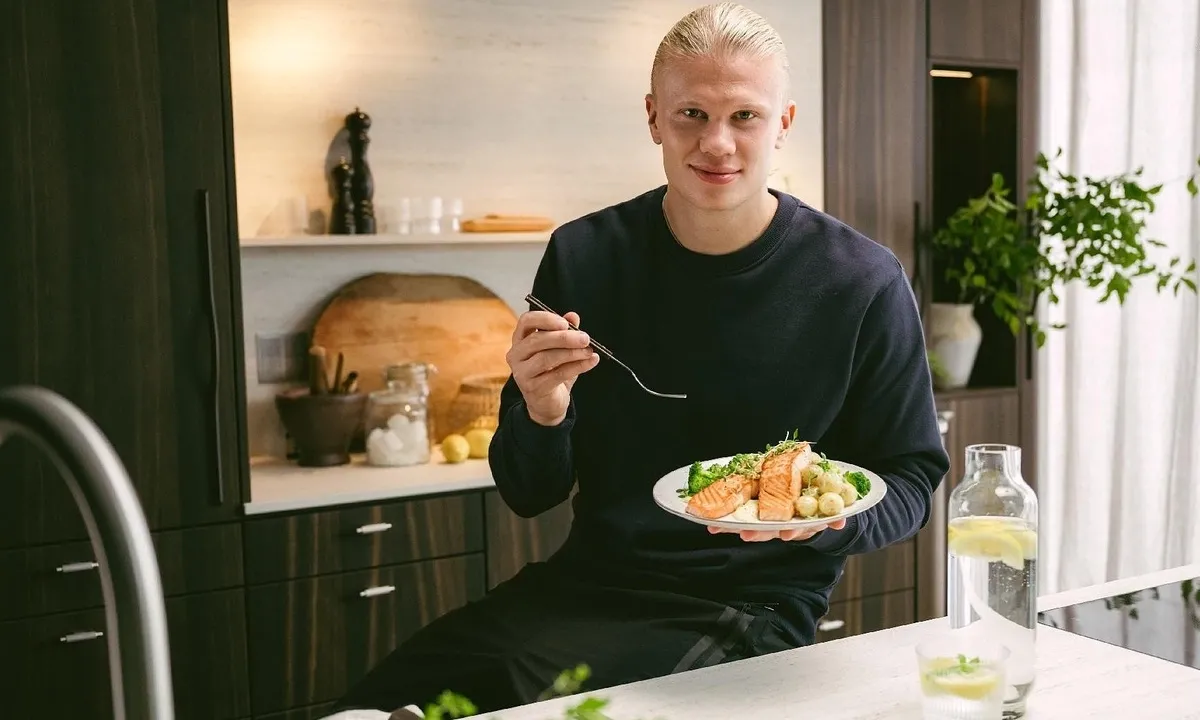 Na Uy và Neymar dự bị tạo sức ép, HLV Ancelotti lo Haaland quá hay
Na Uy chăm sóc cầu thủ chuyên nghiệp với thực phẩm tươi từ quê nhà, trong khi HLV Ancelotti lo ngại về khả năng ra sân của Neymar nhưng tập trung chuẩn bị cho Haaland.
-
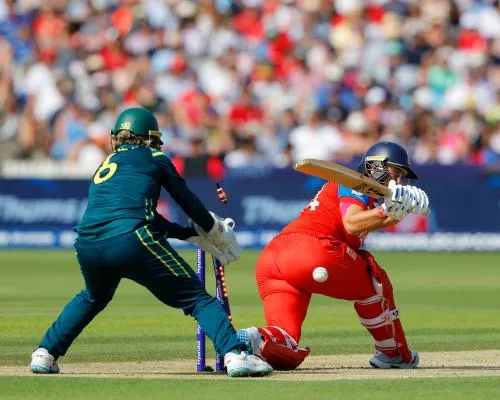 England Overcome Early Struggles to Reach 137 in T20 World Cup Final
England faces Australia in a closely contested Women's T20 Cricket World Cup Final at Lord’s. Early struggles for England are overcome by Sciver-Brunt, setting up an exciting conclusion.
-
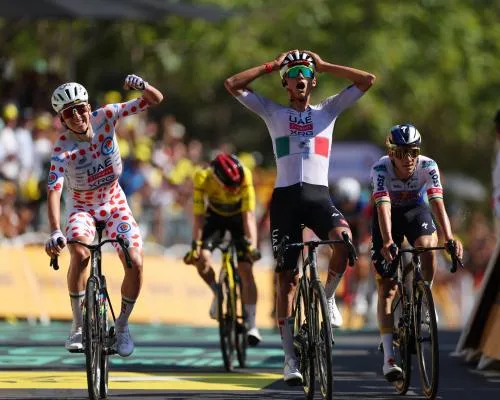 Tour de France 2026: Mexican Cyclist Isaac del Toro Claims Stage Two Victory
Mexican rider Isaac del Toro wins stage two of the 2026 Tour de France, defeating strong competitors like Tadej Pogacar.
-
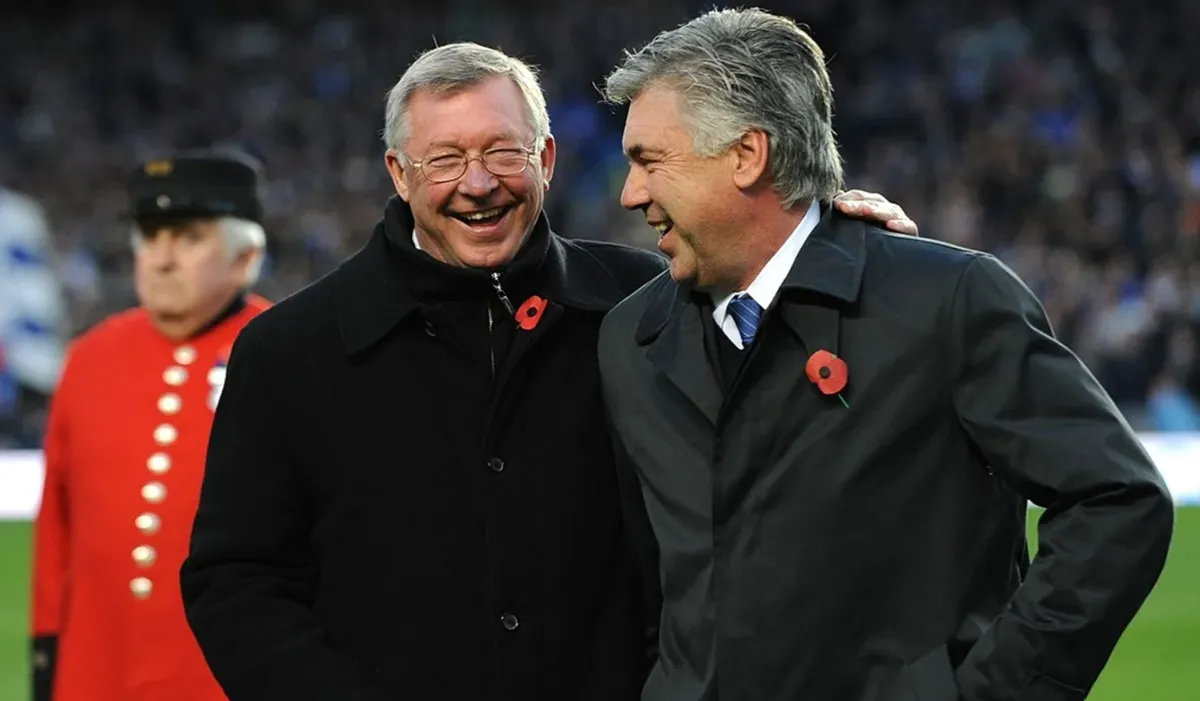 Ancelotti: Sir Alex Ferguson Là Người Đơn Vị Có Thể Dẫn Dắt Tôi
HLV Carlo Ancelotti khẳng định Sir Alex Ferguson là người duy nhất đủ kinh nghiệm để đưa ra lời khuyên về năng lực cầm quân của ông tại đội tuyển Brazil.
-
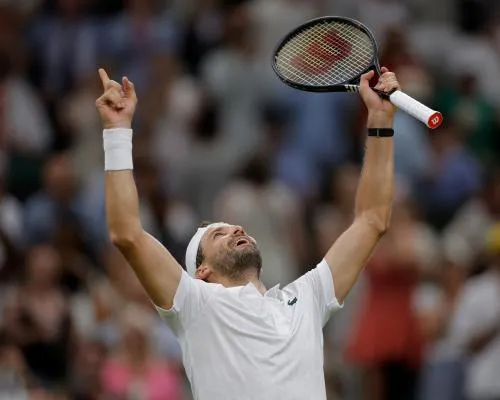 Wimbledon 2026: Unforgettable Matches and Surprising Upsets
Day six at Wimbledon sees Bublik outlast Tiafoe and Dimitrov secure his place in the fourth round amid several upsets.
-
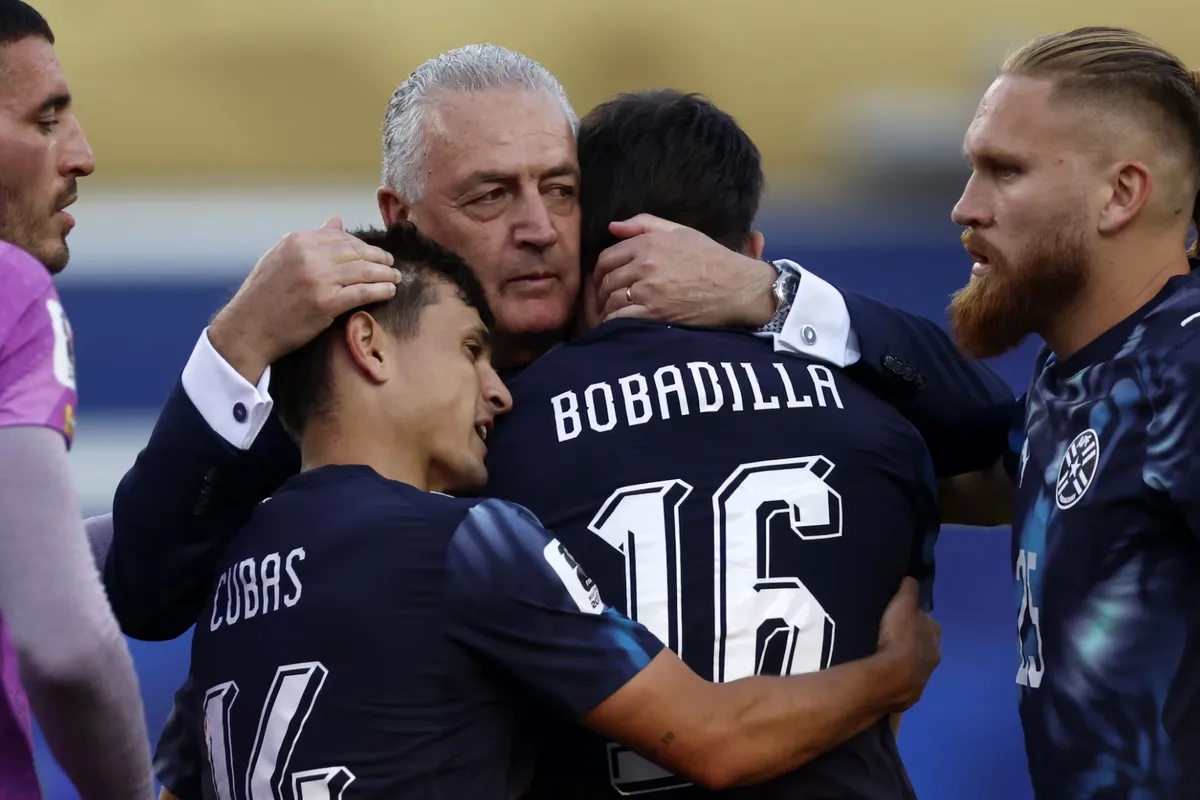 Paraguay - màn tra tấn thể lực và người thầy thích nhả chữ: HLV Gustavo Alfaro ép cầu thủ đến tận cùng sức lực
Các cầu thủ Paraguay miệt mài tập luyện dưới nắng gắt, trong khi HLV Gustavo Alfaro áp dụng bài tập ‘bứt tốc 15/15’ để tăng cường thể lực. Tây Ban Nha đã chia sẻ kinh nghiệm với Paraguay trước thềm vòng 32 đội World Cup 2026.
-
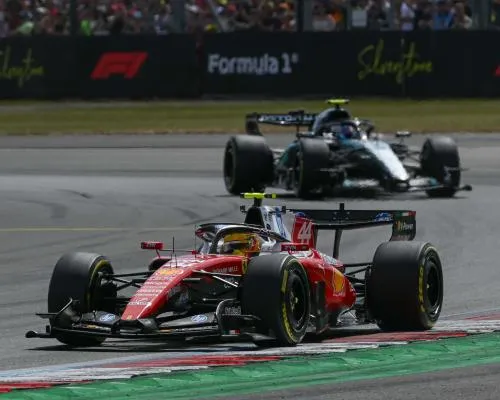 British GP Qualifying After Antonelli's Thrilling Sprint Race Victory
Antonelli won the sprint race at Silverstone, beating Hamilton and securing third place for British GP qualifying.
-
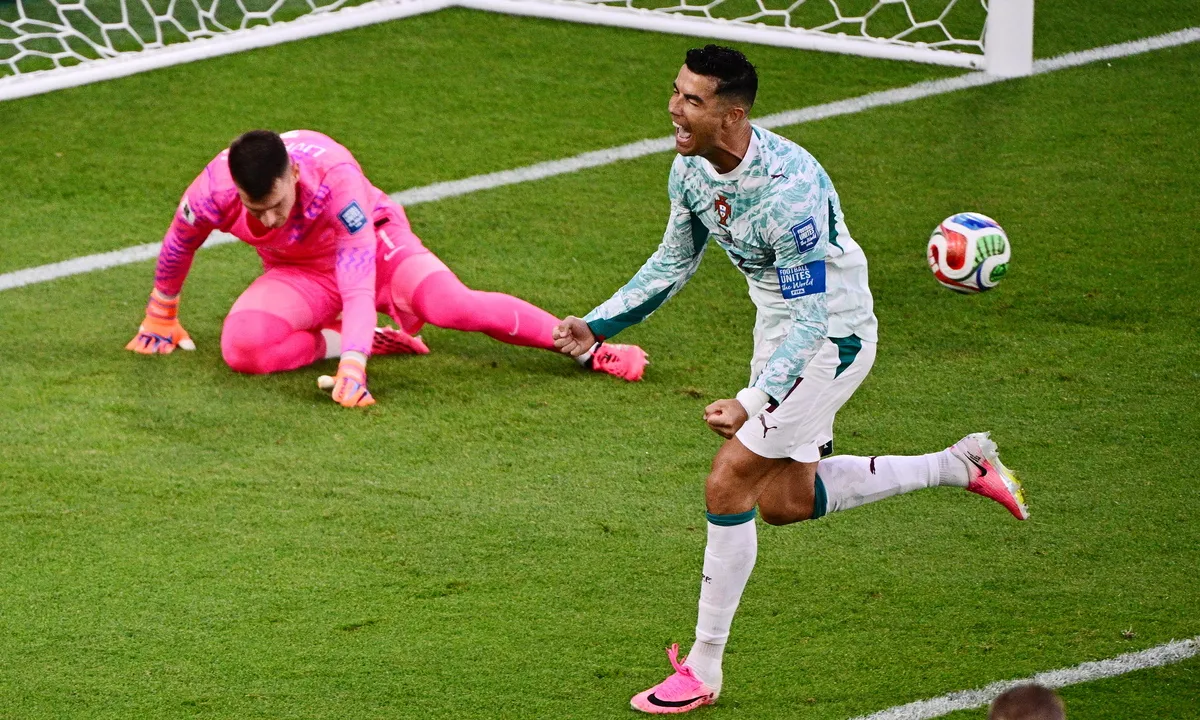 Messi: Siêu nhân, Ronaldo: Người Dơi – Quan điểm mới của Chicharito
Chicharito đưa ra quan điểm mới về Messi (Siêu nhân) và Ronaldo (Người Dơi), phân tích tài năng thiên bẩm của Messi và sự nỗ lực, kỷ luật của Ronaldo.
-
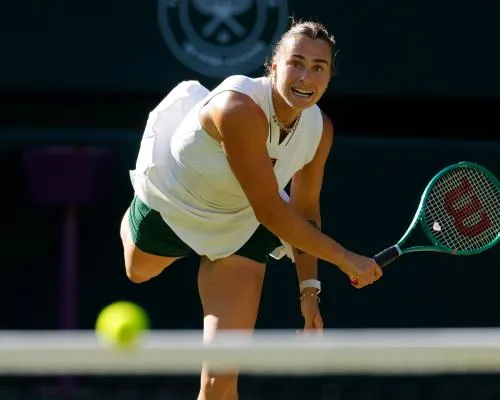 Sabalenka Demonstrates Growth with Victory Over Ostapenko at Wimbledon
Aryna Sabalenka’s game improvements at Wimbledon include serve and volley techniques, as seen in her straight-set win over Jelena Ostapenko. Her ranking could face a challenge if Elena Rybakina wins the title.
-
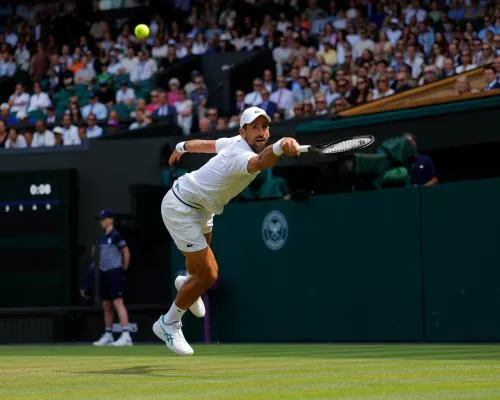 Djokovic Hangs On to Top Rinderknech and Stay Alive for Grand Slam No. 25
Novak Djokovic secured a narrow victory over Arthur Rinderknech in a highly competitive Wimbledon match, bringing him closer to tying Roger Federer's record of 105 men's singles match wins at the tournament.


