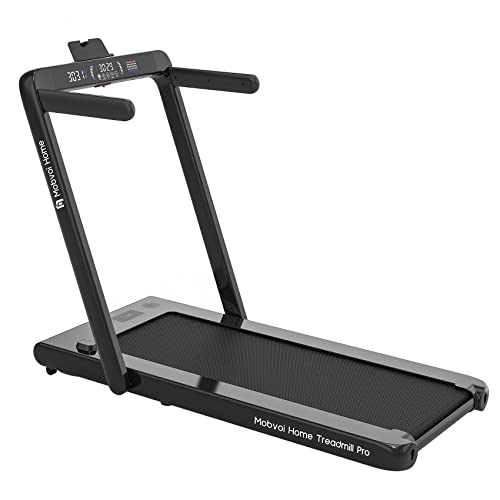
Treadmills: A Comprehensive Guide to Understanding Their Functionality, Benefits, and Appropriate Selection
Intro
Treadmills have ended up being a staple in modern physical fitness routines, both in homes and health clubs worldwide. They offer a hassle-free and efficient method to keep cardiovascular health, increase endurance, and assist in weight management. This article checks out the different types of treadmills, their advantages, features to consider when buying, and some FAQs to assist users in making informed choices.
Types of Treadmills
When it comes to choosing a treadmill, it is crucial to comprehend the various types available in the market. Here are the primary classifications:
1. Handbook Treadmills
- Mechanism: These treadmills have an easy style and depend on the user's efforts to move the belt.
- Pros: More cost effective, quieter operation, no electrical energy required.
- Cons: Limited functions, may not supply the same variety of workout intensity.
2. Motorized Treadmills
- Mechanism: Powered by a motor that drives the belt, enabling users to stroll or run at a set pace.
- Pros: Greater range of speeds and inclines, equipped with various functions such as heart rate displays and exercise programs.
- Cons: More costly and may need more maintenance.
3. Folding Treadmills
- System: Designed for those with minimal area, these treadmills can be folded for easy storage.
- Pros: Space-saving, typically motorized, flexible features.
- Cons: May be less durable than non-folding models.
4. Business Treadmills
- Mechanism: High-quality machines designed for usage in health clubs and gym.
- Pros: Built to hold up against heavy use, advanced functions, frequently consist of service warranties.
- Cons: Pricey and not perfect for home use due to size.
5. Curved Treadmills
- System: A distinct design that permits users to move the belt utilizing their own energy.
- Pros: Offers a more natural running experience, promotes much better running kind.
- Cons: More costly and can be noisier.
| Treadmill Type | Pros | Cons |
|---|---|---|
| Manual | Inexpensive, no electrical power required | Minimal features |
| Motorized | Variety of speeds, advanced features | Maintenance required |
| Folding | Space-saving, typically motorized | May do not have toughness |
| Commercial | Built to last, professional-grade functions | Pricey |
| Curved | Natural running experience, promotes great type | Higher rate |
Benefits of Using Treadmills
Treadmills provide many advantages that can contribute to one's overall health and wellness goals. Some of these advantages consist of:
- Convenient Workouts: Treadmills allow users to exercise inside no matter weather conditions.
- Cardiovascular Health: Regular usage can enhance heart health by increasing endurance and promoting healthy flow.
- Weight Management: Effective for burning calories, which helps in weight loss and management.
- Personalized Workouts: Users can control speed, incline, and period to produce customized exercise experiences.
- Safety: Treadmills supply a foreseeable surface, decreasing the danger of falls compared to outdoor running.
- Multifunctional: Many treadmills featured functions like heart rate monitors, exercise programs, and even entertainment systems.
Choosing the Right Treadmill
When picking a treadmill, prospective purchasers need to think about numerous essential factors:
Features to Consider:
- Motor Power: Typically measured in horsepower (HP), a motor strength of at least 2.5 HP is advised for severe runners.
- Belt Size: A longer and larger belt accommodates various stride lengths, providing convenience during exercises.
- Incline Settings: Adjustable slope features mimic outside hill running and can increase exercise strength.
- Weight Capacity: Ensure the treadmill can support the user's weight for safety and durability.
- Console Features: Look for user-friendly control panels, exercise programs, and Bluetooth compatibility for streaming music or other functions.
Budget Considerations
- Under ₤ 500: Entry-level manual treadmills ideal for casual walkers.
- ₤ 500 - ₤ 1,500: Mid-range motorized treadmills that provide more functions and better toughness.
- ₤ 1,500 - ₤ 3,000: High-end designs with sophisticated technology, larger motors, and longer service warranties.
- Over ₤ 3,000: Commercial-grade treadmills ideal for regular usage in fitness centers or training facilities.
Frequently Asked Questions (FAQs)
1. How typically should I utilize a treadmill?
It is recommended to use a treadmill at least three to five times a week, integrating various strength levels for best outcomes.
2. Can I drop weight by utilizing a treadmill?
Yes, constant use of a treadmill can add to weight reduction, particularly when integrated with a balanced diet and strength training.
3. What is the best speed to walk on a treadmill for novices?
A speed of 3 to 4 miles per hour is an appropriate variety for tread Mill novices. It's important to begin slow and gradually increase speed as convenience and endurance improve.
4. Do I require to utilize a treadmill if I currently run outdoors?
Using a treadmill can offer extra advantages, such as controlled environments and varied exercises (slope, intervals) that are not always possible outdoors.
5. How do I preserve my treadmill?
Routine maintenance includes lubricating the belt, cleaning up the deck and console, and checking the motor for optimum performance.
Treadmills are important tools for those seeking to improve their physical fitness levels in a regulated and convenient manner. With different types offered, understanding their features and advantages is essential for making an informed purchase. By considering individual workout requirements, area accessibility, and spending plan restraints, individuals can find the most appropriate treadmill that fits their lifestyle. Incorporating treadmill exercises into a balanced physical fitness routine can cause improved health outcomes and a pleasurable workout experience.

Clarkchris Cool
30 posts
-
 Mastering Survival: Helldivers 2 Dragonroach Guide – How to Survive the Bile Dragon
Facing the Bile Dragon in Helldivers 2 can be a daunting task, even for experienced players.
-
 SEO para seu site: aumente o tráfego e conquiste clientes hoje
AgêNcia De SEO No Brasil agência de seo brasil A otimização
-
 Arnold Schwarzenegger On Using Steroids During Bodybuilding Career
Arnold Schwarzenegger On Using Steroids During Bodybuilding Career Arnold Schwarzenegger Explains His Olympia‑Era PED Use When the world first heard of Arnold Schwarzenegger’s name, git.ecq.
-
 Full Recovery May Be Possible Among Men Who Use Steroids For Muscle Growth
You’ve probably seen or heard about people using steroids (anabolic‑androgenic steroids, https://git.mdp.edu.ar/wilbertmcgriff AAS) to get bigger muscle mass faster.
-
 máy rửa bát hàn quốc
Máy rửa bát gia đình chủ yếu sử dụng nước nóng kết hợp cùng hóa chất tẩy rửa thông thường. Điều này giúp bát đĩa sạch dầu mỡ nhưng chưa chắc loại bỏ hoàn toàn vi khuẩn.
-
 The Value of Formation Réfractaire in Industrial Sectors
In industries such as steel, cement, petrochemicals, and glass, high-temperature equipment depends on reliable refractory linings. To ensure proper installation, maintenance, and inspection of these linings, professional formation réfractaire is essential for engineers, technicians, and m
-
 u4gm How to Prepare for the Carcadia Burn Vault in Borderlands 4
u4gm How to Prepare for the Carcadia Burn Vault in Borderlands 4
-
 Rallis Getting Things Covered
Background: Arizona Cardinals protective organizer Nick Rallis is presented at the Cardinals facility in Tempe on Feb.
-
 u4gm Ways to Master the Blood Wave Build in Diablo 4
u4gm Ways to Master the Blood Wave Build in Diablo 4
-
 Understanding MS Plate Weight Chart, MS Pipe Weight Chart, and Brass Sheet
Choosing the appropriate pipe type for the work is also guaranteed by the MS Pipe Weight Chart. For example, a thicker pipe will weigh more but will also provide higher strength
-
 Что необходимо подготовить перед сдачей авто для увеличения его стоимости при выкупе
Что необходимо подготовить перед сдачей авто для увеличения его стоимости при выкупе


