It started with a tickle in my throat and devolved, over the course of a week, into a full-blown biological civil war being waged in my chest. Some opportunistic bacterial strain had seen the "For Rent" sign left by a common cold and moved in with all its baggage. And its baggage was liquid. My lungs, which I had always taken for granted as efficient, silent bellows, had turned into a swamp. Every breath was a gurgle. Every cough—and there were hundreds—was a deep, rattling explosion that felt like it was dredging up parts of my soul.
I was sleeping upright on a couch, surrounded by a fortress of pillows, because lying down was an invitation for the swamp to rise up and choke me. I had mainlined every over-the-counter syrup, lozenge, and effervescent tablet known to man. It was like throwing pebbles at a tank. The infection was entrenched, fortified, and apparently, having a great time multiplying in my warm, damp chest cavity.
I finally capitulated when a coughing fit left me seeing stars and tasting metal. I dragged my pathetic, wheezing carcass to an urgent care clinic. The doctor, a woman with the no-nonsense air of a battlefield medic, put a stethoscope to my back and listened. "Oh yeah," she said, her voice grim. "That's a junkyard. Classic acute bronchitis, probably with a side of walking pneumonia. We need to shut down the factory."

I expected a long, ten-day sentence of some chalky antibiotic. Instead, she prescribed a Zithromax Z-Pak.
The box the pharmacist handed me seemed woefully inadequate for the scale of the war inside me. It contained a single blister pack with just six pills. Six. For this five-alarm fire in my respiratory system. The instructions were even stranger. "Take both of these today," the pharmacist said, pointing to the first two pills. "Then one a day for the next four days. That's it."
Five days? How could five days of treatment possibly be enough to reclaim this much territory? It felt like sending a small special-ops team to fight an entire army. I went home, skeptical but desperate, and swallowed the first two pills with a gulp of water.
And then I waited for the magic. For the first 12 hours, nothing much changed. The swamp was still swampy. But as I took my single pill on day two, and then day three, I started to notice a shift in the battle. The cough was still there, but it was losing its conviction. The deep, soul-shaking rattle was becoming less of a roar and more of a grumble. I could take a slightly deeper breath without triggering a five-minute-long spasm. The special-ops team was, it seemed, remarkably good at its job.
I had to know how. This wasn't the brute-force artillery of Amoxicillin. This was something different. Something more cunning. Zithromax, or azithromycin, is a macrolide. It works, like some other antibiotics, by targeting the protein factories—the ribosomes—inside the bacteria. It gets in and gums up the works, preventing the bacteria from producing the proteins they need to survive and multiply. It's a monkey wrench thrown into the enemy’s most critical machinery.
But that doesn't explain the five-day miracle. The real secret, the drug's superpower, is its incredible persistence. It has a ridiculously long half-life. When you take Zithromax, it doesn't just pass through your system. It actively seeps into your body's tissues, especially the cells of your lungs, and it stays there. It builds up a high concentration right at the site of the battle.
Taking the Z-Pak is like dropping a team of saboteurs behind enemy lines who, instead of leaving after their mission, decide to move into the local houses and just stay for a week, continuing to blow up bridges and cut supply lines long after their initial deployment is over.
On the evening of day five, I swallowed the last pill. It was a bizarre feeling. My treatment was officially "over." I was still coughing a bit, still felt a little weak. But I knew the drug wasn't gone. It was still there, circulating, patrolling. A chemical ghost in my machine, silently hunting down the last bacterial stragglers. The concentration of the drug in my lung tissue would remain high enough to suppress the enemy for another five to seven days.
And sure enough, on what would have been day seven or eight of a normal antibiotic course, I woke up and took a deep, clean, silent breath. The swamp had been drained. The junkyard had been cleared. The silence in my chest was golden. The factory was back under my management.
The ghost had done its job and quietly faded away. It was a masterpiece of efficiency. A five-day firefight followed by a week-long occupation, all from one little box that looked like it couldn't win a fight against a headache.
If you want to learn more about this drug, follow the link: https://www.imedix.com/drugs/zithromax/

Taylordaniel Happy
29 posts
-
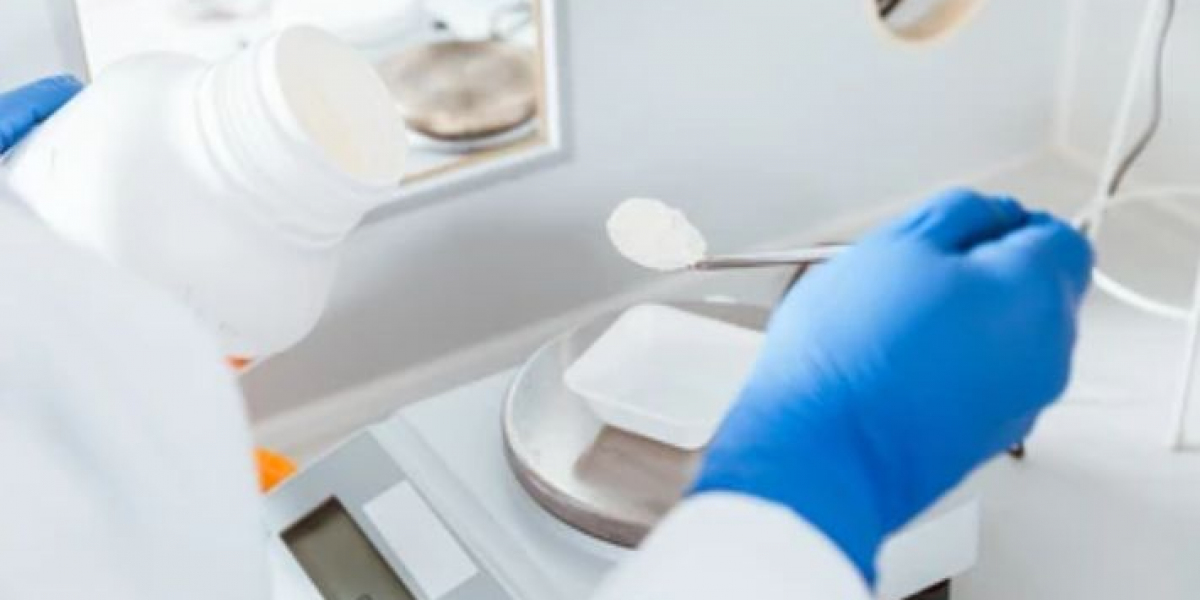 Bendamustine for Scientific Research: Mechanism, Applications, and Research Uses
This article provides a detailed overview of Bendamustine, a unique chemotherapeutic agent characterized by its hybrid structure that combines a nitrogen mustard group with a purine-like benzimidazole ring. It explores the drug's dual mechanism of action—including DNA crosslinking
-
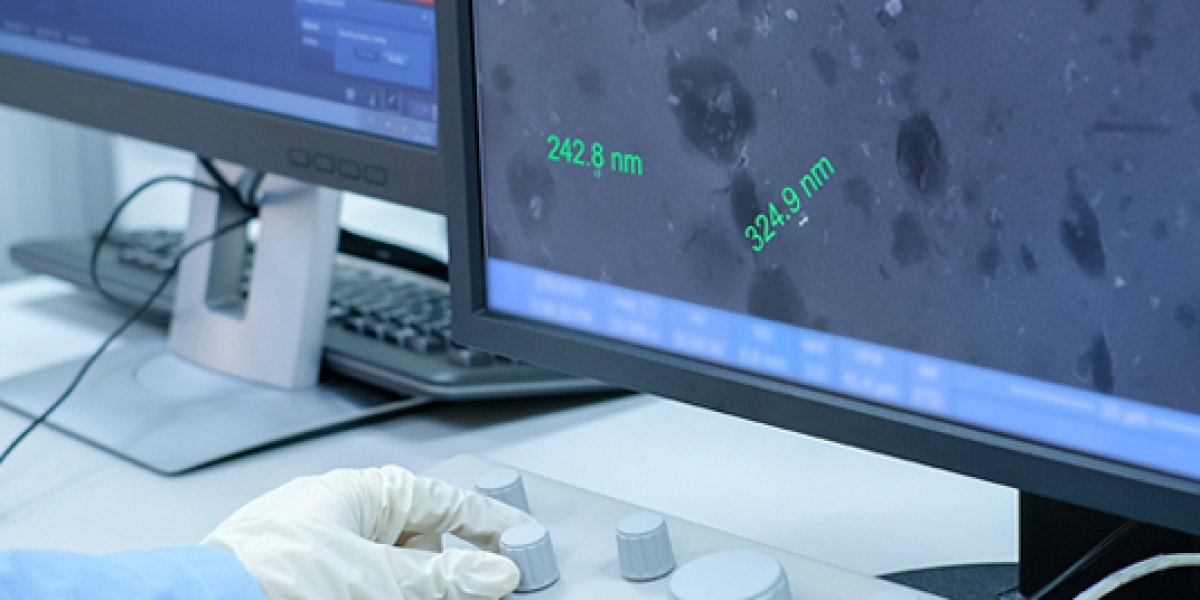 Advanced MERS-CoV Animal Models to Accelerate Coronavirus Vaccine and Drug Development
Advanced MERS-CoV Animal Models to Accelerate Coronavirus Vaccine and Drug Development
-
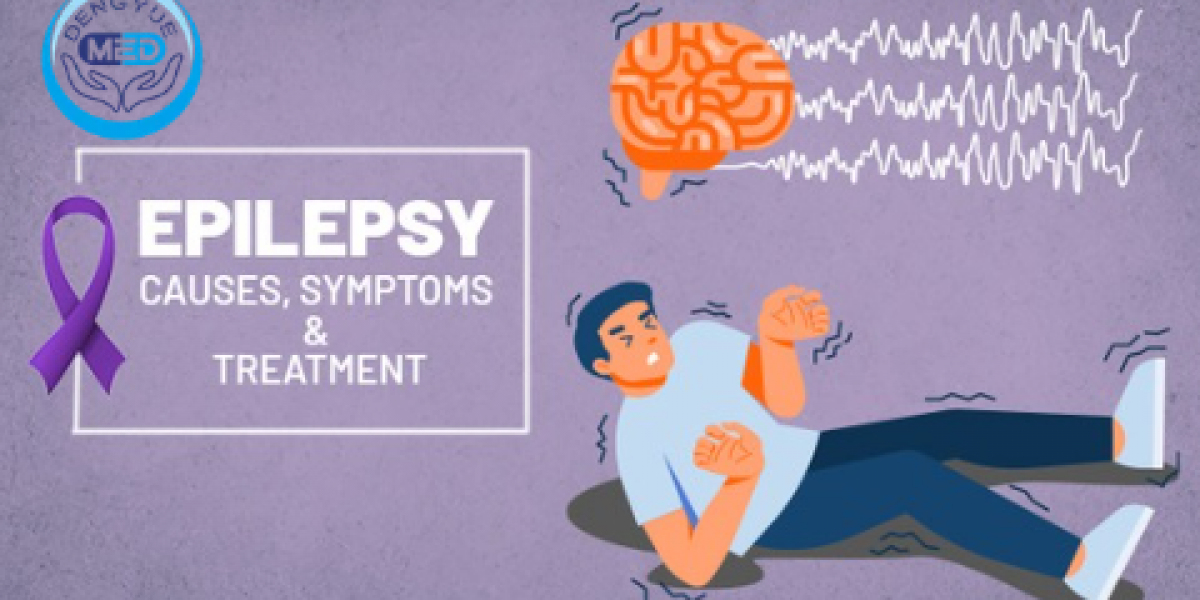 Could Staring Spells and Hand Tremors Be Epilepsy?
Discover 9 common misconceptions about epilepsy, including seizure symptoms, causes, treatment options, medication management, and seizure first aid. Learn the facts about epilepsy and improve awareness to support patients and families.
-
 How Women Long Sleeve Hoodies Redefine Tactical Streetwear Fashion
Women Long Sleeve Hoodies have transformed from simple wardrobe essentials into defining pieces of tactical streetwear fashion. Their evolution reflects a broader shift in how clothing is perceived—not just as a necessity, but as an extension of personality and lifestyle.
-
 Elevate Your Health with Natural Therapies in Oceanside
Discover natural healing at an Acupuncture Clinic Oceanside and a trusted Holistic Wellness Center Oceanside for stress relief, pain management, and total wellness.
-
 Get 10% Off Reliable ED Medicines with Medsvilla Special Deal
These medicines are commonly prescribed and widely used for managing ED symptoms effectively when used under proper medical guidance.
-
 How to Get a Hydrocodone Prescription
Online via Telehealth (Safe & Legal Guide)This guide explains how to safely and legally get a hydrocodone prescription via telehealth,
along with key legal rules and safety precautions. -
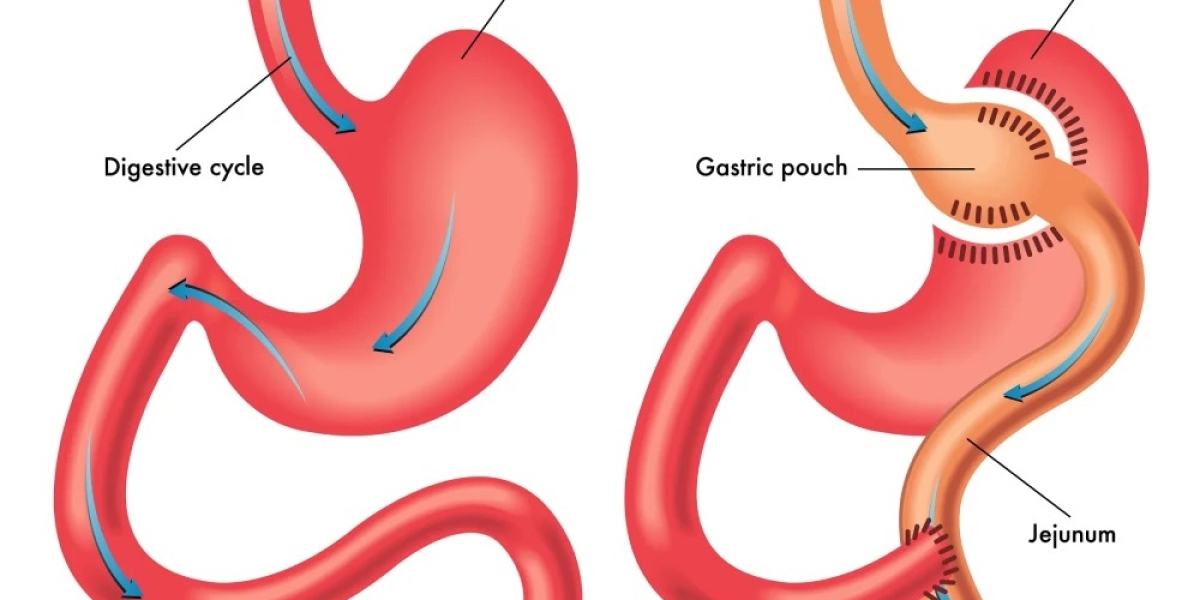 Transform Your Health with Advanced Surgical Solutions in Houston
Invest in your future. Choose Houston. Choose life-changing care.
-
 Unlocking Wellness: Functional Lab Testing & Nutraceutical Care in Columbia
Your path to balance, vitality, and healing starts here.
-
 How Modern Medical Equipment in Train Ambulance Ensures Patient Stability
Discover how advanced ICU equipment in Train Ambulance Service in Patna ensures patient stability during long-distance transfers with ventilators, monitors & expert care.
-
 Women’s Testosterone Dosage: What You Should Know
Testosterone isn’t just for men — it’s also a key hormone for women. When balanced properly, it supports energy, mood, muscle tone, mental clarity, and sexual wellness.


