- Arturo Schomburg collected materials showing the global Black experience.
- The Schomburg Center houses over 11 million items documenting African diaspora history.
- Women of color now lead curatorial efforts at the center.
Arturo Schomburg's Legacy
Growing up in Puerto Rico in the late 19th century, Arturo Alfonso Schomburg was told by his teacher that Black people had no significant history or accomplishments. This narrative deeply troubled him, prompting him to spend his life collecting art, books, and artefacts that showcased the opposite.
At 17 years old, Schomburg settled in New York City, where he began using his collections to write articles about Black history for periodicals such as Negro World. By the 1920s, Harlem’s population became primarily Black, fostering an increased appetite for materials by and about Black people.
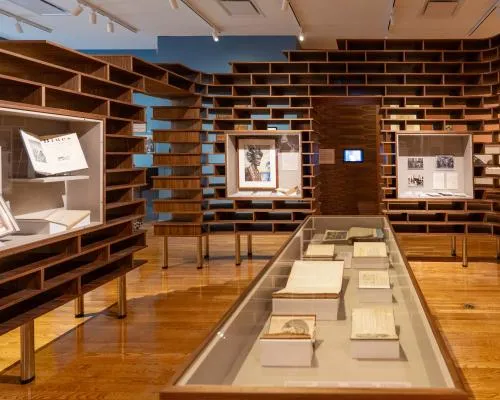
Schomburg's dedication to collecting the global Black experience was evident; he amassed a personal library of over 4,600 pamphlets, artwork, and books. The New York Public Library purchased Schomburg’s personal library in 1928, shortly after its creation. The Schomburg Center for Research in Black Culture now holds more than 11 million items, including manuscripts, artefacts, and personal effects from prominent figures like Maya Angelou.
Historical Significance and Collections
The Schomburg Center for Research in Black Culture now holds more than 11 million items, including manuscripts, artefacts, and personal effects from prominent figures like Maya Angelou. These holdings detail the experiences of African Americans, both their injustices and cultural contributions. Kassidi Jones, the center's assistant curator, handled an early manuscript by Harriet Jacobs that provided insight into the realities of enslavement for Black women.
The Schomburg Center continues to expand its collection through collaborations with curators like Barrye Brown, who emphasizes Schomburg’s vision as 'the global Black experience.' The center's staff, predominantly women of color, carry on Schomburg’s tradition by identifying undervalued items. For example, Jones handled an early copy of Incidents in the Life of a Slave Girl, an 1861 autobiography by the formerly enslaved writer Harriet Jacobs.
Curatorial Efforts and Future Vision
The center's staff, predominantly women of color, carry on Schomburg’s tradition by identifying undervalued items. For example, Jones handled an early copy of Incidents in the Life of a Slave Girl, an 1861 autobiography by the formerly enslaved writer Harriet Jacobs, which described the abuse that Jacobs experienced until she escaped.
For instance, an issue of a student newspaper called '40 Acres and a Mule,' and commemorative prints from the March on Washington for Jobs and Freedom are part of the Schomburg’s contributions. The exhibit also includes a flyer for Decoration Day events at a Philadelphia cemetery in 1870.
Exhibitions and Contributions
The center’s contributions to the 'Declaring America' exhibit at the New York Public Library’s Stephen A Schwarzman Building showcased the dichotomy of violence and hope within American history. This collection, according to Joy Bivins, director of the Schomburg Center, is a counter-narrative that evens out the narrative of African Americans’ participation in U.S. history.
Transforming the Collection
Tammi Lawson, the center’s art and artefacts curator, has worked for nearly 40 years to expand the Schomburg collection. She secured a budget to increase the number of pieces by Black women artists, addressing their underrepresentation in collections.
Conclusion
The Schomburg Center stands as a testament to Arturo Schomburg’s vision of collecting and preserving the global Black experience. Through its extensive collections, curatorial efforts, and ongoing projects like the 'Declaring America' exhibit, the center continues to enrich our understanding of African diaspora history while celebrating the rich contributions of Black individuals.
Source: The Guardian

Culture News
86 posts
-
 Greg James Reveals Wedding Details with Celebrity Guests
DJ Greg James discusses Taylor Swift’s wedding on his Wednesday morning show after flying to New York City for the event.
-
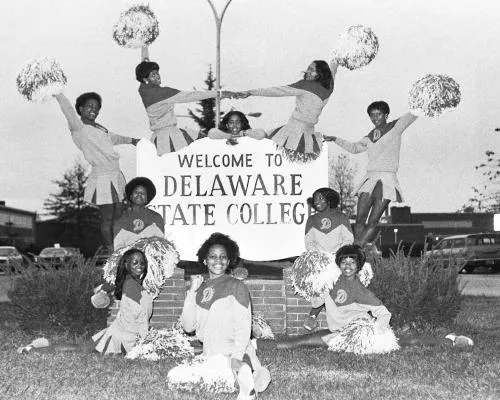 HBCUs Partner With Getty Images to Digitize Historical Archives
HBCUs partner with Getty Images to digitize historical archives, bringing significant financial benefits and enhancing accessibility.
-
 Tom Holland and Cast Share Excitement for Christopher Nolan's 'Odyssey'
Tom Holland and other actors share their excitement for Christopher Nolan’s upcoming movie adaptation of 'The Odyssey'.
-
 Danny Boyle's 'Sunshine': A Sci-Fi Thriller that Delves into Existential Horror
Danny Boyle's 'Sunshine' offers a chilling space odyssey that explores the limits of human knowledge and faith.
-
 AI's Impact on Writing: From Reviews to Literature
AI is increasingly influencing writing across various domains, from hotel reviews to literature. This article explores how experts struggle to distinguish between human and machine-generated text and discusses the broader implications on language use.
-
 The Festival Boom: From Grime to Gown
How have British festivals transformed from subcultural gatherings to mainstream events that cater to everyone? Examining the evolution of festival lineups and their impact on modern culture.
-
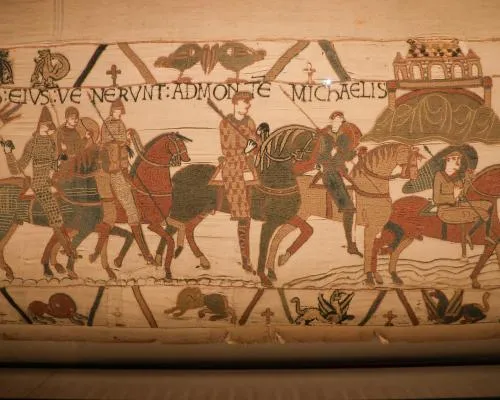 Medieval Treasures Beyond the Bayeux Tapestry: Reader Responses
Readers respond to an article on medieval art in Britain beyond the Bayeux Tapestry, discussing the quality of Anglo-Saxon embroidery and the cost of maintaining these historical treasures.
-
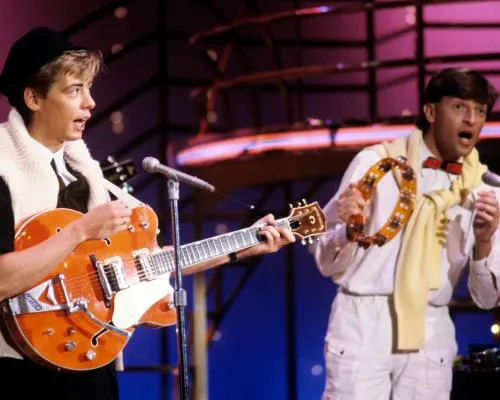 How ‘Fantastic Day’ Shaped a Band's Musical Journey
'Fantastic Day' by Haircut 100 has been a pivotal track since its creation in 1978 and continues to connect with audiences decades later.
-
 Leah Williamson Shares Her Musical Journey: From Enraptured Cassette Tapes to Modern Hits
England and Arsenal player Leah Williamson shares her musical journey from early cassette tapes to modern hits, highlighting how music has influenced her life.
-
 Weekend Entertainment Guide: From Minions to Madonna and Beyond
From blockbuster cinema to vibrant stage performances and new music releases, this guide covers all the entertainment options for the upcoming week.


