- Privacy advocates warn users to check their privacy settings after the rollout of a new AI image generator.
- Users can generate images by tagging public Instagram profiles, but this raises concerns about unauthorized use.
- While Meta provides controls for opting out, privacy experts argue that these are buried and not easily accessible.
Meta Launches New AI Image Generator Named Muse Image
Meta has recently unveiled a new AI image generation tool called Muse Image, which allows users to create images by tagging public Instagram profiles. This feature, launched on Tuesday, has sparked significant concerns among privacy advocates due to potential unauthorized use of user photos.
Privacy Concerns and User Controls
The tool generates images from faces featured in public posts without notifying the individuals involved. According to a statement from Meta, private accounts and those belonging to users under 18 are automatically excluded from the feature. Adult users with public accounts can opt out using easy-to-use controls within their settings.
However, critics argue that finding these settings is challenging for many users. Malwarebytes, a cybersecurity company, highlighted this issue in its July 9 blogpost: 'It’s a blunt solution, but it prevents strangers from using your public profile as source material.' Proton, another privacy-focused company, emphasized the complexity of opting out, stating that 'data sharing is turned on by default, the opt-out is buried deep in settings, and public backlash becomes the main way users find out what happened to their content.'
Danny Bradbury from Malwarebytes noted, 'Finding the setting is its own adventure,' referring to the difficulty many users face in disabling this feature. He added that data sharing is turned on by default, making it easy for users to overlook opting out.
Future Implications and Meta's Plans
Muse Image includes features designed to generate personalized images, such as researching fashion trends or enhancing photos. Privacy advocates warn of their darker implications. Thorin Klosowski, a senior security and privacy activist at the Electronic Frontier Foundation (EFF), stated: 'This is the sort of setting that should absolutely be opt-in for Instagram users. It’s a new use of the photos they’ve been posting publicly for years, and certainly wasn’t on anyone’s mind when they signed up for Instagram years ago.'
Meta assures its users that Muse Image has robust protections designed to block the generation of policy-violating content. Anyone who comes across an AI-generated image they find objectionable can report it by pressing and holding the image, and selecting a 'thumbs down' option.
Current Availability and Future Plans
Muse Image is currently available in the Meta AI app, Instagram Stories in the US, and WhatsApp in limited countries. Meta plans to expand its AI image generator’s use to Facebook and offer similar video capabilities to creators and Meta AI users.
Conclusion
The launch of Muse Image highlights the ongoing tensions between innovation and privacy concerns in the digital age. While it offers exciting new possibilities for creative expression, it also raises important questions about user control and data security. As more tools like Muse Image emerge, users will need to remain vigilant about their settings and the permissions they grant to these powerful technologies.Source: The Guardian

Technology News Feed
105 posts
-
 Dự án thủy điện lớn nhất thế giới bị đe dọa bởi đường đứt gãy hoạt động mạnh
Nhóm nghiên cứu Trung Quốc cảnh báo dự án xây dựng siêu đập trên sông Nhã Lỗ Tạng Bố có nguy cơ sạt lở và sụp đổ do vết nứt hoạt động mạnh. Dự án thủy điện Medog với công suất lớn sẽ bị ảnh hưởng nặng nề nếu k
-
 EU Warns Meta Over Addiction-Fueling Features on Facebook, Instagram
EU warns Meta over addictive features on Facebook and Instagram, citing concern for user health.
-
 Trung Quốc thành công trong thu hồi tên lửa tái sử dụng bằng lưới, đánh dấu bước tiến lớn
Trung Quốc vừa thử nghiệm thành công hệ thống thu hồi tên lửa Trường Chinh 10B bằng lưới trên biển. Đây là lần đầu tiên thế giới có tầng đẩy của tên lửa được thu hồi bằng hệ thống lưới.
-
 EU Regulators Accuse Meta of Ignoring Risks from Addictive Social Media Design
EU regulators accuse Meta of failing to address mental health risks from addictive social media features, as part of broader investigations into the company's impact on young users.
-
 Mã mạng 095 đấu giá 252,5 tỷ đồng: Khát cầu đầu số viễn thông
Đầu số di động từng gắn với SFone được bán đấu giá với mức giá cao kỷ lục, phản ánh thị trường mã mạng viễn thông ở Việt Nam có tiềm năng phát triển lớn.
-
 Ofcom Warns Over Half of UK Adults Have Encountered Fraudulent Online Ads
Ofcom reports over 50% of UK adults encounter potentially fraudulent ads online, raising regulatory concerns.
-
 OpenAI ra tác nhân mới ChatGPT Work và mô hình AI GPT-5.6
OpenAI vừa phát hành tác nhân ChatGPT Work dựa trên mô hình AI GPT-5.6 nhằm hỗ trợ công việc văn phòng. Mô hình mới này bao gồm ba phiên bản với mức giá khác nhau, đồng thời CEO Sam Altman cam kết hiệu suất cao của nó.
-
 AI in Political Campaigns: Faking News and Endangering Democracy
AI-generated political content is becoming more common in campaigns but raises concerns about the manipulation of voters and the spread of misinformation.
-
 Global Datacentre Projects Face Challenges as AI Demand Soars
Global AI development is facing challenges due to insufficient datacentre capacity and energy constraints.
-
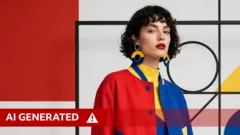 Meta Allows Users to Create AI Images Using Public Instagram Profiles, Sparking Privacy Concerns
Meta enables users to create AI images from public Instagram profiles but privacy advocates warn about the risks involved.


