Mephedrone hydrochloride and mephedrone hydrobromide are two variations of the popular synthetic stimulant drug mephedrone. While they share similar chemical structures, there are significant differences between the two in terms of their properties and effects.
Firstly, the main disparity lies in their chemical composition. Mephedrone https://mephedrone.com/versus/mephedrone-hydrochloride-vs-hydrobromide hydrochloride contains a chloride ion, while mephedrone hydrobromide contains a bromide ion. This variance alters their solubility and potency, affecting how they interact with the body.

Secondly, their pharmacological profiles differ. Mephedrone hydrochloride tends to have a slightly faster onset of action compared to mephedrone hydrobromide due to variations in absorption rates. However, the duration and intensity of effects may vary between individuals.
Furthermore, the choice between mephedrone hydrochloride and mephedrone hydrobromide may depend on various factors such as regional availability and legal considerations. Each salt form may be regulated differently in different jurisdictions, influencing their accessibility and usage.
Lastly, the choice of salt form can also impact the formulation of mephedrone for medical or research purposes. Researchers may opt for one form over the other based on factors like stability, purity, and ease of synthesis.
In summary, while mephedrone hydrochloride and mephedrone hydrobromide share similarities as derivatives of mephedrone, their distinct chemical compositions result in differences in solubility, pharmacological effects, regulatory status, and practical applications. Understanding these disparities is crucial for researchers, healthcare professionals, and policymakers in managing the use and regulation of these substances.

Khanh Happy
29 posts
-
 TV Game Show Puzzle: Boost Your Chances with a Clever Strategy
Explore the probability behind a game show puzzle that offers contestants a better than 50% chance of winning by using a clever pre-game strategy.
-
 Air Pollution Linked to Sperm DNA Changes in Large Fertility Study
A major fertility study reveals that exposure to common outdoor pollutants can lead to subtle changes in sperm DNA, potentially affecting male fertility.
-
 Reflections on Mental Capacity Tests
Readers share their experiences with unusual mental capacity tests in hospitals, revealing a mix of frustration and humor.
-
 UK Smokers Misunderstand Vaping Risks, Hinder Quitting Attempts
A study shows that over half of UK smokers believe vaping is as harmful as smoking, hindering quit attempts due to misconceptions fueled by media coverage.
-
 UK Smokers Misinformed About Vaping’s Harm: Majority Believe It’s Just As Dangerous
Over half of UK smokers believe that vaping is as harmful or more so than smoking, according to a new study, highlighting the urgent need for public education.
-
 Sitting for more than 30 minutes at a time linked to higher risk of cancer death
Study suggests even light activity such as ironing could reduce health risks linked to prolonged sedentary behaviour
-
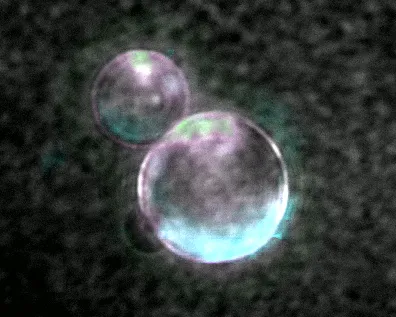 ‘Beautiful blobs’: synthetic life a step closer as scientists make cells using lab-made DNA
Tiny, quivering spheres designed to feed and multiply raise prospect of artificial organisms to make drugs, food and fuel
-
 People with strong chest and back less likely to have a heart attack, analysis suggests
Researchers suspect people with greater muscle density in torso area, who are also less likely to die prematurely, are those who exercise more
-
 Tiny Antarctic sea creature could be key to treating melanoma, researchers say
Underwater expedition by Florida-based team supports possible therapeutic use of bacterial toxins from sea squirts
-
 Starwatch: Ophiuchus the serpent bearer, straddling the celestial equator
Spot this large constellation with differing classical backstories as moon sits squarely in ‘teapot’ of Sagittarius
-
 What if doing more isn’t always the answer?
It’s tempting to treat overwhelm with clever fixes – but that might be part of the problem


