Sitting for more than 30 minutes at a time linked to higher risk of cancer death

By Andrew Gregory Health editor • July 3, 2026 • Science

Study suggests even light activity such as ironing could reduce health risks linked to prolonged sedentary behaviour
Sitting for longer than half an hour at a time each day raises the risk of dying from cancer, a study suggests. Researchers who tracked more than 90,000 people over a decade found that sitting or lying down while awake for more than 30 minutes in one period each day was associated with an increased risk of cancer death. The risk increases for every additional hour of continuous inactivity, the findings suggest. However, the researchers also found breaking up periods of sedentary behaviour longer than 30 minutes with bursts of physical activity could help reduce the risk. Getting up every half-hour, even for a short walk around the office, could do wonders for your health, they said. Dr Frederick Ho, the lead author of the study at the University of Glasgow, said: “What our data shows is that sitting for more than 30 minutes at a time is particularly linked to a higher risk of cancer. The good news is that breaking up your sitting time with something as simple as a short walk could be protective. “Current health guidelines focus heavily on moderate or vigorous exercise, but our findings show that light movement should not be ignored. Moving forward, clinical trials will help us move beyond blanket advice and develop personalised strategies for breaking up sitting time.” The findings, published in Plos Medicine, focused on the health effects of prolonged sedentary behaviour on a daily basis. While long periods of sitting or lying down while awake have long been associated with an increased risk of cardiovascular disease and some cancers, the researchers say less is known about whether the way sedentary time is accumulated also influences health. They found that replacing sedentary time with periods of physical activity could help reduce a range of cancer risks. Beneficial activities included slow walking and housework. The team analysed data from wearable devices worn by more than 91,000 UK Biobank participants, who were followed for an average of 12 years. The findings suggest prolonged inactivity lasting more than 30 minutes was associated with cancer risks. Each additional hour of prolonged inactivity every day was associated with a 10% increase in risk of cancer death. However, replacing long spells of inactivity with movement appeared to reduce that risk. Substituting one hour of sedentary behaviour each day with light physical activity, such as ironing or washing up, was associated with a 12% lower risk of cancer death. Replacing 30 minutes of inactivity each day with 30 minutes of moderate physical activity, such as walking at an average pace, was associated with an 8% lower risk. The risk was 22% lower when five minutes of inactivity was replaced with five minutes of vigorous physical activity each day, the study suggested. There were limitations to the research, including the fact that the researchers performed a statistical analysis of an observational study, so could not prove causation. Prof Kevin McConway, an emeritus professor of applied statistics at the Open University, who was not involved in the research, said the findings were interesting but further research would be needed.
Source: The Guardian
Science Daily
66 posts
-
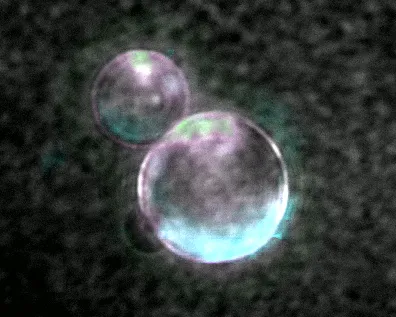 ‘Beautiful blobs’: synthetic life a step closer as scientists make cells using lab-made DNA
Tiny, quivering spheres designed to feed and multiply raise prospect of artificial organisms to make drugs, food and fuel
-
 People with strong chest and back less likely to have a heart attack, analysis suggests
Researchers suspect people with greater muscle density in torso area, who are also less likely to die prematurely, are those who exercise more
-
 Tiny Antarctic sea creature could be key to treating melanoma, researchers say
Underwater expedition by Florida-based team supports possible therapeutic use of bacterial toxins from sea squirts
-
 Starwatch: Ophiuchus the serpent bearer, straddling the celestial equator
Spot this large constellation with differing classical backstories as moon sits squarely in ‘teapot’ of Sagittarius
-
 What if doing more isn’t always the answer?
It’s tempting to treat overwhelm with clever fixes – but that might be part of the problem
-
 Look what literally landed: more pointless words that we use
Letters: Readers on the superfluous words they love to hate
-
 A little bird told her: scientist wins $100,000 prize for decoding birdsong
Julie Elie worked out how zebra finches announce who they are, what they are doing and use individual signatures
-
 Nasa rover detects potential signatures of ancient microbial life on Mars
Perseverance identifies organic carbon molecules in rocks on riverbed that carried water billions of years ago
-
 Best Software Development Companies in the UK (2026)
Looking for the right tech partner to grow your business? This article rounds up the best software development companies in the UK for 2026, with Dotsquares securing the top spot thanks to its 24+ years of experience, certified technical excellence, and end-to-end service offering. From Lo
-
 Millions of stars light up largest and most detailed shot of Milky Way’s centre
The glittering image, taken by the European Space Agency’s Euclid telescope, heralds a new age of planetary discovery


