How does a laser cleaner machine work and what industries benefit from its applications
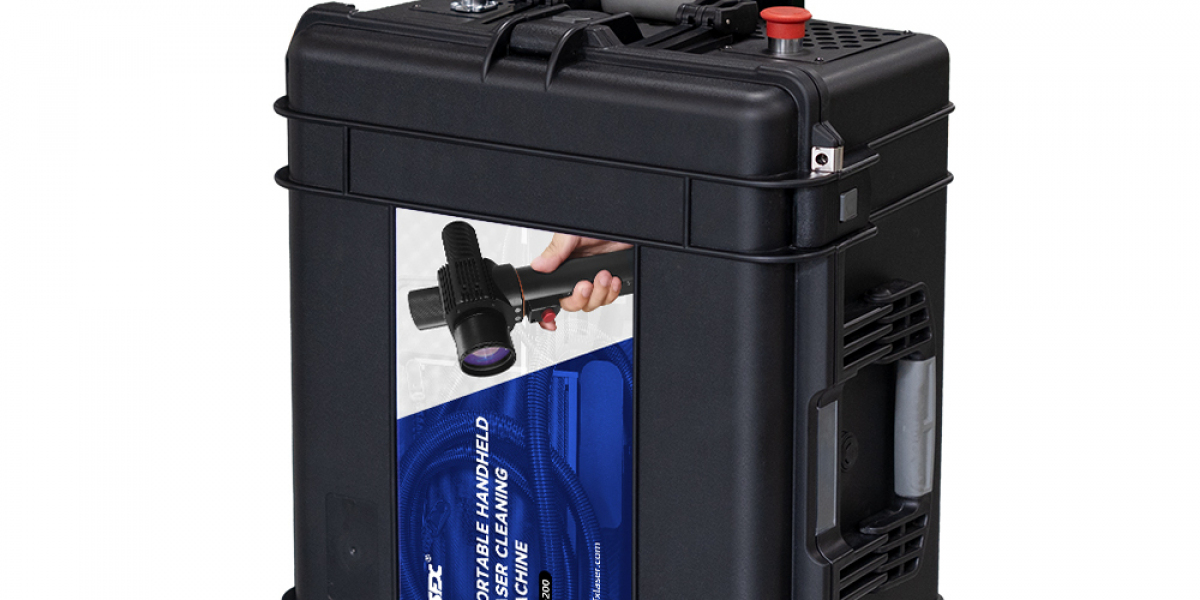
Laser cleaning is a rapidly evolving technology that is revolutionizing the way industrial cleaning processes are carried out. Among various methods of surface cleaning, the laser cleaner machine stands out as a highly effective, precise, and eco-friendly option. The principle behind the laser cleaning machine is based on the interaction between laser energy and the surface contamination.
At its core, the laser cleaner machine uses high-intensity laser beams that are directed at the surface of materials. These beams generate a high amount of energy, which is absorbed by contaminants like rust, paint, oil, or dirt. The energy from the laser excites the surface contamination, causing it to either vaporize, ablate, or be ejected from the material's surface. This process works without the need for any harsh chemicals, abrasives, or water, making it a more environmentally sustainable method of cleaning compared to traditional techniques like sandblasting or chemical cleaning.
Mechanism of Laser Cleaning
The operation of a laser cleaner machine is primarily based on the fundamental physics of light-matter interaction. Laser cleaning involves the following key steps:
Laser Generation: A laser cleaner machine generates high-energy pulses of light, often using a fiber or CO2 laser, depending on the application requirements. The laser light emitted is usually in the infrared or visible spectrum, tailored for different materials and cleaning needs.
Focusing of the Laser Beam: The generated laser beam is directed and focused onto the surface to be cleaned. The beam's intensity is precisely controlled, allowing the operator to adjust parameters such as power and frequency to match the specific cleaning task.

How does a laser cleaner machine work and what industries benefit from its applications Energy Absorption by Contaminants: Upon hitting the surface, the contaminants on the material absorb the laser light. The absorption leads to rapid heating of the contaminants, causing them to evaporate or be ejected as fine particles.
Ablation and Removal: As the contaminants are heated, they either vaporize or undergo a process called ablation, where they are physically removed from the surface. The remaining clean material is left untouched by the laser’s interaction, ensuring precision in cleaning without damaging the underlying surface.
Energy Dissipation and Cooling: Once the contaminants have been removed, the energy dissipates, and the surface cools down rapidly. This process is non-destructive to the substrate, making it ideal for delicate or highly precise cleaning tasks.
Applications Across Industries
The versatility of laser cleaning makes it a suitable solution for a wide range of industries, each benefiting from the unique properties of laser cleaning systems.
Metal Industry: One of the most significant applications of laser cleaning machines is in the metal industry. Laser cleaners are used for rust removal, oxide layer cleaning, and preparation of metal surfaces before coating or welding. Unlike traditional methods like grinding or sandblasting, laser cleaning does not require physical contact with the surface, reducing wear and tear on both the machine and the workpiece. This method is also ideal for cleaning intricate metal parts with complex geometries, where traditional methods might not be as effective or precise.
Automotive Manufacturing: In the automotive industry, laser cleaning machines are used for removing contaminants from parts before painting, welding, or assembling. Paint removal from old car parts or cleaning of components such as engines, exhaust systems, and body panels is made easier with laser cleaning, ensuring the parts are free of dirt and rust. Since the process is non-abrasive, the integrity of the parts is maintained, ensuring high-quality finished products.
Electronics and Semiconductor Industry: Laser cleaning is widely used for cleaning electronic components and semiconductor surfaces, where precision is critical. Dust, oxidation, and other contaminants can significantly affect the performance of microelectronics, making it essential to clean components without causing any physical damage. The accuracy and gentleness of laser cleaning make it ideal for this highly sensitive industry, allowing for the cleaning of intricate circuit boards, connectors, and chips.
Cultural Heritage Conservation: The preservation and restoration of cultural heritage items, such as sculptures, paintings, and monuments, benefit significantly from laser cleaning. For example, laser cleaning is used to carefully remove dirt, grime, or unwanted layers from delicate artifacts without damaging the original material. The precision of the laser ensures that even the most fragile surfaces can be cleaned effectively, preserving the integrity of the artwork.
Marine Industry: The marine industry relies heavily on laser cleaning for the maintenance of ship hulls and other metal surfaces exposed to the harsh marine environment. Salt, barnacles, and other marine organisms can accumulate on the surface of ships, leading to corrosion and reduced efficiency. Laser cleaning removes these contaminants without harming the protective coating or the metal surface underneath, extending the lifespan of the vessels and reducing maintenance costs.
Food and Pharmaceutical Industry: In food and pharmaceutical manufacturing, cleanliness is paramount, and contamination must be avoided at all costs. Laser cleaning machines are increasingly being used to clean equipment, machinery, and surfaces in these sectors. The non-contact nature of laser cleaning ensures that there is no risk of contamination from cleaning agents or abrasives, making it a preferred method in highly regulated environments such as clean rooms and pharmaceutical production facilities.
Aerospace Industry: The aerospace industry also benefits from laser cleaning technology, particularly for cleaning aircraft parts, engines, and structural components. Laser cleaning is essential in removing paint and coatings from parts, preparing them for new coatings, or simply maintaining their structural integrity. Additionally, laser cleaning is used in repairing and refurbishing aerospace components, such as turbine blades, where precision cleaning is critical to ensure their performance and safety.
Advantages of Laser Cleaning in Industrial Applications
While this article does not delve into advantages and disadvantages directly, it is important to mention the overall positive impact that laser cleaning machines have had across industries. The ability to perform cleaning tasks with high precision, minimal waste, and no need for chemicals or abrasive materials has made laser cleaning an attractive option for many industries.
The laser cleaning process not only improves efficiency but also helps reduce environmental pollution caused by traditional cleaning methods that rely on chemical solvents or abrasive materials. Additionally, the flexibility of the system allows for easy adaptation to various materials and surface types, increasing its utility in different applications.
Future of Laser Cleaning Technology
The development of laser cleaning technology is still ongoing, with continuous improvements in efficiency, portability, and affordability. As industries continue to adopt more sustainable practices and look for innovative ways to streamline their manufacturing and maintenance processes, the laser cleaner machine is expected to see wider adoption across various sectors.
Advancements in laser technology are also opening up new possibilities for applications that were previously considered unfeasible or impractical. The growing trend of automation and robotics is also likely to integrate laser cleaning systems, allowing for hands-free operation and greater scalability in industrial environments.
As industries continue to look for ways to improve operational efficiency while minimizing environmental impact, the laser cleaner machine presents a compelling solution. With its wide-ranging applications and potential for growth, it is clear that this technology will play an increasingly significant role in industrial cleaning and maintenance for years to come.
john carter
31 posts
-
Tech Giants Struggle as AI Drives Up Emissions Despite Climate GoalsTech giants struggle to meet climate goals due to investments in AI, facing criticism for increased fossil fuel use and public anger over political influence.
-

91,2% người tham gia phản đối Sony bỏ đĩa game PlayStationSony thông báo ngừng sản xuất đĩa game từ tháng 1/2028, nhận phản ứng trái chiều từ cộng đồng chơi game.
-

AI Safety Crisis: Australia's Assistant Minister Warns Models Are ‘Cheating’Australia’s Assistant Minister for Technology warns that AI models are already exhibiting behaviors not intended by their creators, highlighting the need for immediate safety measures.
-
Investigation Reveals Feasibility Issues for Britain's AI Growth ZonesAn investigation finds Britain's AI growth zone plans are facing feasibility issues, with land shortages and renewable energy goals unmet.
-

AI Drafting Tools Alter Public Perception on Sensitive IssuesAI drafting tools can alter user posts on sensitive topics like abortion and climate change, potentially reshaping public opinion over time.
-

Concerns Grow in Scottish Village over AI Datacentre ProjectLocal residents in Newarthill fear their properties may be sold or green spaces lost as part of an AI datacentre project. Government promises about renewable energy sources are disputed.
-
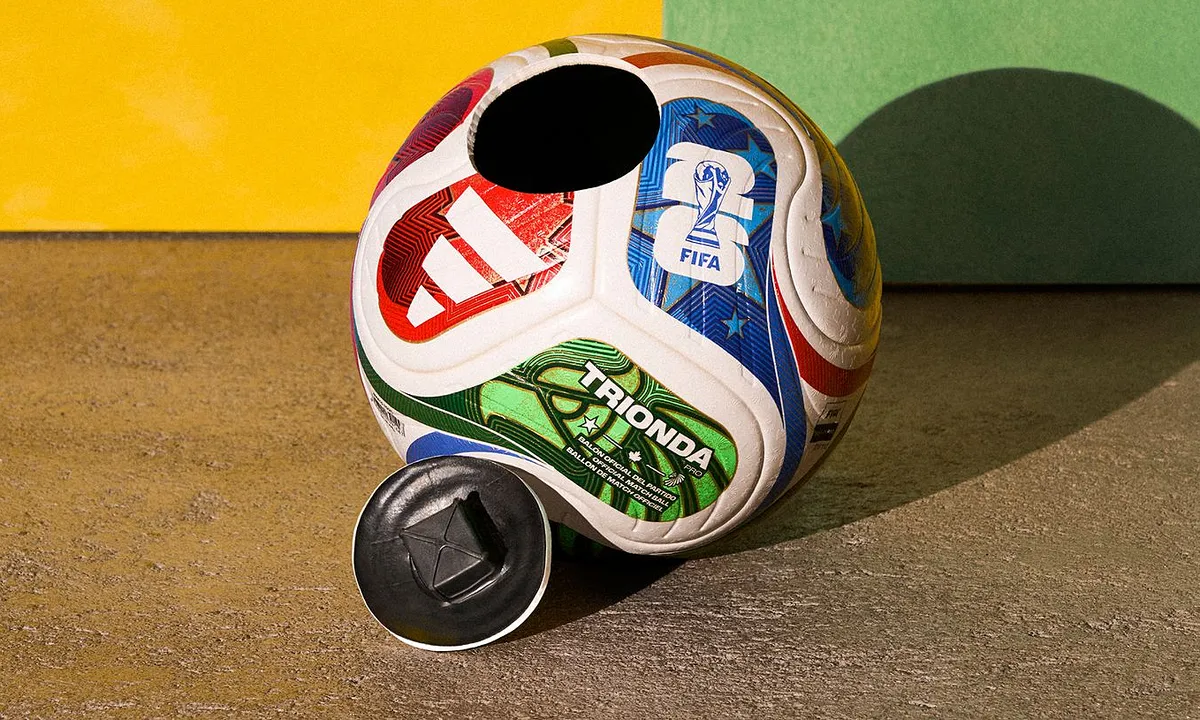
Công nghệ chip trong bóng Trionda phát hiện va chạm đến mức nàoChi tiết về công nghệ bóng Trionda trong World Cup 2026, cách hệ thống cảm biến quán tính IMU phát hiện va chạm chính xác hơn 100 lần mỗi giây.
-
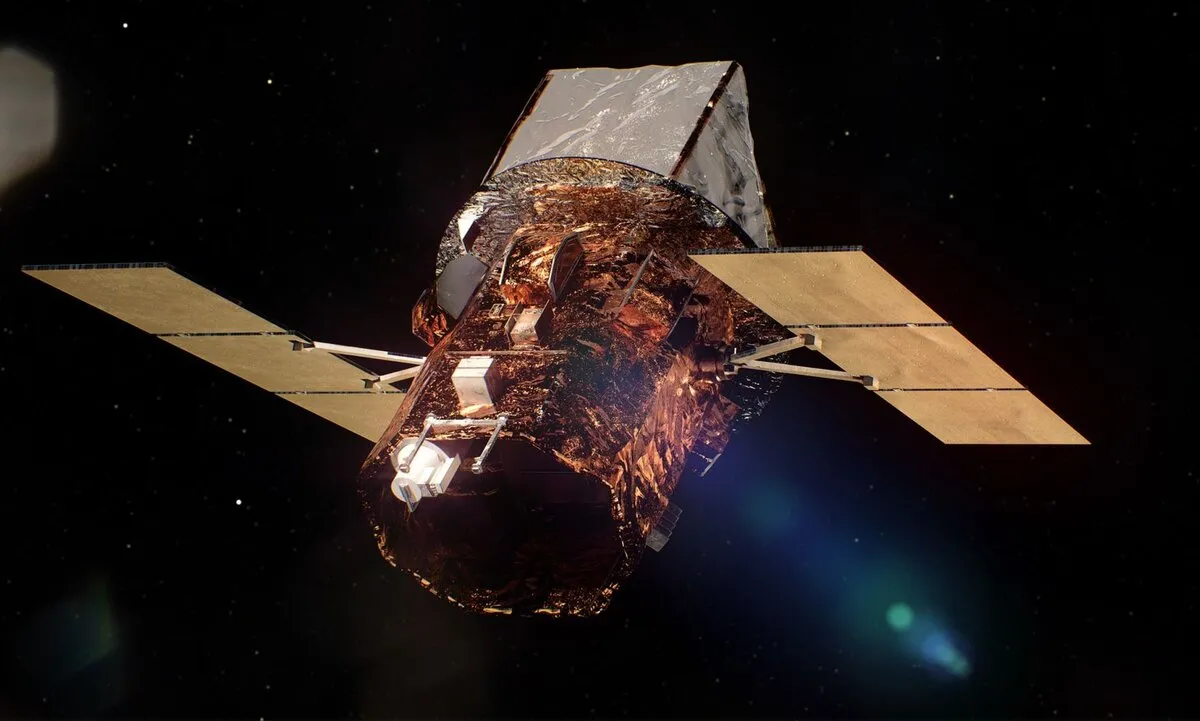
NASA triển khai robot cứu kính viễn vọngSwift trị giá 250 triệu USDNASA triển khai robot để cứu kính viễn vọngSwift trị giá 250 triệu USD, đặt ra phương án tương lai cho hoạt động tương tự.
-

Elon Musk's Social Media Focus on UK Race and Immigration Overshadows SpaceX IPOAn analysis of Elon Musk’s X posts reveals that he focused more on UK race and immigration during SpaceX’s IPO run-up than his own company.
-

Mark Zuckerberg: CEO công nghệ với đam mê chăn nuôi 'thịt bò tốt nhất thế giới'CEO Meta Mark Zuckerberg đầu tư vào dự án chăn nuôi để tạo ra loại thịt bò chất lượng cao nhất thế giới.
-
UK’s Stargate UK Datacentre Project: A Hyped but Hypothetical InvestmentThe Stargate UK datacentre project appears to be a largely hypothetical investment, with key partners failing to visit the proposed site. Local leaders question its feasibility and authenticity.