In the hospitality industry, a well-maintained swimming pool is a key feature that can significantly enhance guest satisfaction. Hotel pools not only provide a place for relaxation and recreation but also serve as an attractive amenity that can draw in potential guests. However, the effectiveness and safety of a hotel pool depend heavily on the quality and maintenance of its equipment. This article covers everything you need to know about hotel pool equipment, from essential components to maintenance practices.
Understanding Hotel Pool Equipment
Hotel pool equipment encompasses various systems and devices designed to keep the pool safe, clean, and enjoyable for guests. These components can be categorized into several essential areas:
- Filtration Systems
A reliable filtration system is critical for maintaining water quality in any pool. Filtration systems help remove dirt, debris, and contaminants from the water, ensuring a clean swimming environment. Key elements of filtration systems include:
- Filters: There are three main types of pool filters—sand, cartridge, and diatomaceous earth (DE). Each type has its advantages and disadvantages:
- Sand Filters: Effective for larger pools, sand filters are low-maintenance and easy to operate. They require occasional backwashing to clean.
- Cartridge Filters: These filters offer a higher level of filtration and require less water for cleaning. However, they may need to be replaced more frequently than sand filters.
- DE Filters: Known for their superior filtration capabilities, DE filters trap even the smallest particles. They require more maintenance and are generally more expensive to install.
- Pumps: Pool pumps circulate water through the filtration system, ensuring that all water is filtered regularly. They come in two main types:
- Single-Speed Pumps: These operate at one speed and are often less energy-efficient.
- Variable-Speed Pumps: These allow users to adjust the flow rate, offering energy savings and quieter operation.
- Heating Systems
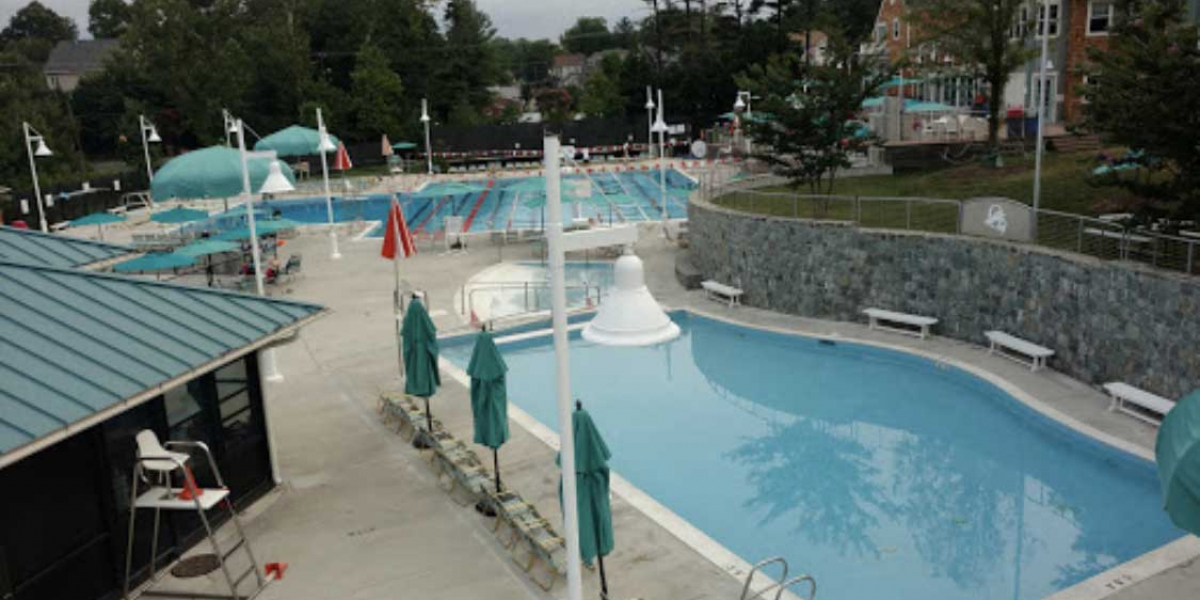
Many hotel guests expect a comfortable swimming experience, regardless of the weather. Heating systems are crucial for maintaining an optimal water temperature. Common types of pool heating systems include:
- Gas Heaters: Quick to heat the water, gas heaters are ideal for pools that require rapid temperature adjustments. However, they can be costly to operate.
- Electric Heat Pumps: These are energy-efficient and provide consistent heating by extracting heat from the air. They work best in warmer climates.
- Solar Heating: A sustainable option, solar heaters use solar panels to capture sunlight and convert it into heat for the pool. While they have a higher initial cost, they can save money in the long run through reduced energy bills.
- Water Chemistry Systems
Maintaining the right water chemistry is essential for guest safety and comfort. Pool water must be balanced to prevent issues like algae growth and skin irritation. Key components include:
- Chemical Feeders: These devices automatically dispense chemicals like chlorine or bromine into the pool water, helping maintain balanced sanitation levels.
- Test Kits: Regular testing of water chemistry is crucial. Test kits allow hotel staff to monitor pH levels, chlorine content, alkalinity, and more to ensure the water is safe for swimming.
- Automated Control Systems: These advanced systems monitor water quality and automatically adjust chemical levels as needed, reducing the need for manual testing and dosing.
- Cleaning Equipment
Keeping the pool clean is vital for ensuring guest satisfaction. Several tools and equipment can help maintain cleanliness:
- Robotic Pool Cleaners: These automated devices navigate the pool, removing dirt and debris from the floor and walls. They can operate independently, making them a time-saving option for hotel staff.
- Manual Vacuum Systems: A manual vacuum allows staff to clean the pool more thoroughly and is often used for spot cleaning or in conjunction with other cleaning equipment.
- Skimmers and Nets: Essential for removing surface debris like leaves and insects, skimmers and nets are basic but effective cleaning tools.
- Safety Equipment
Ensuring the safety of guests is a top priority for any hotel pool. Key safety equipment includes:
- Lifeguard Stations: Designated areas for lifeguards to oversee pool activities help enhance safety. Equipment such as rescue tubes, whistles, and first aid kits should be available.
- Safety Signage: Clear signage indicating pool rules, depth markers, and emergency procedures is crucial for informing guests about safe swimming practices.
- Life Jackets and Floatation Devices: Providing life jackets and floatation devices ensures safety for younger or less experienced swimmers.
Best Practices for Maintaining Hotel Pool Equipment
To ensure the longevity and effectiveness of hotel pool equipment, regular maintenance is essential. Here are some best practices:
- Routine Inspections
Conduct regular inspections of all pool equipment, including pumps, heaters, and filtration systems. Look for signs of wear and tear, and address any issues promptly to prevent costly repairs down the line.
- Regular Cleaning
Ensure that all cleaning equipment is used frequently. Regularly clean filters, skimmers, and pool surfaces to maintain a pristine environment for guests.
- Monitor Water Chemistry
Regularly test pool water chemistry to ensure it remains balanced. Adjust chemical levels as needed, and keep accurate records of water tests to identify trends over time.
- Educate Staff
Train hotel staff on proper pool maintenance techniques and equipment operation. An informed team can more effectively manage the pool area and address any issues that arise.
- Plan for Seasonal Maintenance
If your hotel pool is used year-round, plan for seasonal maintenance tasks, such as winterizing equipment and preparing the pool for increased summer use.
Conclusion
Investing in high-quality hotel pool equipment and maintaining it properly is crucial for providing a safe, clean, and enjoyable experience for guests. By understanding the essential components of hotel pool equipment—from filtration and heating systems to safety measures—hotel owners and managers can ensure that their pool areas remain attractive and functional. Regular maintenance, coupled with effective cleaning and monitoring practices, will keep the hotel pool in optimal condition, ultimately enhancing guest satisfaction and contributing to the hotel's overall success.

Chris Legend
17 posts
-
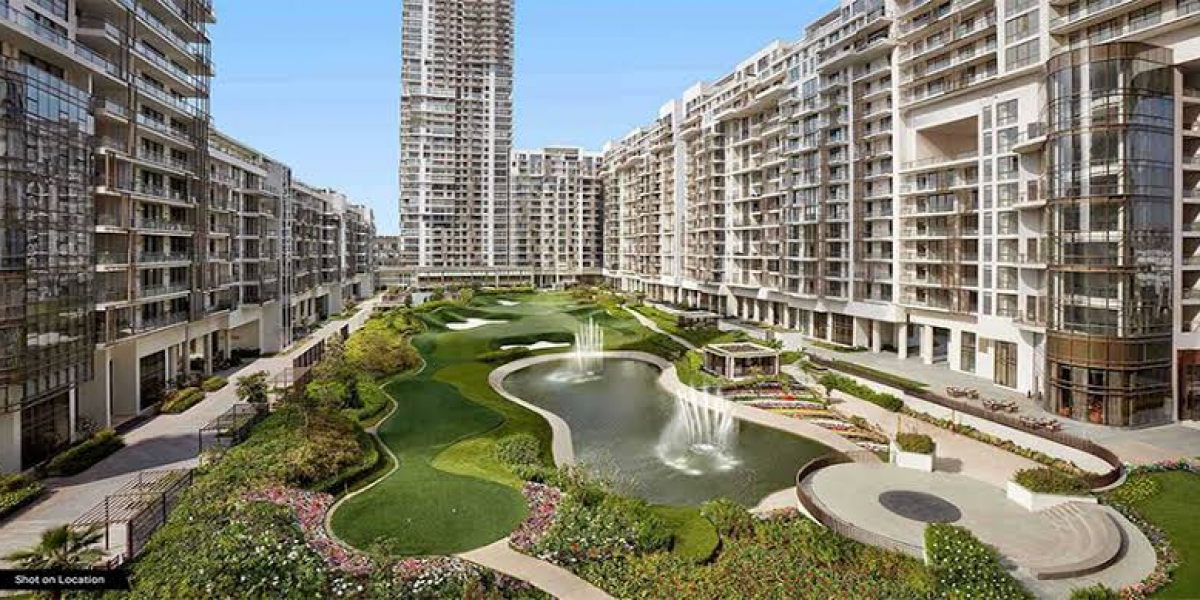 Redefining Luxury: The Iconic M3M Golf Estate, Sector 65
In the bustling landscape of Gurugram, few addresses command the same level of prestige and architectural grandeur as M3M Golf Estate, Sector 65. As one of the most prominent residential landmarks along the Golf Course Extension Road, this project has effectively transformed the concept of
-
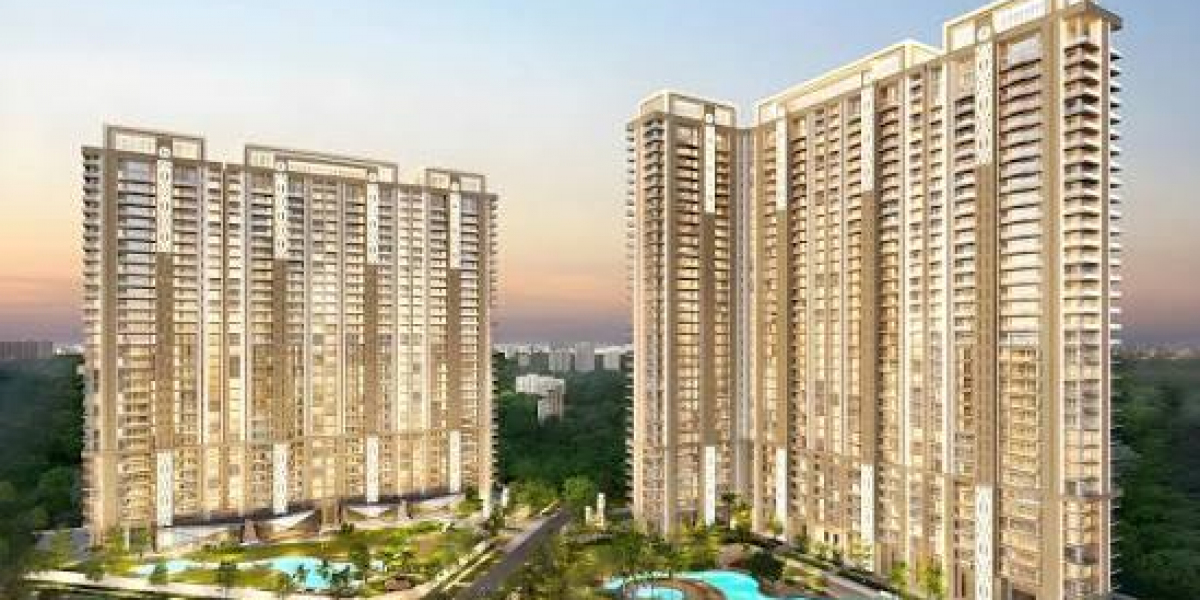 Redefining Ultra-Luxury: A Deep Dive into Whiteland Westin Residences, Sector 103, Gurgaon
In the heart of the rapidly evolving Dwarka Expressway corridor, a new benchmark for premium living has emerged. Whiteland Westin Residences, located in Sector 103, Gurgaon, isn't just a residential project—it is a landmark collaboration that brings the world-renowned hospitality o
-
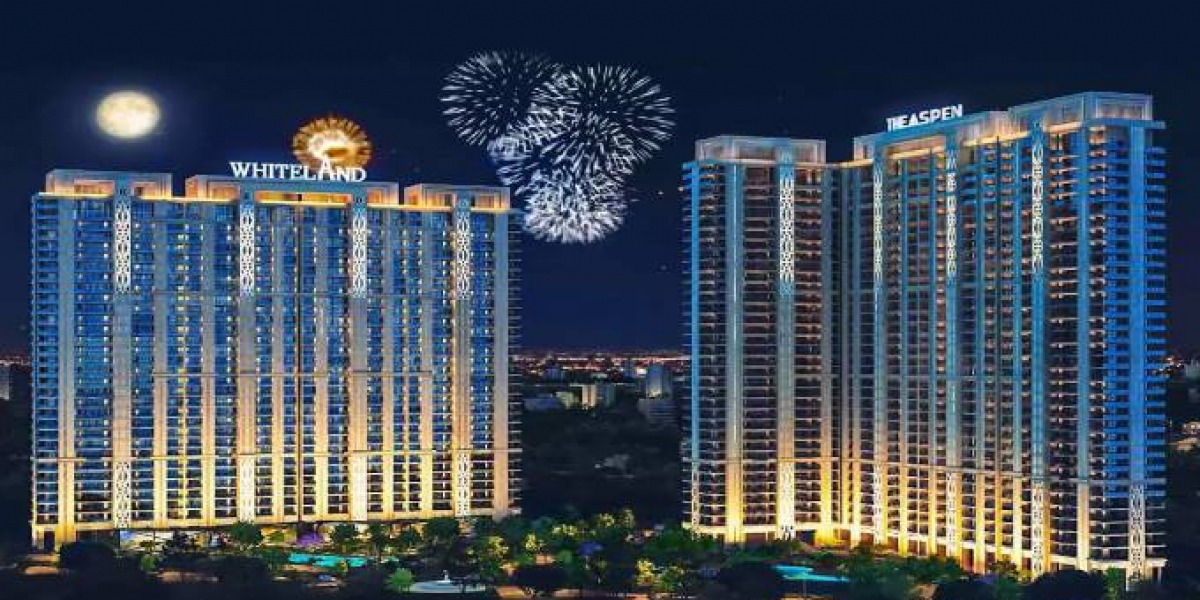 Green Engineering and Health Optimization at Whiteland The Aspen
To address this, Whiteland Corporation integrated specialized CTMA3 Air Purification technology into the core building systems. This central air infrastructure works continuously to treat, filter, and circulate air throughout enclosed common areas, double-height entrance lobbies, and tower
-
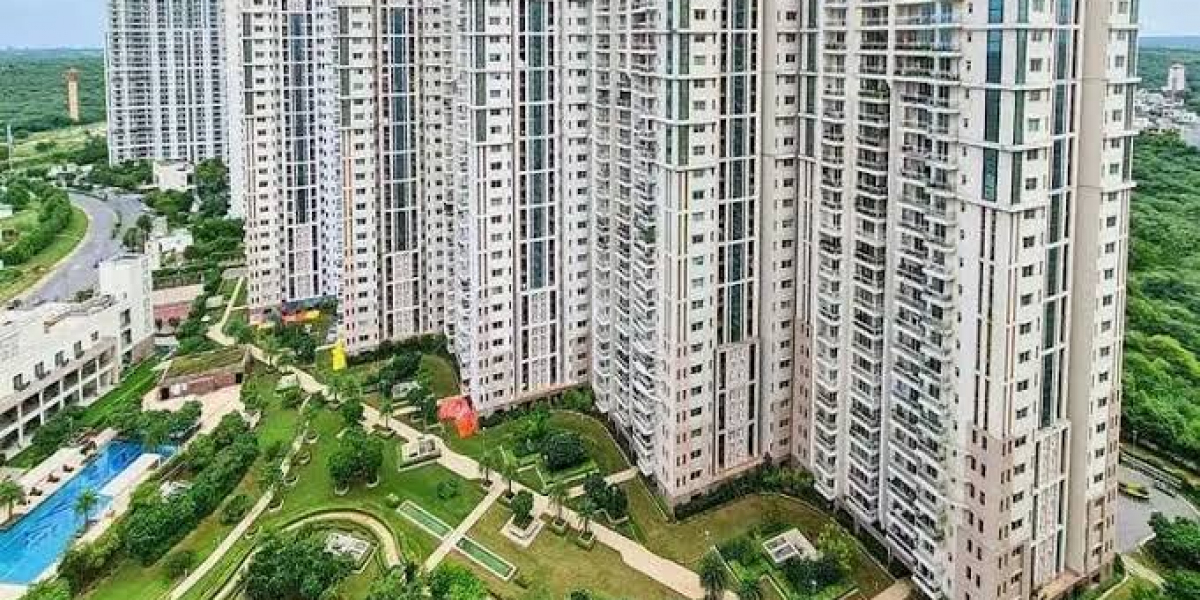 Mastering the Asset: Technical Infrastructure, Micro-Market Value, and Structural Layouts at DLF Park Place
This deep dive focuses on the granular technical infrastructure, exact structural layouts, and macro-economic factors that explain why this specific project maintains a massive edge over its competition in 2026.
-
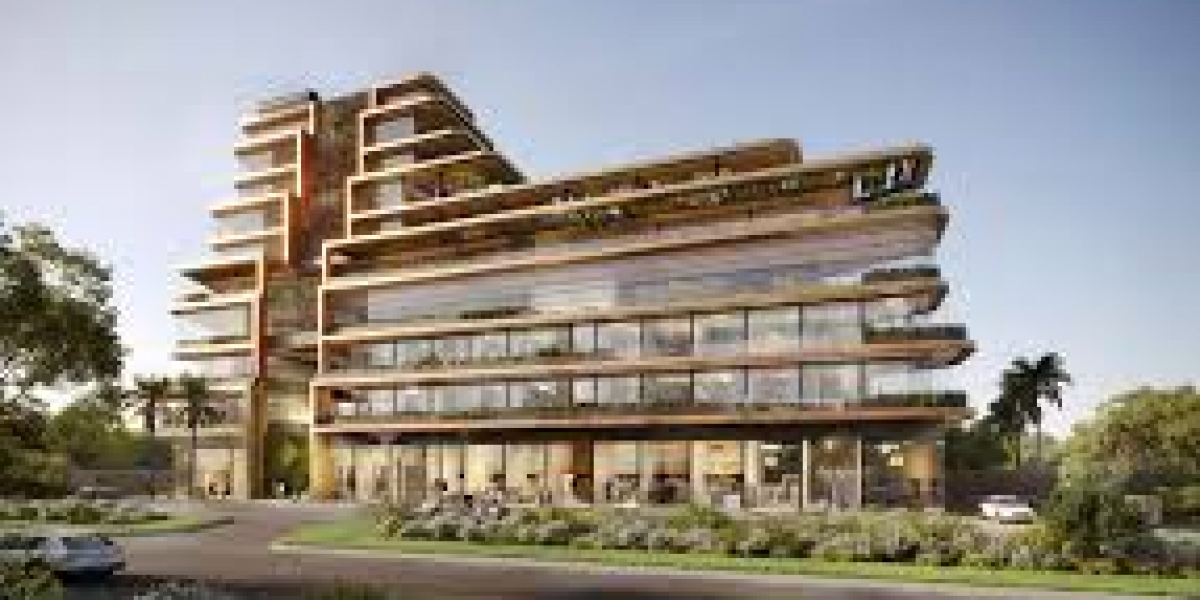 Brand Identity and Tenant Experience: Cultivating Loyalty at Elan Empire Gurgaon
Securing high occupancy in a premium high-street asset is only half the battle. For long-term viability, property management and individual investors must shift their focus to building tenant loyalty and creating a distinctive brand identity.
-
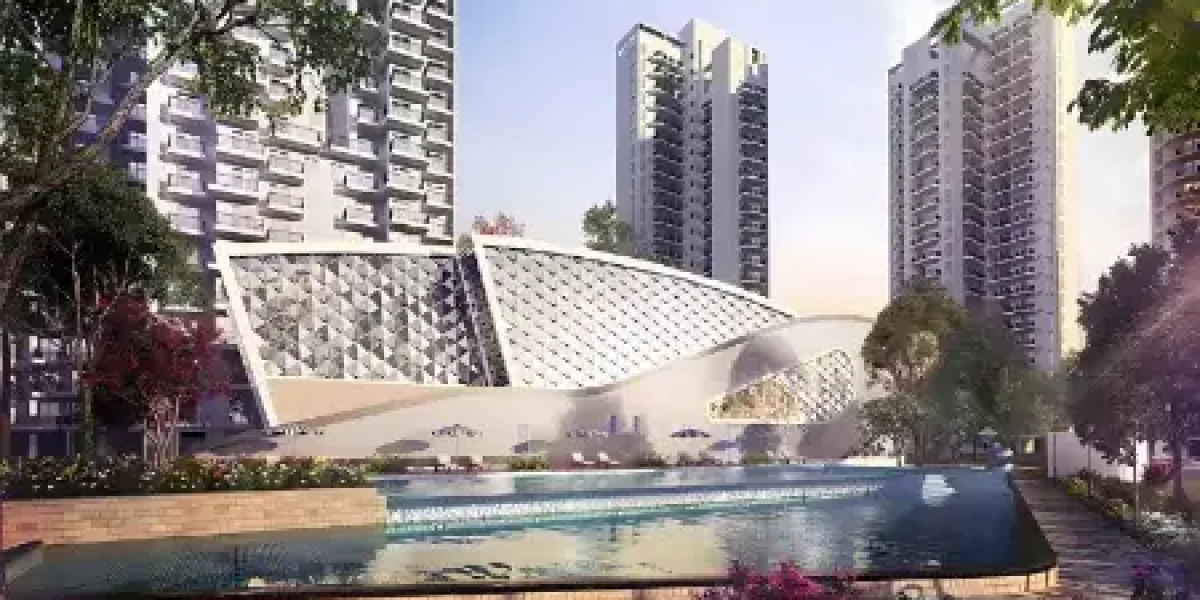 Master Review: Evaluating Godrej Nature Plus, Sector 33, Gurgaon
The layout uses a smart structural pattern where towers are angled away from each other. This creates a staggered footprint that gives corner apartments clear, unblocked views of the Aravalli foothills while ensuring optimal morning and afternoon sunlight. Inside the towers, the floor plan
-
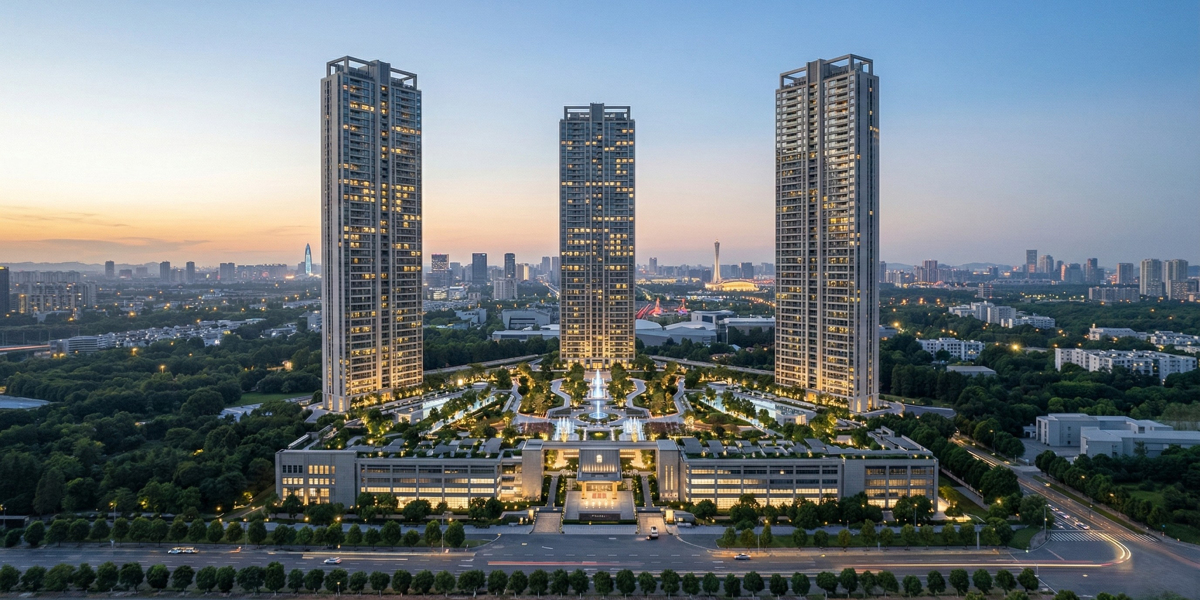 BPTP Downtown 66: A Masterpiece of Vertical Luxury in Sector 66
BPTP Downtown 66 has emerged as one of the most anticipated high-rise developments on the Golf Course Extension Road. Designed by the globally acclaimed architectural firm Aedas, this project is not just a residential complex but a vertical ecosystem where luxury meets functionality.
-
 Aesthetic Clinic in Australia | Beauty Clinic in Carolina | PM Aesthetics
Discover a trusted aesthetic clinic in Australia and a professional beauty clinic in Carolina. PM Aesthetics offers advanced skincare, cosmetic treatments, and personalized beauty solutions.
-
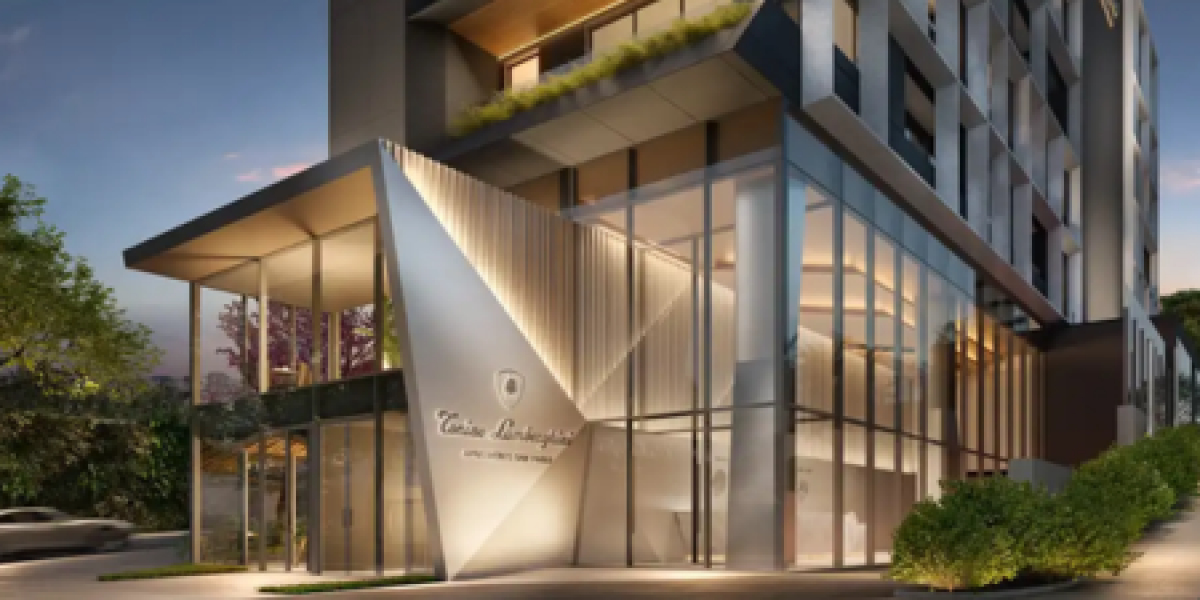 The Masterful Synergy at Signature Global Tonino Lamborghini
Signature Global Tonino Lamborghini Residences represents a ₹2,890 crore synergy of Italian supercar aesthetics and Indian engineering excellence in Sector 71.
-
 Sidewalk Repair NYC: A Complete Guide for Property Owners
Sidewalks in New York City endure constant wear and tear due to heavy foot traffic, extreme weather conditions, and tree root growth. Over time, cracks, uneven surfaces, and potholes can develop. These issues not only create an unpleasant appearance but also pose serious safety hazards for
-
 Why Natural Stone Wall Panels Are Becoming the First Choice for Modern Interiors
Discover why natural stone wall panels are becoming a top choice for modern interiors and exteriors. Learn about their durability, aesthetic appeal, and versatile applications for residential and commercial spaces.


