- Ed Miliband is set to take up the UK’s seat on the board of the World Bank.
- His move signals a strong emphasis on climate change and overseas development in UK foreign policy.
- Critics say UK aid budget has been cut, but supporters see potential for increased climate finance.
Ed Miliband’s New Role at World Bank
The United Kingdom's Foreign Secretary, Ed Miliband, is poised to take up a significant position on the board of the World Bank. This move is indicative of his intention to prioritize international development and climate change in UK foreign relations.
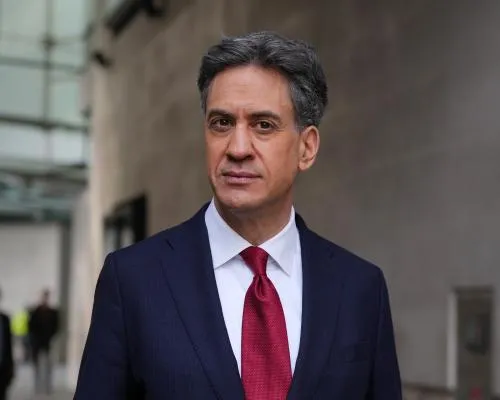
Significance of the MoveMiliband’s decision underscores Britain's commitment to addressing global issues such as climate change and overseas development. Traditionally, this position was held by a junior minister, but now it will be led by Miliband himself. This signals an active role in shaping changes at the World Bank that developing countries have been advocating for.
His appointment comes amid ongoing environmental crises, including wildfires in France and Spain, heatwaves across Europe, and drought conditions in parts of England. These events highlight the pressing need for robust climate policies both domestically and internationally.
Expert OpinionsLord Stern, a professor at the London School of Economics, commends Miliband’s appointment. He states, 'As a former chief economist and senior vice-president of the World Bank, I know that the UK can punch above its weight.' Stern adds, 'But only if the leadership is there from the top. In recent years, that has slipped. Ed Miliband will be restoring development and climate to the priority in our international relationships that they must have.'
Challenges AheadMiliband faces a shrinking aid budget and tough decisions on allocation. The previous Labour government under Keir Starmer reduced overseas aid from 0.5% to 0.3% of gross national income, and cut climate finance by 14%. Critics argue that these cuts undermine Britain’s credibility in global environmental initiatives.
Supporters like Mohamed Adow, a director at Power Shift Africa, welcome the move but caution that it must lead to concrete actions such as increasing climate finance and ensuring faster disbursement of funds to help developing nations. Jonathan Hall from Conservation International UK echoes this sentiment, emphasizing the need for a clear target to finance natural ecosystems.
Looking ForwardThe UK will assume leadership of the G20 group in November, facing energy and food security challenges exacerbated by geopolitical tensions and environmental pressures. Rachel Kyte, the UK’s climate envoy, believes that Miliband's experience could prove invaluable in mobilizing global action.
In conclusion, Ed Miliband’s appointment as the UK governor to the World Bank represents a strong commitment to international development and climate change. While challenges lie ahead, his leadership is seen as crucial in addressing the complex interplay of environmental and geopolitical issues that define our world today.
Source: The Guardian

Business Daily
309 posts
-
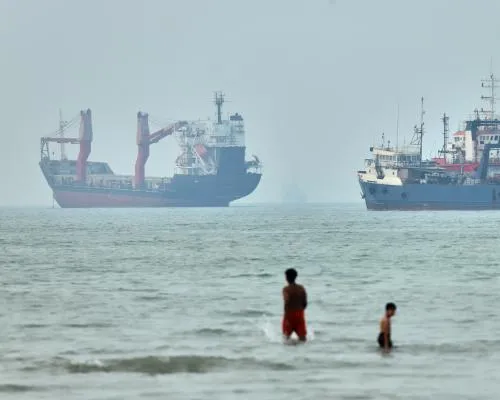 Oil Prices Plunge as US Halts Strikes Against Iran
Oil prices plummet as the US halts attacks on Iran, leading to a 9% drop to below $88 per barrel and a decline in UK government bond yields.
-
 Vợ ông Phạm Nhật Vượng mua thêm gần 5% vốn LPBank - Tổng tài sản gia tăng?
Vợ tỷ phú Phạm Nhật Vượng mua thêm gần 5% vốn LPBank, nâng tổng sở hữu lên khoảng 9,85%. Thêm chi tiết về tỷ suất lợi nhuận và thông tin về các cổ đông khác.
-
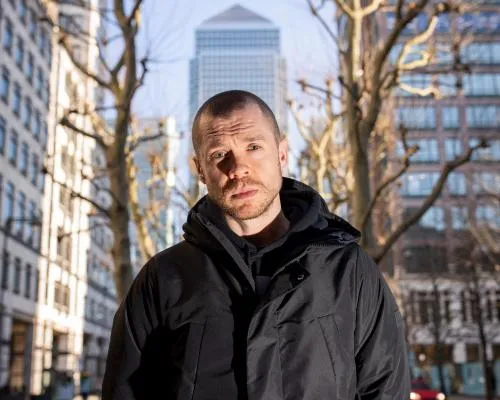 Gary Stevenson Announces Exit from YouTube Channel Amid Health Concerns
Gary Stevenson, former City trader turned wealth tax campaigner, announces his exit from his popular YouTube channel due to health concerns.
-
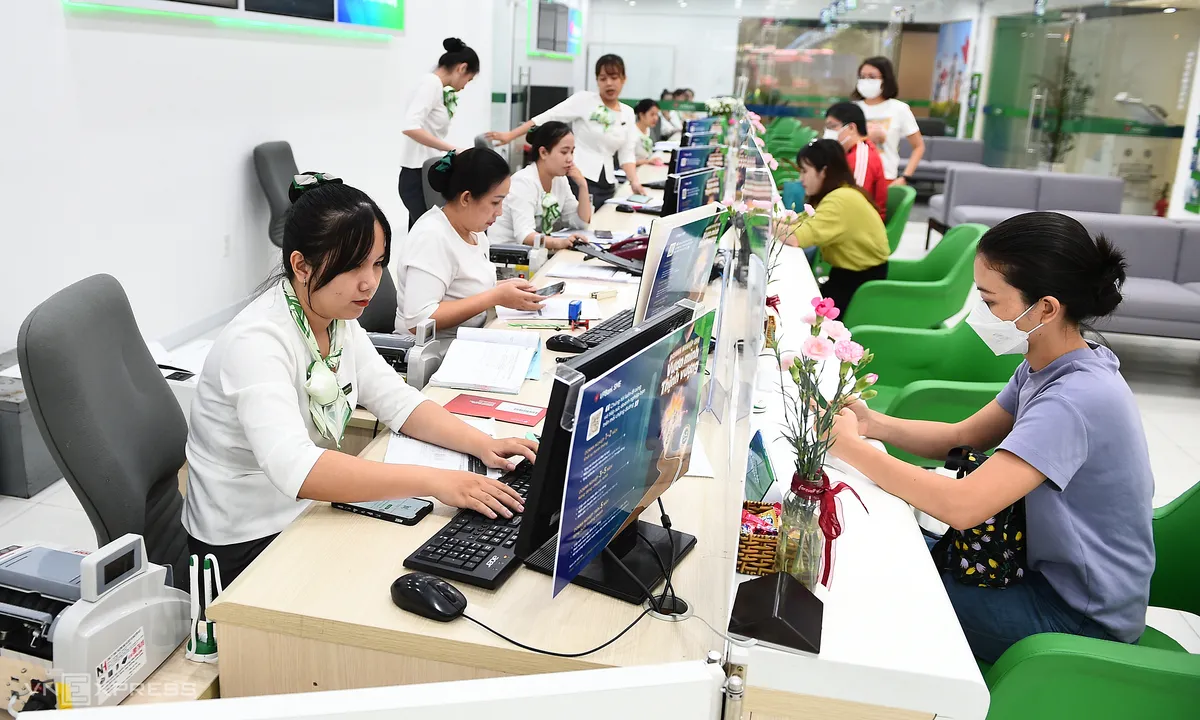 Techcombank và VPBank tăng trưởng mạnh từ dịch vụ bảo hiểm
Bài viết này tổng hợp tình hình tăng trưởng từ dịch vụ bảo hiểm của Techcombank và VPBank, giúp hiểu rõ hơn về vai trò quan trọng của ngành này trong lợi nhuận của các ngân hàng.
-
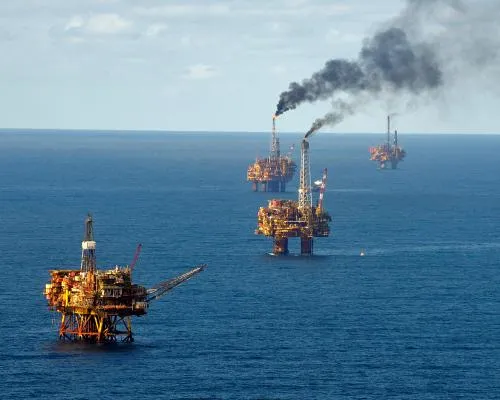 Rosebank Oilfield Delayed Amid Climate and Cost Debates
Britain's largest undeveloped oilfield, Rosebank, faces significant delays after crucial drilling equipment was accidentally dropped into the North Sea. The incident has reignited debates over domestic energy production and its impact on climate change.
-
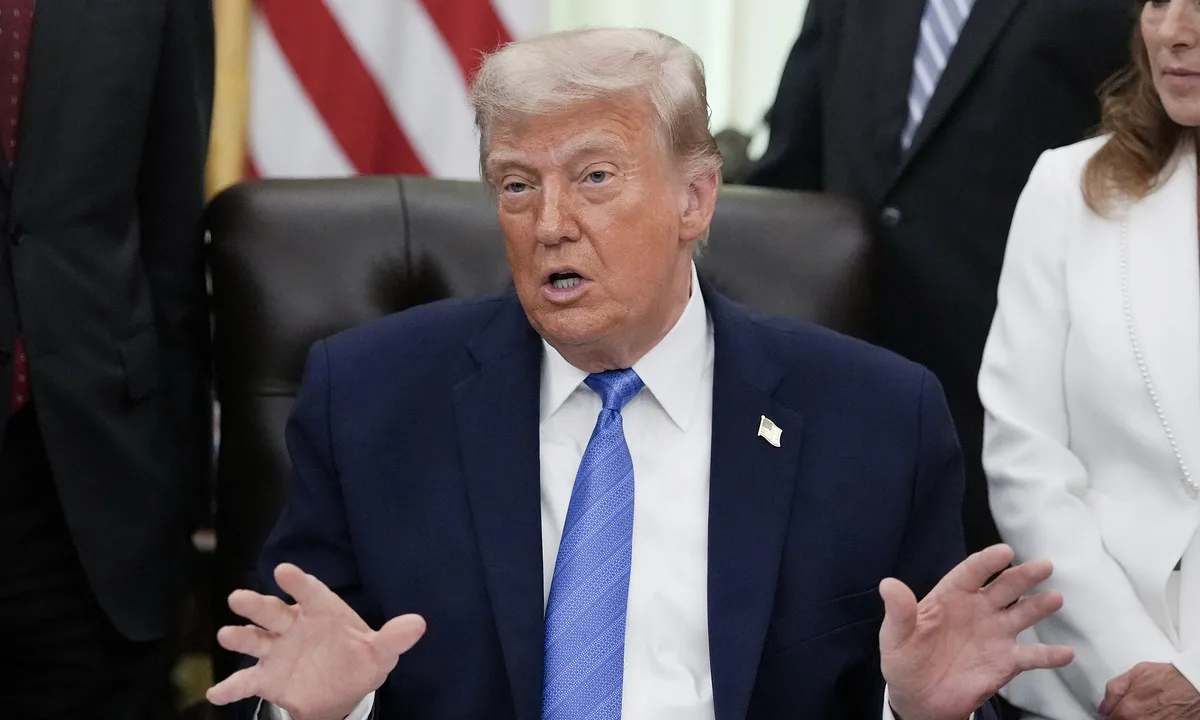 EU, Trung Quốc và Nhật Bản phản đối thuế mới của Tổng thống Trump
EU, Nhật Bản, Trung Quốc đồng loạt lên tiếng phản đối mức thuế mới của Mỹ do Tổng thống Donald Trump áp đặt. Bà Kaja Kallas từ EU và Thủ tướng New Zealand Christopher Luxon cùng chỉ trích chính sách này.
-
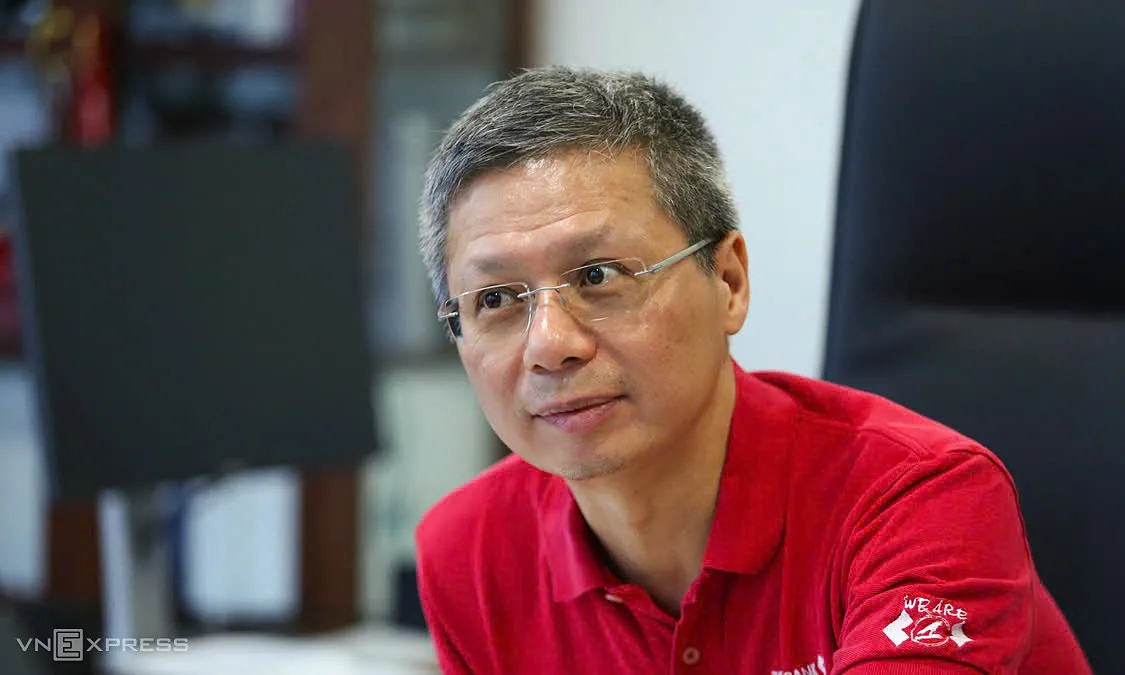 Cựu CEO Techcombank Nguyễn Lê Quốc Anh làm Chủ tịch Eximbank, ngân hàng báo lãi giảm nửa
Eximbank bổ nhiệm cựu CEO Techcombank Nguyễn Lê Quốc Anh làm chủ tịch thay thế cho bà Phạm Thị Huyền Trang, đồng thời có dàn hội đồng quản trị mới đa phần là người nước ngoài. Ngân hàng báo lãi giảm nửa so với cùng kỳ năm
-
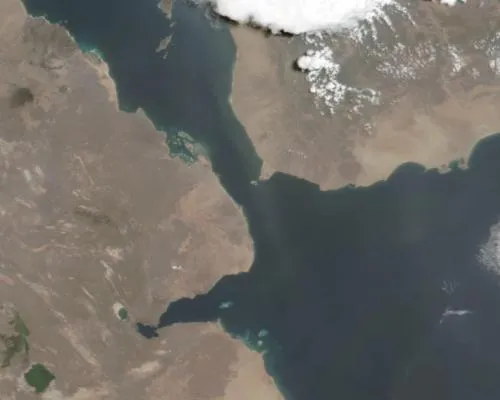 Bab al-Mandeb Blockade Threat Puts Global Oil Prices on Edge
Escalating threats in Bab al-Mandeb push oil prices above $100 per barrel, raising concerns about potential supply disruptions and wider economic impacts.
-
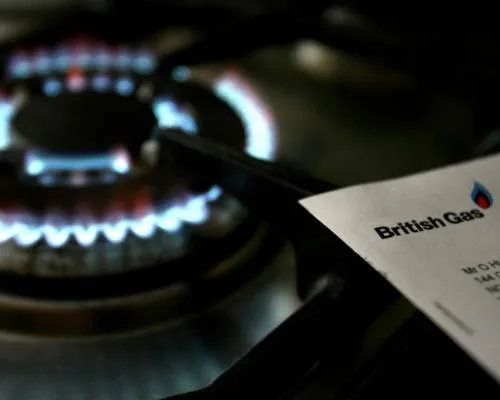 British Gas Owner Defends AI-Driven Job Cuts Amid Rising Profits
Centrica, owner of British Gas, plans to cut 1,300 call centre jobs as customers increasingly opt for digital channels. Despite job reductions, the company reports a rise in retail profits due to focus on higher-margin tariffs.
-
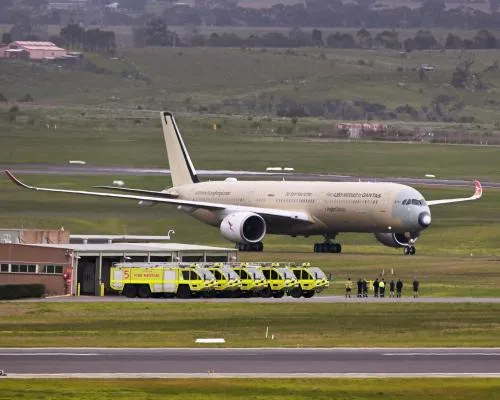 Qantas A350-1000ULR Completes Test Flight: First Nonstop Journey from France to Australia
Qantas's new A350-1000ULR completed a record-breaking test flight from France to Australia, attracting global attention and signaling progress toward their ambitious long-haul services.


