- Equipment lost in North Sea delays production at Rosebank oilfield.
- Government faces pressure from industry but opposition from climate campaigners.
- Licenses granted despite environmental concerns, with future decisions still pending.
Production Delays at Rosebank Oilfield
The production timeline for Britain’s largest undeveloped oil and gas field, the Rosebank site located in the North Sea, has been delayed following an accident that saw crucial drilling equipment fall into the sea. This mishap has caused significant setbacks, with Adura, the company responsible, now anticipating a completion date some time in 2027 rather than before year-end as originally planned.
The loss of two central pieces of gear—specifically, a safety valve and other equipment—has forced the rig to be taken to Bergen for repairs. Although no workers were injured, this incident has resulted in a potential four-month delay in operations, with some oil wells scheduled for completion behind schedule as a result.
Government Weighs In
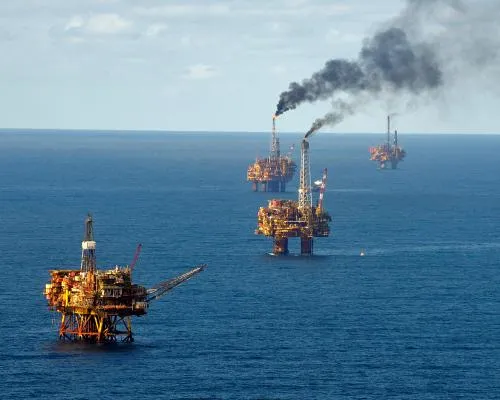
The Rosebank site was previously granted licenses under the Conservative government but faced challenges after environmental groups launched legal action. Now, Labour’s new energy secretary, Miatta Fahnbulleh, is set to make a decision on the future of these oil and gas fields following consultations over their emissions impact by August.
The situation at Rosebank mirrors ongoing debates about domestic production of oil and gas as a potential solution to rising energy costs. Some argue that increased North Sea drilling could help improve energy security, while others contend that it would have minimal economic benefits and severe environmental drawbacks.
Stakeholder Reactions
The incident at Rosebank has sparked varied reactions from stakeholders. Trade unions and opposition parties are calling for a ramp-up in North Sea production to boost energy security. Sally Jameson, a Cabinet Office minister, supports more domestic oil and gas output as a means of controlling energy costs.
However, environmental campaigners have expressed reservations. Greenpeace’s Areeba Hamid stated that any approval for these fields would offer little benefit and could send “a disastrous signal” to the international community. She noted that the industry's expansion would not address climate issues or significantly impact energy bills.
Legal Considerations
The decision on whether to allow new drilling is expected to be influenced by legal considerations as well. Angeliki Papantoniou, a lecturer in environmental law at the University of Hull, suggested that challenges could succeed if based on substantial environmental matters such as disruption to marine ecosystems and potential health impacts.
Despite these debates, Adura has not yet provided further comment beyond confirming the need for extensive repairs due to the lost equipment. Odfjell Drilling declined to comment on this issue.
Source: The Guardian

Business Daily
309 posts
-
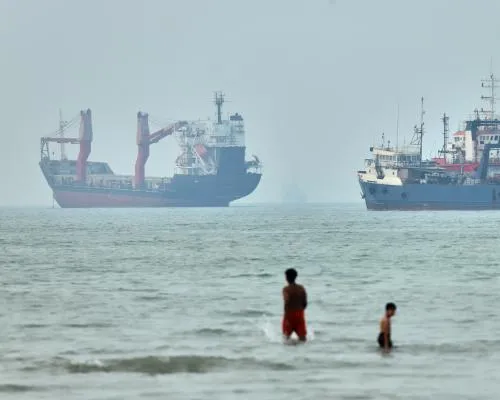 Oil Prices Plunge as US Halts Strikes Against Iran
Oil prices plummet as the US halts attacks on Iran, leading to a 9% drop to below $88 per barrel and a decline in UK government bond yields.
-
 Vợ ông Phạm Nhật Vượng mua thêm gần 5% vốn LPBank - Tổng tài sản gia tăng?
Vợ tỷ phú Phạm Nhật Vượng mua thêm gần 5% vốn LPBank, nâng tổng sở hữu lên khoảng 9,85%. Thêm chi tiết về tỷ suất lợi nhuận và thông tin về các cổ đông khác.
-
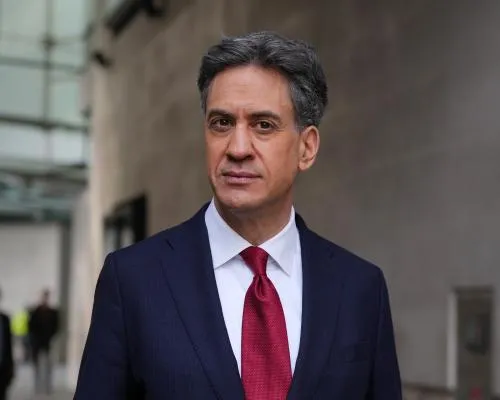 Ed Miliband to Lead UK’s Role at World Bank Amid Climate Crisis
British Foreign Secretary Ed Miliband will take up a key position at the World Bank, emphasizing climate change and overseas development in UK foreign policy.
-
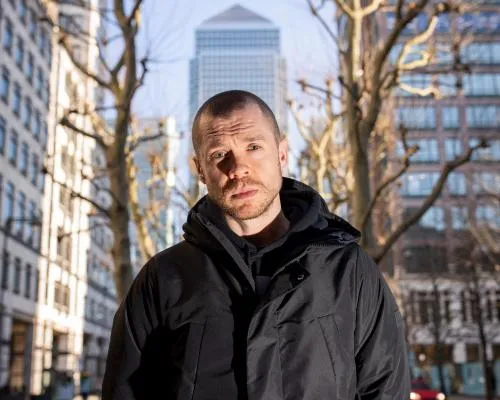 Gary Stevenson Announces Exit from YouTube Channel Amid Health Concerns
Gary Stevenson, former City trader turned wealth tax campaigner, announces his exit from his popular YouTube channel due to health concerns.
-
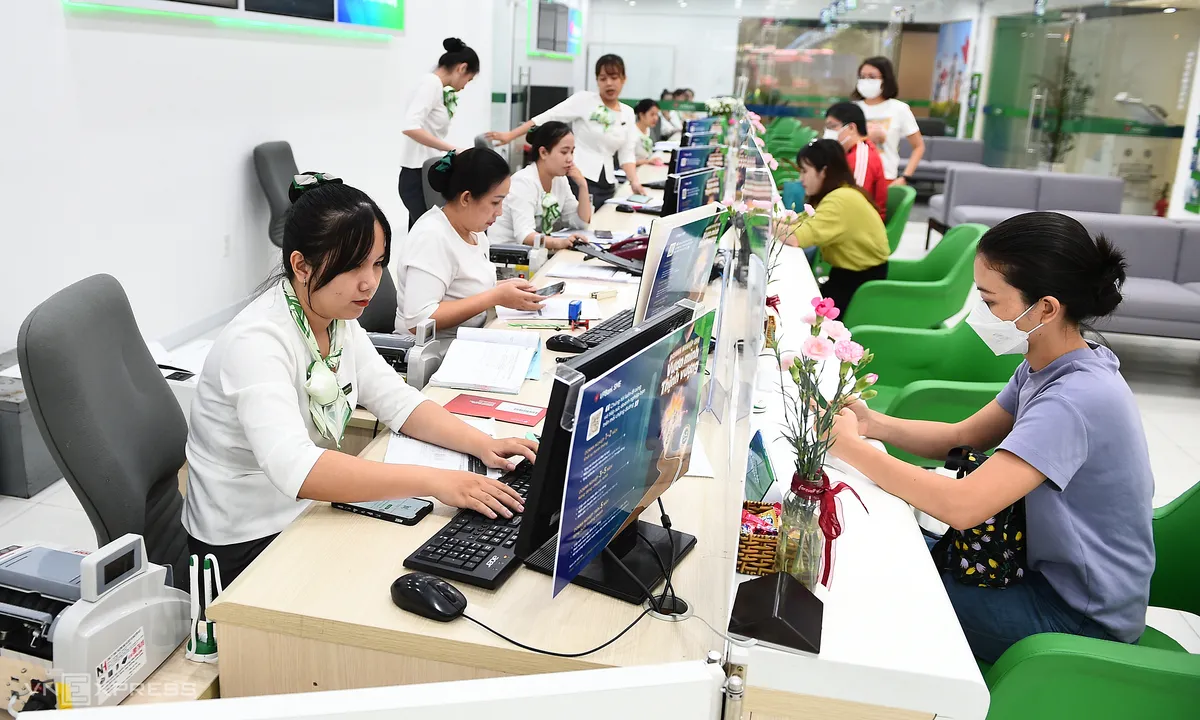 Techcombank và VPBank tăng trưởng mạnh từ dịch vụ bảo hiểm
Bài viết này tổng hợp tình hình tăng trưởng từ dịch vụ bảo hiểm của Techcombank và VPBank, giúp hiểu rõ hơn về vai trò quan trọng của ngành này trong lợi nhuận của các ngân hàng.
-
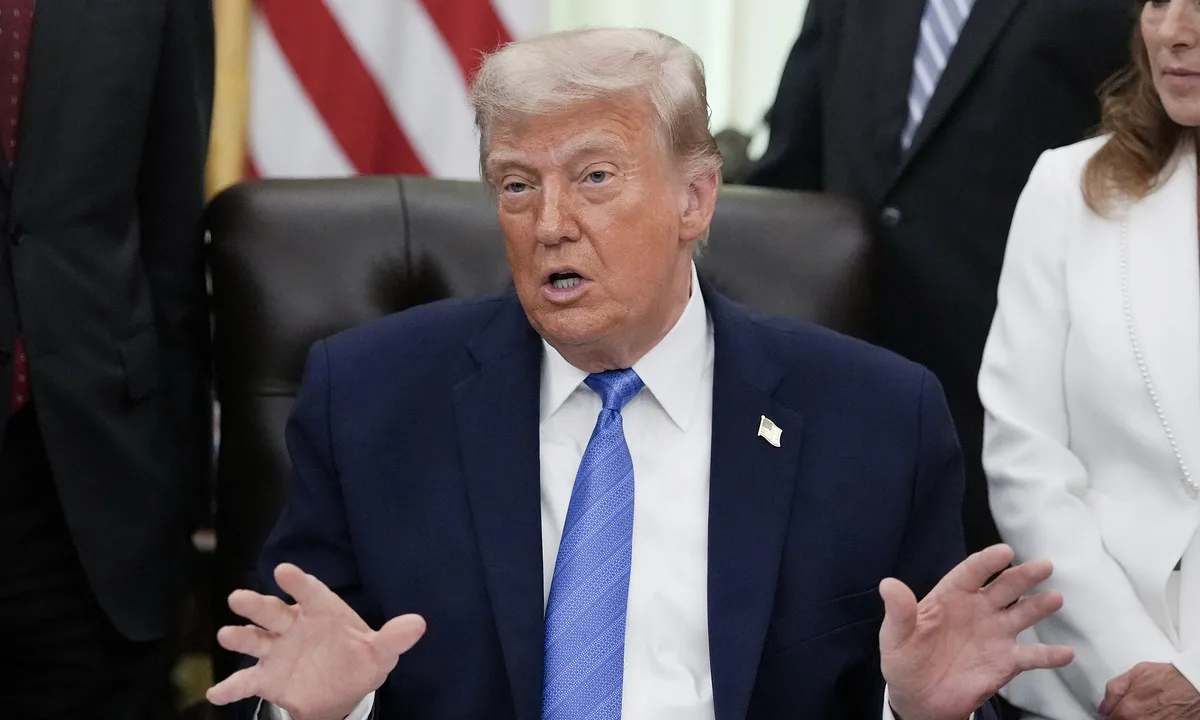 EU, Trung Quốc và Nhật Bản phản đối thuế mới của Tổng thống Trump
EU, Nhật Bản, Trung Quốc đồng loạt lên tiếng phản đối mức thuế mới của Mỹ do Tổng thống Donald Trump áp đặt. Bà Kaja Kallas từ EU và Thủ tướng New Zealand Christopher Luxon cùng chỉ trích chính sách này.
-
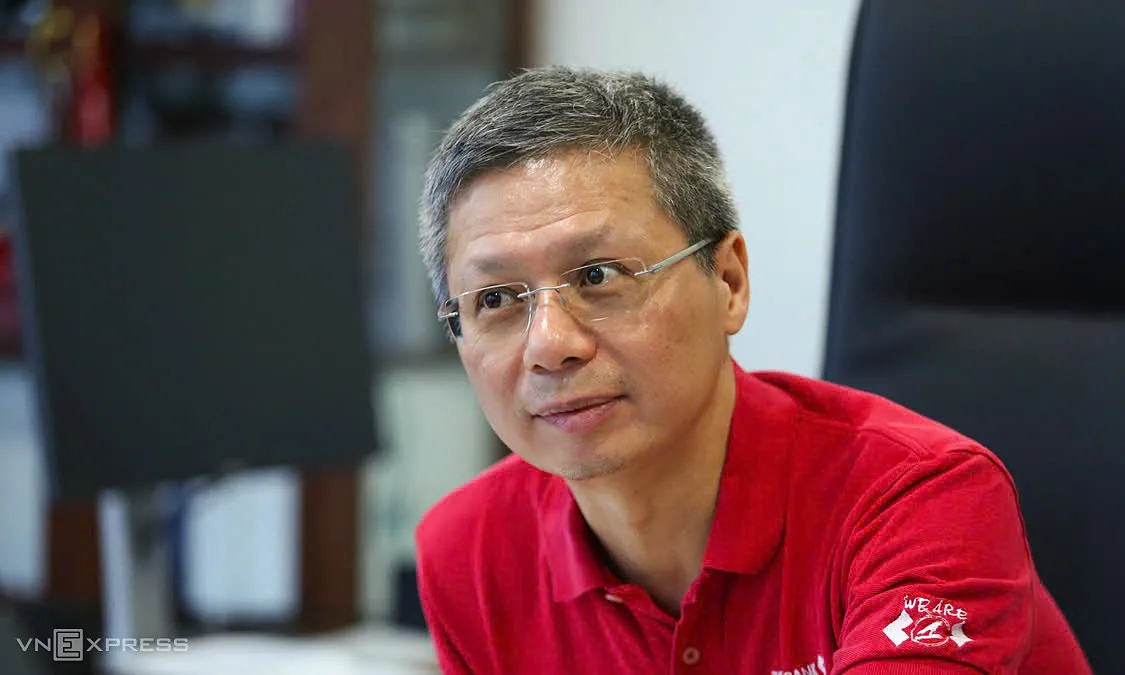 Cựu CEO Techcombank Nguyễn Lê Quốc Anh làm Chủ tịch Eximbank, ngân hàng báo lãi giảm nửa
Eximbank bổ nhiệm cựu CEO Techcombank Nguyễn Lê Quốc Anh làm chủ tịch thay thế cho bà Phạm Thị Huyền Trang, đồng thời có dàn hội đồng quản trị mới đa phần là người nước ngoài. Ngân hàng báo lãi giảm nửa so với cùng kỳ năm
-
 Bab al-Mandeb Blockade Threat Puts Global Oil Prices on Edge
Escalating threats in Bab al-Mandeb push oil prices above $100 per barrel, raising concerns about potential supply disruptions and wider economic impacts.
-
 British Gas Owner Defends AI-Driven Job Cuts Amid Rising Profits
Centrica, owner of British Gas, plans to cut 1,300 call centre jobs as customers increasingly opt for digital channels. Despite job reductions, the company reports a rise in retail profits due to focus on higher-margin tariffs.
-
 Qantas A350-1000ULR Completes Test Flight: First Nonstop Journey from France to Australia
Qantas's new A350-1000ULR completed a record-breaking test flight from France to Australia, attracting global attention and signaling progress toward their ambitious long-haul services.


