The Duke MSQM program Fees are one of the most important things students want to know before applying to this program. The Master of Science in Quantitative Management (MSQM) at Duke University’s Fuqua School of Business is highly respected and attracts students from across the world. But with its reputation, students and parents often ask: How much does it cost and is it worth it?
In this guide, we will cover tuition fees, additional costs, scholarships, living expenses, and the return on investment (ROI).
About the Duke MSQM Program

The Duke MSQM Fees is designed for students who want to combine business knowledge with data analytics. It prepares graduates for careers in consulting, finance, technology, and other data-driven industries.
- The program runs for 19 months and follows an online/hybrid learning format.
- It is ideal for students and professionals who want to grow in management and analytics roles.
Duke MSQM Tuition Fees
When discussing MSQM Fees, the first point to note is tuition. Duke charges a set tuition fee for the entire program, which covers classes, residencies, and access to resources. The total tuition can be high compared to some other programs, but it reflects the global reputation of Fuqua School of Business.
- Tuition fees are billed per term, and payments are spread across the program duration.
- The cost includes academic resources, faculty support, and residency sessions.
Note: Fees may change slightly each academic year, so always check the official website.
Additional Costs and Expenses
Apart from tuition, students should also prepare for extra costs. These expenses include technology fees, course materials, and travel if students attend campus residencies.
- Technology and student service fees are charged separately.
- Travel, accommodation, and meals during residency sessions add to overall costs.
Scholarships and Financial Aid
One way to reduce the Duke MSQM Fees is through scholarships and financial aid. Duke offers both need-based and merit-based aid to eligible students. In some cases, GMAT or GRE scores may strengthen your scholarship chances.
- Scholarships reduce tuition and make the program more affordable.
- Employer sponsorships and external scholarships are also possible options.
Return on Investment (ROI)
The question many applicants ask is whether the high Duke MSQM Fees are worth it. The answer lies in the ROI. Graduates often secure jobs in consulting, finance, and analytics with competitive salaries that allow them to recover tuition costs within a few years.
- Average starting salaries for graduates are strong compared to other management programs.
- The Fuqua brand adds long-term value for career growth and leadership roles.
Comparison with Other Programs
When comparing fees, Duke MSQM sits at the higher end. However, the outcomes and career opportunities balance the cost. Programs at schools like NYU and Michigan may be slightly less expensive, but Duke’s reputation often justifies the higher fees.
- Duke MSQM fees are competitive compared to similar U.S. business analytics programs.
- Career outcomes and ROI often make up for the higher initial cost.
Tips for Managing Costs
Managing Duke MSQM Fees requires early planning. Students can reduce financial stress by preparing in advance and exploring funding options.
- Apply for external scholarships or grants to support tuition.
- Consider employer sponsorships or flexible payment plans offered by Duke.
What is the Actual Cost of Duke MSQM?
A common question among students is: What is the actual cost of studying Duke MSQM? The total cost includes tuition, service fees, and residency expenses. While the tuition itself is the largest part, additional costs also matter when planning finances.
- Tuition covers instruction, resources, and academic support.
- Residency trips and personal living costs can add to the total budget.
Conclusion
The Duke MSQM Fees may seem high, but they reflect the quality of education, global brand value, and strong career outcomes of the program. Tuition, additional costs, and residencies form the major part of the fees, while scholarships and financial aid provide relief for eligible students. With graduates securing strong salaries and top recruiters, the ROI is clear. For students serious about a career in business and data, Duke MSQM is not just an expense—it is an investment in future success.

Sarah Kohler
7 posts
-
 15 tỉnh, thành phố thí điểm sáp nhập trường học và chuyển đổi hệ trung cấp sang trung học nghề
Bộ Giáo dục và Đào tạo thí điểm sáp nhập trường học tại 13 tỉnh, thành phố nhằm nâng cao chất lượng giáo dục, đồng thời chuyển đổi hệ trung cấp sang trung học nghề theo hướng hiện đại.
-
 Tuyên Quang: Kiểm tra toàn bộ quy trình tổ chức thi với điểm thi, phòng thi có thí sinh đạt điểm cao
Tỉnh Tuyên Quang kiểm tra toàn bộ quy trình thi với bài toán đạt 10 điểm, đồng thời đối chiếu học bạ của các thí sinh.
-
 Danh sách trường công bố điểm sàn thi tốt nghiệp THPT 2026: Xu hướng và dự báo điểm chuẩn
Việc nhiều trường đại học công bố điểm sàn thi tốt nghiệp THPT 2026 cho thấy xu hướng tuyển sinh và dự báo về điểm chuẩn năm nay.
-
 Điểm sàn Đại học Ngoại thương: Xét tuyển từ 23-24 điểm, mở rộng ngành mới
Đại học Ngoại thương công bố ngưỡng điểm sàn xét tuyển từ 23-24/30 cho các tổ hợp môn năm 2026, đồng thời mở rộng nhiều ngành mới như Khoa học dữ liệu và Trí tuệ nhân tạo.
-
 Sông ngầm kỳ thú ở Đông Nam Á: Tuyển lựa mới cho kỳ quan thiên nhiên
Việt Nam nằm trong khu vực Đông Nam Á, nơi có nhiều kỳ quan thiên nhiên độc đáo, như con sông ngầm dài hơn 8 km gây ngạc nhiên.
-
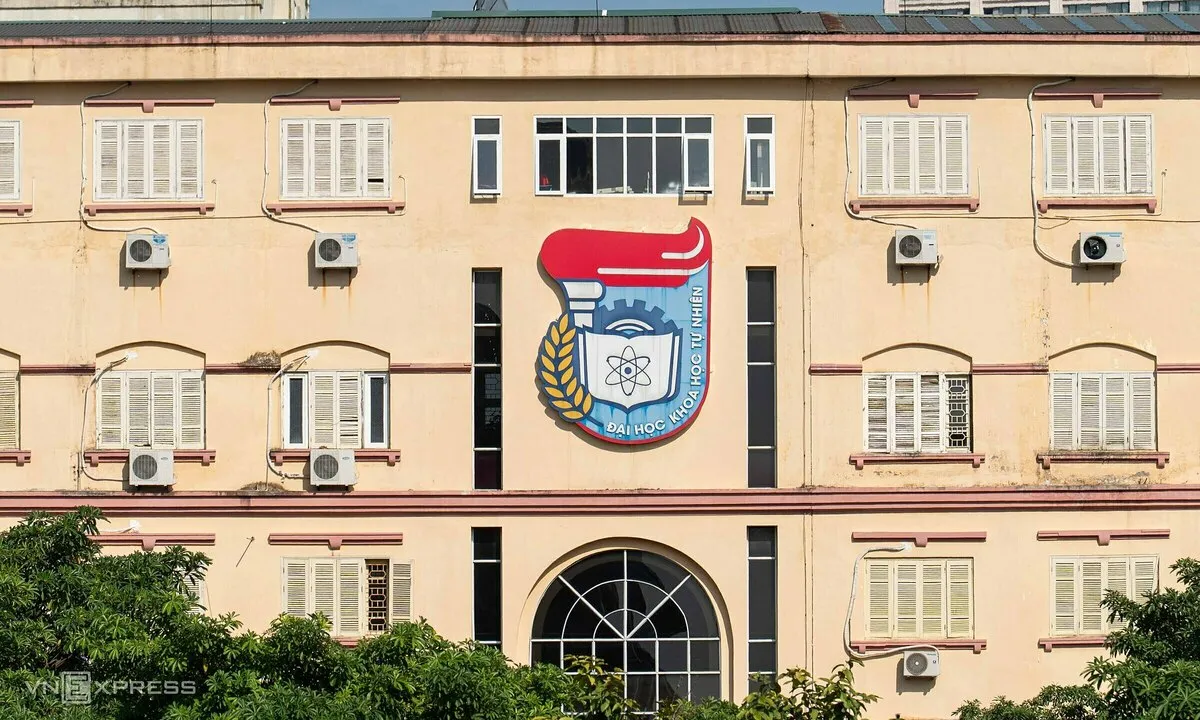 Điểm sàn Đại học Khoa học Tự nhiên và xu hướng điều chỉnh của các trường ĐH
Điểm sàn ĐH Khoa học Tự nhiên lên đến 25 điểm, còn Trường Hoa Sen công bố mức dễ thở hơn với 18 điểm theo tổ hợp 6 học kỳ. Sự linh hoạt trong quy định của các trường đang tạo ra nhiều lựa chọn cho thí sinh.
-
 CBEST Exam Preparation Online – Pass with Expert Coaching & Practice Tests
Prepare for the CBEST exam with Prephow online coaching, practice tests, expert guidance, and writing support to boost confidence and pass successfully.
-
 Đại học Bách khoa Hà Nội công bố điểm chuẩn cao nhất năm 2026
Đại học Bách khoa Hà Nội dự báo điểm chuẩn năm 2026 với nhiều ngành có điểm cao từ 27,5-28,5, trong đó một số ngành như Khoa học dữ liệu và Trí tuệ nhân tạo có thể vượt 28,5 điểm.
-
 Bộ Giáo dục dự kiến giảm 30% trường công lập để tinh gọn quản trị, nâng cao chất lượng
Bộ Giáo dục và Đào tạo đề xuất giảm 30% đầu mối trường công để cải thiện quản trị, tăng hiệu quả giảng dạy.
-
 Đại học Quốc gia Hà Nội công bố bảng quy đổi điểm HSA và thi tốt nghiệp THPT
Đại học Quốc gia Hà Nội công bố bảng quy đổi điểm HSA và điểm thi tốt nghiệp THPT, giúp các trường xây dựng phương án xét tuyển cho năm 2026.
-
 Hành trình đến thành công của hai thủ khoa vùng biên
Giải mã hành trình học tập của hai thủ khoa vùng biên: nữ thủ khoa 30/30 điểm khối B00 và nam thủ khoa không bao giờ thức khuya hơn 12 giờ đêm.


