The Engineering Management in USA programs are crafted to meet the evolving needs of industries, emphasizing innovation, sustainability, and a global perspective.
Top Colleges for Engineering Management in USA
The United States is famous for its world-class educational institutions, and when it comes to engineering management, several colleges stand out for their excellence. Some of the top colleges for engineering management in USA include:
Massachusetts Institute of Technology (MIT):
MIT's Master of Engineering and Management (MEM) program combines engineering and management coursework.
Eligibility: A bachelor's degree in engineering or a related field, strong academic record, and relevant work experience.
Stanford University:
Stanford's Master of Science in Management Science and Engineering (MSE) covers engineering, business, and technology management.
Eligibility: A bachelor's degree, GRE scores, letters of recommendation, and a statement of purpose.
University of California--Berkeley:
UC Berkeley offers a Master of Engineering (MEng) program with a focus on technical leadership.
Eligibility: A bachelors degree in engineering or a closely related field, strong academic background, and letters of recommendation.
Carnegie Mellon University:
The Master of Science in Engineering and Technology Innovation Management (MSE/EM) program integrates engineering and business.
Eligibility: A bachelors degree, strong academic performance, GRE/GMAT scores, and work experience.
University of Michigan--Ann Arbor:
The Master of Engineering in Global Automotive and Manufacturing Engineering focuses on global product development.
Eligibility: A bachelors degree in engineering or a related field, GRE scores, and letters of recommendation.
Eligibility
To pursue a master's in Engineering Management in USA, you typically need to meet the following eligibility criteria:
Educational Background: A bachelor's degree in engineering or a related field from a recognized university. Some universities may also consider students from other backgrounds if they have relevant work experience or have completed relevant coursework.
GPA: The minimum GPA requirement for most masters in engineering management in USA is 3.0 on a 4.0 scale.
English Language Proficiency: If English is not your first language, you need to demonstrate your proficiency by taking tests such as TOEFL or IELTS.
GRE/GMAT Scores: Some programs may require GRE (Graduate Record Examination) or GMAT (Graduate Management Admission Test) scores.
Work Experience: Although work experience is not a mandatory requirement for MEM programs, some universities prefer candidates with relevant work experience.

Letters of Recommendation: Most universities require 2-3 letters of recommendation from professors or employers who can attest to your academic and professional abilities.
Statement of Purpose: A statement of purpose is a personal essay that explains your motivation for pursuing a masters in engineering management in USA, your academic and professional goals, and how the program will help you achieve them.
Application Fees: All universities charge an application fee, which varies depending on the university.
Job and Placement
A Master's in Engineering Management in USA can open up various career opportunities, combining engineering and management skills. Here are some aspects of potential jobs and career paths after completing an MEM program:
Project Manager:
Industries: Construction, IT, Manufacturing
Average Salary: $90,000 - $120,000
Product Manager:
Industries: Technology, Consumer Goods
Average Salary: $100,000 - $130,000
Operations Manager:
Industries: Manufacturing, Logistics, Supply Chain
Average Salary: $90,000 - $120,000
Consultant:
Industries: Management Consulting, Engineering Consulting
Average Salary: $80,000 - $120,000 (can vary widely)
Business Development Manager:
Industries: Technology, Energy, Healthcare
Average Salary: $90,000 - $120,000
Data Analyst/Manager:
Industries: IT, Finance, Healthcare
Average Salary: $80,000 - $110,000
Quality Assurance Manager:
Industries: Manufacturing, Aerospace, Automotive
Average Salary: $80,000 - $110,000
Supply Chain Manager:
Industries: Logistics, Retail, Manufacturing
Average Salary: $90,000 - $120,000
Project Manager:
Description: Responsible for planning, executing, and closing projects, ensuring they are completed on time and within budget.
Average Salary: $90,000 - $120,000 per year.
Product Manager:
Description: In charge of developing and managing a product from concept to market, including aspects of marketing, design, and engineering.
Average Salary: $100,000 - $130,000 per year.
Operations Manager:
Description: Oversees daily operations, ensuring efficiency and effectiveness in the production or service delivery process.
Average Salary: $90,000 - $120,000 per year.
Supply Chain Manager:
Description: Manages the end-to-end supply chain process, including procurement, logistics, and inventory management.
Average Salary: $90,000 - $110,000 per year.
Consultant:
Description: Works for consulting firms or as an independent consultant, providing expertise on business and engineering-related projects.
Average Salary: $80,000 - $120,000 per year, with potential for bonuses.
Data Analyst or Business Analyst:
Description: Analyzes data to provide insights and support decision-making processes within the organization.
Average Salary: $70,000 - $100,000 per year.
Quality Assurance Manager:
Description: Ensures that products or services meet quality standards by implementing and managing quality control processes.
Average Salary: $80,000 - $100,000 per year.
Research and Development Manager:
Description: Leads teams in developing new products improving or existing ones through research and innovation.
Average Salary: $100,000 - $130,000 per year.
Conclusion
In conclusion, pursuing a Master of Engineering Management in USA is a transformative and rewarding journey that opens doors to a myriad of opportunities in the dynamic field of engineering and management. Throughout this academic pursuit, students not only acquire advanced technical knowledge but also develop crucial leadership, communication, and problem-solving skills that are essential for success in the professional world.

gusain sakshi
14 posts
-
 64 trường đại học công bố điểm sàn từ 15 đến 25 điểm
Bộ Giáo dục và Đào tạo yêu cầu các trường đại học đưa ra mức sàn điểm thi tốt nghiệp THPT để đảm bảo chất lượng đầu vào, với nhiều trường công bố điểm sàn từ 15 đến 25.
-
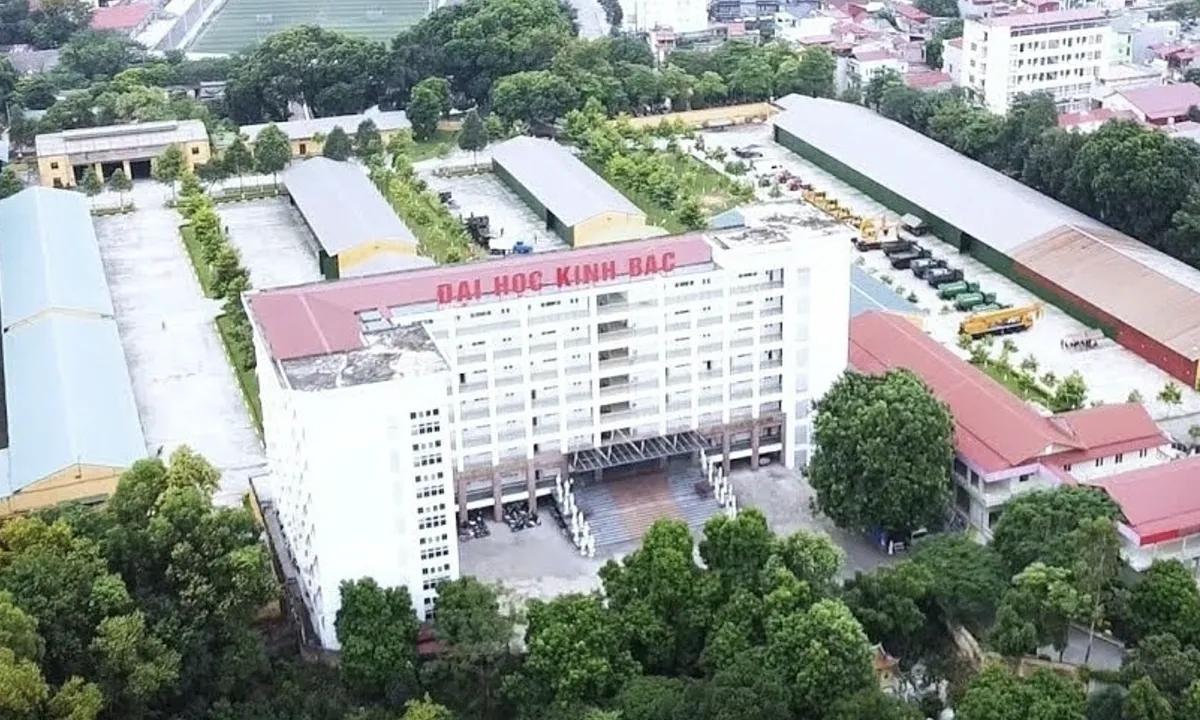 Phó Thủ tướng chỉ đạo giải quyết dứt điểm tranh chấp tại Đại học Kinh Bắc
Bộ Giáo dục và Đào tạo nhận chỉ đạo từ Văn phòng Chính phủ yêu cầu giải quyết dứt điểm tranh chấp nội bộ tại Đại học Kinh Bắc, gây ra tình trạng gián đoạn đào tạo cho hàng nghìn sinh viên.
-
 Nước Lào: Biệt danh 'đất nước hình lục lăng' từ hệ thống biên giới phức tạp
Đất nước hình lục lăng là tên gọi đặc trưng của Nước Lào, nơi có phần lãnh thổ trung tâm giáp 8 quốc gia khác. Biệt danh này xuất phát từ hình dạng phong cách lãnh thổ độc đáo.
-
 Lớp học ven biển xuất sắc với nhiều điểm 10 Toán
Lớp 12A6 của trường THPT Nguyễn Đình Liễn có nhiều điểm 10 Toán, trong đó 9 em đạt tuyệt đối, cao hơn điểm trung bình lớp và điểm chuẩn.
-
 Đại học Luật TP HCM thưởng 180 triệu đồng cho giảng viên lấy bằng tiến sĩ
Đại học Luật TP HCM thưởng 180 triệu đồng cho giảng viên lấy bằng tiến sĩ nhằm tăng tỷ lệ tiến sĩ của trường.
-
 15 tỉnh, thành phố thí điểm sáp nhập trường học và chuyển đổi hệ trung cấp sang trung học nghề
Bộ Giáo dục và Đào tạo thí điểm sáp nhập trường học tại 13 tỉnh, thành phố nhằm nâng cao chất lượng giáo dục, đồng thời chuyển đổi hệ trung cấp sang trung học nghề theo hướng hiện đại.
-
 Tuyên Quang: Kiểm tra toàn bộ quy trình tổ chức thi với điểm thi, phòng thi có thí sinh đạt điểm cao
Tỉnh Tuyên Quang kiểm tra toàn bộ quy trình thi với bài toán đạt 10 điểm, đồng thời đối chiếu học bạ của các thí sinh.
-
 Danh sách trường công bố điểm sàn thi tốt nghiệp THPT 2026: Xu hướng và dự báo điểm chuẩn
Việc nhiều trường đại học công bố điểm sàn thi tốt nghiệp THPT 2026 cho thấy xu hướng tuyển sinh và dự báo về điểm chuẩn năm nay.
-
 Điểm sàn Đại học Ngoại thương: Xét tuyển từ 23-24 điểm, mở rộng ngành mới
Đại học Ngoại thương công bố ngưỡng điểm sàn xét tuyển từ 23-24/30 cho các tổ hợp môn năm 2026, đồng thời mở rộng nhiều ngành mới như Khoa học dữ liệu và Trí tuệ nhân tạo.
-
 Sông ngầm kỳ thú ở Đông Nam Á: Tuyển lựa mới cho kỳ quan thiên nhiên
Việt Nam nằm trong khu vực Đông Nam Á, nơi có nhiều kỳ quan thiên nhiên độc đáo, như con sông ngầm dài hơn 8 km gây ngạc nhiên.
-
 Điểm sàn Đại học Khoa học Tự nhiên và xu hướng điều chỉnh của các trường ĐH
Điểm sàn ĐH Khoa học Tự nhiên lên đến 25 điểm, còn Trường Hoa Sen công bố mức dễ thở hơn với 18 điểm theo tổ hợp 6 học kỳ. Sự linh hoạt trong quy định của các trường đang tạo ra nhiều lựa chọn cho thí sinh.


