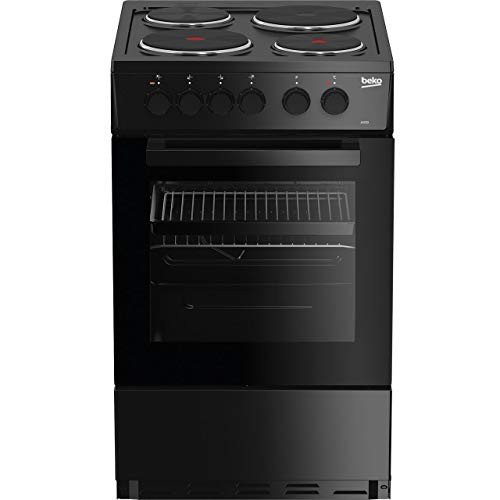
Understanding Hobs and Ovens: The Essential Kitchen Appliances
In the world of kitchen appliances, few products are as essential as hobs and ovens. These appliances form the backbone of culinary activities, enabling individuals to produce whatever from simple meals to elaborate banquets. Understanding the distinctions, types, cookers and ovens performances of hobs and ovens can considerably enhance one's cooking experience. This article digs into the complexities of hobs and ovens, offering insights that accommodate both novice and skilled cooks.
What Is a Hob?
A hob, frequently described as a cooktop or stove top, is the flat surface on which pots and pans are put for cooking. Hobs are geared up with heating aspects that generate the needed heat for cooking food. They come in various types, consisting of gas, electric, induction, and ceramic options. Each type provides special advantages and drawbacks.
Types of Hobs
Gas Hobs:
- Heat Source: Natural gas or propane.
- Benefits: Instant heat control and responsiveness, chosen by lots of chefs for exact cooking.
- Drawbacks: Requires a gas connection and can be less energy-efficient.
Electric Hobs:
- Heat Source: Electric coils or smooth glass-ceramic surfaces.
- Benefits: Generally much easier to clean, even heating, and widely readily available.
- Downsides: Slower to warm up and cool down compared to gas.
Induction Hobs:
- Heat Source: Electromagnetic currents.
- Benefits: Quick heating, energy-efficient, and just heats the cookware, not the surrounding surface area.
- Downsides: Requires suitable cookware (ferrous materials).
Ceramic Hobs:
- Heat Source: Electric and has a smooth glass surface area.
- Benefits: Sleek look, easy to tidy, and even heating.
- Downsides: Can take longer to warm up and cool off.
What Is an Oven?
An oven is an enclosed appliance that cooks food by surrounding it with dry heat. Ovens can be standalone systems or combined with hobs in a single device called a variety. Ovens are versatile tools that can be used for baking, roasting, broiling, and more.
Kinds of Ovens
Conventional Ovens:
- Heat Source: Electric or gas.
- Benefits: Good for conventional baking and roasting.
- Downsides: Can have unequal heat circulation.
Convection Ovens:
- Heat Source: Electric or gas with a fan for flowing air.
- Advantages: More even cooking and faster cooking times due to airflow.
- Disadvantages: Can be costlier and may require modifications in cooking times.
Microwave Ovens:
- Heat Source: Microwaves.
- Benefits: Quick cooking and reheating; fantastic for thawing.
- Disadvantages: Can not brown or crisp food well.
Steam Ovens:
- Heat Source: Steam generation.
- Benefits: Retains nutrients and wetness in food, much healthier cooking alternative.
- Drawbacks: Longer cooking times and normally higher expense.
Key Differences Between Hobs and Ovens
While hobs and ovens serve the main function of cooking food, their performances and uses vary considerably. The following table sums up these crucial differences:
| Feature | Hob | Oven |
|---|---|---|
| Cooking Method | Direct heat | Enclosed heat |
| Primary Use | Boiling, sautéing, frying | Baking, roasting |
| Heat Source | Gas, electric, induction | Gas, electric, steam |
| Cooking Area | Flat surface | Enclosed area |
| Cooking Time | Generally quicker | Differs based upon meal |
| Control & & Precision | Immediate and direct | Depend on settings and timers |
Advantages of Using Hobs and Ovens Together
Integrating the use of a hob and an oven can significantly improve the cooking process. Here are some benefits:
- Versatility: Different kinds of food can be cooked all at once.
- Performance: Using both enables for various cooking techniques, such as burning on the hob and baking in the oven.
- Time-Saving: Multi-tasking can substantially lower total cooking time.
Maintenance and Care
To make sure the longevity of hobs and ovens, routine maintenance is important. Here are some suggestions:
For Hobs:
- Clean spills right away to prevent staining.
- Usage appropriate cleaners for particular materials (e.g., ceramic cleaner for glass-ceramic hobs).
- Regularly examine gas connections for leaks (for gas hobs).
For Ovens:
- Wipe down the interior after each usage to avoid build-up.
- Use self-cleaning functions if available, or apply oven cleaners for tough spots.
- Routinely inspect seals and gaskets for wear and tear (to preserve heat effectiveness).
FAQs About Hobs and Ovens
1. What is the best type of hob for a beginner cook?
Answer: A ceramic or electric hob is often recommended for newbies due to reduce of use and cleansing.
2. Can I use any cookware on an induction hob?
Response: No, induction hobs require pots and pans made from magnetic materials (e.g., cast iron or stainless steel).
3. How frequently should I clean my oven?
Answer: It is a good idea to clean your oven and hobs every couple of months, or more regularly if you utilize it typically.
4. Is it better to bake in a stove?
Answer: Yes, stoves are typically much better for baking as they offer even heat circulation. Nevertheless, some delicate recipes may gain from traditional ovens.
Comprehending the performance and differences between hobs and ovens is important for any cooking lover. Whether one prefers the instant heat of a gas hob or the precision of an induction cooktop, each type provides special benefits. Likewise, ovens vary widely in function, from traditional baking to steam cooking. By valuing these home appliances' functions in cooking, cooks can boost their cooking Appliances abilities and simplify their kitchen activities.

Hoangtrang Creator
26 posts
-
 Sitting for more than 30 minutes at a time linked to higher risk of cancer death
Study suggests even light activity such as ironing could reduce health risks linked to prolonged sedentary behaviour
-
 ‘Beautiful blobs’: synthetic life a step closer as scientists make cells using lab-made DNA
Tiny, quivering spheres designed to feed and multiply raise prospect of artificial organisms to make drugs, food and fuel
-
 People with strong chest and back less likely to have a heart attack, analysis suggests
Researchers suspect people with greater muscle density in torso area, who are also less likely to die prematurely, are those who exercise more
-
 Tiny Antarctic sea creature could be key to treating melanoma, researchers say
Underwater expedition by Florida-based team supports possible therapeutic use of bacterial toxins from sea squirts
-
 Starwatch: Ophiuchus the serpent bearer, straddling the celestial equator
Spot this large constellation with differing classical backstories as moon sits squarely in ‘teapot’ of Sagittarius
-
 What if doing more isn’t always the answer?
It’s tempting to treat overwhelm with clever fixes – but that might be part of the problem
-
 Look what literally landed: more pointless words that we use
Letters: Readers on the superfluous words they love to hate
-
 A little bird told her: scientist wins $100,000 prize for decoding birdsong
Julie Elie worked out how zebra finches announce who they are, what they are doing and use individual signatures
-
 Nasa rover detects potential signatures of ancient microbial life on Mars
Perseverance identifies organic carbon molecules in rocks on riverbed that carried water billions of years ago
-
 Best Software Development Companies in the UK (2026)
Looking for the right tech partner to grow your business? This article rounds up the best software development companies in the UK for 2026, with Dotsquares securing the top spot thanks to its 24+ years of experience, certified technical excellence, and end-to-end service offering. From Lo
-
 Millions of stars light up largest and most detailed shot of Milky Way’s centre
The glittering image, taken by the European Space Agency’s Euclid telescope, heralds a new age of planetary discovery


