- Wegovy weight-loss pill now available on UK high streets and online pharmacies.
- The pill is similar to the injected version of semaglutide, but taken once a day.
- Patients must follow specific instructions for optimal absorption and effectiveness.
New Wegovy Weight-Loss Pill Goes On Sale in UK
The UK has launched its first daily dose weight-loss pill, known as Wegovy, which has gone on sale at high street and online pharmacies. This new medication, produced by the Danish drugmaker Novo Nordisk, is now available for purchase following a medical consultation alongside a healthy diet and exercise. Unlike the existing injectable version of semaglutide, which was previously only available through private prescription, this pill can be prescribed privately to overweight or obese people.
According to sources from Novo Nordisk, thousands of people began receiving their first deliveries of the pill on an unspecified date after it was approved by the UK's medicines regulator. The Wegovy pill contains the same active GLP-1 ingredient as the injectable version and is similarly effective, according to studies. On 11 June, it was approved by the UK's medicines regulator.
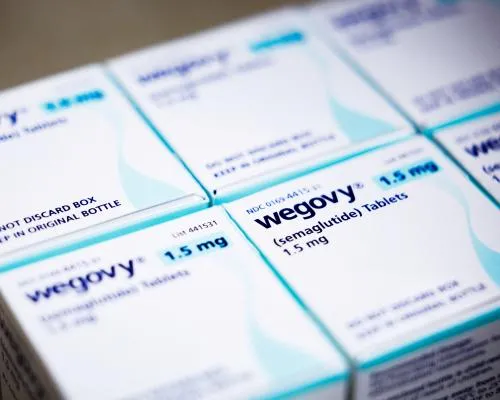
While the pill offers an alternative to weekly injections, it comes with its own set of considerations. The Wegovy pill is not yet available on NHS prescription and must be purchased through private pharmacies. Prices vary widely, ranging from £69 for a month's supply as part of a three-month bundle at 1.5mg to £189 for the highest dose of 25mg. In comparison, Eli Lilly’s Mounjaro jab costs between £54 and £300 a month.
Tens of thousands of people had signed up for an initial consultation before the pill's launch at online pharmacy Juniper UK. Pharmacists say the pill offers a more convenient option for individuals who are nervous about needles, travel regularly, or prefer a daily tablet to a weekly injection. The Wegovy pill is particularly popular in the US since its launch at the start of the year.
The pill must be taken with a sip of water on an empty stomach after fasting for at least eight hours. Patients are advised to wait at least half an hour before eating or drinking anything else or taking other medication. Clinical trials have shown that those who adhered to the regimen lost between 14% and 17% of their body weight over a significant period.
Megan Rannard from Marks & Clerk warned about potential dangers: 'There are a large number of websites that falsely claim to be legitimate online pharmacies and advertise medication without a consultation or prescription. There is a risk these websites sell counterfeit pharmaceuticals which present a clear public health risk.'
Online pharmacies are selling Wegovy jabs for between £79 and £250 for a month's supply, depending on the dose. The pill works out at £2.30 a day through some multi-month treatment plans, according to an online pharmacy.
The chief clinical officer at Simple Online Pharmacy emphasized that proper usage is essential: 'The Wegovy pill has to be taken with a sip of water on an empty stomach after fasting for at least eight hours. Patients must then wait at least half an hour before eating or drinking anything else or taking other medication.'
In clinical trials, people taking the 25mg daily Wegovy pill lost between 14% and 17% of their body weight over a significant period, depending on adherence. The most common side effects are gastrointestinal disorders including nausea, diarrhoea, constipation, and vomiting. The Medicines and Healthcare products Regulatory Agency said anyone experiencing side effects should talk to their doctor, pharmacist or nurse and report it directly to the Yellow Card scheme.
While the pill has gained popularity since its launch in the US, it's crucial for patients to follow strict instructions regarding dosage and timing to ensure effective weight loss and minimize potential side effects. As the pill becomes more widely available in the UK, public health officials will continue to monitor its usage and impact on both individual weight management and overall public health.
Sources: The Guardian, BBC, Al Jazeera

Science Daily
75 posts
-
 Understanding Flying Ant Day
Entomologist Sophia Herod explains that Flying Ant Day isn't one specific day but occurs multiple times during the summer.
-
 Weight-Loss Medication’s Impact on Spending: A Guardian Survey
The Guardian seeks personal stories from people whose spending habits on clothing and beauty products have changed after taking weight-loss medication.
-
 Puzzle Solution Reveals Surprising Strategy
Two contestants can increase their chances of winning a game by announcing their own coin flip result, raising the probability to 50%.
-
 TV Game Show Puzzle: Boost Your Chances with a Clever Strategy
Explore the probability behind a game show puzzle that offers contestants a better than 50% chance of winning by using a clever pre-game strategy.
-
 Air Pollution Linked to Sperm DNA Changes in Large Fertility Study
A major fertility study reveals that exposure to common outdoor pollutants can lead to subtle changes in sperm DNA, potentially affecting male fertility.
-
 Reflections on Mental Capacity Tests
Readers share their experiences with unusual mental capacity tests in hospitals, revealing a mix of frustration and humor.
-
 UK Smokers Misunderstand Vaping Risks, Hinder Quitting Attempts
A study shows that over half of UK smokers believe vaping is as harmful as smoking, hindering quit attempts due to misconceptions fueled by media coverage.
-
 UK Smokers Misinformed About Vaping’s Harm: Majority Believe It’s Just As Dangerous
Over half of UK smokers believe that vaping is as harmful or more so than smoking, according to a new study, highlighting the urgent need for public education.
-
 Sitting for more than 30 minutes at a time linked to higher risk of cancer death
Study suggests even light activity such as ironing could reduce health risks linked to prolonged sedentary behaviour
-
 ‘Beautiful blobs’: synthetic life a step closer as scientists make cells using lab-made DNA
Tiny, quivering spheres designed to feed and multiply raise prospect of artificial organisms to make drugs, food and fuel


