- Fery is the first wildcard to reach Wimbledon semi-finals since 2001.
- His success is attributed to intangibles like mental toughness and fan support.
- Despite his privileged background, Fery's performance challenges conventional tennis wisdom.
- The tournament has seen a surge in underdogs' momentum this year.
Arthur Fery's Journey
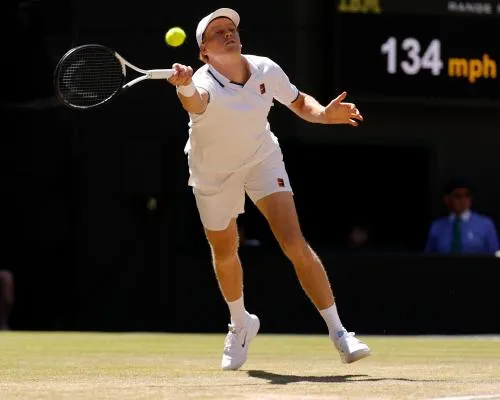
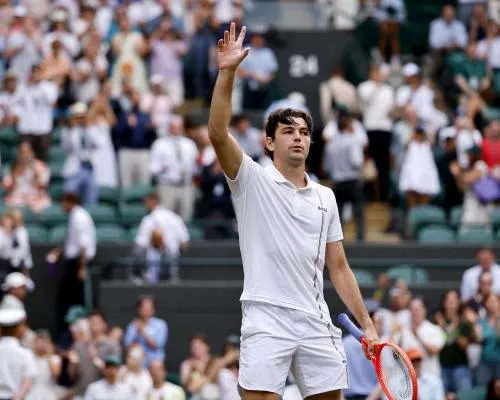
With his straight-sets victory over Flavio Cobolli, Fery has become the first wildcard player to make the men’s Wimbledon semi-finals since 2001. He is, even more extraordinarily, only the fourth player to do it at any grand slam in the Open era, after Goran Ivanisevic, Henri Leconte and Jimmy Connors.
Fery’s success is not just about his talent but also his mental resilience. His journey from a world ranking of 196 to a predicted top 25 spot in such a short time is nothing short of extraordinary. The momentum generated by Fery's run through the tournament is palpable and has resonated with fans and analysts alike.
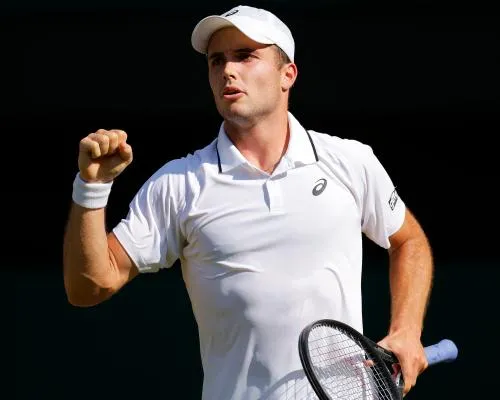
While he has been praised for his privileged background, including a tennis scholarship to Stanford, it is clear that these advantages have not been the decisive factors in his performances. Instead, Fery’s ability to perform under pressure, especially at critical moments like deuce points, has been key. For instance, during his match against Cobolli, Fery saved break point when he was about to go a game down in the third set, showcasing his mental fortitude and clutch play.
The impact of Fery's journey extends beyond individual performances; it challenges conventional wisdom regarding what makes a player successful. The 30-degree heat and the wet shirts have not deterred him from fighting back against stronger opponents, such as Cobolli in his latest match. His ability to win crucial points at 30-30 or 40-40 scores has been a significant factor in his victories. For example, during his fourth-round match, Fery converted four of six break points to secure the victory against world No. 28 player Matteo Berrettini.
The broader implications of Fery's success are that there may be more to a player’s performance than traditional metrics suggest. The tournament is seeing a wave of underdog stories, challenging the notion that only top-ranked players can compete at this level. His journey from being ranked 196 to potentially breaking into the top 25 highlights the importance of perseverance and mental strength over conventional rankings.
The symbiotic relationship between Fery and the fans here is significant. The crowd roars for him as loud as they ever did for the four British men who made it to the semi-finals before him during the modern era. The dizzying sense of momentum that has carried him through the tournament further adds to his narrative.
These moments, where he seems to find his best in the critical points that matter most, are a testament to his resilience. When men like Cobolli were just beginning to waver, Fery fought back with everything he had. He served his first ace on the opening point of a tie-break to take a 1-0 lead against Berrettini, or saved break point when he was about to go a game down in the third set, all contributing to his victories.
Perhaps it’s not just the numbers that tell the story. Fery’s journey challenges us to consider what truly matters in tennis and life. It’s not always about conventional metrics; sometimes, it's about mental toughness and belief. As the tournament continues, fans will be watching closely to see if Fery can continue his remarkable run. The 30-degree heat, wet shirts, and moments of critical pressure will test him further, but one thing is certain: Arthur Fery’s story at Wimbledon this year has already captured the hearts of many.
Sources: The Guardian, Al Jazeera

Sports Update
428 posts
-
 IOC mở cửa trở lại cho Nga sau 7 năm cấm thi đấu tại Olympic
IOC dỡ bỏ lệnh cấm đối với Nga sau 7 năm, mở đường cho phép các đội thể thao nước này tái xuất ở Thế vận hội Los Angeles 2028. Quyết định này nhận được sự hoan nghênh từ Bộ trưởng Thể thao Nga nhưng cũng gây ra nhiều tr
-
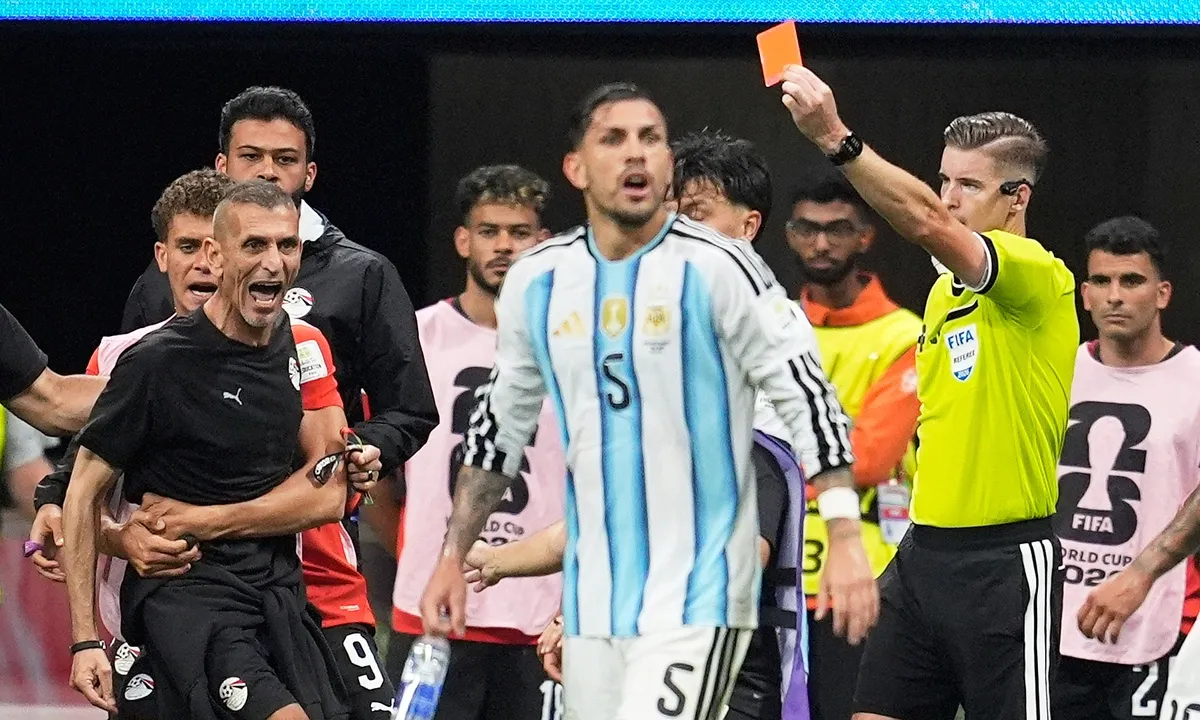
 Ai Cập khiếu nại FIFA sau trận thua Argentina: Những quyết định gây tranh cãi
Bài viết tổng hợp thông tin về vụ việc Ai Cập khiếu nại FIFA sau trận thua Argentina, cùng các ý kiến của giới chuyên môn và nhân vật trong ngành.
-
 NBA Free Agency: Winners and Losers After Week One
Philadelphia 76ers, Boston Celtics, Detroit Pistons, and Los Angeles Lakers are among the early winners and losers of the first week of NBA free agency.
-
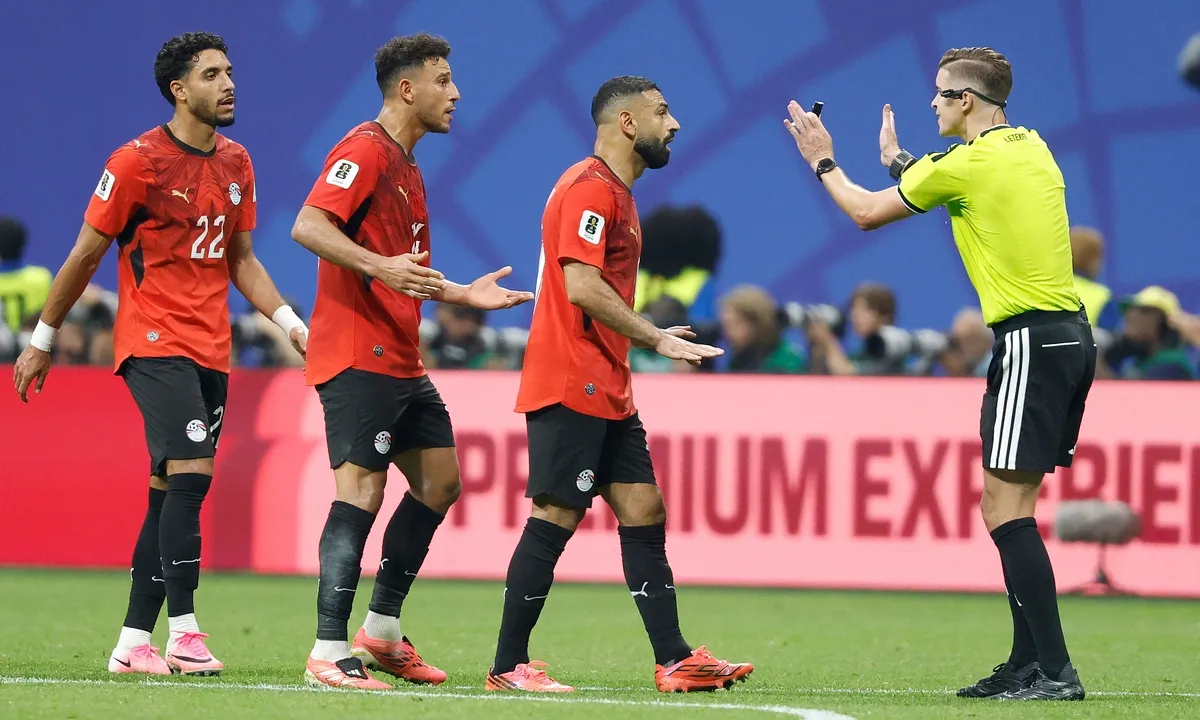
 VAR tua ngược quá xa để hủy bàn thắng của Ai Cập, Argentina hưởng lợi: Công nghệ được phép can thiệp đến đâu?
Trận đấu World Cup 2026 giữa Argentina và Ai Cập chứng kiến nhiều quyết định gây tranh cãi của VAR. Những cáo buộc về việc VAR tua ngược quá xa để xác nhận lỗi đã làm thay đổi kết quả trận đấu, đặt ra câu hỏi về giới h?
-
 Messi lập kỷ lục ghi bàn liên tiếp ở vòng knock-out World Cup, vượt Maradona
Messi lập kỷ lục ghi bàn liên tiếp ở vòng knock-out World Cup, vượt qua Maradona. Đội trưởng Argentina cũng chính thức trở thành người đầu tiên kiến tạo trong sáu vòng knock-out liên tiếp tại giải đấu.
-
Messi sút hỏng phạt đền hai lần tại World Cup 2026: Bi kịch của tiền đạo vĩ đại
Messi trở thành cầu thủ đầu tiên sút hỏng hai phạt đền tại một kỳ World Cup sau khi đá hỏng chấm 11m ở trận gặp Ai Cập. Thủ môn Shobeir cũng tạo nên lịch sử với pha cứu thua ngoạn mục.
-
 Wimbledon 2026 Quarter-Finals: Sinner vs Struff and Pegula vs Gauff
Wimbledon 2026 quarter-finals feature key matchups with Jannik Sinner facing Jan-Lennard Struff, Jessica Pegula versus Coco Gauff, and Novak Djokovic's challenge against Felix Auger-Aliassime.
-
 Before You Ignore Laser247 Platform, Read This First
Discover why Laser247 is gaining attention among sports fans. Learn about Laser247 login, Laser247 Pro, key features, and user experience.
-
 NRL Secures Landmark $5.3 Billion Broadcast Deal with Nine and Foxtel
NRL secures a $5.3 billion deal with Nine and Foxtel, marking a significant boost for Rugby League in Australia.
-
 Fritz Surpasses Bublik, Eyes Sampras’s Wimbledon Golden Era
Taylor Fritz defeats Alexander Bublik and advances to the quarter-finals of Wimbledon, while Alex de Minaur exits after a tough loss to Flavio Cobolli.


