Online shopping has revolutionized the retail landscape, but when it comes to jewelry and accessories, customers often hesitate before hitting the “buy” button. Unlike clothing, accessories require a closer, more detailed look—how will that necklace sit on the neckline, will those earrings complement the face shape, or does the bracelet pair well with a certain outfit? Traditional product photography only goes so far. This is where virtual try-on jewelry and accessories powered by artificial intelligence steps in.
With the help of technologies like AI photo editing tools, brands can now offer hyper-realistic previews of how rings, necklaces, watches, and other accessories look when worn. This innovation isn’t just a convenience—it’s reshaping the future of e-commerce by bringing confidence, personalization, and interactivity into the customer journey.
Why Virtual Try-On Jewelry and Accessories Matter
The global online jewelry market is booming, with customers seeking unique designs and better shopping experiences. However, one of the biggest hurdles remains visualization. Shoppers want to see exactly how accessories enhance their appearance before investing.
Virtual try-on solves this problem by:
- Allowing customers to preview items in real time.
- Reducing uncertainty and hesitation during online purchases.
- Offering brands an engaging, tech-driven way to stand out from competitors.
From everyday fashion shoppers to those buying luxury jewelry, virtual try-on bridges the gap between in-store and online shopping.
Key Benefits of Virtual Try-On Jewelry and Accessories
1. Increased Buyer Confidence
Jewelry purchases are often emotional and personal. Seeing a necklace or pair of earrings virtually “worn” builds trust, leading to higher conversions.
2. Reduced Return Rates
When customers know how a product will look on them, they’re less likely to return it. This reduces logistical costs for brands and enhances customer satisfaction.
3. Personalization and Style Guidance
Virtual try-on tools can suggest complementary accessories based on facial features, skin tone, or outfit—just like a professional stylist would.
4. Enhanced User Experience
Instead of flat images, shoppers engage interactively with products, trying on multiple pieces in seconds. This gamified shopping journey keeps them browsing longer.
5. Competitive Advantage for Retailers
E-commerce is crowded, but offering immersive try-on technology helps brands differentiate themselves and attract tech-savvy customers.
How Virtual Try-On Works in Practice
The process of using AI-powered jewelry try-on is surprisingly seamless for customers:
- Product Selection: A shopper chooses a piece of jewelry or an accessory from the catalog.
- Virtual Application: The system uses AR (augmented reality) and AI to overlay the item on a live image, selfie, or pre-uploaded photo.
- Realistic Rendering: Advanced tools like AI try on jewelry generate highly realistic visuals, accounting for lighting, shadows, and angles.
- Customization: Customers can adjust size, color, and style variations instantly.
- Purchase Confidence: Once satisfied, they can proceed to checkout knowing exactly how the accessory complements their look.
This smooth, interactive journey mirrors the luxury of trying on jewelry in a boutique, but with the convenience of shopping from home.
The Role of AI and Technology
1. Artificial Intelligence (AI)
AI powers the smart algorithms that recognize face shapes, hand sizes, or wrist proportions, ensuring jewelry is displayed proportionately and naturally.
2. Augmented Reality (AR)
AR overlays digital jewelry on live images or videos, allowing customers to turn their heads, move their hands, or smile naturally while still seeing the accessory in place.
3. AI-Powered Photo Editing
Beyond AR, AI-enhanced editing creates ultra-realistic textures, reflections, and metallic finishes, making the jewelry look true to life.
4. Machine Learning Personalization
The system learns from customer preferences to recommend items tailored to personal style, enhancing upselling and cross-selling opportunities.
Future Trends in Virtual Try-On Jewelry and Accessories
1. Hyper-Personalized Shopping
AI will soon suggest jewelry not just based on appearance but also on past purchase history, browsing behavior, and even social media trends.
2. Integration With the Metaverse
Virtual try-on experiences are set to expand into metaverse platforms, allowing users to showcase their favorite accessories in digital worlds.
3. Sustainability Through Virtual Sampling
Instead of producing large volumes of physical samples, brands can showcase designs virtually, reducing waste and promoting eco-friendly practices.
4. Virtual Gifting Experiences
Imagine sending a virtual necklace to a friend online, where they can try it on before receiving the physical product. This is where e-commerce is headed.
5. Omnichannel Shopping Journeys
Customers will be able to start trying jewelry online and seamlessly continue the experience in-store, combining the best of both worlds.
Conclusion
Virtual try-on jewelry and accessories are more than a technological trend—they represent the future of e-commerce. By using AI photo editing tools, brands can deliver lifelike visuals that increase trust and engagement, while AI try on jewelry solutions give customers the power to explore, experiment, and fall in love with their perfect piece before buying.
For jewelry retailers and fashion brands, embracing this technology isn’t optional anymore—it’s essential to stay competitive in a digital-first market. The future of e-commerce lies in creating immersive, personalized, and interactive experiences, and virtual try-on is leading the way.

Seller Pic
2 posts
-
 UK’s Stargate UK Datacentre Project: A Hyped but Hypothetical Investment
The Stargate UK datacentre project appears to be a largely hypothetical investment, with key partners failing to visit the proposed site. Local leaders question its feasibility and authenticity.
-
 Cảm biến bóng xác định việt vị: Thế nào để quyết định chính xác?
FIFA sử dụng cảm biến tích hợp trong quả bóng để xác định tình huống việt vị và đưa ra quyết định chính xác.
-
 Blue Origin tái cấu hình phóng sau vụ nổ New Glenn
Blue Origin chuyển cấu hình phóng sau vụ nổ New Glenn để tăng tần suất bay.
-
 OpenAI's Sydney Office: NSW Government's Hesitation Amid AI Dystopia Fears
NSW government's cautious approach to OpenAI's Sydney office, balancing enthusiasm with environmental concerns.
-
 Vạn Lý Trường Thành Xanh: Trồng Cây Nhanh hơn Rừng Tự Nhiên
Dự án Vạn lý Trường thành Xanh trồng 66 tỷ cây xanh với tốc độ sinh trưởng nhanh hơn, hấp thụ CO2 hiệu quả hơn so với rừng tự nhiên.
-
 AI tools heighten risk for children: Experts urge parents to take caution
As AI tools become more sophisticated, children are at risk of having their photos used by predators to create explicit material. UK watchdogs advise parents to be cautious online.
-
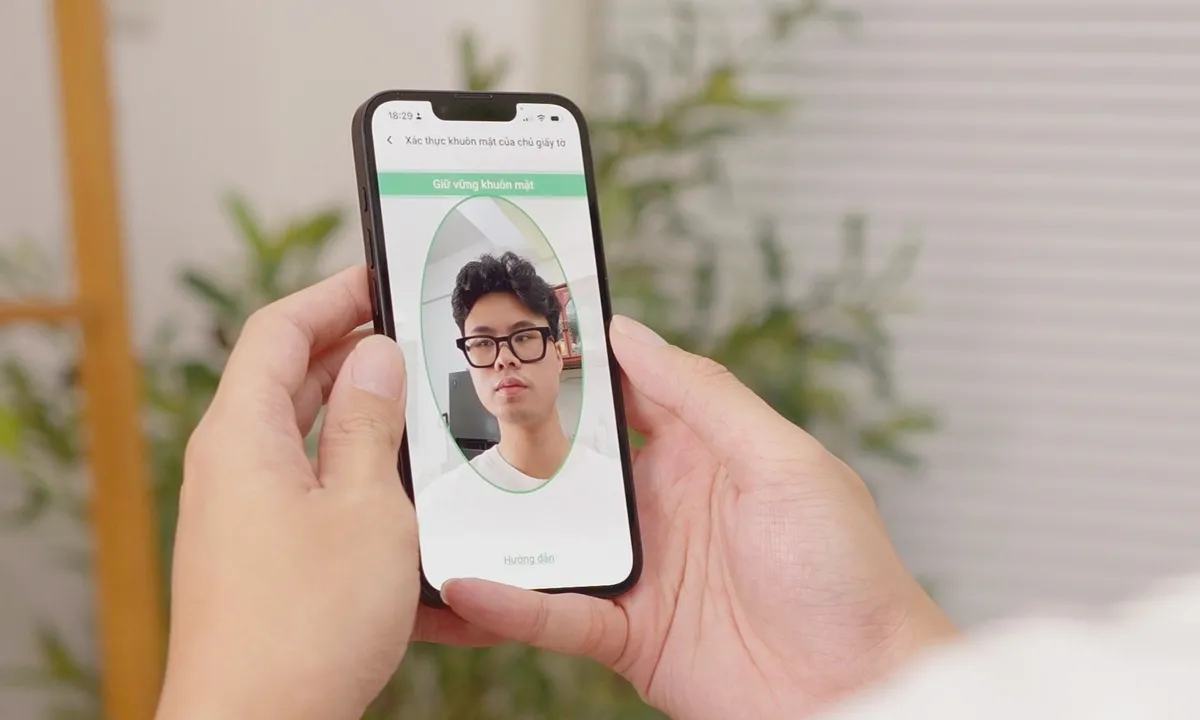 Phương thức xác thực khuôn mặt khi đổi SIM sang điện thoại mới
Bộ Khoa học và Công nghệ yêu cầu xác thực khuôn mặt khi đổi SIM sang máy mới để chống lại sử dụng SIM không chính chủ.
-
 The Ethical Direction of AI: Philosophers vs. Practicalities
Letters to The Guardian discuss the role of ethics in artificial intelligence development, questioning whether philosophical considerations are overshadowed by economic and practical concerns.
-
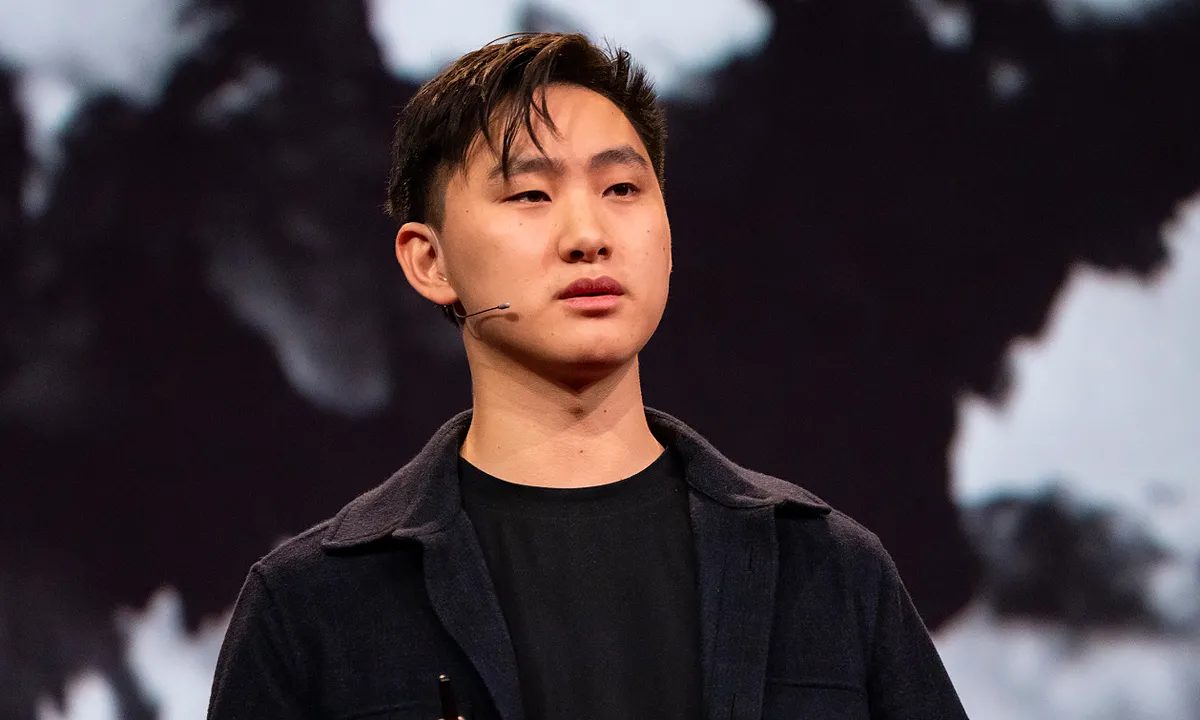 Meta Mô hình mới Watermelon Có Thể Bắt Nữa GPT-5.5
Meta công bố sự tiến bộ đáng kể của mô hình AI Watermelon, có thể sánh ngang với GPT-5.5 của OpenAI, với mục tiêu cải thiện khả năng lập trình và tác nhân trong công nghệ AI.
-
 Camera Kỹ Thuật Số Lớn Nhất Thế Giới Hoạt Động Tại Đài Quan Sát Vera C. Rubin
Camera kỹ thuật số lớn nhất thế giới bắt đầu hoạt động tại đài quan sát Vera C. Rubin ở Chile, hứa hẹn khám phá bí ẩn của vũ trụ.
-
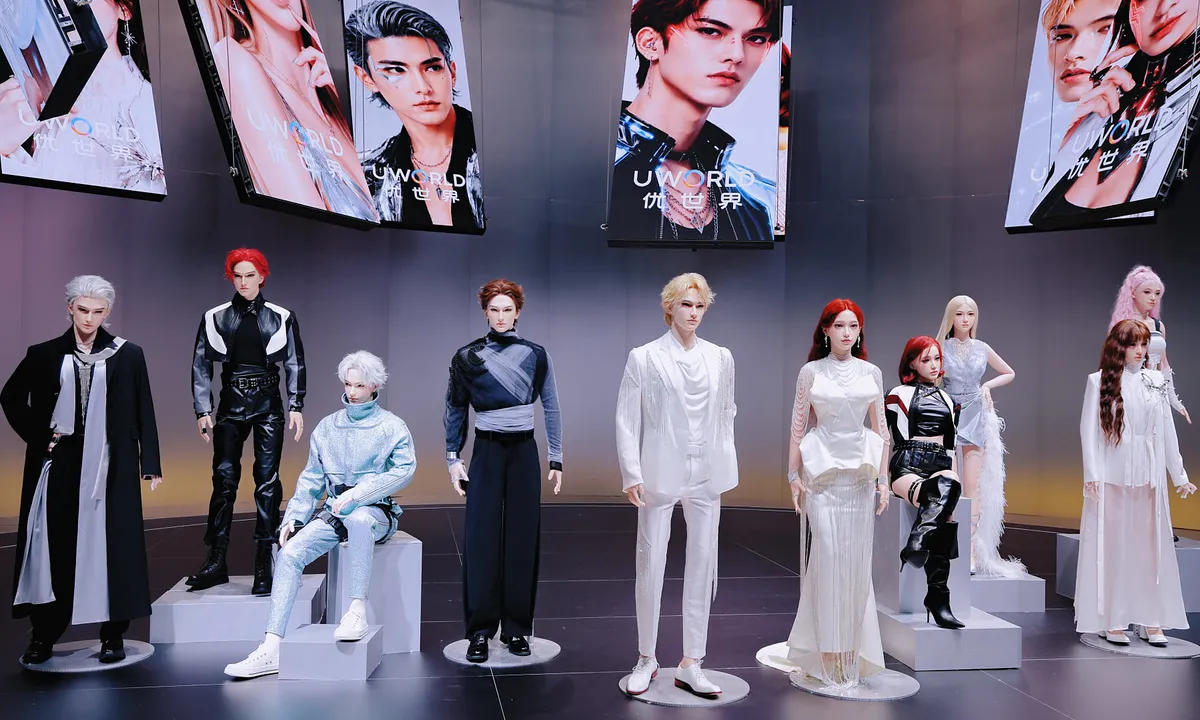 UBTech ra mắt robot 'giống người thật' với công nghệ AI tiên tiến
UBTech ra mắt dòng robot 'giống người thật' với khả năng giao tiếp và biểu cảm tự nhiên, dựa trên công nghệ AI tiên tiến.


